Laboratory of Virology and Infectious Disease, The Rockefeller University, New York, NY, USA.
Human Oncology & Pathogenesis Program, Memorial Sloan Kettering Cancer Center, New York, NY, USA.
Cell. 2021 Jan 7;184(1):133-148.e20. doi: 10.1016/j.cell.2020.12.005. Epub 2020 Dec 9.
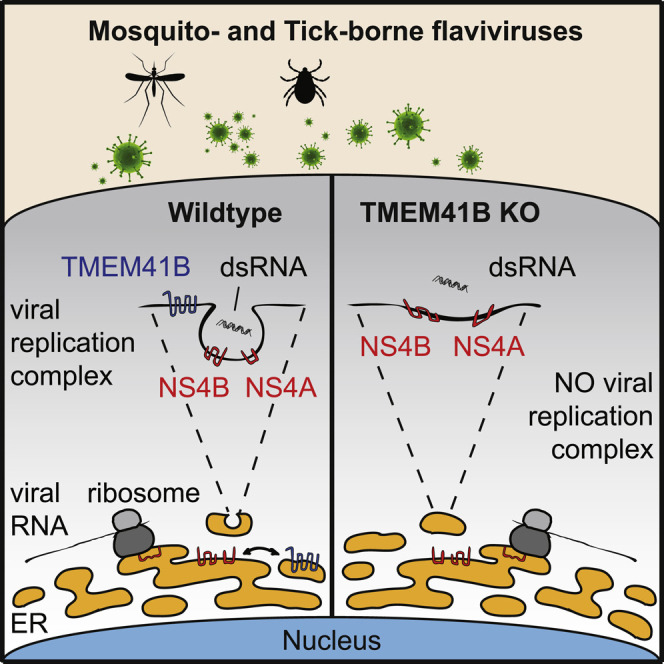
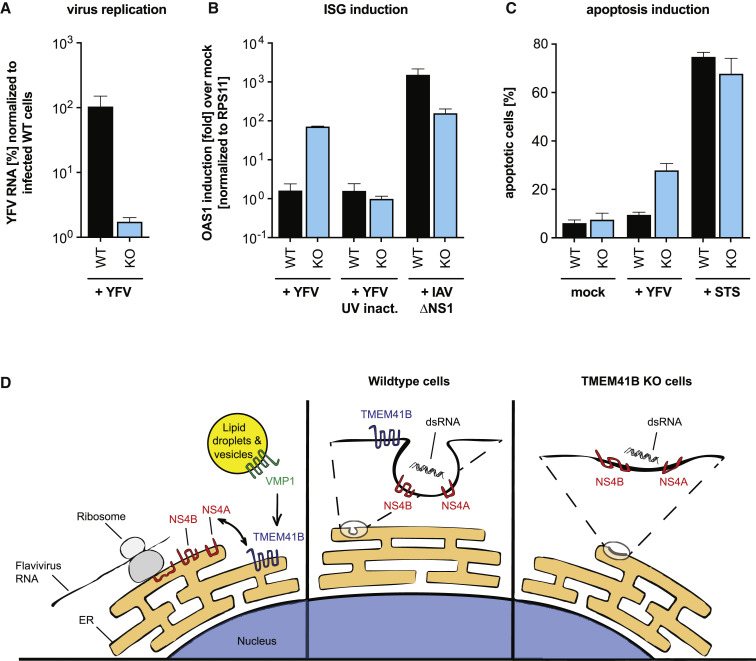
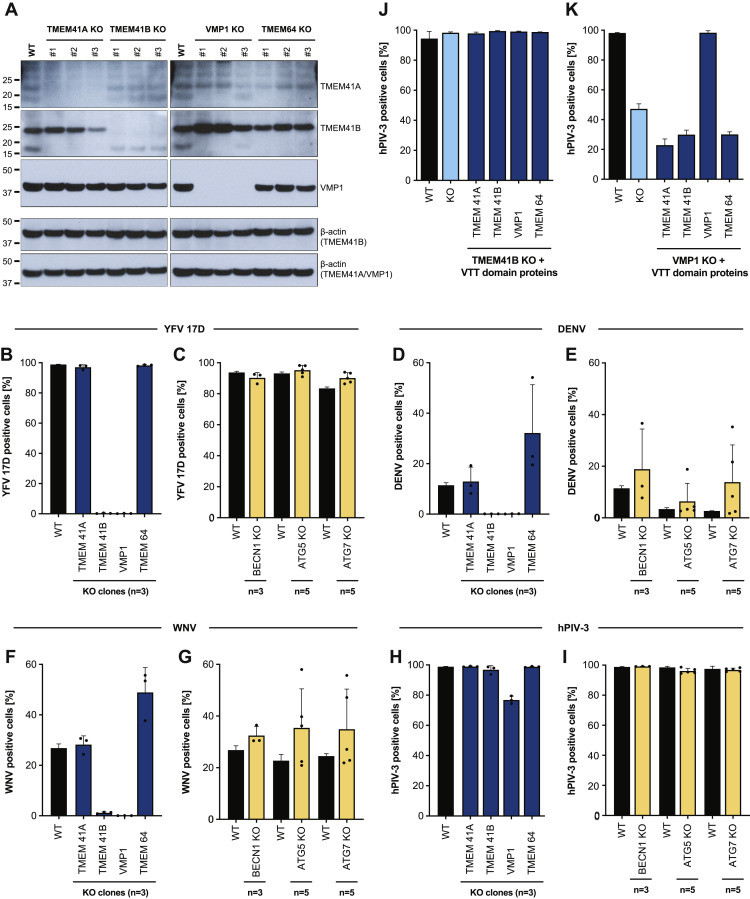
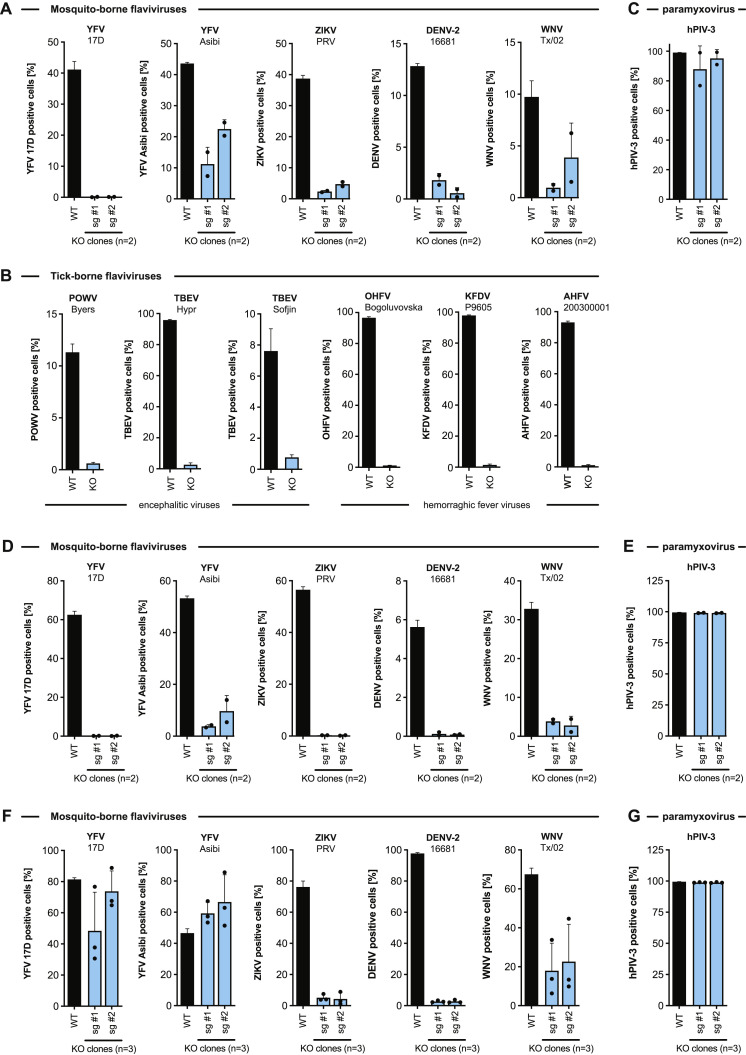
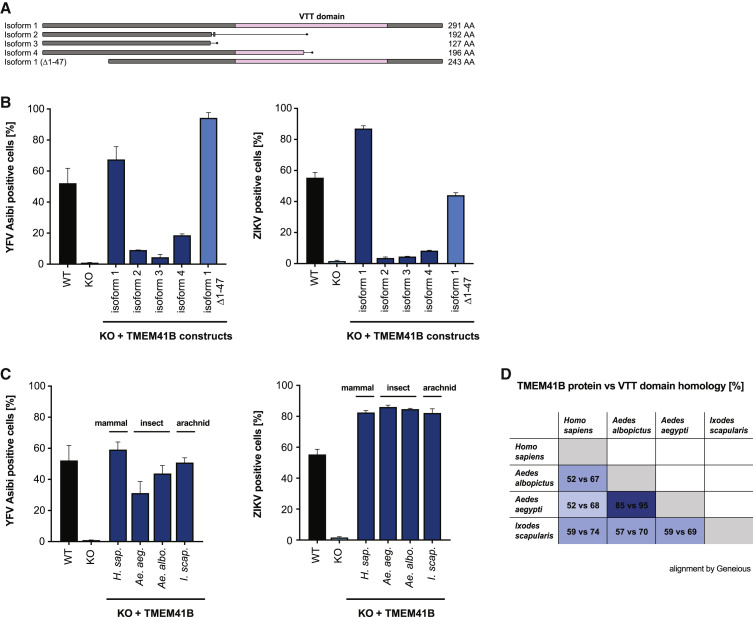
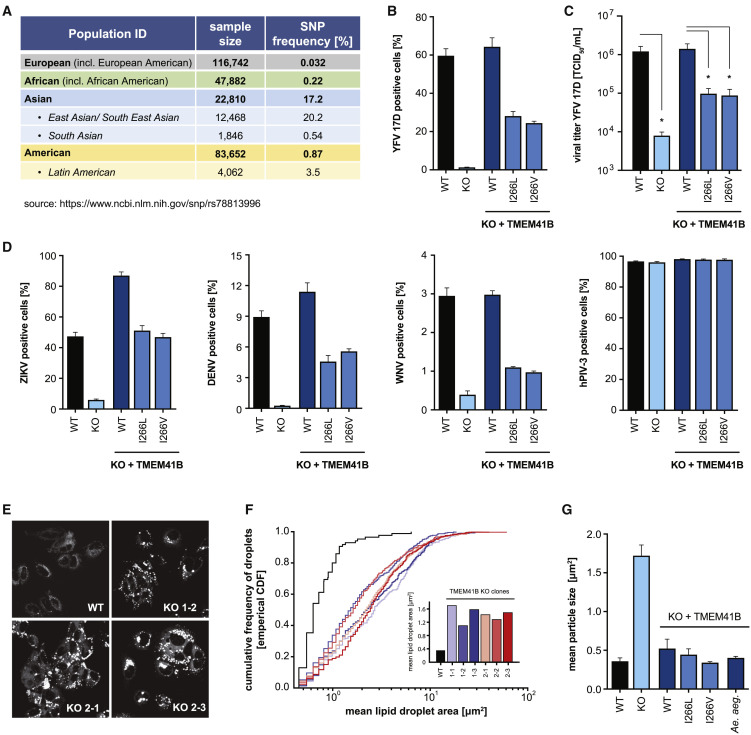
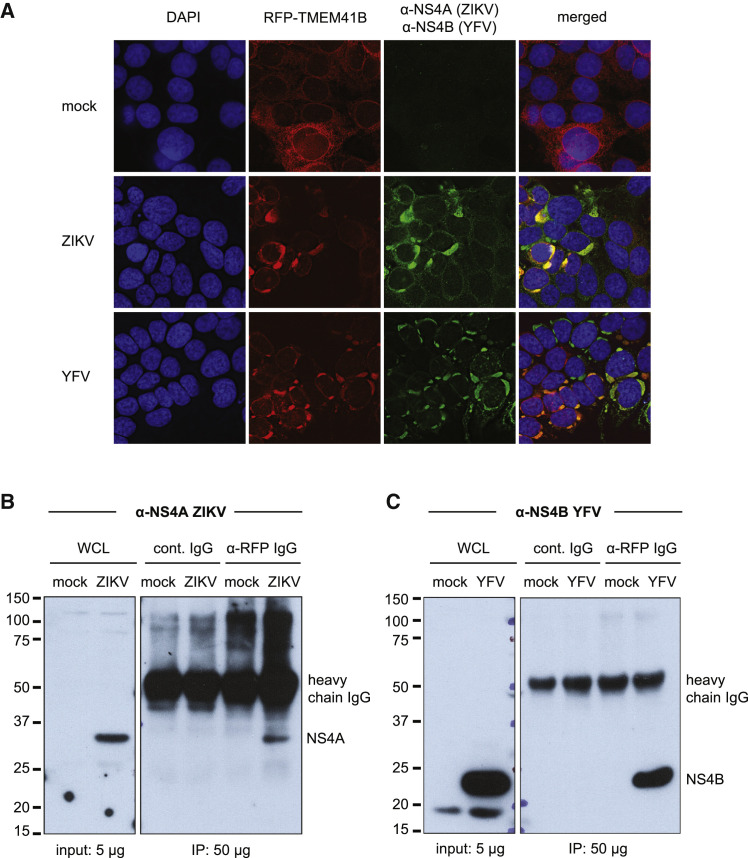
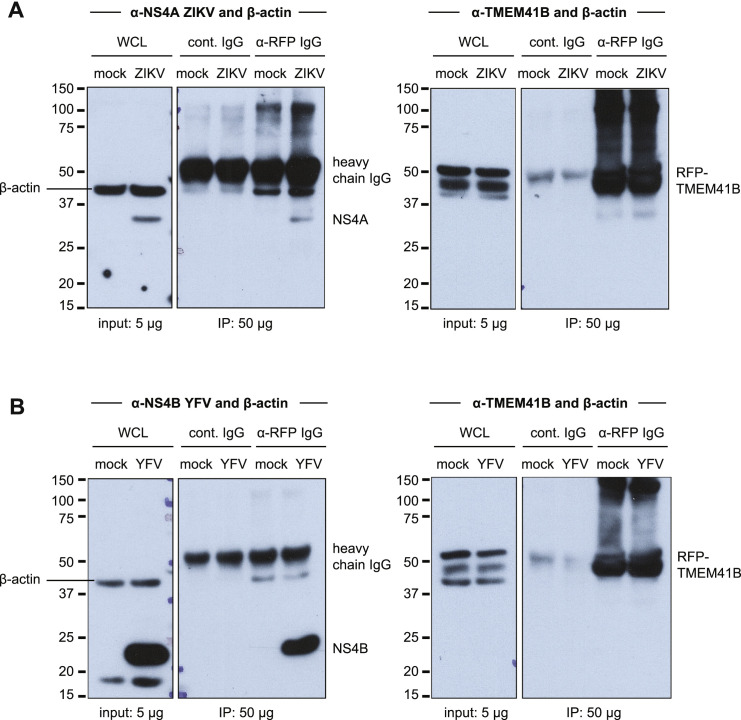
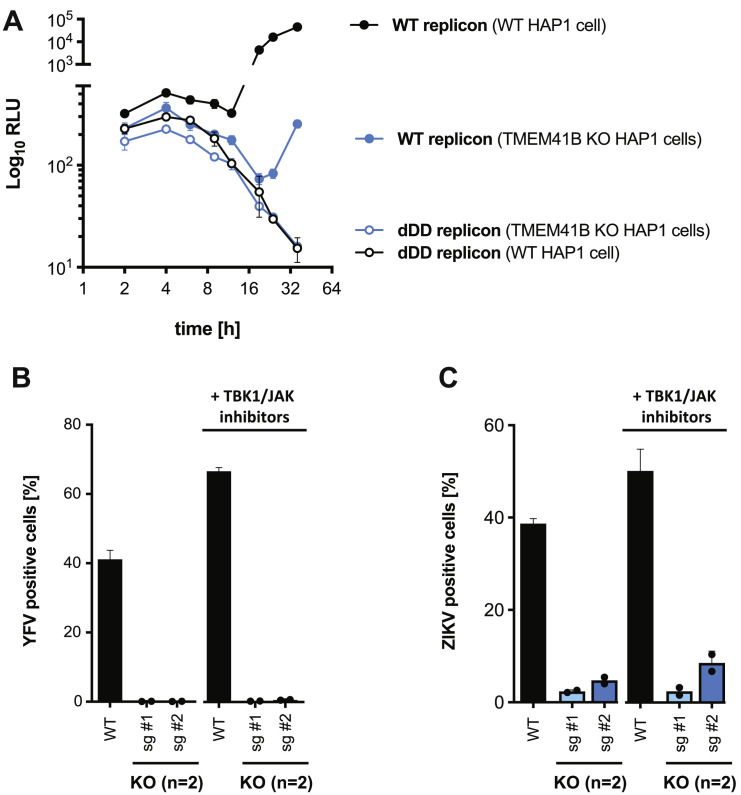
Flaviviruses pose a constant threat to human health. These RNA viruses are transmitted by the bite of infected mosquitoes and ticks and regularly cause outbreaks. To identify host factors required for flavivirus infection, we performed full-genome loss of function CRISPR-Cas9 screens. Based on these results, we focused our efforts on characterizing the roles that TMEM41B and VMP1 play in the virus replication cycle. Our mechanistic studies on TMEM41B revealed that all members of the Flaviviridae family that we tested require TMEM41B. We tested 12 additional virus families and found that SARS-CoV-2 of the Coronaviridae also required TMEM41B for infection. Remarkably, single nucleotide polymorphisms present at nearly 20% in East Asian populations reduce flavivirus infection. Based on our mechanistic studies, we propose that TMEM41B is recruited to flavivirus RNA replication complexes to facilitate membrane curvature, which creates a protected environment for viral genome replication.
黄病毒不断威胁着人类健康。这些 RNA 病毒通过受感染的蚊子和蜱虫叮咬传播,经常引发疫情。为了确定黄病毒感染所需的宿主因素,我们进行了全基因组功能丧失 CRISPR-Cas9 筛选。基于这些结果,我们专注于研究 TMEM41B 和 VMP1 在病毒复制周期中的作用。我们对 TMEM41B 的机制研究表明,我们测试的所有黄病毒科家族成员都需要 TMEM41B。我们测试了另外 12 种病毒家族,发现冠状病毒科的 SARS-CoV-2 也需要 TMEM41B 才能感染。值得注意的是,东亚人群中近 20%存在的单核苷酸多态性降低了黄病毒的感染性。基于我们的机制研究,我们提出 TMEM41B 被招募到黄病毒 RNA 复制复合物中,以促进膜曲率的形成,为病毒基因组复制创造一个受保护的环境。