Department of Biochemistry and Molecular Biology, The University of Texas Medical Branch at Galveston, Galveston, TX 77555, USA.
Sealy Center for Structural Biology, The University of Texas Medical Branch at Galveston, Galveston, TX 77555, USA.
Viruses. 2020 Dec 23;13(1):15. doi: 10.3390/v13010015.
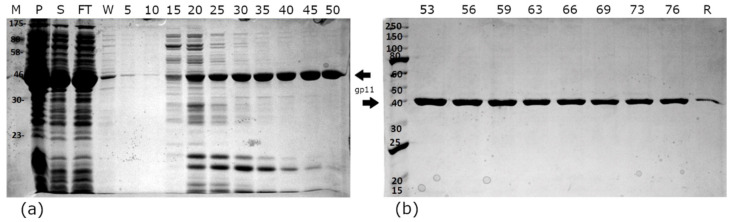
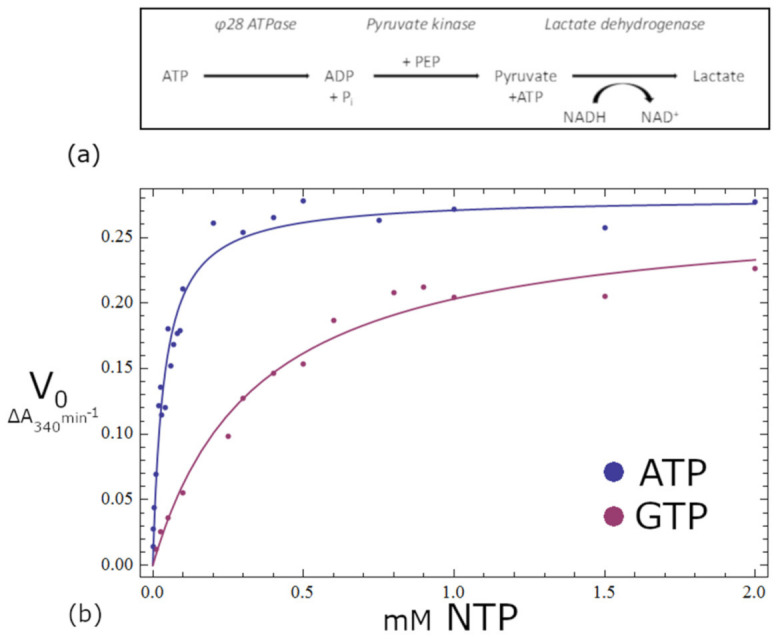
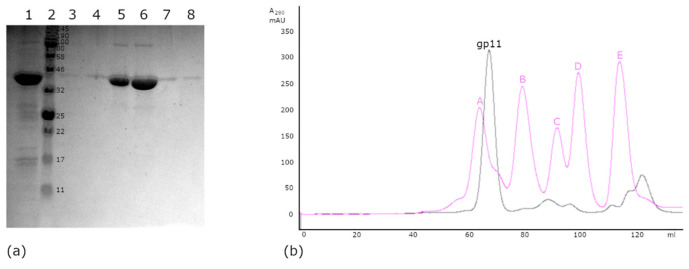
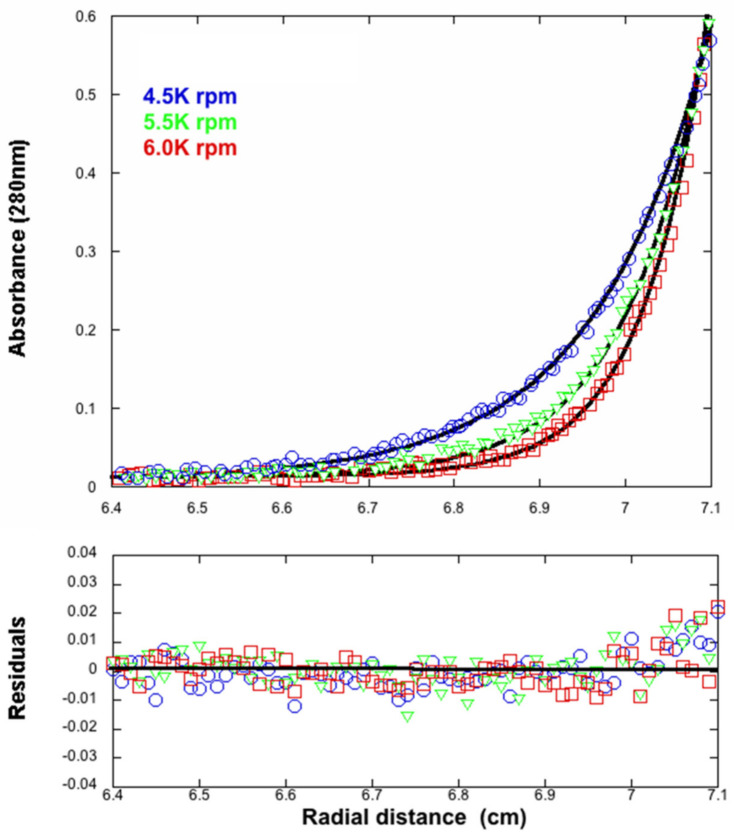
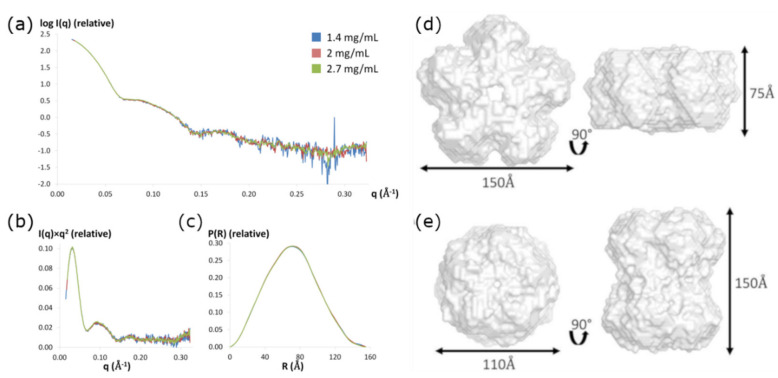
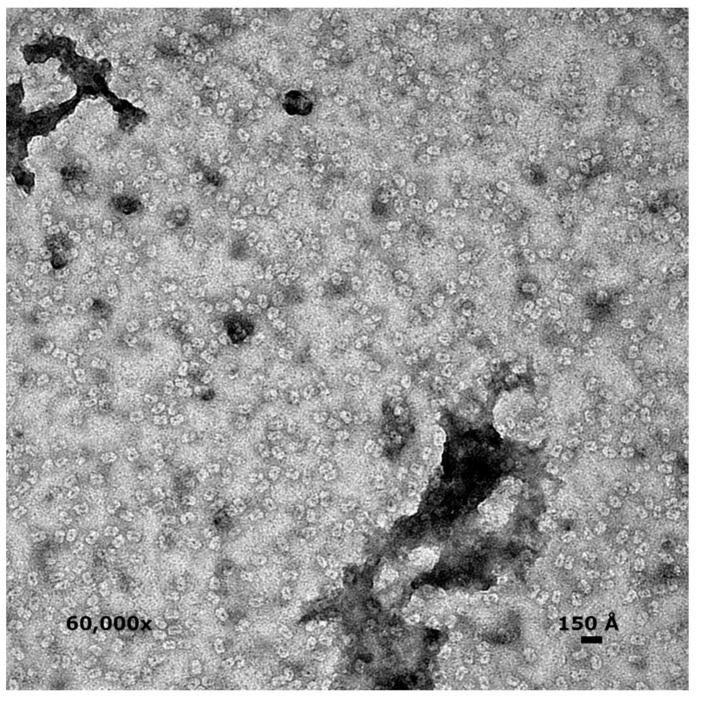
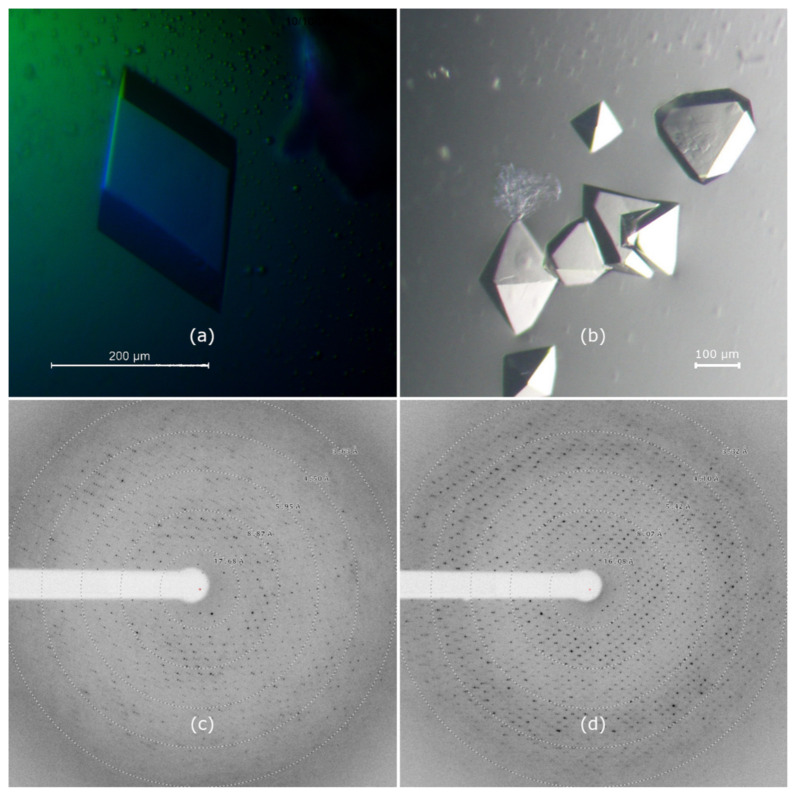
Double-stranded DNA viruses package their genomes into pre-assembled protein procapsids. This process is driven by macromolecular motors that transiently assemble at a unique vertex of the procapsid and utilize homomeric ring ATPases to couple genome encapsidation to ATP hydrolysis. Here, we describe the biochemical and biophysical characterization of the packaging ATPase from phage asccφ28. Size-exclusion chromatography (SEC), analytical ultracentrifugation (AUC), small angle X-ray scattering (SAXS), and negative stain transmission electron microscopy (TEM) indicate that the ~45 kDa protein formed a 443 kDa cylindrical assembly with a maximum dimension of ~155 Å and radius of gyration of ~54 Å. Together with the dimensions of the crystallographic asymmetric unit from preliminary X-ray diffraction experiments, these results indicate that gp11 forms a decameric D5-symmetric complex consisting of two pentameric rings related by 2-fold symmetry. Additional kinetic analysis shows that recombinantly expressed gp11 has ATPase activity comparable to that of functional ATPase rings assembled on procapsids in other genome packaging systems. Hence, gp11 forms rings in solution that likely reflect the fully assembled ATPases in active virus-bound motor complexes. Whereas ATPase functionality in other double-stranded DNA (dsDNA) phage packaging systems requires assembly on viral capsids, the ability to form functional rings in solution imparts gp11 with significant advantages for high-resolution structural studies and rigorous biophysical/biochemical analysis.
双链 DNA 病毒将其基因组包装到预先组装的蛋白衣壳中。这个过程是由大分子马达驱动的,这些马达暂时组装在衣壳的一个独特顶点上,并利用同型环 ATP 酶将基因组包裹与 ATP 水解偶联。在这里,我们描述了噬菌体 asccφ28 的包装 ATP 酶的生化和生物物理特性。尺寸排阻色谱(SEC)、分析超速离心(AUC)、小角度 X 射线散射(SAXS)和负染色透射电子显微镜(TEM)表明,45 kDa 的蛋白形成了一个 443 kDa 的圆柱形组装体,最大尺寸约为155 Å,回转半径约为~54 Å。与初步 X 射线衍射实验的晶体学不对称单位的尺寸相结合,这些结果表明 gp11 形成了一个由两个五聚体环通过 2 重对称相关的具有 D5 对称的十聚体复合物。额外的动力学分析表明,重组表达的 gp11 具有与其他基因组包装系统中在衣壳上组装的功能性 ATP 酶环相当的 ATP 酶活性。因此,gp11 在溶液中形成环,这可能反映了在活性病毒结合的马达复合物中完全组装的 ATP 酶。虽然其他双链 DNA(dsDNA)噬菌体包装系统中的 ATP 酶功能需要在病毒衣壳上组装,但在溶液中形成功能性环的能力为 gp11 提供了进行高分辨率结构研究和严格的生物物理/生物化学分析的显著优势。