Department of Gastroenterology and Hepatology and Tytgat Institute for Liver and Intestinal Research, Amsterdam University Medical Centers, Location AMC, AGEM, C2-327, Meibergdreef 9, 1100 DE, Amsterdam, The Netherlands.
Department of Gastroenterology, Comenius University Bratislava, Jessenius Faculty of Medicine, Martin, Slovakia.
Hepatol Int. 2021 Feb;15(1):6-20. doi: 10.1007/s12072-020-10118-x. Epub 2020 Dec 30.
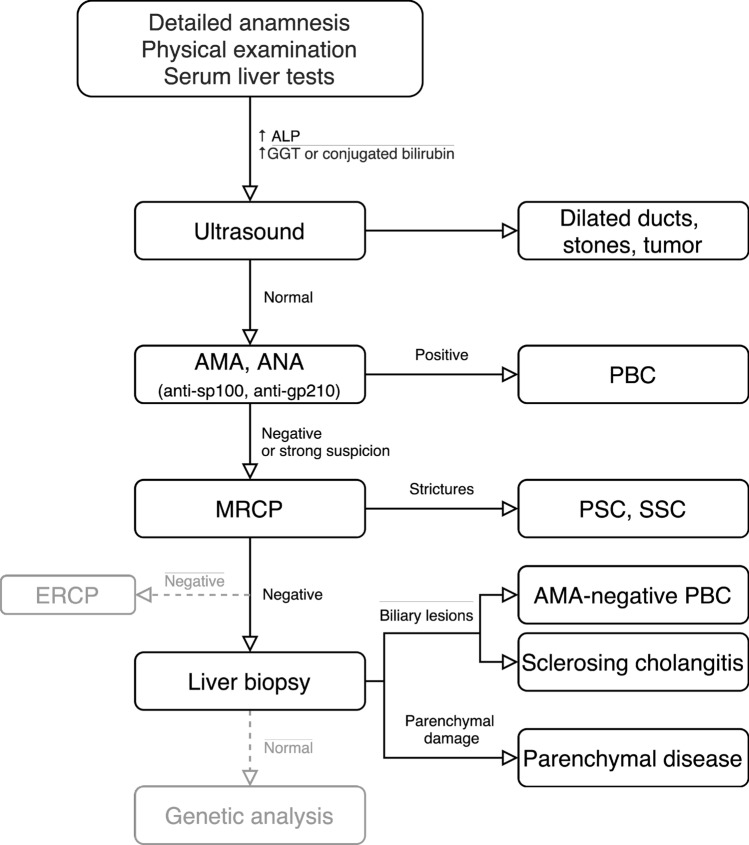
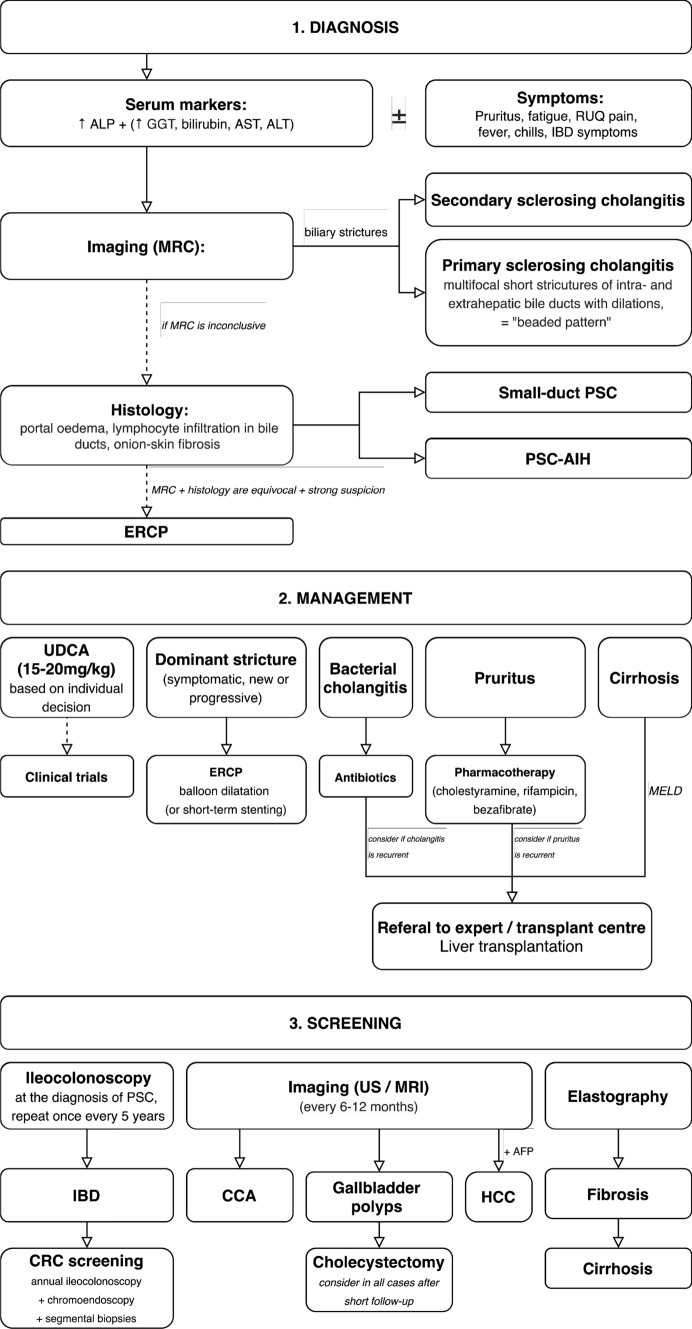
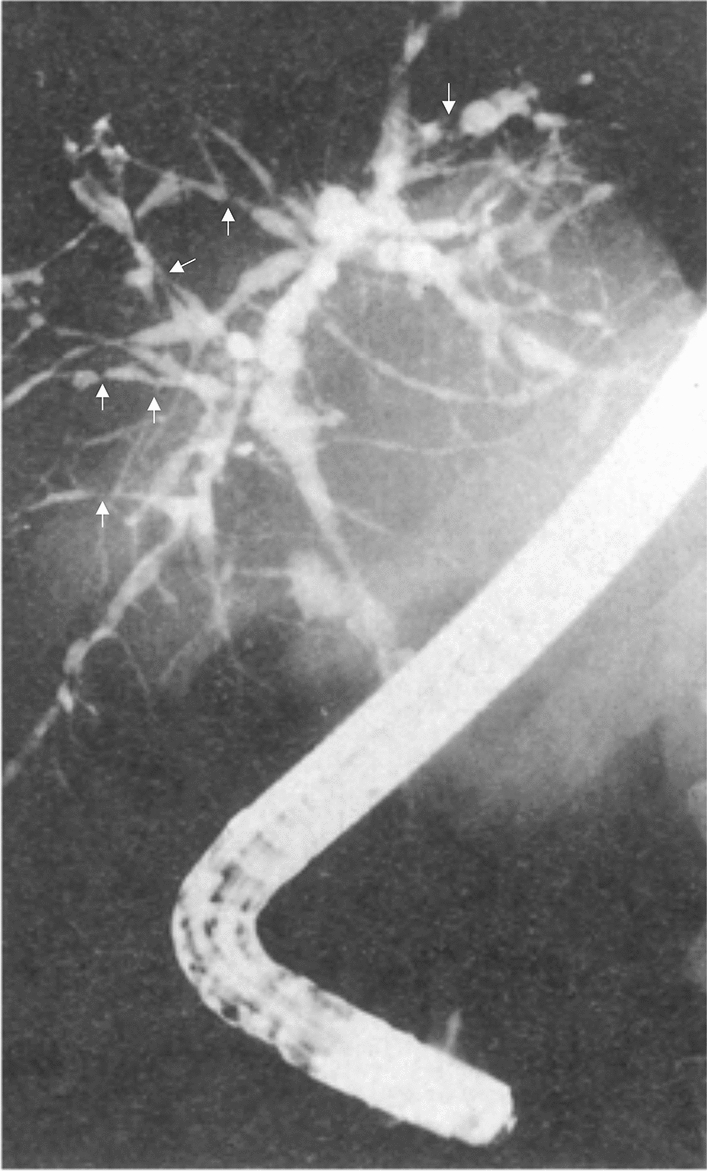
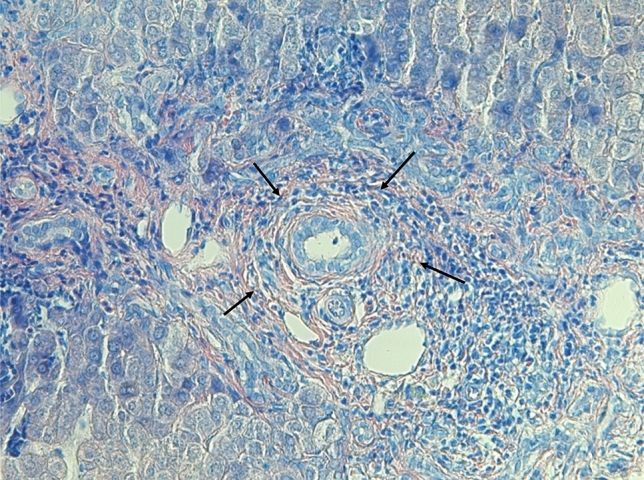
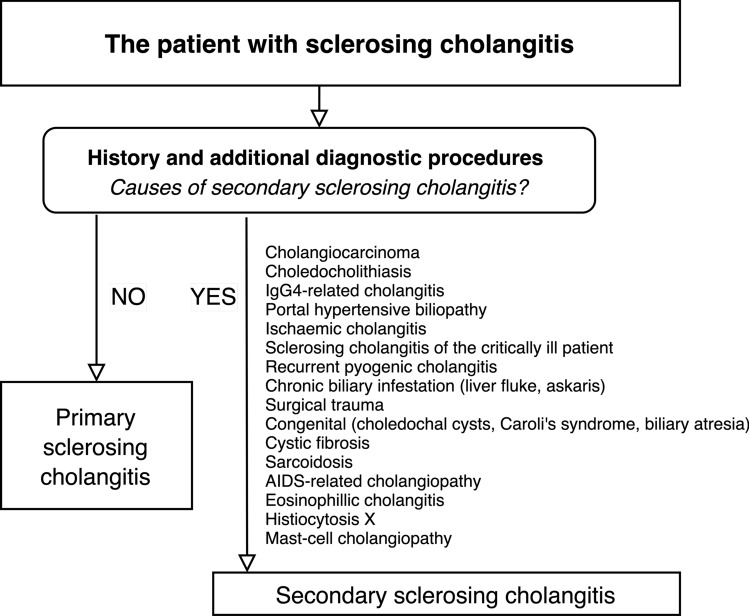
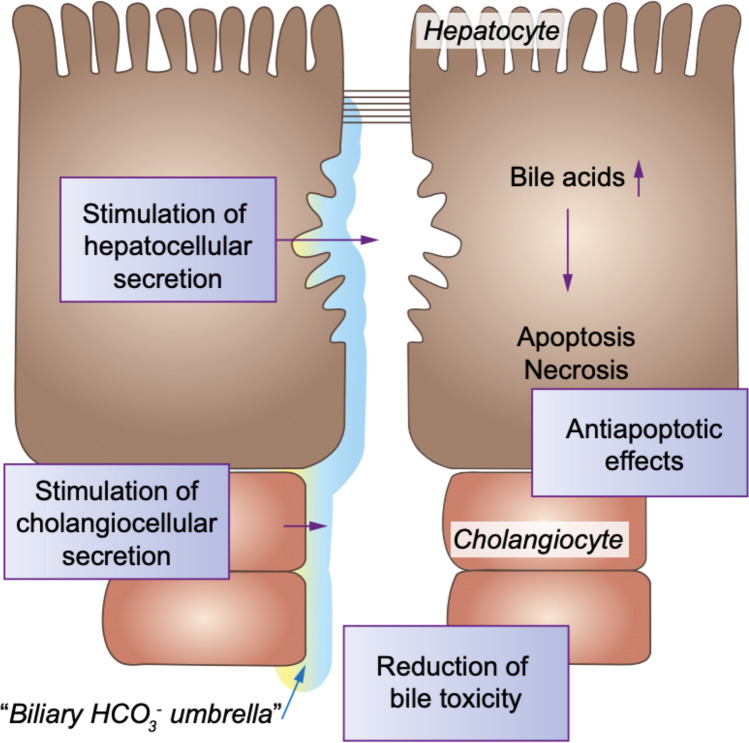
Primary sclerosing cholangitis (PSC) is a rare cholestatic liver disease, characterized by multiple strictures and dilatations of the intra- and extrahepatic bile ducts, leading to progressive liver fibrosis, in 10-15% cholangiocarcinoma, and ultimately end-stage liver disease. The pathogenesis is poorly understood, but (epi-)genetic factors, mechanisms of innate and adaptive immunity, toxic effects of hydrophobic bile acids, and possibly intestinal dysbiosis appear to be involved. The strong link with inflammatory bowel disease (IBD) is associated with a markedly enhanced risk of colorectal cancer which next to cholangiocarcinoma represents the most serious diagnostic challenge in long-term PSC management. Despite extensive research, no medical treatment has been proven so far to prolong the time to liver transplantation (LTx), which remains the effective treatment in late-stage disease. Recurrence of PSC after LTx is observed in up to 20% of patients. Here, we briefly summarize actual views on PSC pathogenesis and provide an algorithmic approach to diagnostic procedures and recommendations for the management of PSC and its complications. We describe promising treatment options subject to current clinical trials.
原发性硬化性胆管炎(PSC)是一种罕见的胆汁淤积性肝病,其特征为肝内外胆管多发狭窄和扩张,导致进行性肝纤维化,10-15%发生胆管癌,最终发展为终末期肝病。其发病机制尚不清楚,但(表观)遗传因素、固有和适应性免疫机制、疏水性胆汁酸的毒性作用,以及可能的肠道菌群失调似乎都与之相关。与炎症性肠病(IBD)的强烈关联与结直肠癌风险显著增加有关,结直肠癌除胆管癌外,是 PSC 长期管理中最严重的诊断挑战。尽管进行了广泛的研究,但迄今为止还没有一种药物治疗被证明能延长肝移植(LTx)时间,LTx 仍然是晚期疾病的有效治疗方法。LTx 后 PSC 的复发率高达 20%。在这里,我们简要总结了 PSC 发病机制的最新观点,并提供了诊断程序和 PSC 及其并发症管理的算法方法。我们描述了当前临床试验中具有前景的治疗选择。