Jardin Isaac, Diez-Bello Raquel, Falcon Debora, Alvarado Sandra, Regodon Sergio, Salido Gines M, Smani Tarik, Rosado Juan A
Department of Physiology (Cellular Physiology Research Group), Institute of Molecular Pathology Biomarkers (IMPB), University of Extremadura, Caceres, Spain.
Department of Physiology (Cellular Physiology Research Group), Institute of Molecular Pathology Biomarkers (IMPB), University of Extremadura, Caceres, Spain.
J Biol Chem. 2021 Jan-Jun;296:100254. doi: 10.1074/jbc.RA120.015769. Epub 2021 Jan 8.
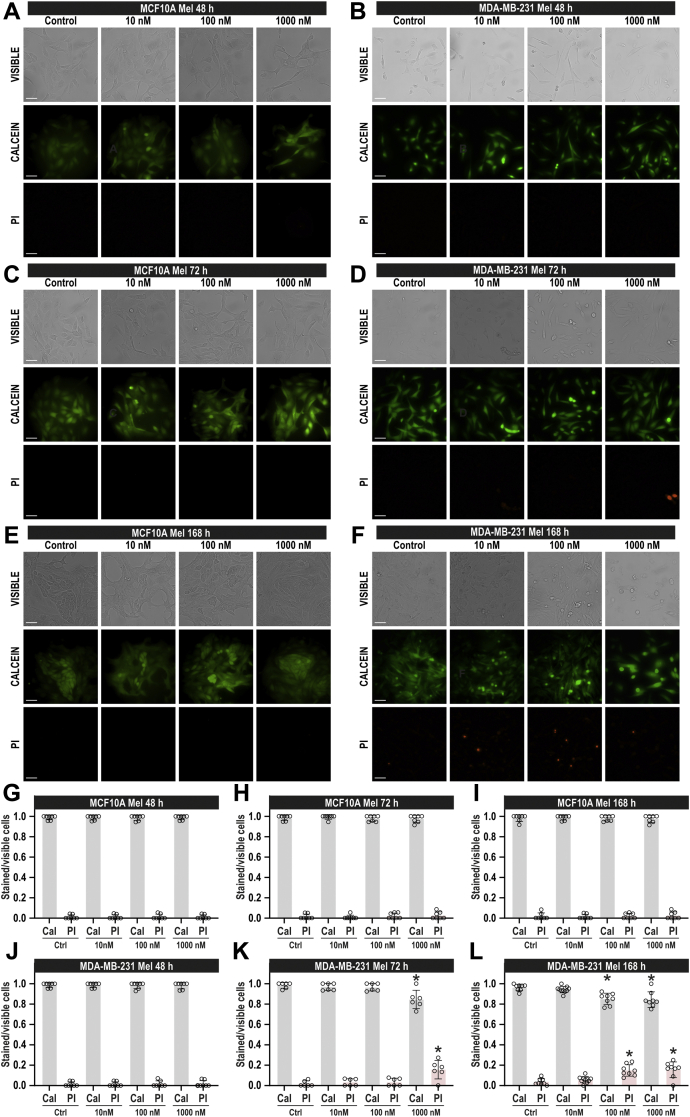
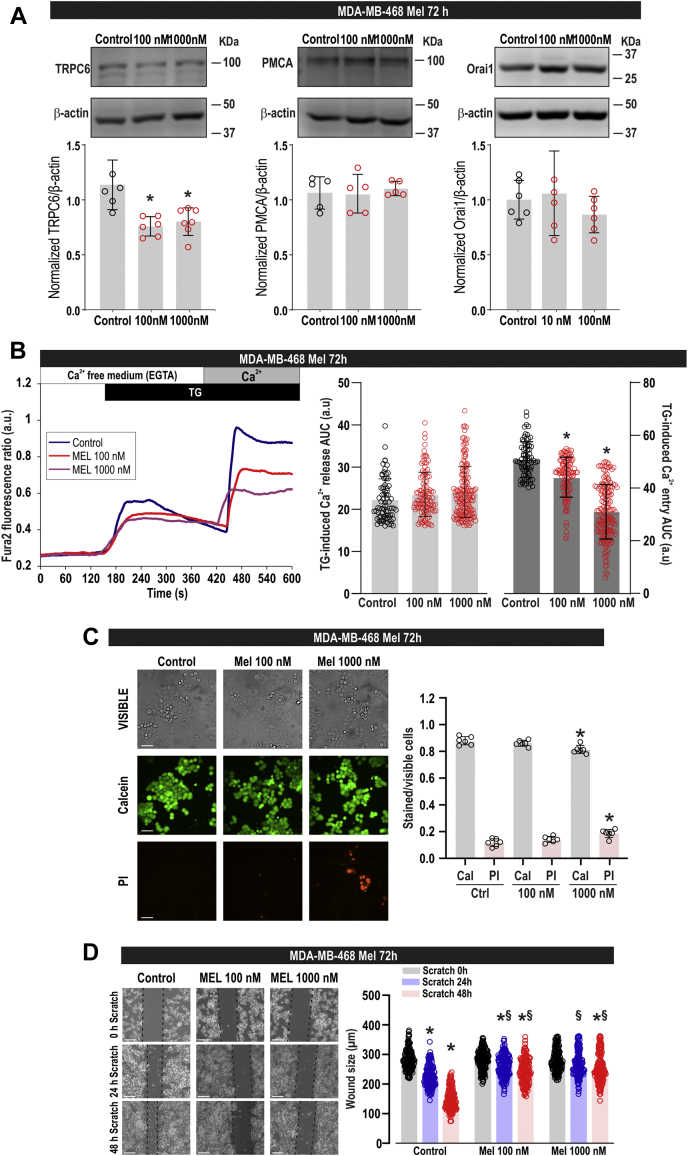
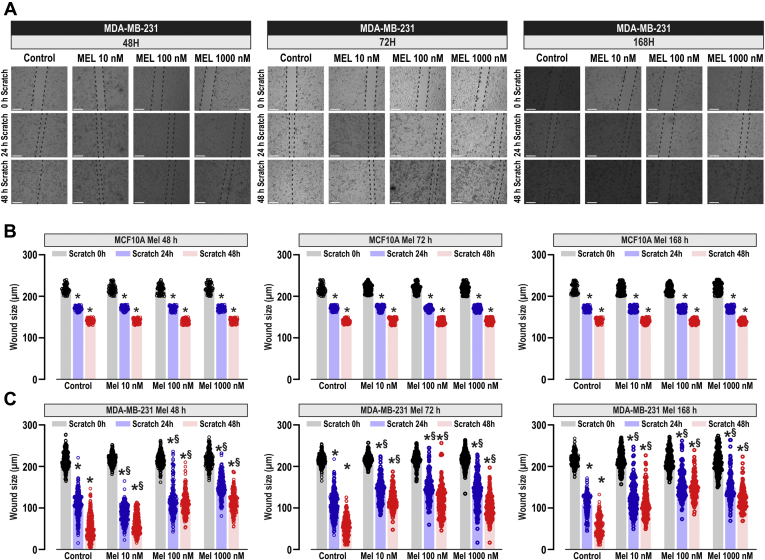
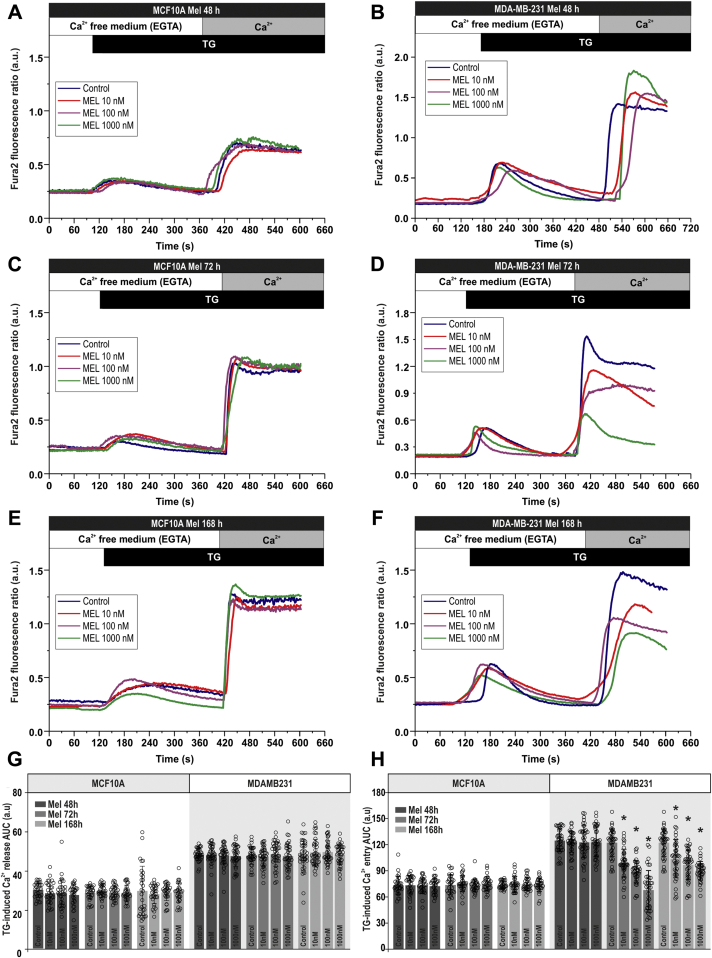
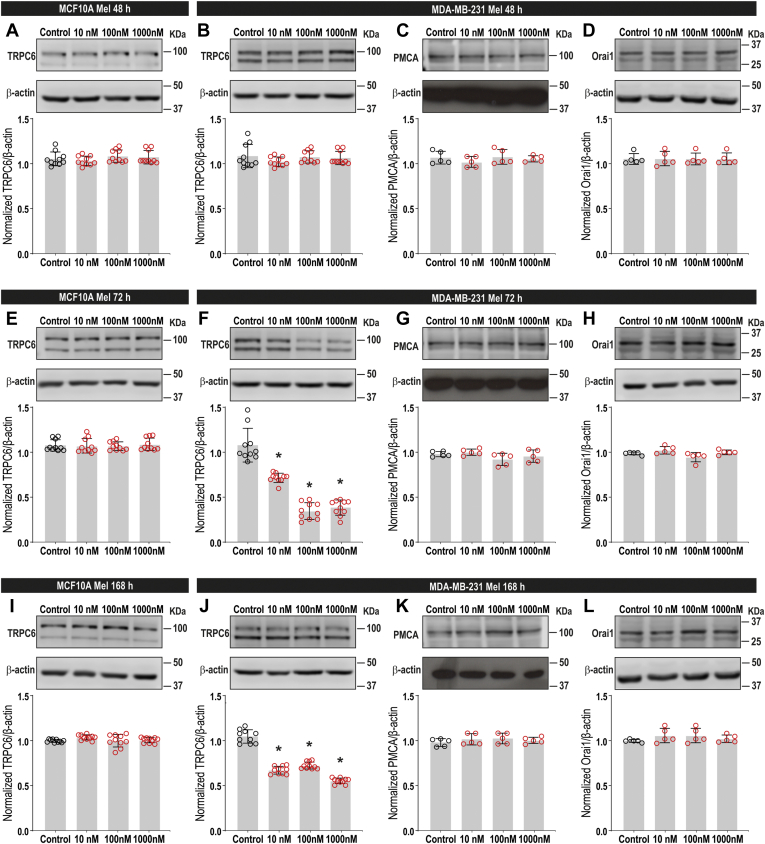
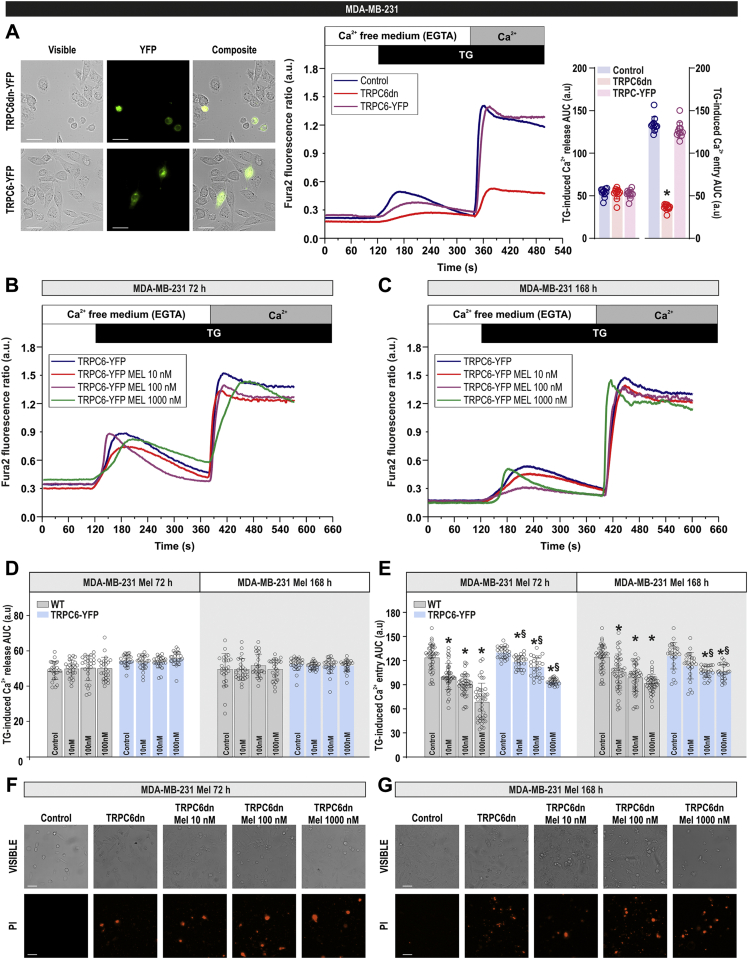
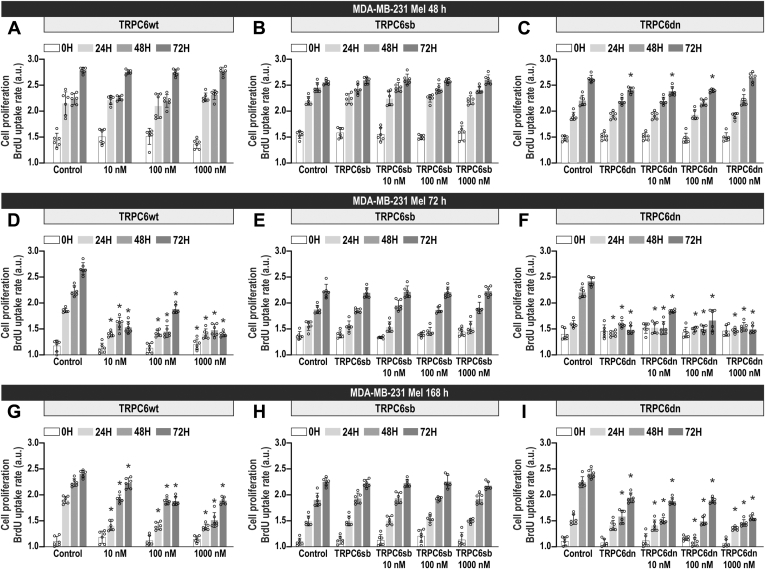
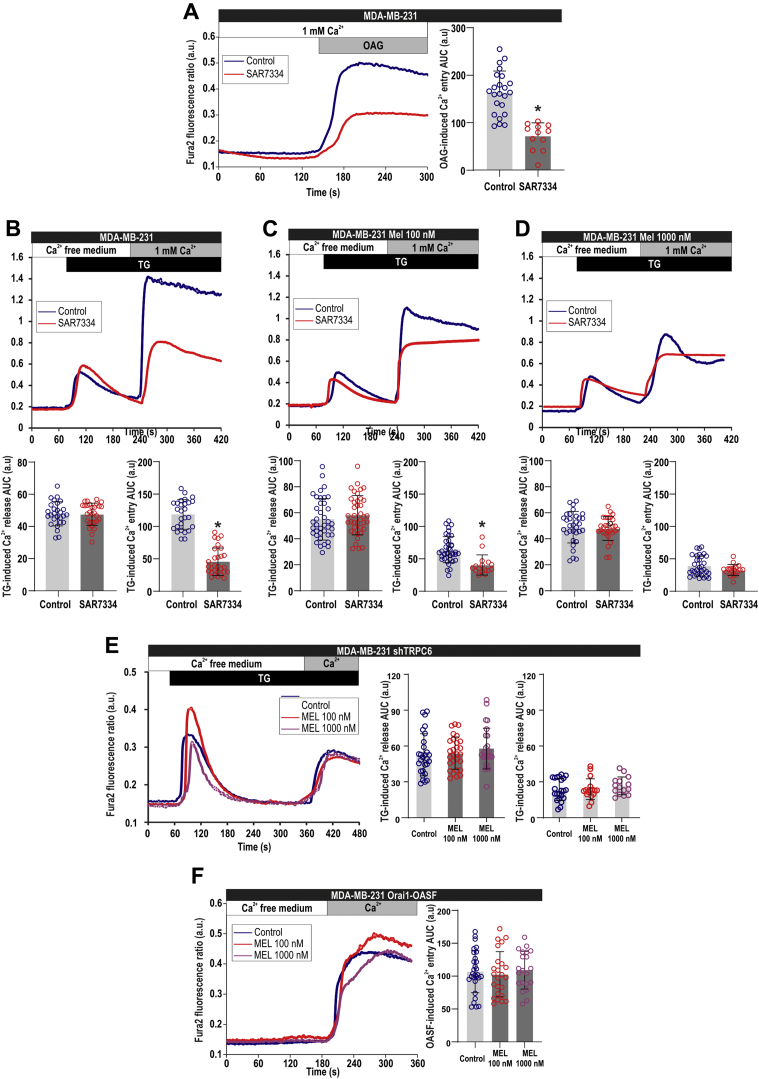
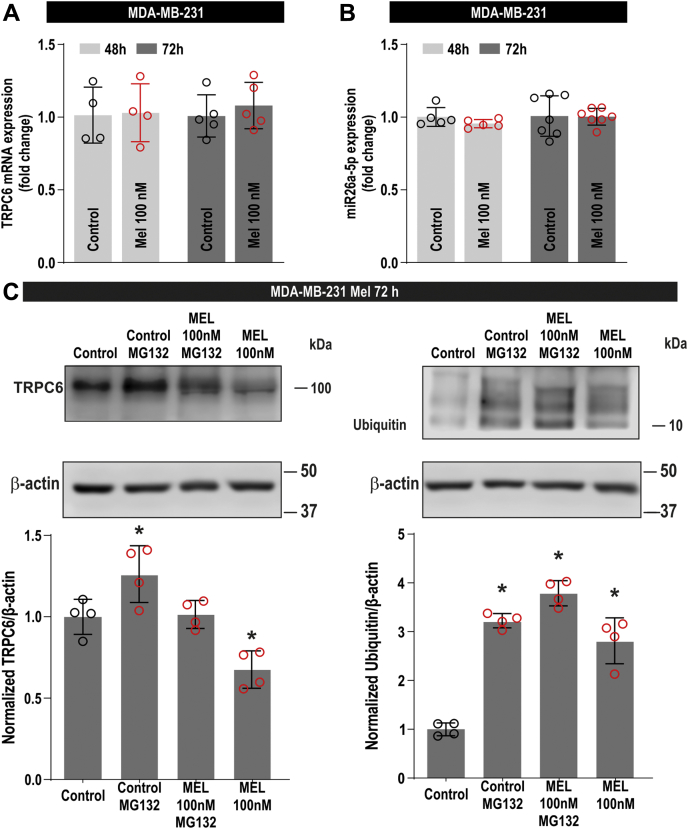
Melatonin has been reported to induce effective reduction in growth and development in a variety of tumors, including breast cancer. In triple-negative breast cancer (TNBC) cells, melatonin attenuates a variety of cancer features, such as tumor growth and apoptosis resistance, through a number of still poorly characterized mechanisms. One biological process that is important for TNBC cells is store-operated Ca entry (SOCE), which is modulated by TRPC6 expression and function. We wondered whether melatonin might intersect with this pathway as part of its anticancer activity. We show that melatonin, in the nanomolar range, significantly attenuates TNBC MDA-MB-231 cell viability, proliferation, and migration in a time- and concentration-dependent manner, without having any effect on nontumoral breast epithelial MCF10A cells. Pretreatment with different concentrations of melatonin significantly reduced SOCE in MDA-MB-231 cells without altering Ca release from the intracellular stores. By contrast, SOCE in MCF10A cells was unaffected by melatonin. In the TNBC MDA-MB-468 cell line, melatonin not only attenuated viability, migration, and SOCE, but also reduced TRPC6 expression in a time- and concentration-dependent manner, without altering expression or function of the Ca channel Orai1. The expression of exogenous TRPC6 overcame the effect of melatonin on SOCE and cell proliferation, and silencing or inhibition of TRPC6 impaired the inhibitory effect of melatonin on SOCE. These findings indicate that TRPC6 downregulation might be involved in melatonin's inhibitory effects on Ca influx and the maintenance of cancer hallmarks and point toward a novel antitumoral mechanism of melatonin in TNBC cells.
据报道,褪黑素能有效抑制多种肿瘤的生长和发展,包括乳腺癌。在三阴性乳腺癌(TNBC)细胞中,褪黑素通过一些仍未完全明确的机制减弱了多种癌症特征,如肿瘤生长和抗凋亡能力。对TNBC细胞来说,一个重要的生物学过程是储存式钙内流(SOCE),它由瞬时受体电位阳离子通道亚家族C成员6(TRPC6)的表达和功能调节。我们想知道褪黑素是否可能作为其抗癌活性的一部分与这条通路相互作用。我们发现,纳摩尔浓度范围的褪黑素能以时间和浓度依赖性方式显著减弱TNBC MDA-MB-231细胞的活力、增殖和迁移,而对非肿瘤性乳腺上皮MCF10A细胞没有任何影响。用不同浓度的褪黑素预处理可显著降低MDA-MB-231细胞中的SOCE,而不改变细胞内储存钙的释放。相比之下,MCF10A细胞中的SOCE不受褪黑素影响。在TNBC MDA-MB-468细胞系中,褪黑素不仅减弱了细胞活力、迁移和SOCE,还以时间和浓度依赖性方式降低了TRPC6的表达,而不改变钙通道Orai1的表达或功能。外源性TRPC6的表达克服了褪黑素对SOCE和细胞增殖的影响,而TRPC6的沉默或抑制则削弱了褪黑素对SOCE的抑制作用。这些发现表明,TRPC6的下调可能参与了褪黑素对钙内流的抑制作用以及癌症特征的维持,并指向了褪黑素在TNBC细胞中的一种新的抗肿瘤机制。