Cao Wen, Zhang Cong, Chen Rong, Wu Qianqian, Xu Renhao, Zhang Lan, Zhang Xiangjian
Department of Neurology, Second Hospital of Hebei Medical University, Shijiazhuang, Hebei 050000, People's Republic of China.
Hebei Collaborative Innovation Center for Cardio-Cerebrovascular Disease, Shijiazhuang, Hebei 050000, People's Republic of China.
Neuropsychiatr Dis Treat. 2020 Dec 23;16:3209-3224. doi: 10.2147/NDT.S289990. eCollection 2020.
Strokes are devastating as there are no current therapies to prevent long-term neurological deficits. Previous studies reported that cerebroprotein hydrolysate (CH) plays a role in neuronal protection in acute phase after ischemic stroke, while the long-term effects of CH upon brain plasticity and neurological outcomes after stroke are still uncertain. To address these gaps, we assessed the effect of a new cerebroprotein hydrolysate, CH1, on long-term gray and white matter integrity as well as axonal plasticity in the late phase after ischemic stroke and the potential mechanisms.
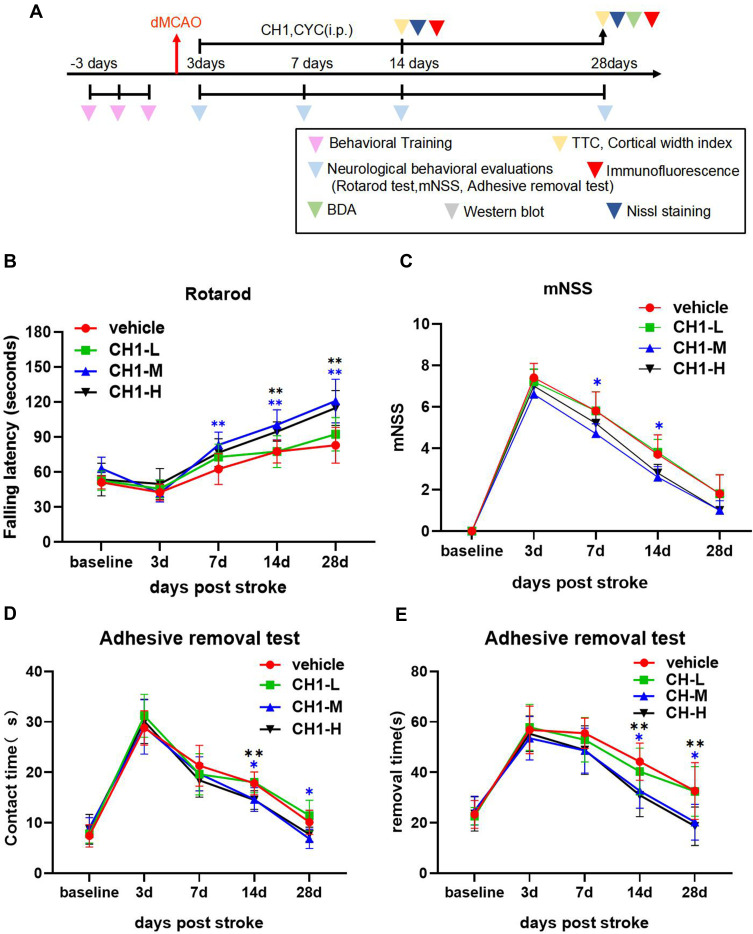
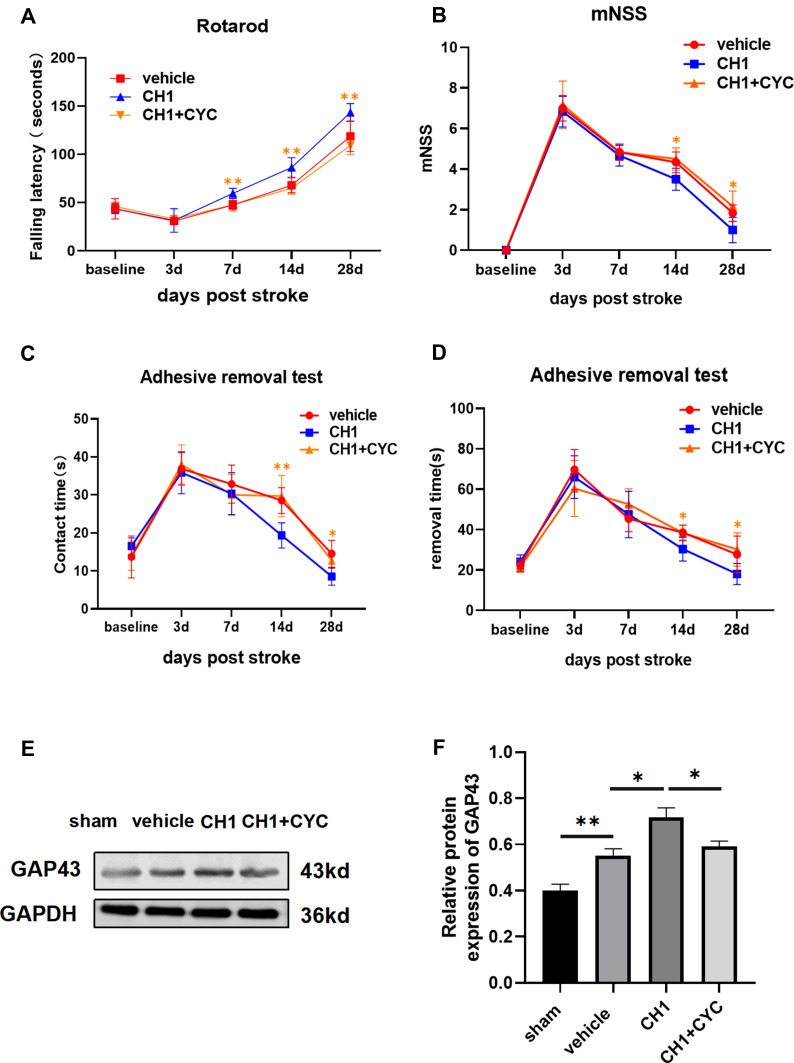
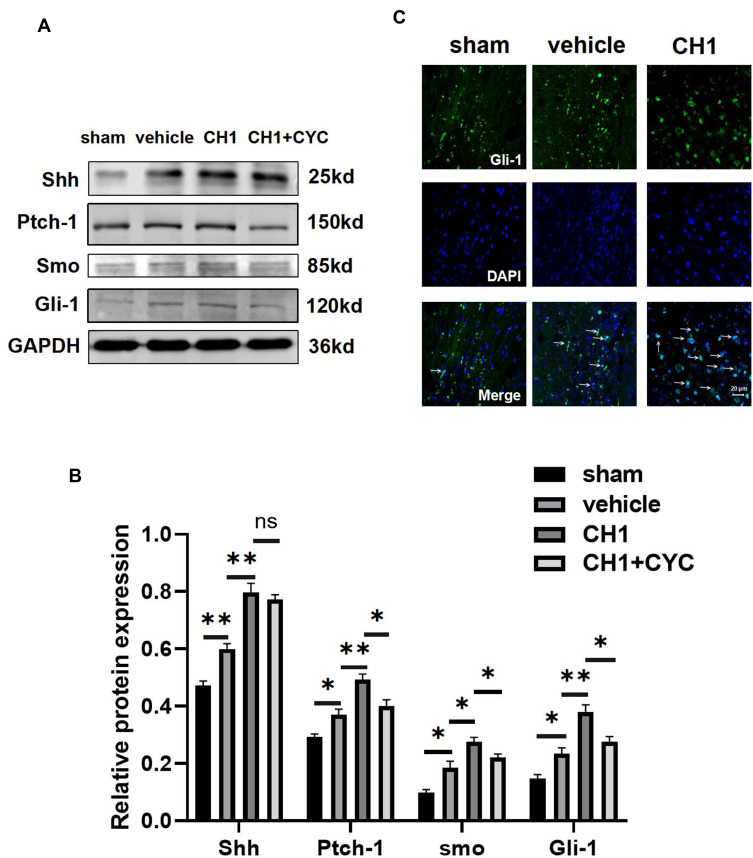
Adult male mice were subjected to permanent distal middle cerebral artery occlusion (dMCAO), followed by daily intraperitoneal injection of CH1 for 14 days. Motor function was measured weekly through behavioral neurological evaluations. Gray matter intensity and white matter intensity were examined by immunofluorescence staining. The sonic hedgehog (Shh) inhibitor cyclopamine (CYC) was injected to determine the involvement of the Shh pathway in the therapeutic effects of CH1.
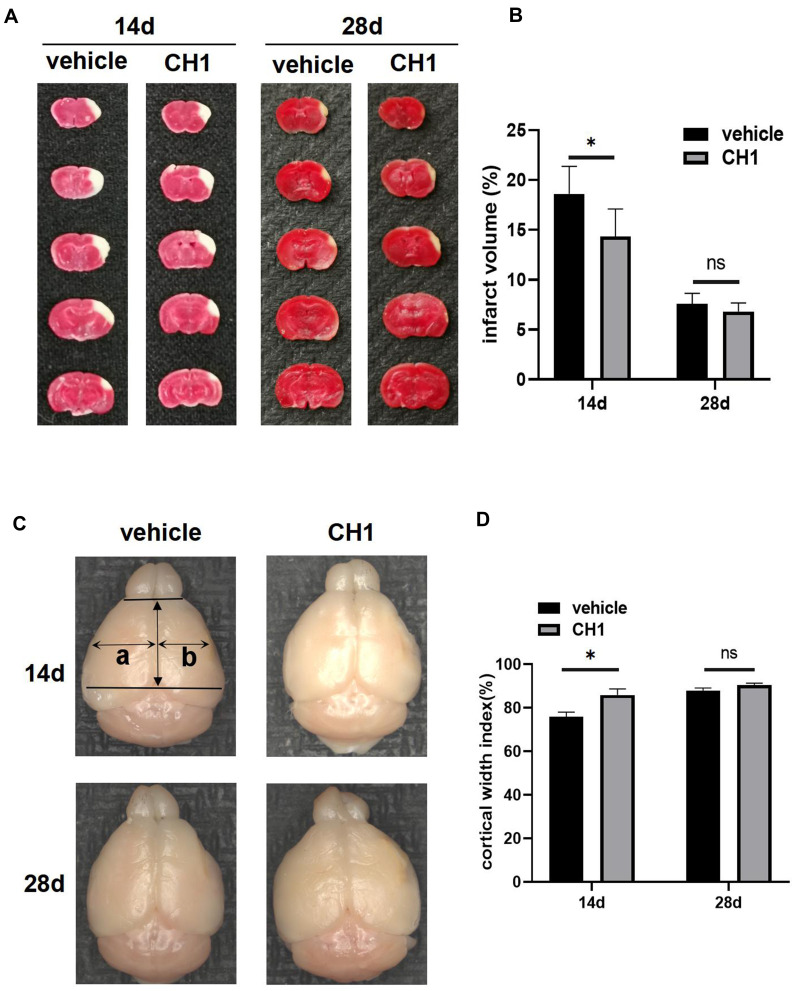
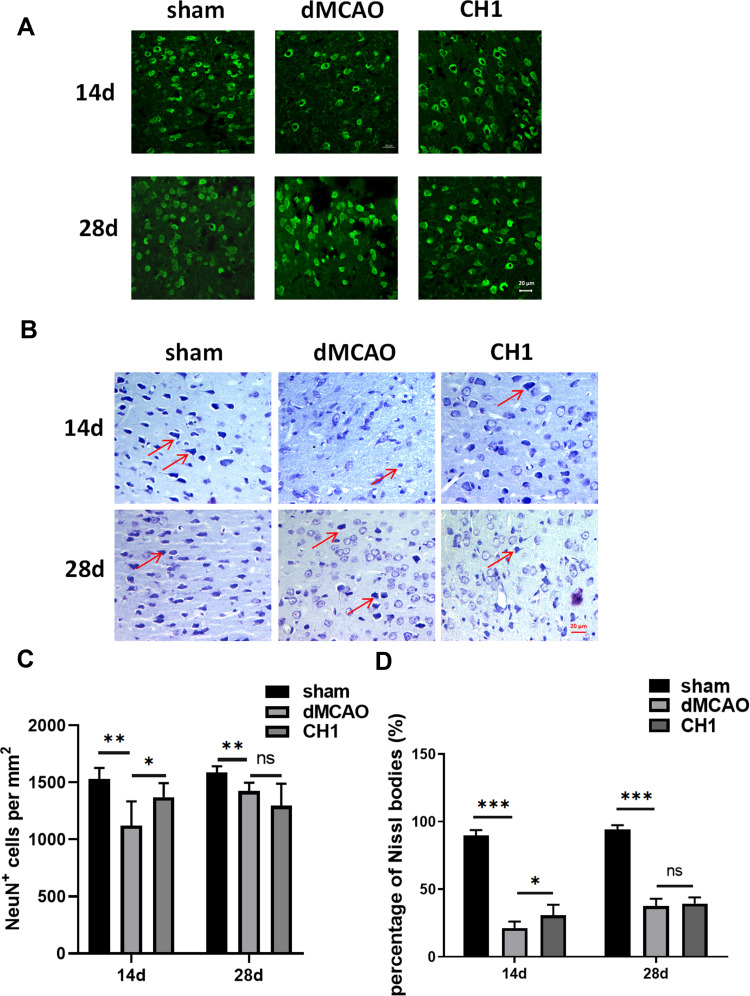
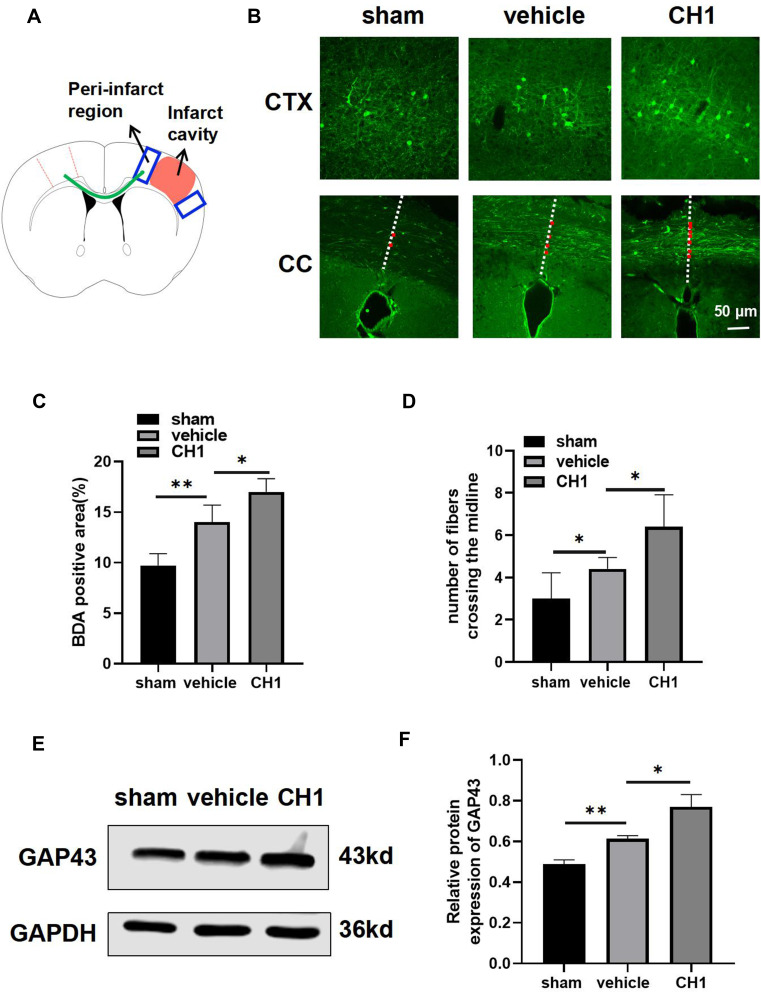
We found that intraperitoneal delivery of CH1, compared to vehicle administration, significantly improved long-term neurological outcomes at various times and promoted neuronal viability at 14 days but not at 28 days after stroke. Importantly, CH1 mitigated stroke-induced white matter injury and facilitated axonal plasticity in the late stage after stroke.
These results unveil a previously unappreciated role for CH in the repair of white matter and brain plasticity after stroke.
中风具有毁灭性,因为目前尚无预防长期神经功能缺损的疗法。先前的研究报告称,脑蛋白水解物(CH)在缺血性中风急性期的神经元保护中发挥作用,而CH对中风后脑可塑性和神经功能结局的长期影响仍不确定。为填补这些空白,我们评估了一种新型脑蛋白水解物CH1对缺血性中风后期长期灰质和白质完整性以及轴突可塑性的影响及其潜在机制。
成年雄性小鼠接受永久性大脑中动脉远端闭塞(dMCAO),随后每天腹腔注射CH1,持续14天。每周通过行为神经学评估测量运动功能。通过免疫荧光染色检查灰质强度和白质强度。注射音猬因子(Shh)抑制剂环杷明(CYC)以确定Shh通路是否参与CH1的治疗作用。
我们发现,与给予赋形剂相比,腹腔注射CH1在不同时间显著改善了长期神经功能结局,并在中风后14天而非28天促进了神经元活力。重要的是,CH1减轻了中风诱导的白质损伤,并在中风后期促进了轴突可塑性。
这些结果揭示了CH在中风后白质修复和脑可塑性方面此前未被认识到的作用。