Translational Research in Gastrointestinal Disorders (TARGID), Department of Chronic Diseases, Metabolism and Ageing (Chrometa), KU Leuven, Leuven, Flanders, Belgium.
Translational Research in Gastrointestinal Disorders (TARGID), Department of Chronic Diseases, Metabolism and Ageing (Chrometa), KU Leuven, Leuven, Flanders, Belgium
Gut. 2021 Jul;70(7):1383-1395. doi: 10.1136/gutjnl-2020-323121. Epub 2020 Dec 31.
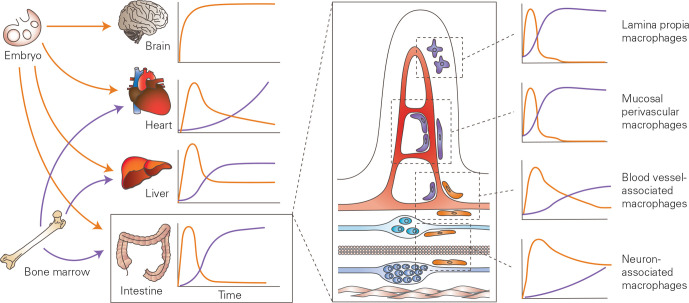
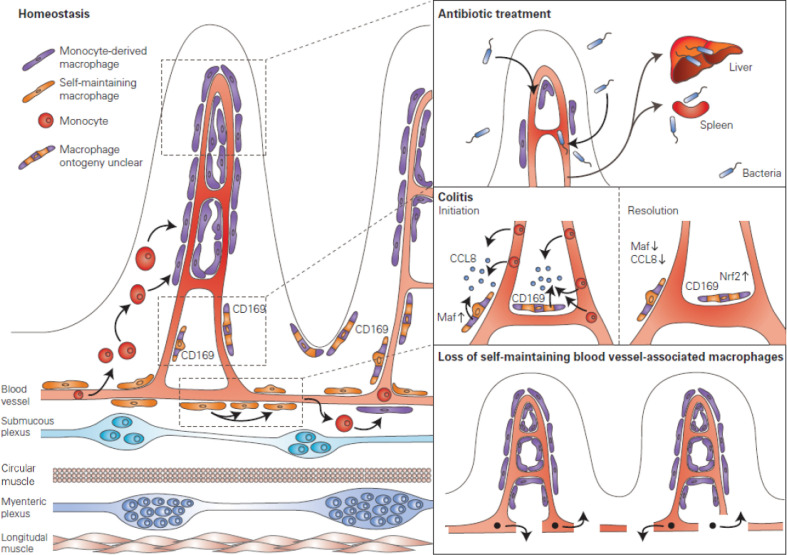
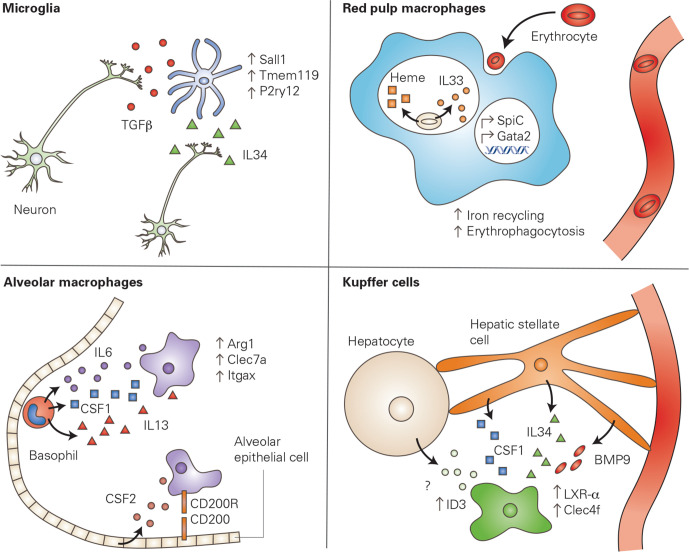
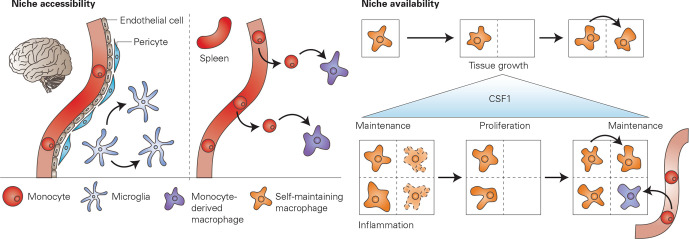
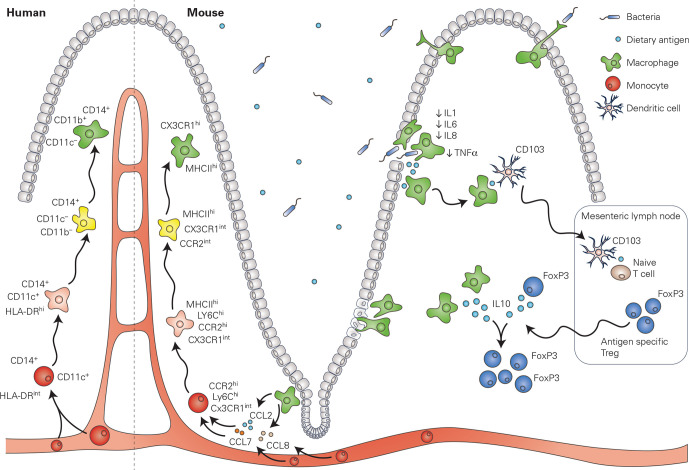
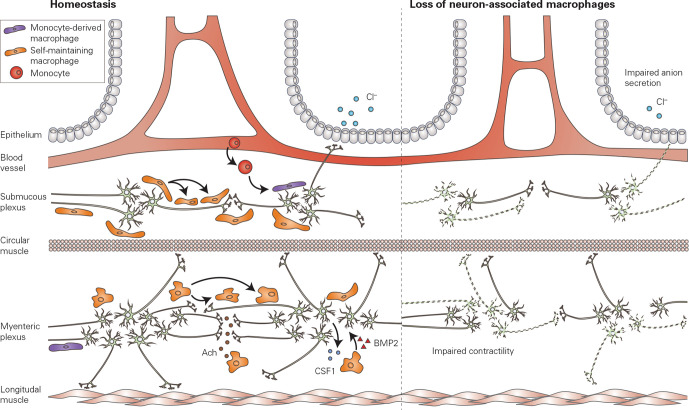
Intestinal resident macrophages are at the front line of host defence at the mucosal barrier within the gastrointestinal tract and have long been known to play a crucial role in the response to food antigens and bacteria that are able to penetrate the mucosal barrier. However, recent advances in single-cell RNA sequencing technology have revealed that resident macrophages throughout the gut are functionally specialised to carry out specific roles in the niche they occupy, leading to an unprecedented understanding of the heterogeneity and potential biological functions of these cells. This review aims to integrate these novel findings with long-standing knowledge, to provide an updated overview on our understanding of macrophage function in the gastrointestinal tract and to speculate on the role of specialised subsets in the context of homoeostasis and disease.
肠道常驻巨噬细胞位于胃肠道黏膜屏障的宿主防御第一线,长期以来一直被认为在对能够穿透黏膜屏障的食物抗原和细菌的反应中发挥着至关重要的作用。然而,单细胞 RNA 测序技术的最新进展揭示了肠道内的常驻巨噬细胞在其所处的生态位中具有功能特化,以执行特定的功能,从而对这些细胞的异质性和潜在生物学功能有了前所未有的了解。本综述旨在将这些新发现与长期以来的知识相结合,提供对胃肠道中巨噬细胞功能的最新认识,并推测在稳态和疾病背景下特化亚群的作用。