Department of Pathology and Laboratory Medicine, Institute On Aging and Center for Neurodegenerative Disease Research, University of Pennsylvania School of Medicine, Philadelphia, PA, 19104, USA.
Department of Pathology and Laboratory Medicine, Penn Neurodegeneration Genomics Center, University of Pennsylvania School of Medicine, Philadelphia, PA, 19104, USA.
Acta Neuropathol. 2021 Feb;141(2):193-215. doi: 10.1007/s00401-020-02253-4. Epub 2021 Jan 1.
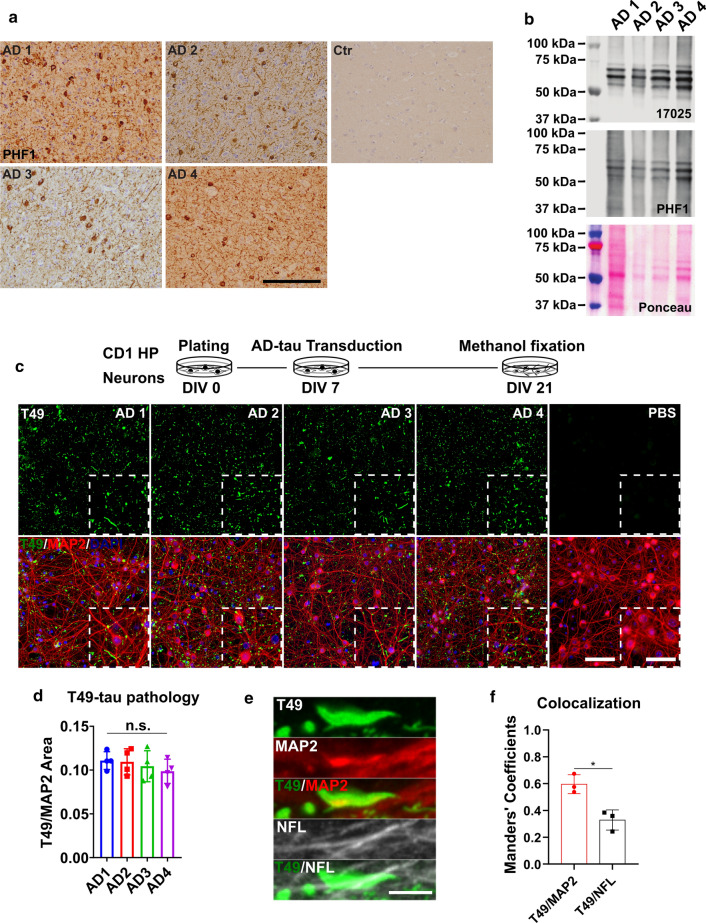
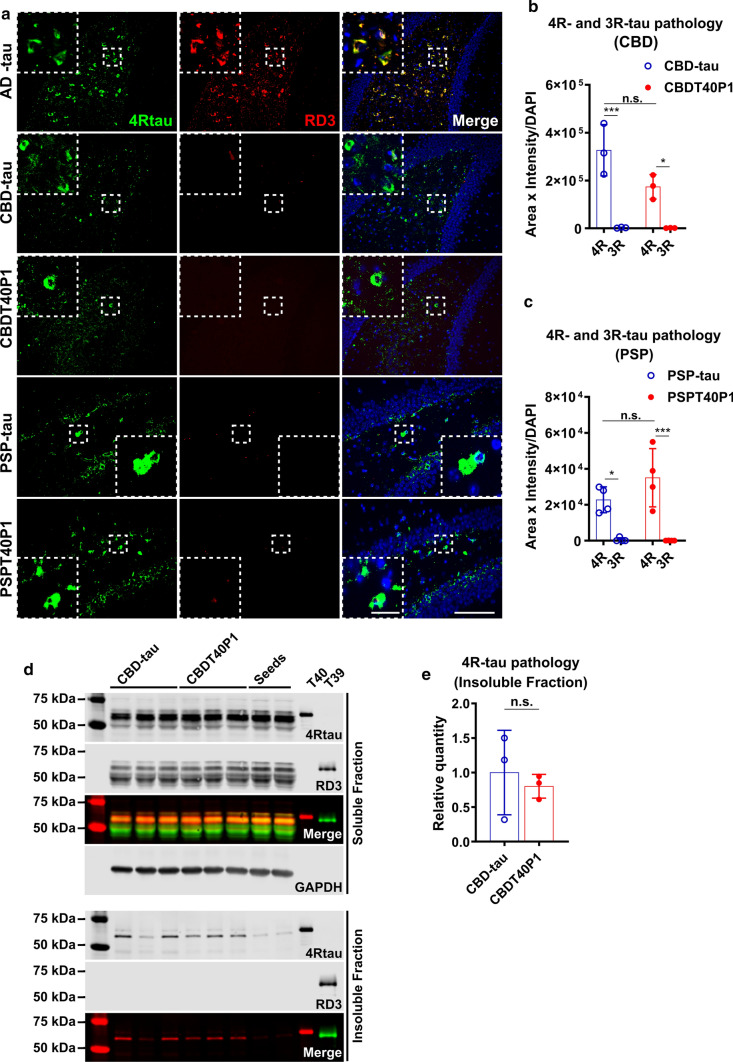
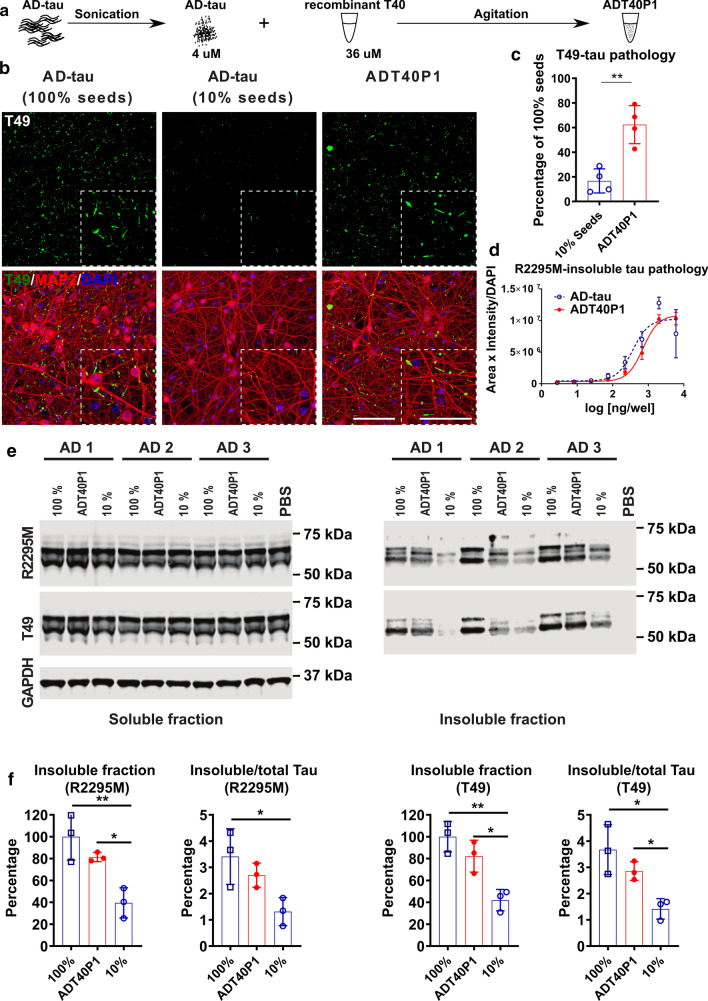
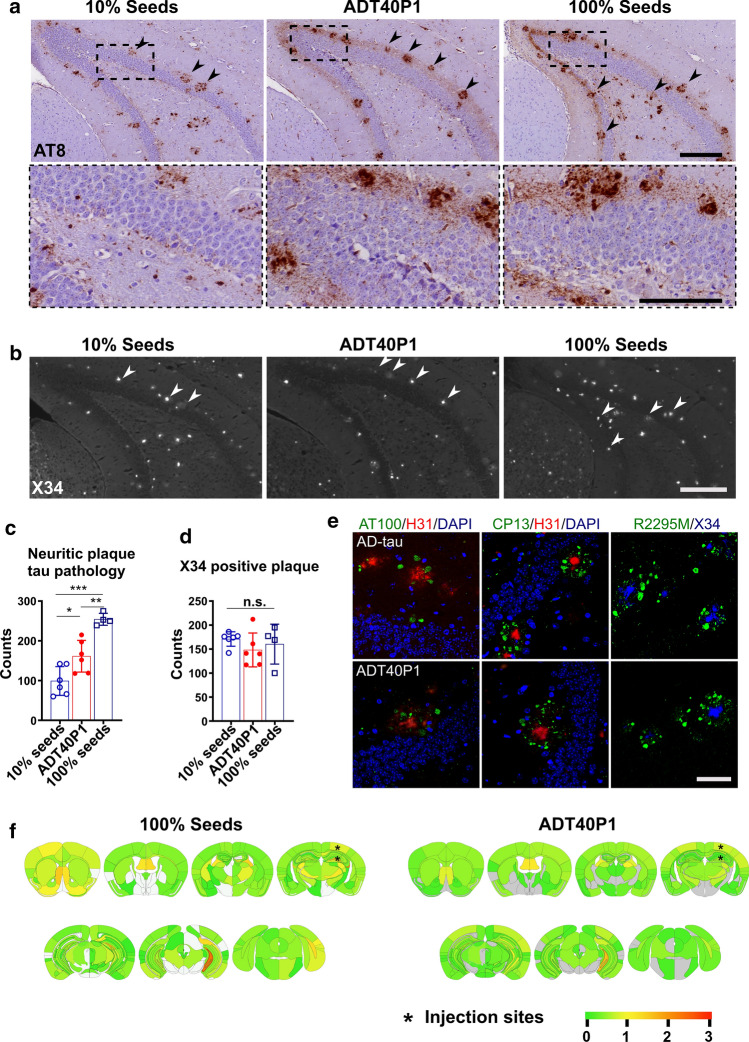
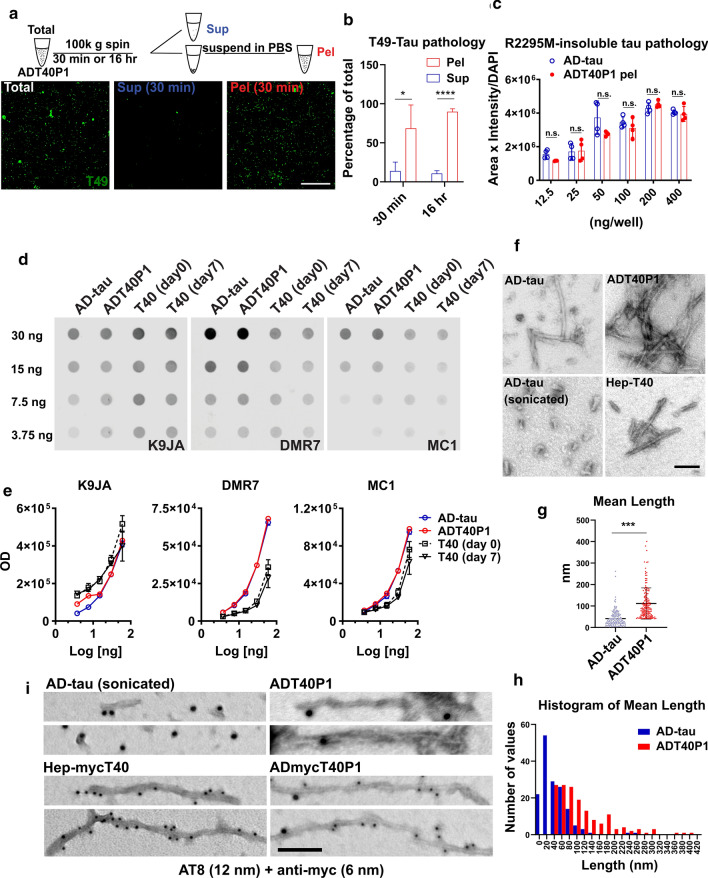
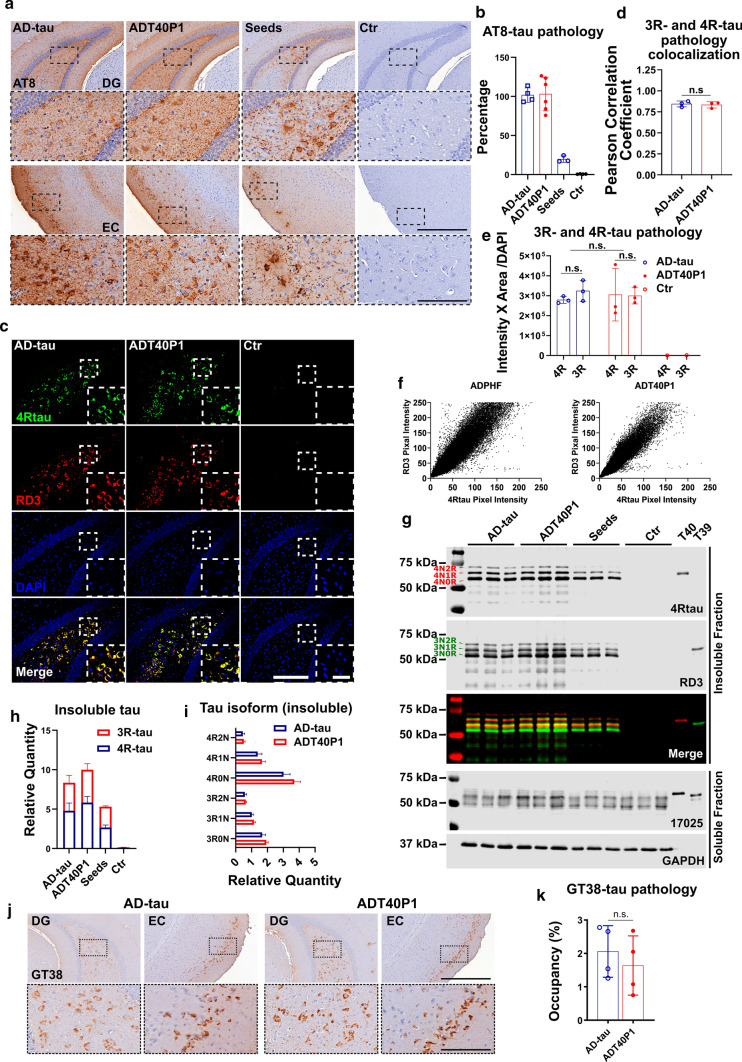
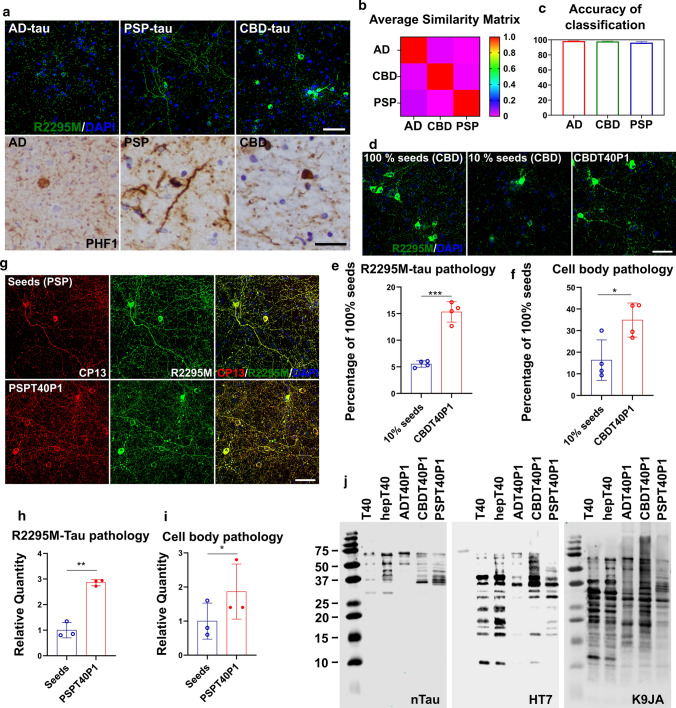
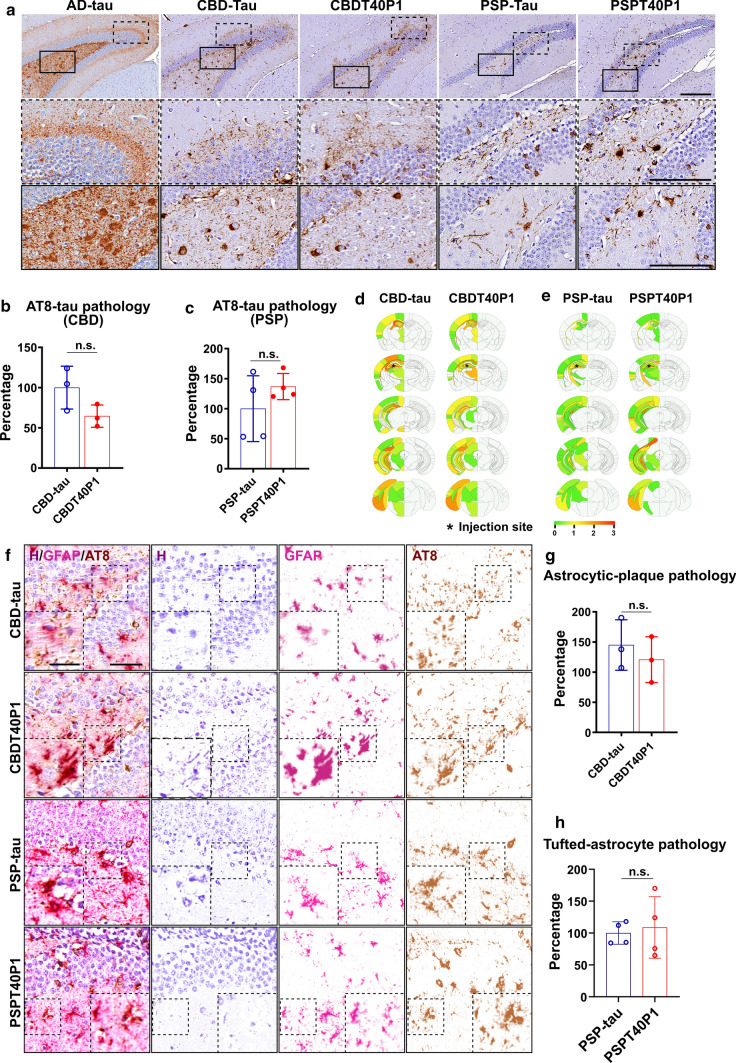
The microtubule-associated protein tau (tau) forms hyperphosphorylated aggregates in the brains of tauopathy patients that can be pathologically and biochemically defined as distinct tau strains. Recent studies show that these tau strains exhibit strain-specific biological activities, also referred to as pathogenicities, in the tau spreading models. Currently, the specific pathogenicity of human-derived tau strains cannot be fully recapitulated by synthetic tau preformed fibrils (pffs), which are generated from recombinant tau protein. Reproducing disease-relevant tau pathology in cell and animal models necessitates the use of human brain-derived tau seeds. However, the availability of human-derived tau is extremely limited. Generation of tau variants that can mimic the pathogenicity of human-derived tau seeds would significantly extend the scale of experimental design within the field of tauopathy research. Previous studies have demonstrated that in vitro seeding reactions can amplify the beta-sheet structure of tau protein from a minute quantity of human-derived tau. However, whether the strain-specific pathogenicities of the original, human-derived tau seeds are conserved in the amplified tau strains has yet to be experimentally validated. Here, we used biochemically enriched brain-derived tau seeds from Alzheimer's disease (AD), corticobasal degeneration (CBD) and progressive supranuclear palsy (PSP) patient brains with a modified seeding protocol to template the recruitment of recombinant 2N4R (T40) tau in vitro. We quantitatively interrogated efficacy of the amplification reactions and the pathogenic fidelity of the amplified material to the original tau seeds using recently developed sporadic tau spreading models. Our data suggest that different tau strains can be faithfully amplified in vitro from tau isolated from different tauopathy brains and that the amplified tau variants retain their strain-dependent pathogenic characteristics.
微管相关蛋白 tau(tau)在 tau 病患者的大脑中形成过度磷酸化的聚集体,这些聚集体可以在病理和生化上定义为不同的 tau 株。最近的研究表明,这些 tau 株在 tau 传播模型中表现出菌株特异性的生物学活性,也称为致病性。目前,源自重组 tau 蛋白的合成 tau 预形成纤维(pff)不能完全再现人类来源的 tau 株的特定致病性。在细胞和动物模型中再现与疾病相关的 tau 病理学需要使用源自人脑的 tau 种子。然而,人类来源的 tau 的可用性极其有限。产生能够模拟人类来源的 tau 种子致病性的 tau 变体将极大地扩展 tau 病研究领域的实验设计规模。以前的研究表明,体外接种反应可以从微量的人类来源的 tau 中放大 tau 蛋白的β-折叠结构。然而,原始的、人类来源的 tau 种子的菌株特异性致病性是否在放大的 tau 株中得到保留,尚未通过实验验证。在这里,我们使用从阿尔茨海默病(AD)、皮质基底节变性(CBD)和进行性核上性麻痹(PSP)患者大脑中分离出的经过生物化学富集的 tau 种子,并使用改良的接种方案,模板体外募集重组 2N4R(T40)tau。我们使用最近开发的散发性 tau 传播模型,定量研究了扩增反应的效力和扩增物质对原始 tau 种子的致病性保真度。我们的数据表明,不同的 tau 株可以从不同 tau 病大脑中分离出的 tau 中在体外忠实地放大,并且放大的 tau 变体保留其菌株依赖性的致病性特征。