Kemp S A, Collier D A, Datir R, Ferreira Iatm, Gayed S, Jahun A, Hosmillo M, Rees-Spear C, Mlcochova P, Lumb Ines Ushiro, Roberts David J, Chandra Anita, Temperton N, Sharrocks K, Blane E, Briggs Jag, van Gils Mj, Smith Kgc, Bradley J R, Smith C, Doffinger R, Ceron-Gutierrez L, Barcenas-Morales G, Pollock D D, Goldstein R A, Smielewska A, Skittrall J P, Gouliouris T, Goodfellow I G, Gkrania-Klotsas E, Illingworth Cjr, McCoy L E, Gupta R K
Division of Infection and Immunity, University College London, London, UK.
Cambridge Institute of Therapeutic Immunology & Infectious Disease (CITIID), Cambridge, UK.
medRxiv. 2020 Dec 29:2020.12.05.20241927. doi: 10.1101/2020.12.05.20241927.
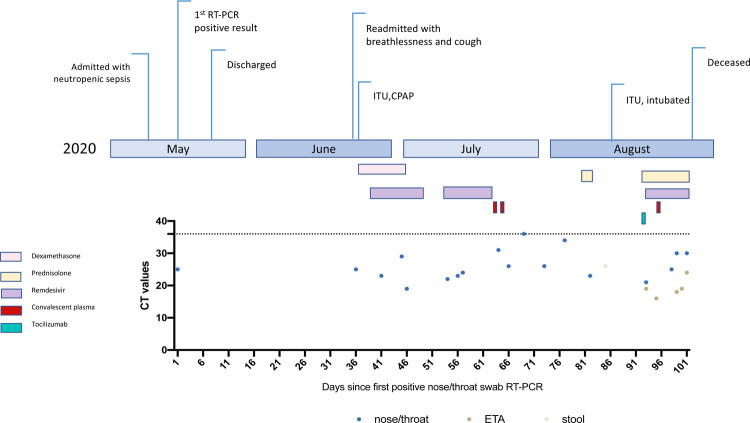
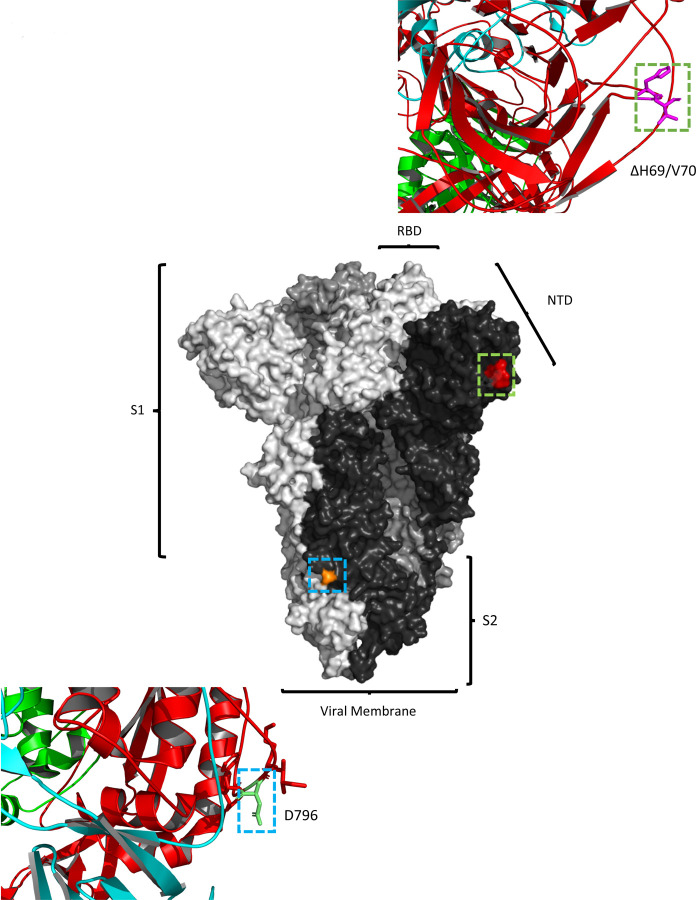
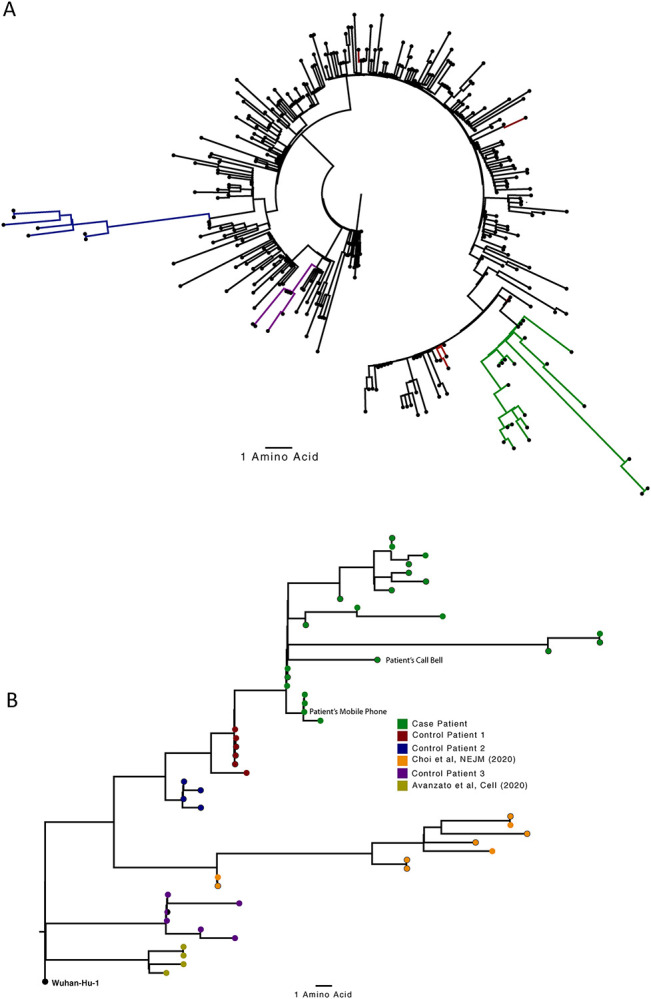
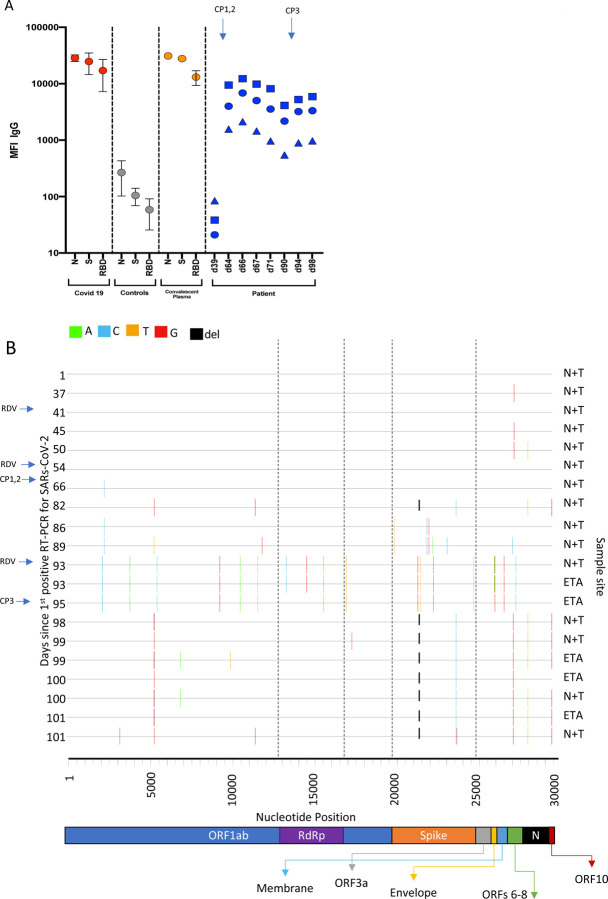
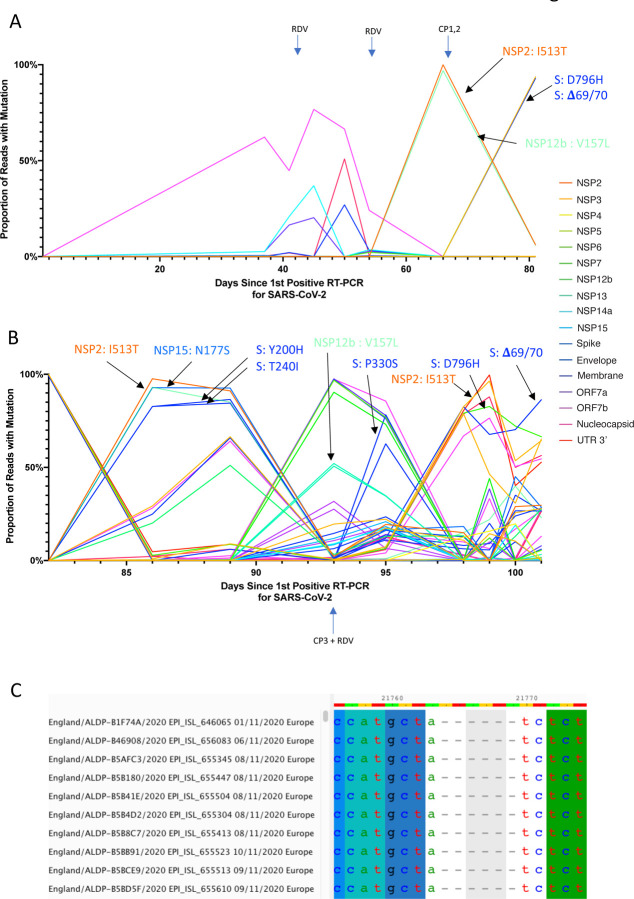
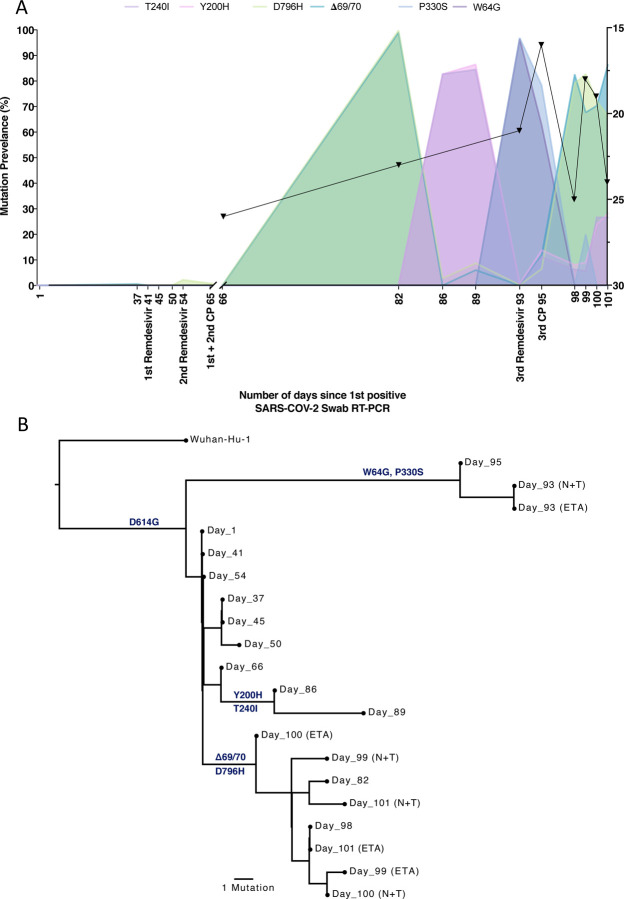
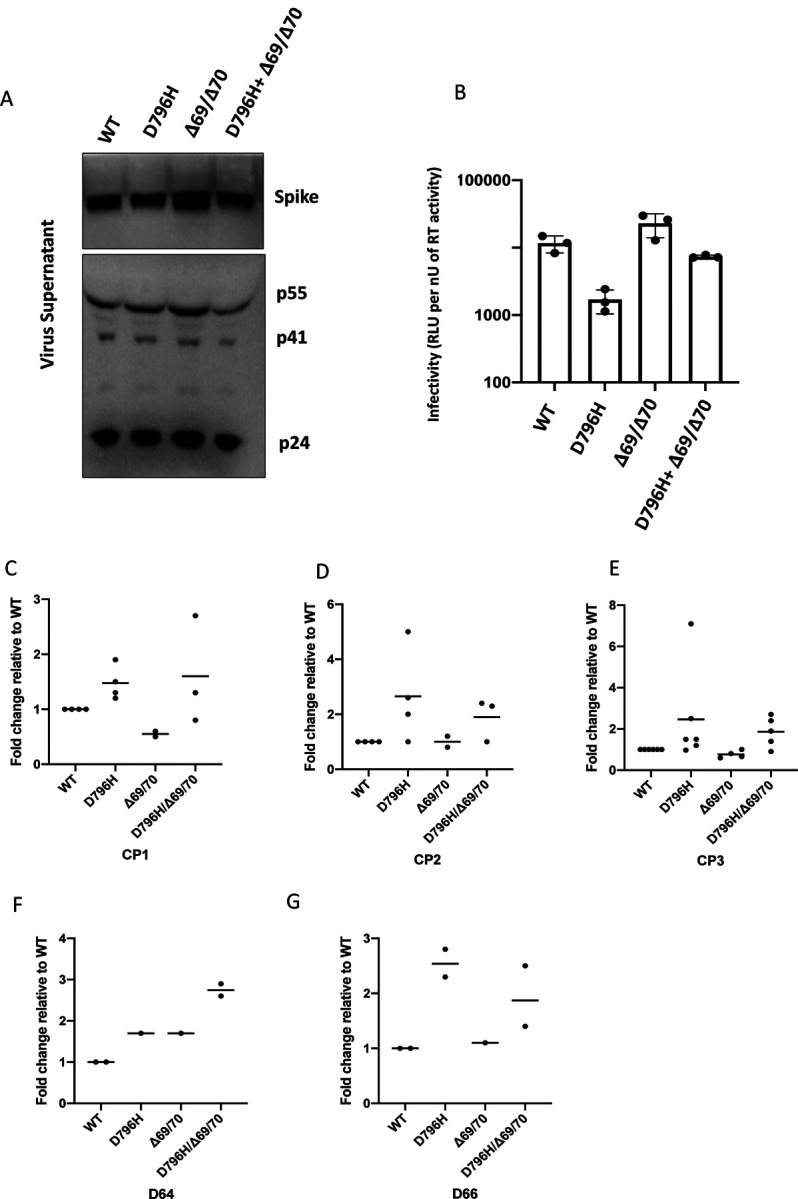
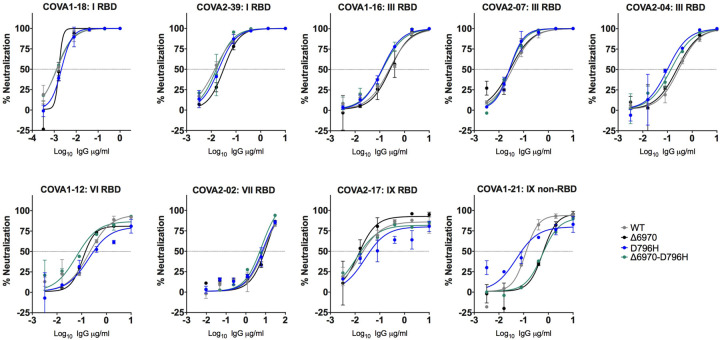
SARS-CoV-2 Spike protein is critical for virus infection via engagement of ACE2, and amino acid variation in Spike is increasingly appreciated. Given both vaccines and therapeutics are designed around Wuhan-1 Spike, this raises the theoretical possibility of virus escape, particularly in immunocompromised individuals where prolonged viral replication occurs. Here we report chronic SARS-CoV-2 with reduced sensitivity to neutralising antibodies in an immune suppressed individual treated with convalescent plasma, generating whole genome ultradeep sequences by both short and long read technologies over 23 time points spanning 101 days. Although little change was observed in the overall viral population structure following two courses of remdesivir over the first 57 days, N501Y in Spike was transiently detected at day 55 and V157L in RdRp emerged. However, following convalescent plasma we observed large, dynamic virus population shifts, with the emergence of a dominant viral strain bearing D796H in S2 and H69/V70 in the S1 N-terminal domain NTD of the Spike protein. As passively transferred serum antibodies diminished, viruses with the escape genotype diminished in frequency, before returning during a final, unsuccessful course of convalescent plasma. , the Spike escape double mutant bearing H69/V70 and D796H conferred decreased sensitivity to convalescent plasma, whilst maintaining infectivity similar to wild type. D796H appeared to be the main contributor to decreased susceptibility, but incurred an infectivity defect. The H69/V70 single mutant had two-fold higher infectivity compared to wild type and appeared to compensate for the reduced infectivity of D796H. Consistent with the observed mutations being outside the RBD, monoclonal antibodies targeting the RBD were not impacted by either or both mutations, but a non RBD binding monoclonal antibody was less potent against H69/V70 and the double mutant. These data reveal strong selection on SARS-CoV-2 during convalescent plasma therapy associated with emergence of viral variants with reduced susceptibility to neutralising antibodies.
严重急性呼吸综合征冠状病毒2(SARS-CoV-2)刺突蛋白通过与血管紧张素转换酶2(ACE2)结合对病毒感染至关重要,并且刺突蛋白中的氨基酸变异越来越受到重视。鉴于疫苗和治疗方法都是围绕武汉-1株刺突蛋白设计的,这增加了病毒逃逸的理论可能性,尤其是在发生长时间病毒复制的免疫受损个体中。在此,我们报告了一名接受康复期血浆治疗的免疫抑制个体中对中和抗体敏感性降低的慢性SARS-CoV-2感染情况,通过短读长和长读长技术在跨越101天的23个时间点生成了全基因组超深度序列。尽管在最初57天内接受两疗程瑞德西韦治疗后,总体病毒群体结构几乎没有变化,但在第55天短暂检测到刺突蛋白中的N501Y,且RNA依赖的RNA聚合酶(RdRp)中出现了V157L。然而,在接受康复期血浆治疗后,我们观察到病毒群体发生了大规模、动态的变化,出现了一种优势病毒株,其刺突蛋白的S2区域携带D796H,S1 N端结构域(NTD)携带H69/V70。随着被动转移的血清抗体减少,具有逃逸基因型的病毒频率降低,在最后一次未成功的康复期血浆治疗过程中又再次出现。携带H69/V70和D796H的刺突蛋白逃逸双突变体对康复期血浆的敏感性降低,同时保持与野生型相似的感染性。D796H似乎是敏感性降低的主要原因,但导致了感染性缺陷。H69/V70单突变体的感染性比野生型高两倍,似乎弥补了D796H感染性的降低。与观察到的突变位于受体结合域(RBD)之外一致,靶向RBD的单克隆抗体不受这一个或两个突变的影响,但一种非RBD结合单克隆抗体对H69/V70和双突变体的效力较低。这些数据揭示了在康复期血浆治疗期间对SARS-CoV-2有强烈的选择作用,与对中和抗体敏感性降低的病毒变体出现有关。