Kimmel Center for Biology and Medicine at the Skirball Institute, New York University School of Medicine, New York, NY 10016, USA.
The Sackler Institute of Graduate Biomedical Sciences, New York University School of Medicine, New York, NY 10016, USA.
Theranostics. 2021 Jan 1;11(4):1594-1608. doi: 10.7150/thno.48067. eCollection 2021.
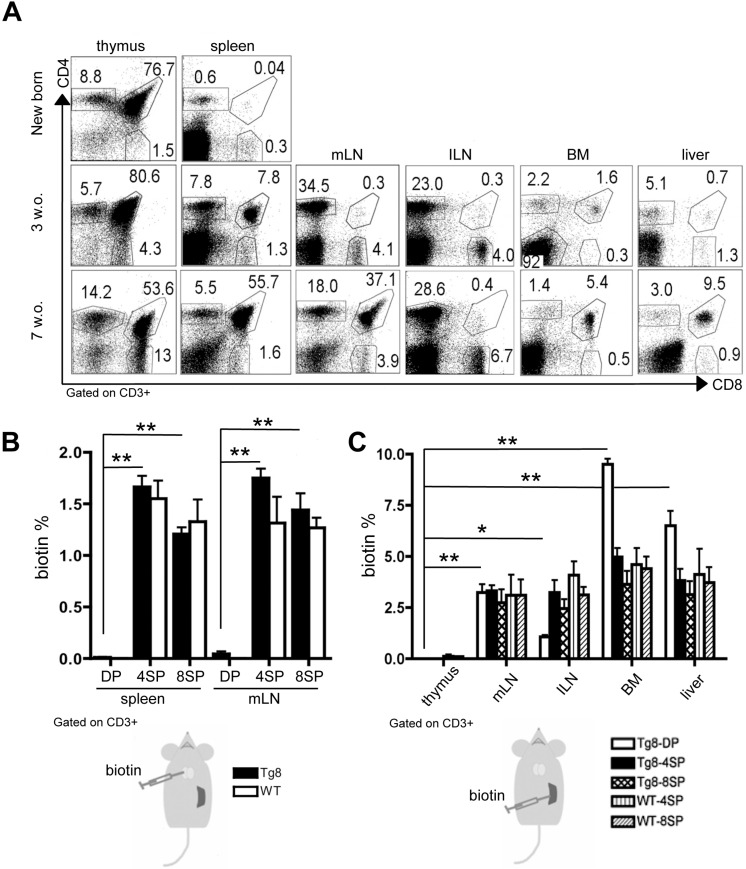
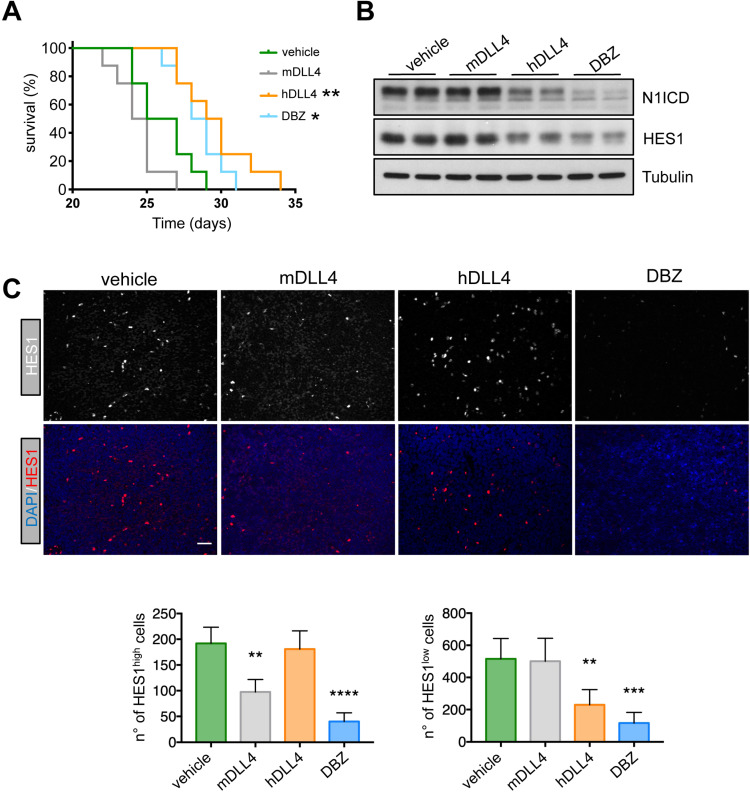
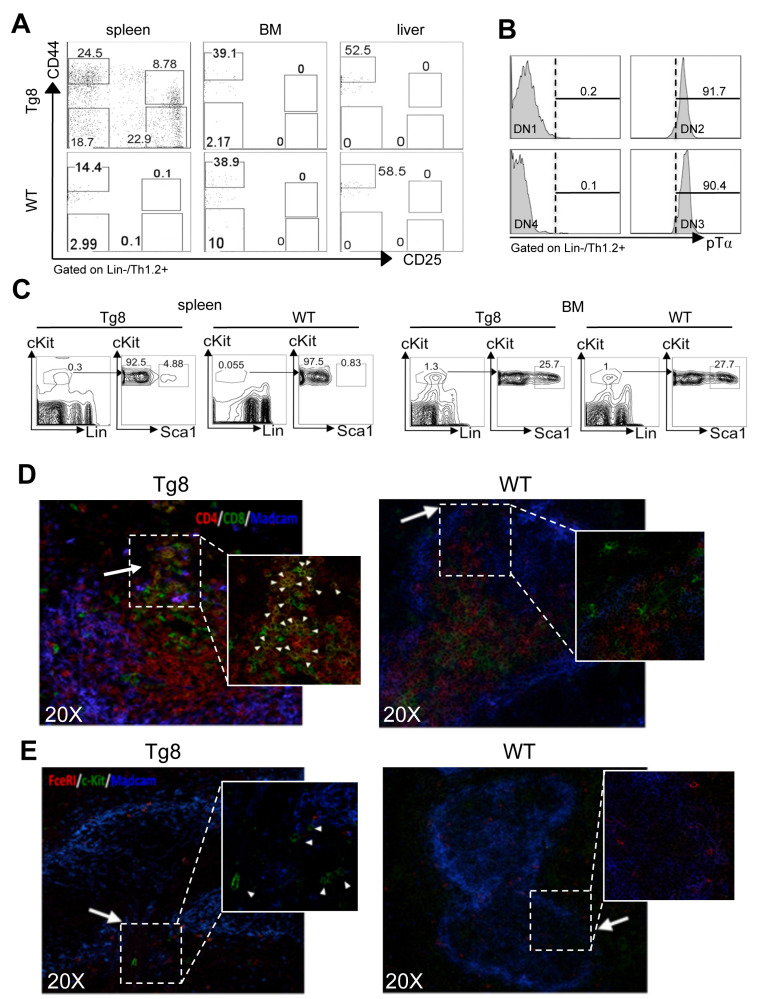
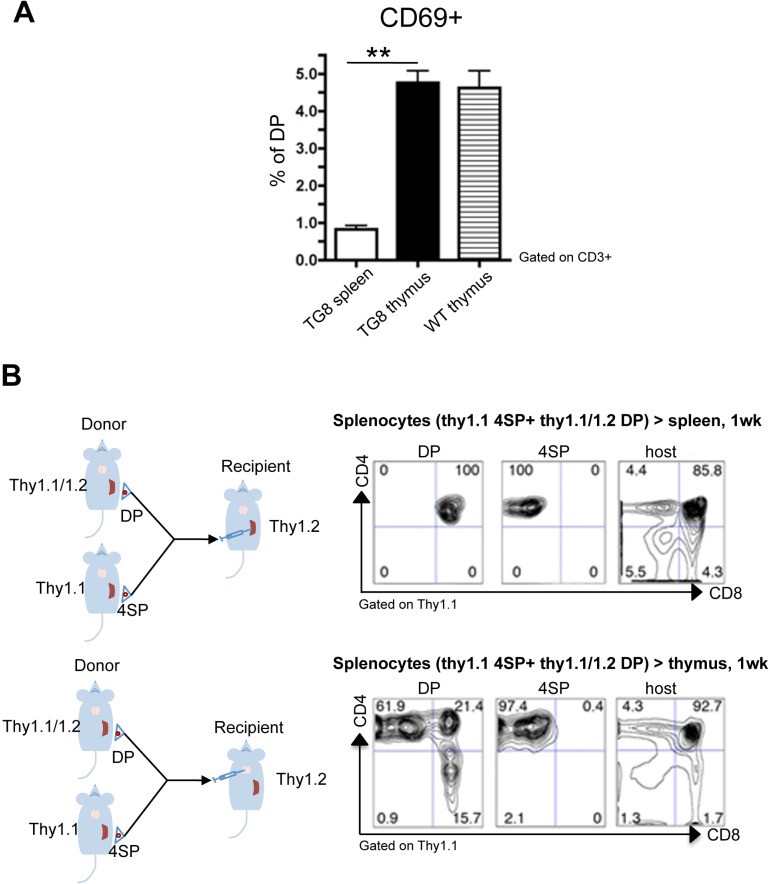
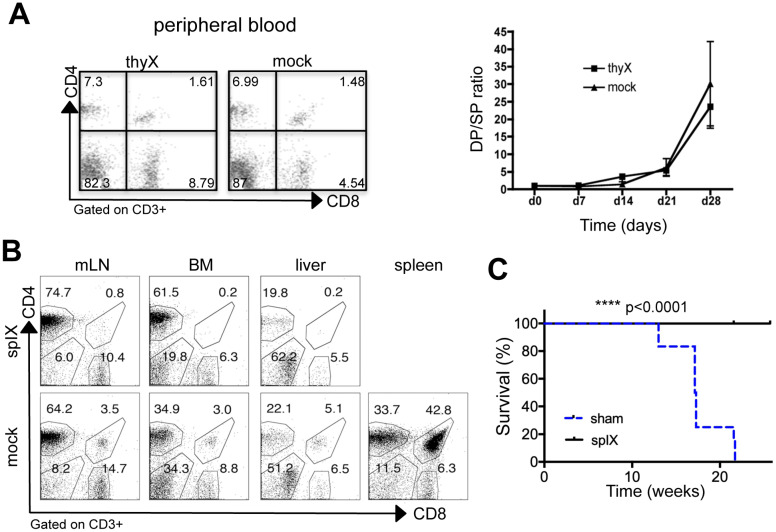
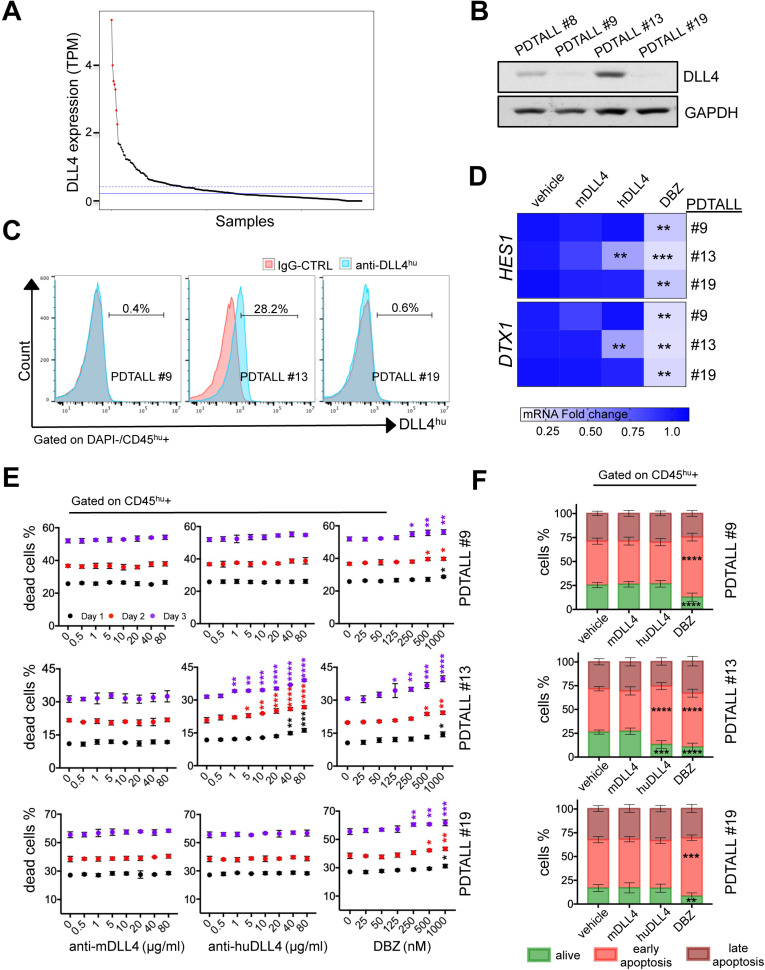
The Notch pathway is highly active in almost all patients with T-cell acute lymphoblastic leukemia (T-ALL), but the implication of Notch ligands in T-ALL remains underexplored. We used a genetic mouse model of Notch ligand delta like 4 (DLL4)-driven T-ALL and performed thymectomies and splenectomies in those animals. We also used several patient-derived T-ALL (PDTALL) models, including one with DLL4 expression on the membrane and we treated PDTALL cells and with demcizumab, a blocking antibody against human DLL4 currently being tested in clinical trials in patients with solid cancer. We show that surgical removal of the spleen abrogated T-ALL development in our preclinical DLL4-driven T-ALL mouse model. Mechanistically, we found that the spleen, and not the thymus, promoted the accumulation of circulating CD4CD8 T cells before T-ALL onset, suggesting that DLL4-driven T-ALL derives from these cells. Then, we identified a small subset of T-ALL patients showing higher levels of DLL4 expression. Moreover, in mice xenografted with a DLL4-positive PDTALL model, treatment with demcizumab had the same therapeutic effect as global Notch pathway inhibition using the potent γ-secretase inhibitor dibenzazepine. This result demonstrates that, in this PDTALL model, Notch pathway activity depends on DLL4 signaling, thus validating our preclinical mouse model. DLL4 expression in human leukemic cells can be a source of Notch activity in T-ALL, and the spleen plays a major role in a genetic mouse model of DLL4-driven T-ALL.
Notch 通路在几乎所有 T 细胞急性淋巴细胞白血病(T-ALL)患者中均高度活跃,但 Notch 配体在 T-ALL 中的作用仍未得到充分探索。我们使用 Notch 配体 delta 样 4(DLL4)驱动的 T-ALL 的遗传小鼠模型进行了胸腺切除术和脾切除术。我们还使用了几种患者来源的 T-ALL(PDTALL)模型,包括一种在细胞膜上表达 DLL4 的模型,并用 demcizumab 处理 PDTALL 细胞,demcizumab 是一种针对人 DLL4 的阻断抗体,目前正在临床试验中用于治疗实体瘤患者。我们表明,在我们的临床前 DLL4 驱动的 T-ALL 小鼠模型中,手术切除脾脏可消除 T-ALL 的发展。从机制上讲,我们发现脾脏而不是胸腺在 T-ALL 发病前促进了循环 CD4CD8 T 细胞的积累,这表明 DLL4 驱动的 T-ALL 源自这些细胞。然后,我们确定了一小部分 T-ALL 患者表现出更高水平的 DLL4 表达。此外,在移植了 DLL4 阳性 PDTALL 模型的小鼠中,用 demcizumab 治疗与使用强效 γ-分泌酶抑制剂 dibenzazepine 抑制全 Notch 通路具有相同的治疗效果。这一结果表明,在这种 PDTALL 模型中,Notch 通路活性依赖于 DLL4 信号,从而验证了我们的临床前小鼠模型。人白血病细胞中的 DLL4 表达可能是 T-ALL 中 Notch 活性的来源,脾脏在 DLL4 驱动的 T-ALL 的遗传小鼠模型中起主要作用。