Department of Pathogenic Biology and Immunology, School of Basic Medical Sciences, Xi'an Jiaotong University Health Science Center, Xi'an, Shaanxi 710061, P.R. China.
Clinical Laboratory of The Second Affiliated Hospital of Xi'an Jiaotong University, Xi'an, Shaanxi 710004, P.R. China.
Oncol Rep. 2021 Feb;45(2):693-705. doi: 10.3892/or.2020.7888. Epub 2020 Dec 8.
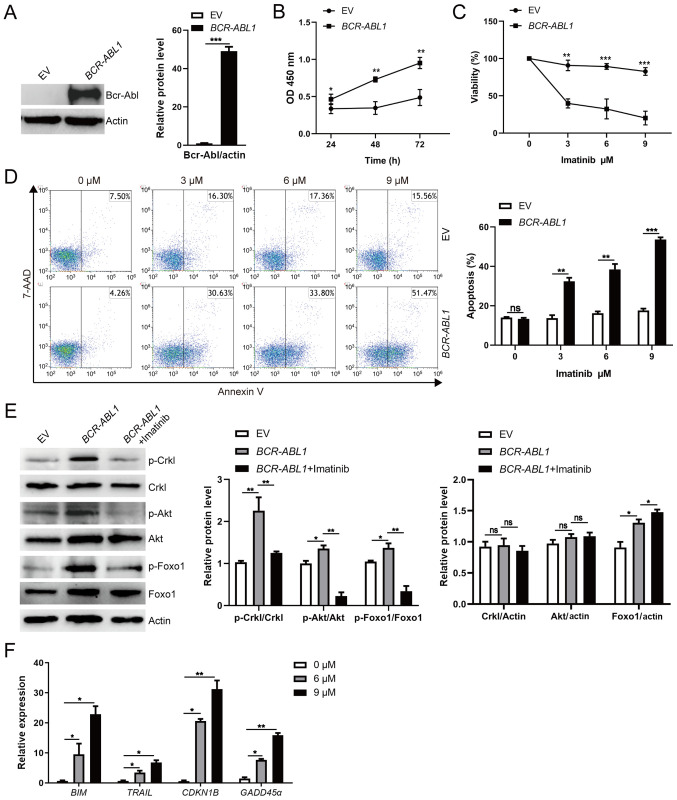
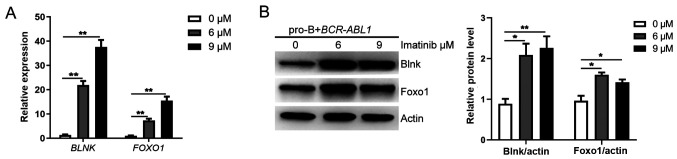
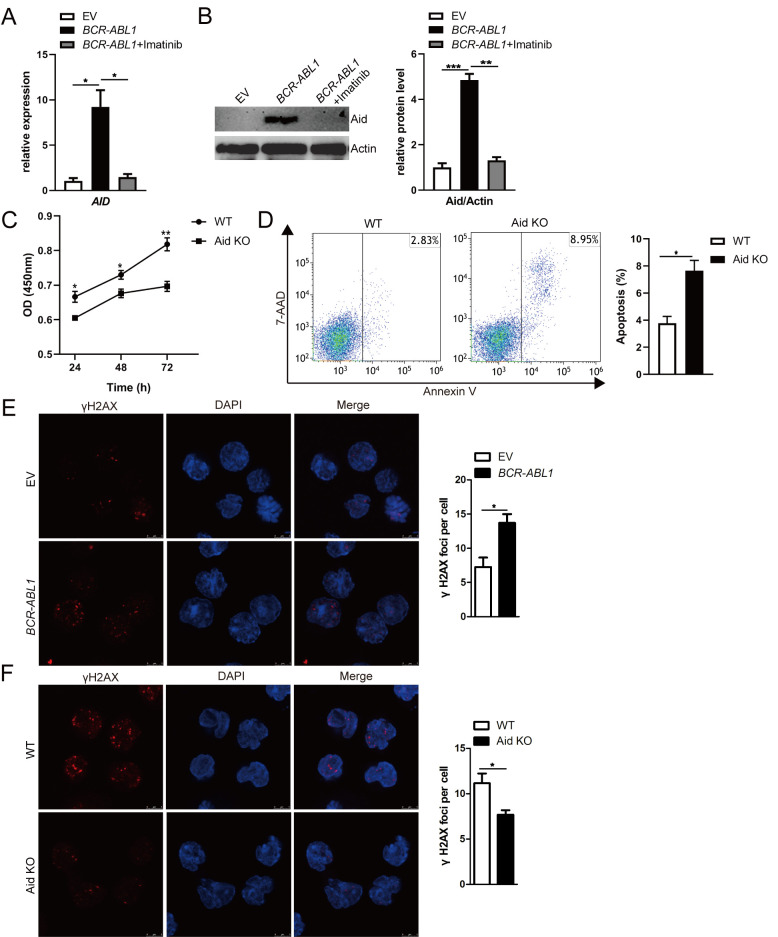
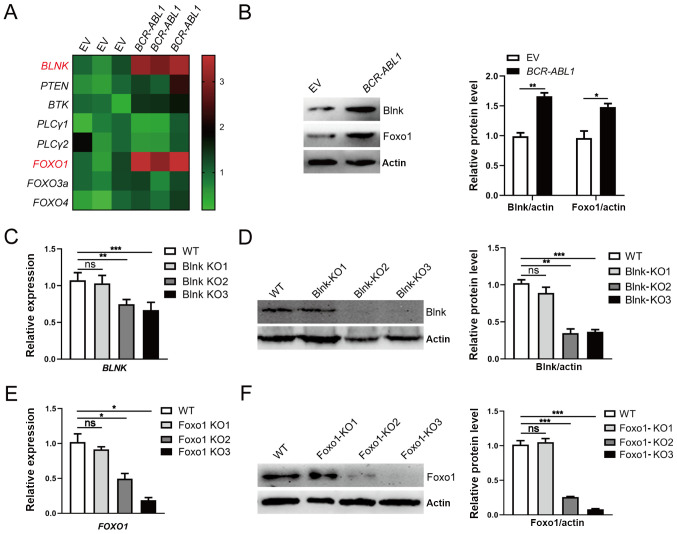
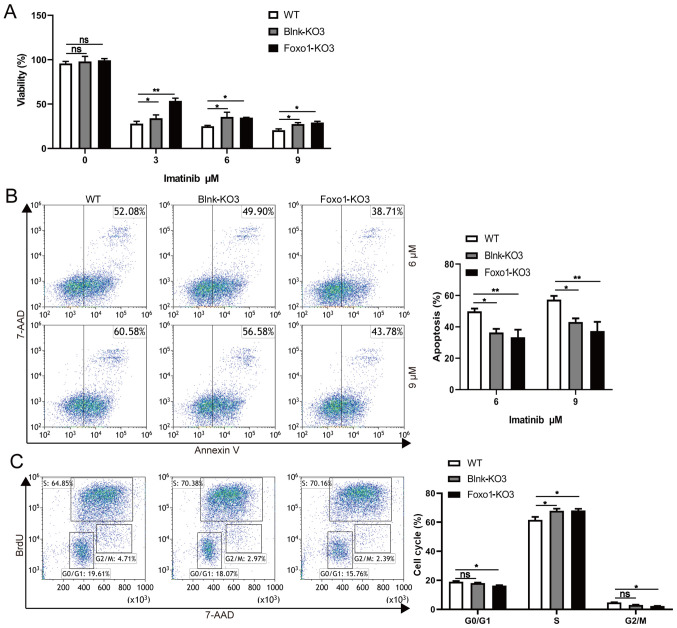
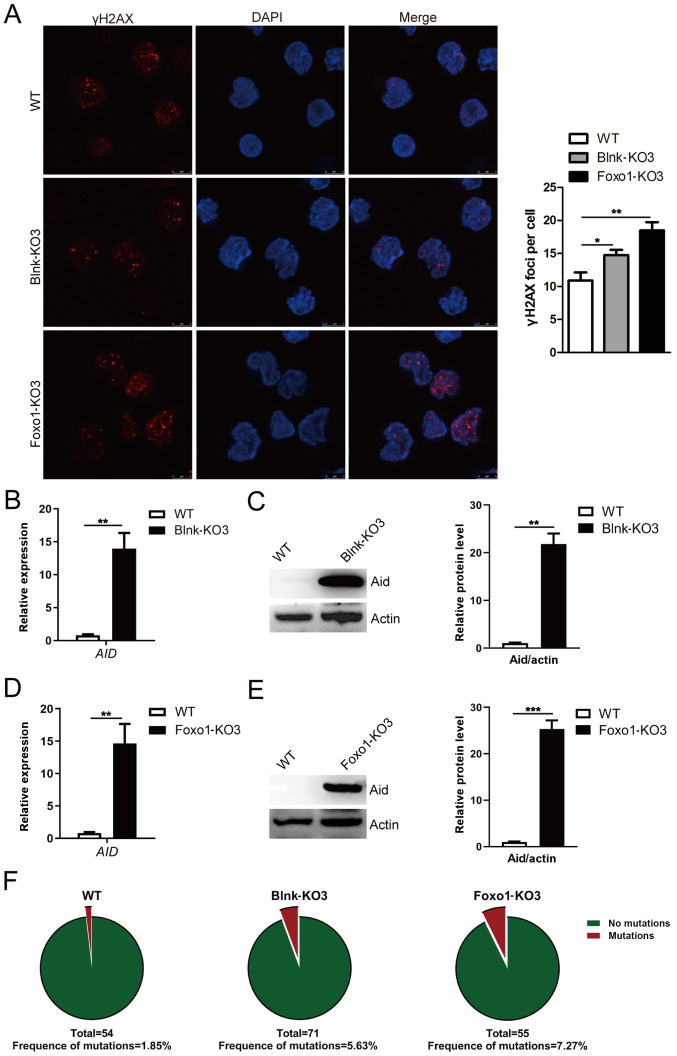
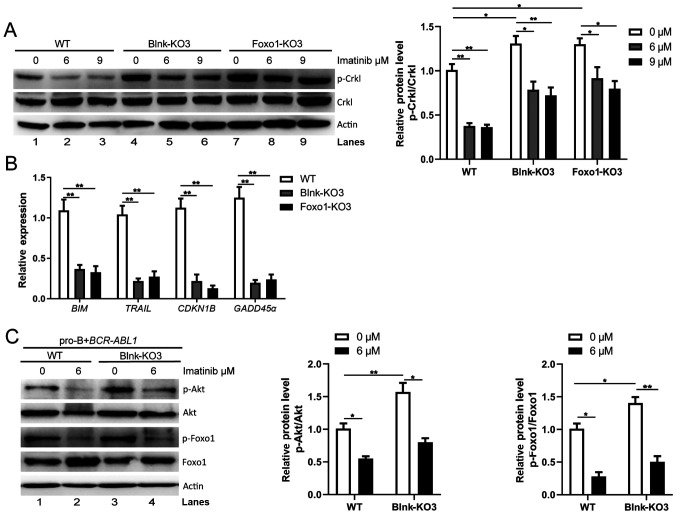
Oncogenic Bcr‑Abl kinase mimics pre‑B cell receptor (pre‑BCR) survival signals in BCR‑ABL1‑positive B‑cell acute lymphoblastic leukemia (BCR‑ABL1+ B‑ALL), driving B‑cell progenitor malignant transformation; thus, defining a particularly unfavorable prognosis for patients. During B‑cell development, pre‑BCR differentiation signaling components terminate proliferative expansion and promote B‑cell maturation. To study whether pre‑BCR differentiation signaling components regulate the initiation and development of BCR‑ABL1+ B‑ALL, the tumor suppression mechanism of differentiation‑related signaling molecules in BCR‑ABL1‑transformed pro‑B cells were analyzed. The results demonstrated that Bcr‑Abl kinase activated the PI3K/Akt pathway, promoting cell growth, and upregulated Aid expression, increasing genomic instability in pro‑B cells. These findings suggest that Bcr‑Abl kinase mediates pro‑B cell malignant transformation. Furthermore, the present data revealed that BCR‑ABL1 oncogenic stress triggered enhanced expression of B‑cell differentiation components B‑cell linker (Blnk) and forkhead box protein O1 (Foxo1) in BCR‑ABL1 transformed pro‑B cells. Using the CRISPR/Cas9‑mediated Blnk or Foxo1 knockout BCR‑ABL1‑transformed pro‑B cells, it was identified that, in BCR‑ABL1‑transformed pro‑B cells, Blnk and Foxo1 reduced Bcr‑Abl kinase activity to induce cell cycle arrest and decrease genomic instability. In addition, Blnk suppressed the PI3K/Akt pathway to reduce Foxo1 phosphorylation and heighten the Foxo1 activity, indicating that, in BCR‑ABL1‑transformed pro‑B cells, Foxo1 participated in the regulation of Bcr‑Abl kinase by Blnk. The present data highlighted the antitumor mechanisms of Blnk and Foxo1 in the regulation of Bcr‑Abl kinase, and thus, may offer an alternative therapeutic strategy to Bcr‑Abl kinase regulation in BCR‑ABL1+ B‑ALL.
致癌性 Bcr-Abl 激酶模拟了 BCR-ABL1 阳性 B 细胞急性淋巴细胞白血病(BCR-ABL1+B-ALL)中的前 B 细胞受体(pre-BCR)存活信号,驱动 B 细胞祖细胞恶性转化;因此,这为患者定义了一个特别不利的预后。在 B 细胞发育过程中,pre-BCR 分化信号成分终止增殖扩张并促进 B 细胞成熟。为了研究 pre-BCR 分化信号成分是否调节 BCR-ABL1+B-ALL 的起始和发展,分析了 BCR-ABL1 转化前 B 细胞中分化相关信号分子的肿瘤抑制机制。结果表明,Bcr-Abl 激酶激活了 PI3K/Akt 通路,促进细胞生长,并上调了 Aid 的表达,增加了前 B 细胞的基因组不稳定性。这些发现表明 Bcr-Abl 激酶介导了前 B 细胞的恶性转化。此外,本数据显示,BCR-ABL1 致癌应激在前 B 细胞中触发 B 细胞分化成分 B 细胞连接蛋白(Blnk)和叉头框蛋白 O1(Foxo1)的表达增强BCR-ABL1 转化的前 B 细胞。使用 CRISPR/Cas9 介导的 Blnk 或 Foxo1 敲除 BCR-ABL1 转化的前 B 细胞,鉴定出在 BCR-ABL1 转化的前 B 细胞中,Blnk 和 Foxo1 降低了 Bcr-Abl 激酶活性,诱导细胞周期停滞并降低基因组不稳定性。此外,Blnk 抑制了 PI3K/Akt 通路,降低了 Foxo1 的磷酸化并提高了 Foxo1 的活性,表明在 BCR-ABL1 转化的前 B 细胞中,Foxo1 通过 Blnk 参与了 Bcr-Abl 激酶的调节。本数据强调了 Blnk 和 Foxo1 在调节 Bcr-Abl 激酶中的抗肿瘤机制,因此,可能为 BCR-ABL1+B-ALL 中 Bcr-Abl 激酶调节提供一种替代的治疗策略。