Molecular Immunity Unit, Department of Medicine, University of Cambridge, MRC Laboratory of Molecular Biology, Cambridge, United Kingdom.
Trinity College, Cambridge, United Kingdom.
Elife. 2021 Jan 8;10:e61722. doi: 10.7554/eLife.61722.
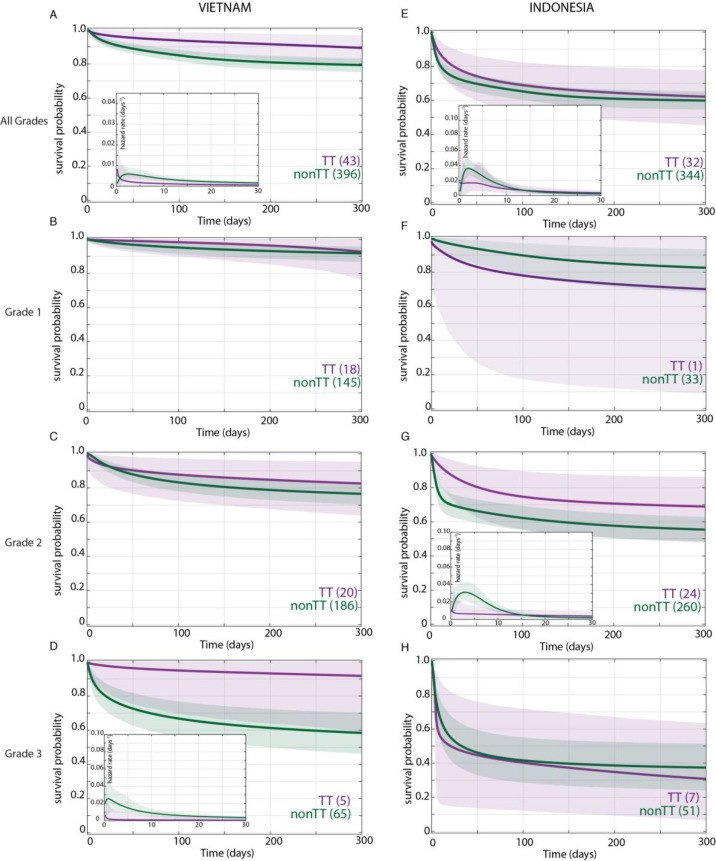
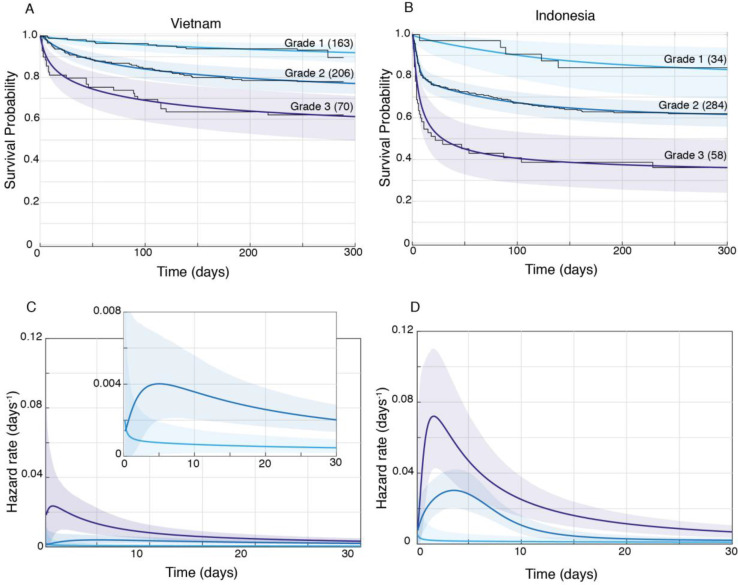
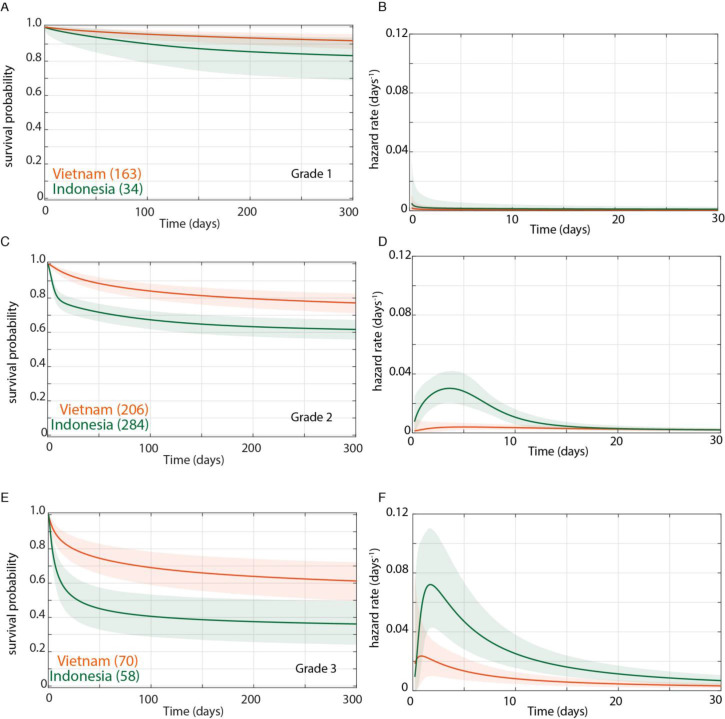
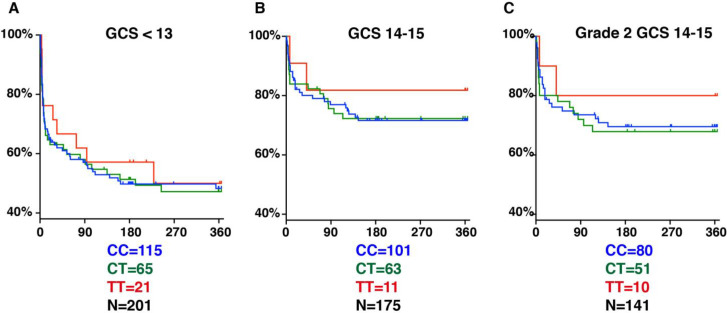
Tuberculous meningitis has high mortality, linked to excessive inflammation. However, adjunctive anti-inflammatory corticosteroids reduce mortality by only 30%, suggesting that inflammatory pathophysiology causes only a subset of deaths. In Vietnam, the survival benefit of anti-inflammatory corticosteroids was most pronounced in patients with a C/T promoter variant in the leukotriene A hydrolase () gene encoding an enzyme that regulates inflammatory eicosanoids. TT patients with increased expression had increased survival, consistent with corticosteroids benefiting individuals with hyper-inflammatory responses. However, an Indonesia study did not find an TT genotype survival benefit. Here using Bayesian methods to analyse both studies, we find that TT genotype confers survival benefit that begins early and continues long-term in both populations. This benefit is nullified in the most severe cases with high early mortality. genotyping together with disease severity assessment may target glucocorticoid therapy to patients most likely to benefit from it.
结核性脑膜炎死亡率高,与过度炎症有关。然而,抗炎皮质类固醇的辅助治疗仅降低 30%的死亡率,这表明炎症病理生理学仅导致部分死亡。在越南,在编码调节炎症类二十烷酸的酶的白三烯 A 水解酶 ()基因的启动子变异体 C/T 的患者中,抗炎皮质类固醇的生存获益最为显著。TT 患者的表达增加,生存时间延长,这与皮质类固醇有益于高炎症反应个体一致。然而,印度尼西亚的一项研究并未发现 TT 基因型的生存获益。在这里,我们使用贝叶斯方法分析这两项研究,发现 TT 基因型在两个人群中均具有早期和长期的生存获益。在早期死亡率高的最严重情况下,这种获益会被消除。与疾病严重程度评估相结合的基因分型可以将糖皮质激素治疗靶向于最有可能从中获益的患者。