Nian Keqing, Harding Ian C, Herman Ira M, Ebong Eno E
Department of Bioengineering, Northeastern University, Boston, MA, United States.
Department of Development, Molecular, and Chemical Biology, Tufts Sackler School of Graduate Biomedical Sciences, Boston, MA, United States.
Front Physiol. 2020 Dec 22;11:605398. doi: 10.3389/fphys.2020.605398. eCollection 2020.
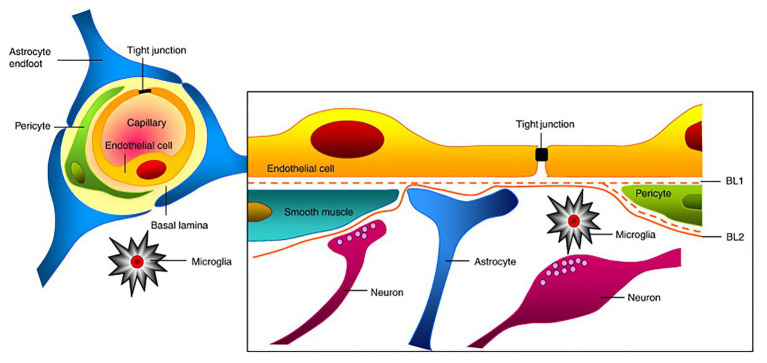
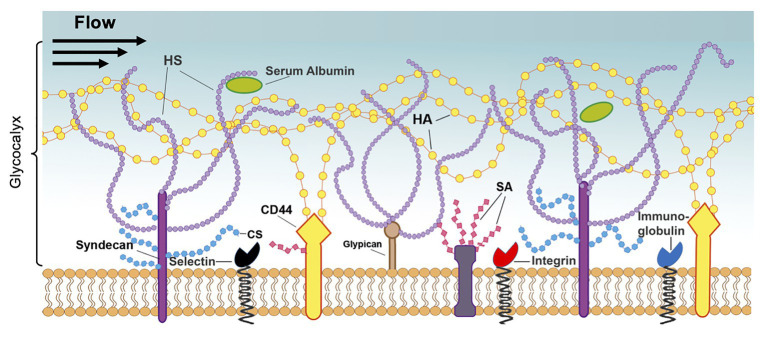
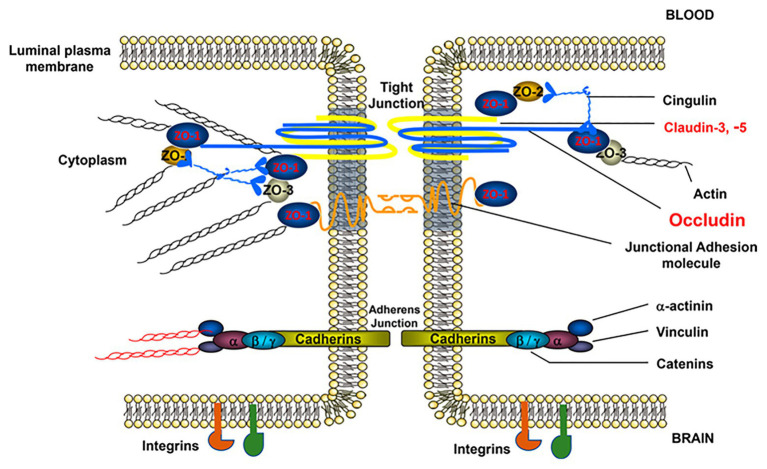
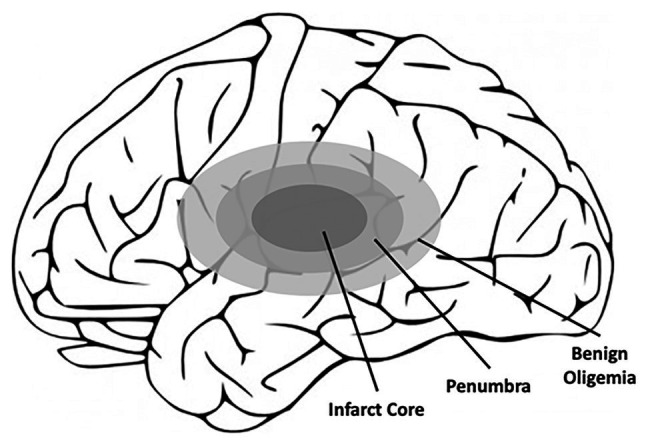
Ischemic stroke, a major cause of mortality in the United States, often contributes to disruption of the blood-brain barrier (BBB). The BBB along with its supportive cells, collectively referred to as the "neurovascular unit," is the brain's multicellular microvasculature that bi-directionally regulates the transport of blood, ions, oxygen, and cells from the circulation into the brain. It is thus vital for the maintenance of central nervous system homeostasis. BBB disruption, which is associated with the altered expression of tight junction proteins and BBB transporters, is believed to exacerbate brain injury caused by ischemic stroke and limits the therapeutic potential of current clinical therapies, such as recombinant tissue plasminogen activator. Accumulating evidence suggests that endothelial mechanobiology, the conversion of mechanical forces into biochemical signals, helps regulate function of the peripheral vasculature and may similarly maintain BBB integrity. For example, the endothelial glycocalyx (GCX), a glycoprotein-proteoglycan layer extending into the lumen of bloods vessel, is abundantly expressed on endothelial cells of the BBB and has been shown to regulate BBB permeability. In this review, we will focus on our understanding of the mechanisms underlying BBB damage after ischemic stroke, highlighting current and potential future novel pharmacological strategies for BBB protection and recovery. Finally, we will address the current knowledge of endothelial mechanotransduction in BBB maintenance, specifically focusing on a potential role of the endothelial GCX.
缺血性中风是美国主要的死亡原因之一,常导致血脑屏障(BBB)破坏。血脑屏障及其支持细胞统称为“神经血管单元”,是大脑的多细胞微血管系统,可双向调节血液、离子、氧气和细胞从循环系统进入大脑的运输。因此,它对维持中枢神经系统的稳态至关重要。血脑屏障破坏与紧密连接蛋白和血脑屏障转运蛋白的表达改变有关,被认为会加剧缺血性中风所致的脑损伤,并限制当前临床治疗方法(如重组组织型纤溶酶原激活剂)的治疗潜力。越来越多的证据表明,内皮机械生物学,即将机械力转化为生化信号,有助于调节外周血管系统的功能,可能同样维持血脑屏障的完整性。例如,内皮糖萼(GCX)是一层延伸到血管腔内的糖蛋白 - 蛋白聚糖层,在血脑屏障的内皮细胞上大量表达,并已被证明可调节血脑屏障的通透性。在这篇综述中,我们将重点阐述对缺血性中风后血脑屏障损伤机制的理解,突出当前以及未来潜在的新型血脑屏障保护和恢复的药理学策略。最后,我们将阐述目前关于内皮机械转导在血脑屏障维持中的知识,特别关注内皮糖萼的潜在作用。