Devi Yengkhom Damayanti, Devi Arpita, Gogoi Hemanga, Dehingia Bondita, Doley Robin, Buragohain Alak Kumar, Singh Ch Shyamsunder, Borah Partha Pratim, Rao C Durga, Ray Pratima, Varghese George M, Kumar Sachin, Namsa Nima D
Department of Molecular Biology and Biotechnology, Tezpur University, Napaam 784 028, Assam, India.
Department of Biotechnology, Royal Global University, Guwahati, India.
Heliyon. 2020 Dec 29;6(12):e05760. doi: 10.1016/j.heliyon.2020.e05760. eCollection 2020 Dec.
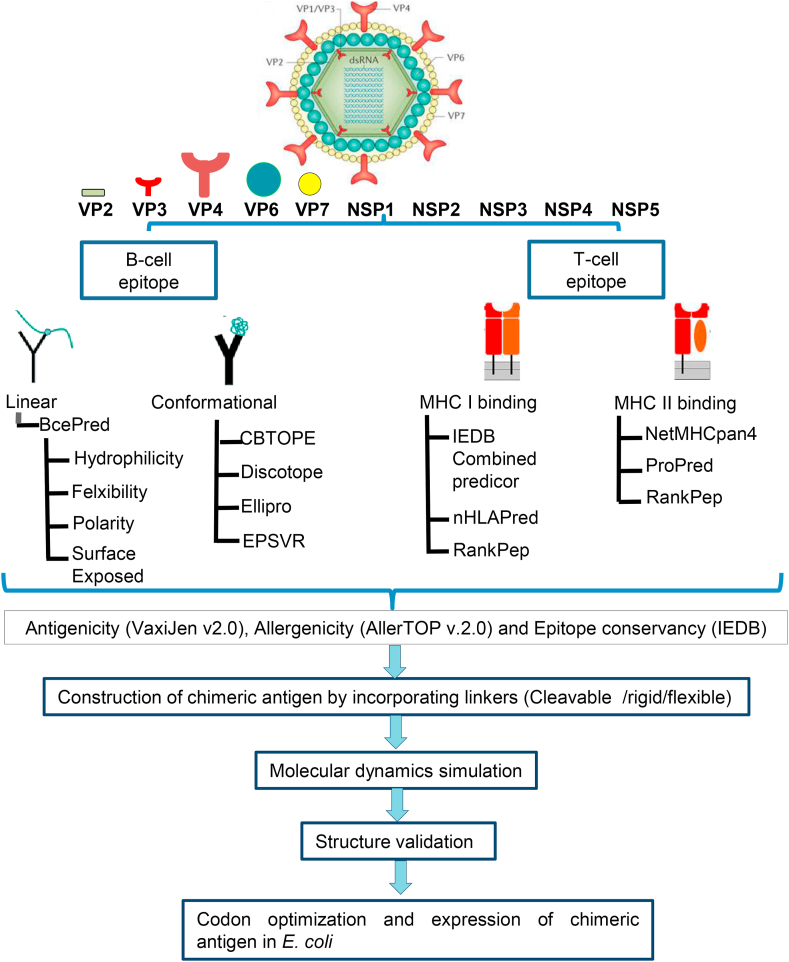
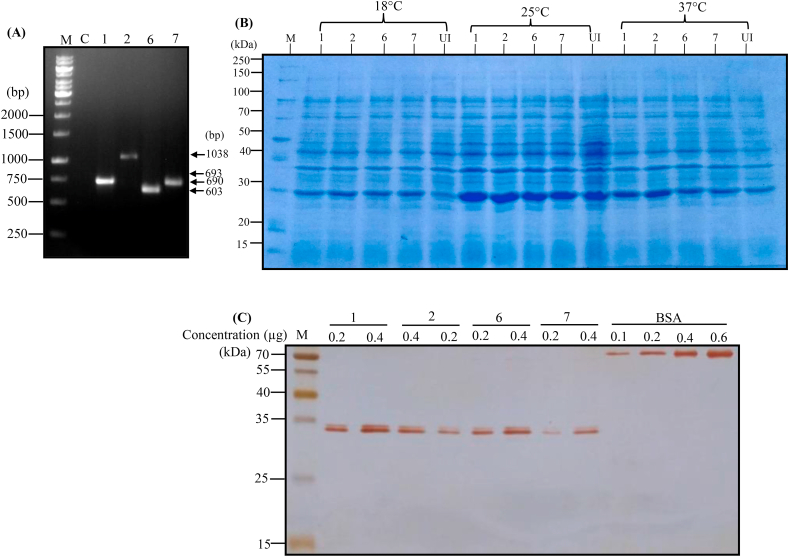
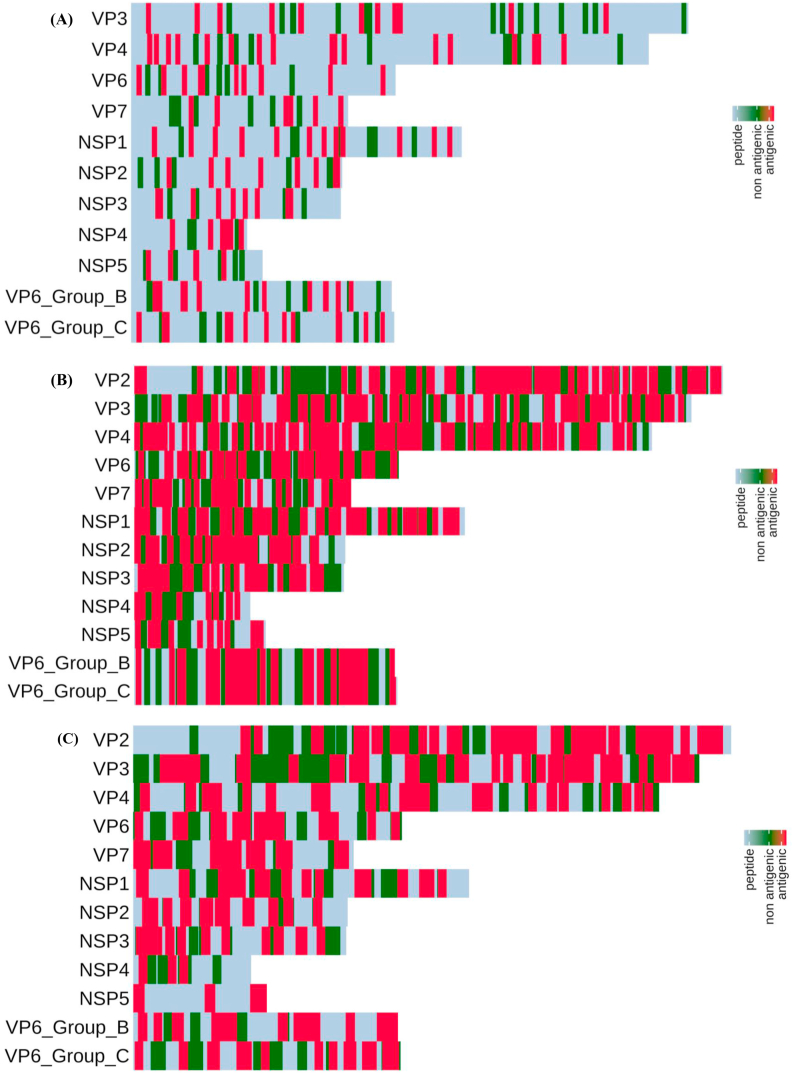
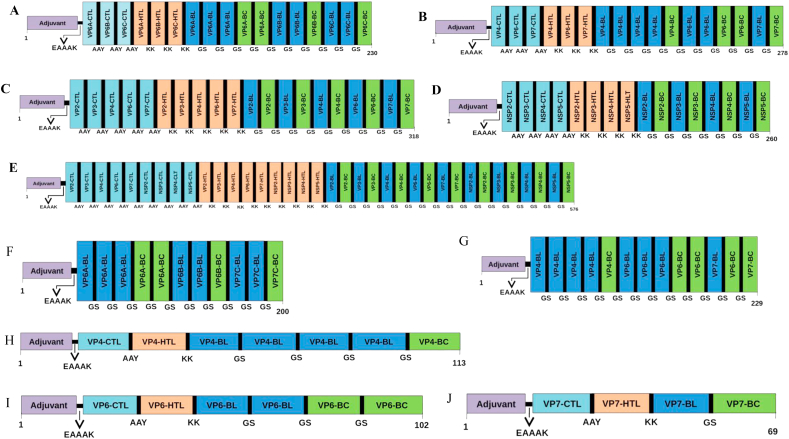
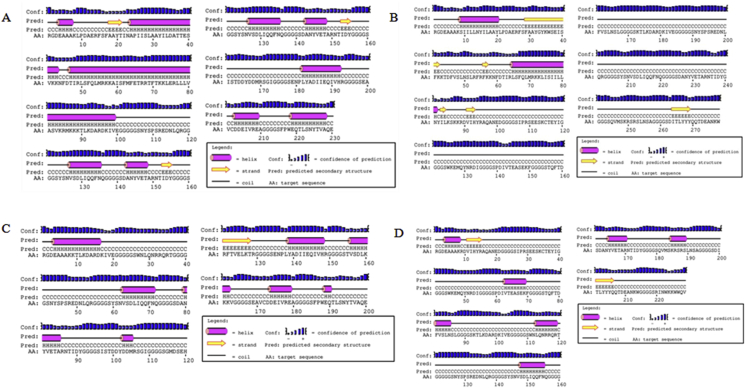
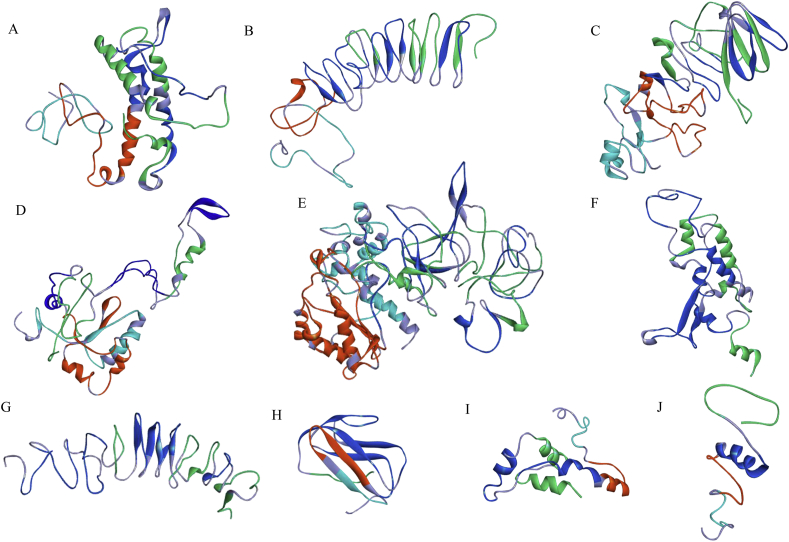
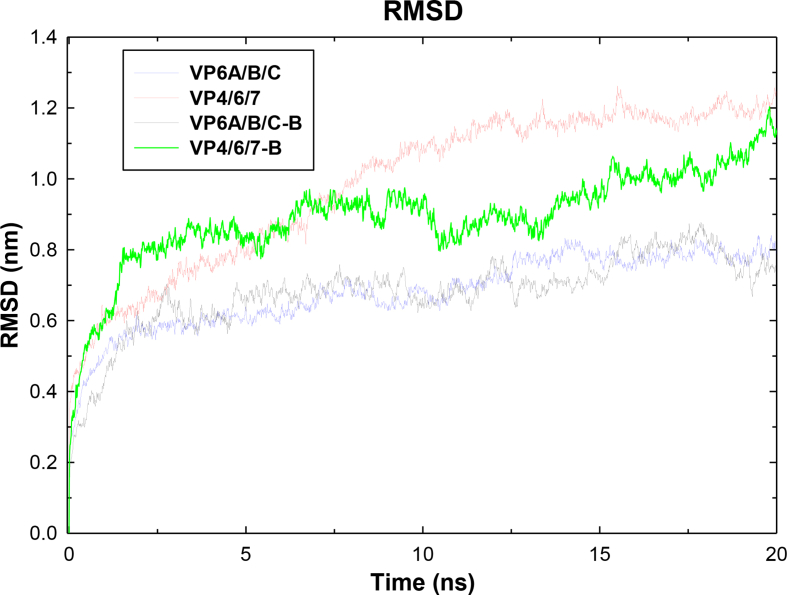
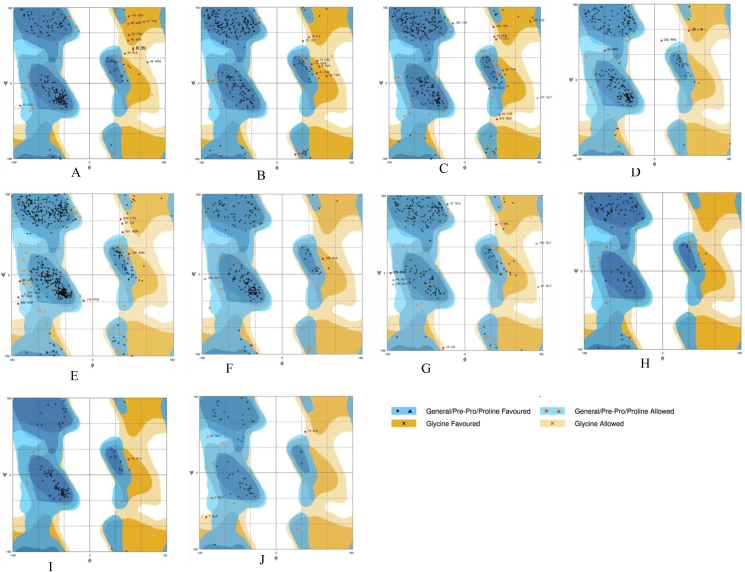
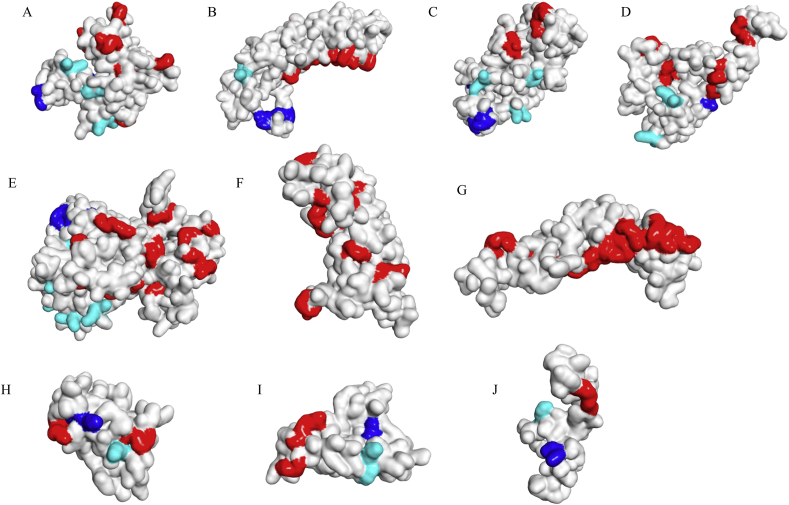
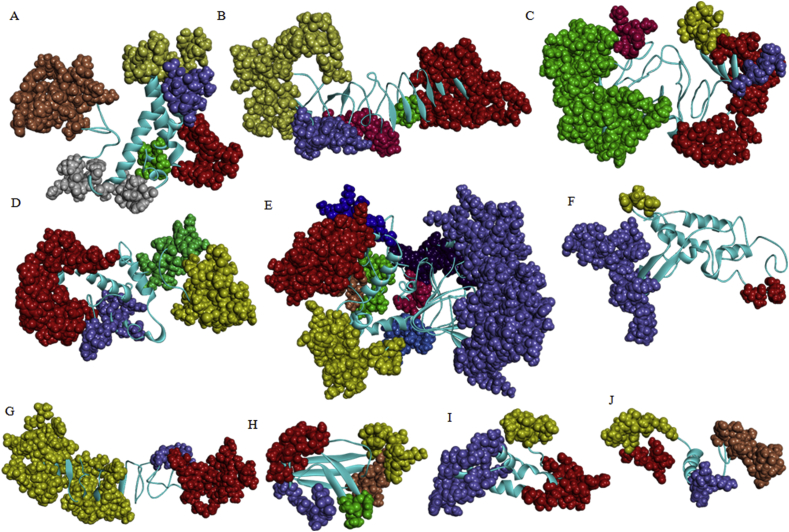
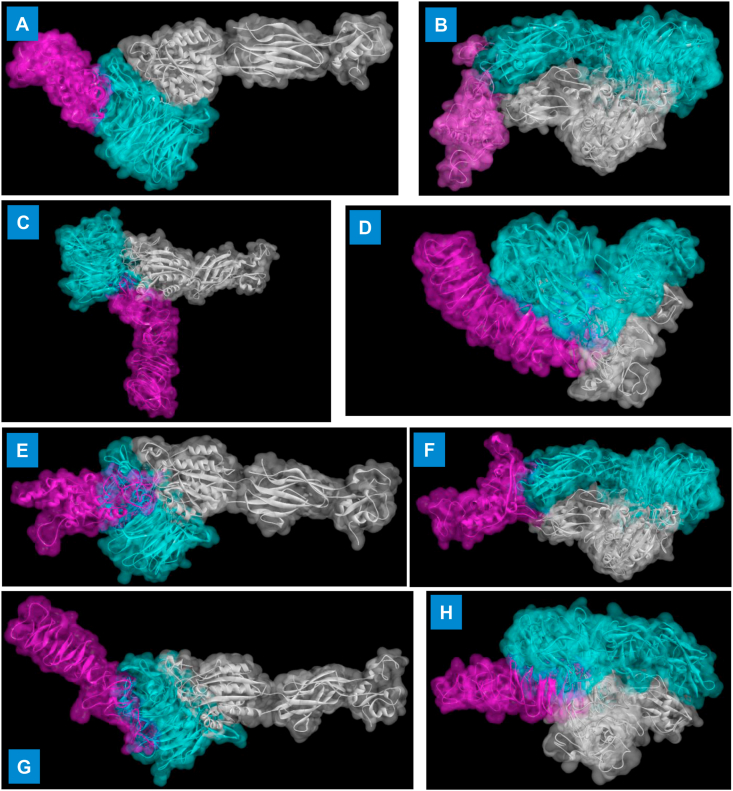
Rotavirus is the most common cause of acute gastroenteritis in infants and children worldwide. The functional correlation of B- and T-cells to long-lasting immunity against rotavirus infection in the literature is limited. In this work, a series of computational immuno-informatics approaches were applied and identified 28 linear B-cells, 26 conformational B-cell, 44 T cell and 40 T cell binding epitopes for structural and non-structural proteins of rotavirus. Further selection of putative B and T cell epitopes in the multi-epitope vaccine construct was carried out based on immunogenicity, conservancy, allergenicity and the helical content of predicted epitopes. An vaccine constructs was developed using an N-terminal adjuvant (RGD motif) followed by T and T cell epitopes and B-cell epitope with an appropriate linker. Multi-threading models of multi-epitope vaccine construct with B- and T-cell epitopes were generated and molecular dynamics simulation was performed to determine the stability of designed vaccine. Codon optimized multi-epitope vaccine antigens was expressed and affinity purified using the expression system. Further the T cell epitope presentation assay using the recombinant multi-epitope constructs and the T cell epitope predicted and identified in this study have not been investigated. Multi-epitope vaccine construct encompassing predicted B- and T-cell epitopes may help to generate long-term immune responses against rotavirus. The computational findings reported in this study may provide information in developing epitope-based vaccine and diagnostic assay for rotavirus-led diarrhea in children's.
轮状病毒是全球婴幼儿急性胃肠炎最常见的病因。文献中关于B细胞和T细胞与针对轮状病毒感染的持久免疫力之间的功能相关性有限。在这项研究中,应用了一系列计算免疫信息学方法,确定了轮状病毒结构蛋白和非结构蛋白的28个线性B细胞表位、26个构象性B细胞表位、44个T细胞表位和40个T细胞结合表位。基于预测表位的免疫原性、保守性、致敏性和螺旋含量,在多表位疫苗构建体中进一步筛选推定的B细胞和T细胞表位。使用N端佐剂(RGD基序)构建疫苗构建体,并依次连接T细胞表位、T细胞表位和B细胞表位以及合适的接头。生成了具有B细胞和T细胞表位的多表位疫苗构建体多线程模型,并进行分子动力学模拟以确定设计疫苗的稳定性。对密码子优化的多表位疫苗抗原进行表达,并使用表达系统进行亲和纯化。此外,尚未研究使用重组多表位构建体进行T细胞表位呈递分析以及本研究中预测和鉴定的T细胞表位。包含预测的B细胞和T细胞表位的多表位疫苗构建体可能有助于产生针对轮状病毒的长期免疫反应。本研究报告中的计算结果可为开发基于表位的疫苗和针对儿童轮状病毒引起的腹泻的诊断方法提供信息。
需注意,原文中“An vaccine constructs”表述有误,如果改为“A vaccine construct”则更准确。