Department of Medicine, Northwestern University Feinberg School of Medicine, Arkes Pavilion, Suite 2330, 676 N. St. Clair Street, Chicago, IL, 60611-2927, USA.
Center for Preventive Cardiology, Knight Cardiovascular Institute, Oregon Health and Science University, Portland, OR, USA.
Sci Rep. 2021 Jan 11;11(1):430. doi: 10.1038/s41598-020-79948-x.
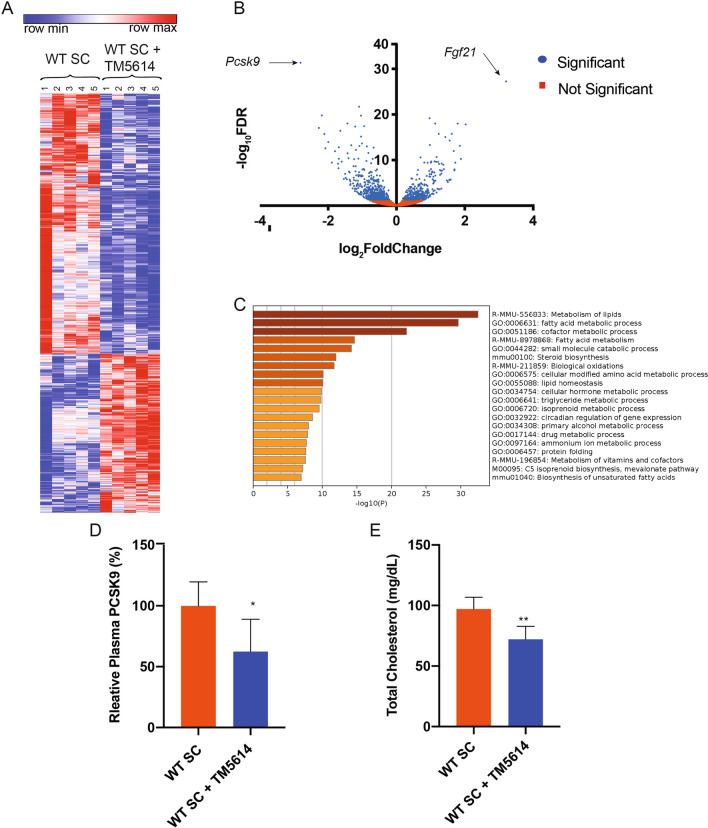
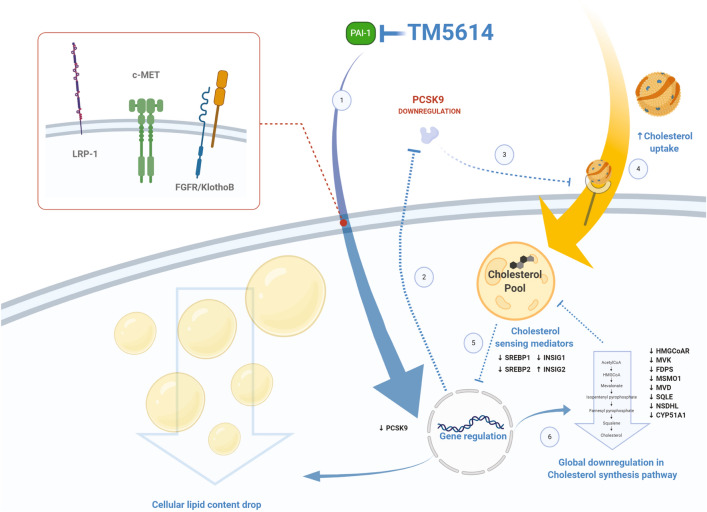
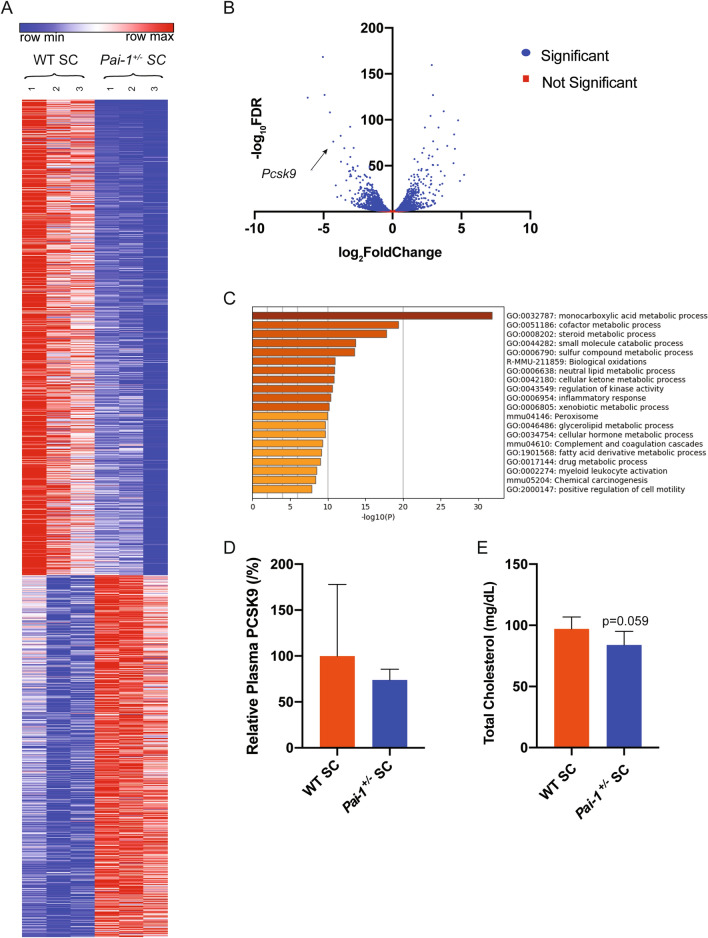
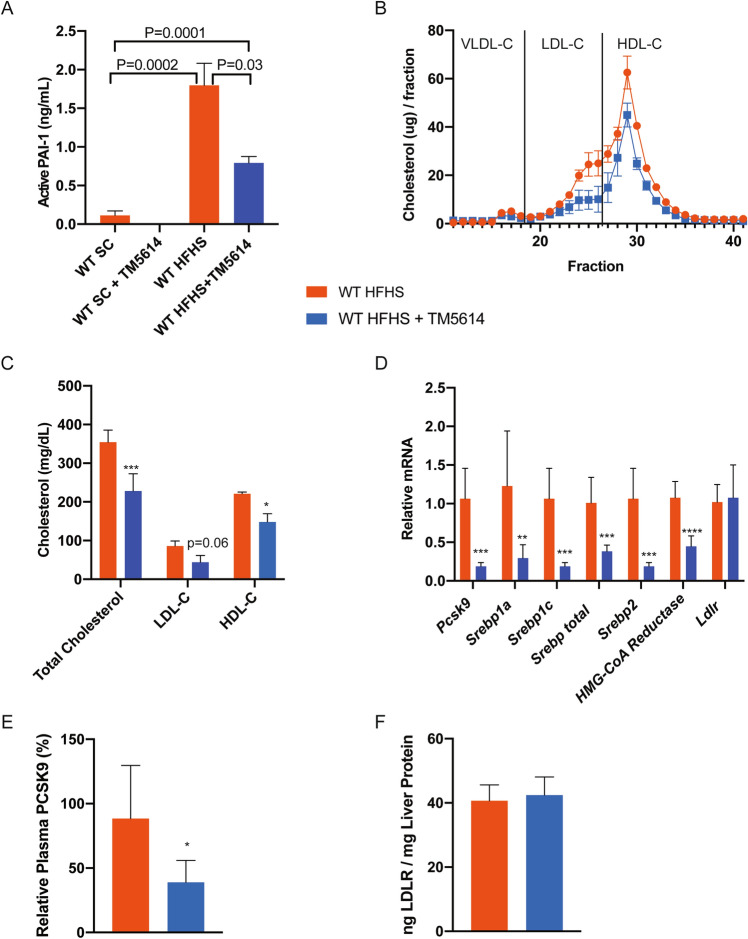
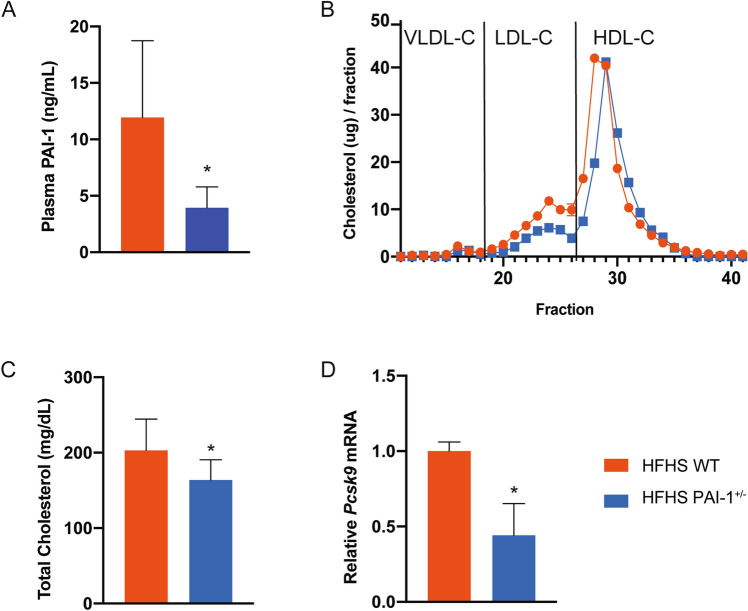
Plasminogen activator inhibitor 1 (PAI-1) is a functional biomarker of the metabolic syndrome. Previous studies have demonstrated that PAI-1 is a mechanistic contributor to several elements of the syndrome, including obesity, hypertension and insulin resistance. Here we show that PAI-1 is also a critical regulator of hepatic lipid metabolism. RNA sequencing revealed that PAI-1 directly regulates the transcriptional expression of numerous genes involved in mammalian lipid homeostasis, including PCSK9 and FGF21. Pharmacologic or genetic reductions in plasma PAI-1 activity ameliorates hyperlipidemia in vivo. These experimental findings are complemented with the observation that genetic deficiency of PAI-1 is associated with reduced plasma PCSK9 levels in humans. Taken together, our findings identify PAI-1 as a novel contributor to mammalian lipid metabolism and provides a fundamental mechanistic insight into the pathogenesis of one of the most pervasive medical problems worldwide.
纤溶酶原激活物抑制剂 1(PAI-1)是代谢综合征的功能性生物标志物。先前的研究表明,PAI-1 是该综合征几个要素的机制贡献者,包括肥胖、高血压和胰岛素抵抗。在这里,我们表明 PAI-1 也是肝脏脂质代谢的关键调节因子。RNA 测序显示,PAI-1 直接调节参与哺乳动物脂质稳态的许多基因的转录表达,包括 PCSK9 和 FGF21。体内药理学或遗传降低血浆 PAI-1 活性可改善高脂血症。这些实验发现与以下观察结果相补充,即 PAI-1 的遗传缺陷与人类血浆 PCSK9 水平降低有关。总之,我们的发现将 PAI-1 确定为哺乳动物脂质代谢的新贡献者,并为全球最普遍的医学问题之一的发病机制提供了基本的机制见解。