Schweer David, McCorkle J Robert, Rohr Jurgen, Tsodikov Oleg V, Ueland Frederick, Kolesar Jill
Department of Obstetrics and Gynecology, Division of Gynecologic Oncology Lexington, University of Kentucky Markey Cancer Center, Lexington, KY 40536, USA.
Department of Pharmaceutical Sciences, College of Pharmacy, University of Kentucky, Lexington, KY 40536, USA.
Biomedicines. 2021 Jan 12;9(1):70. doi: 10.3390/biomedicines9010070.
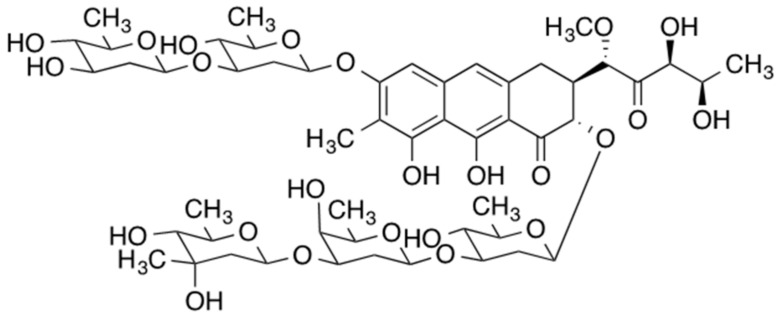
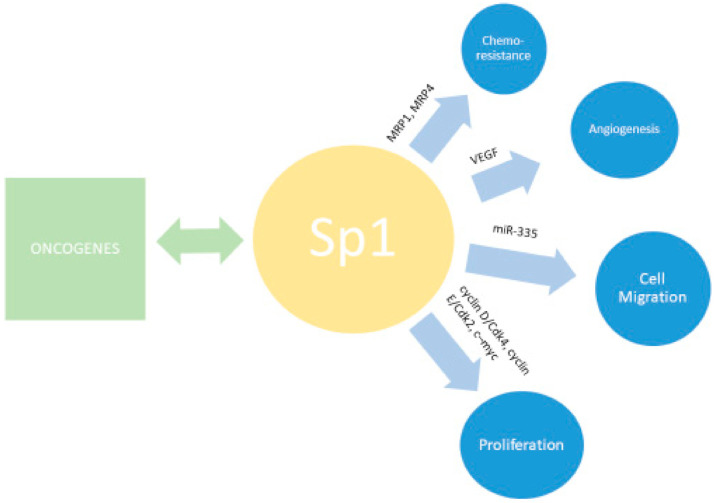
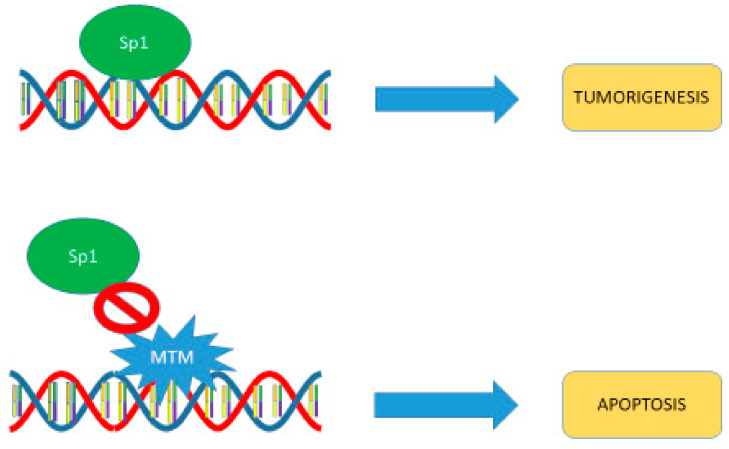
Ovarian cancer is a highly deadly malignancy in which recurrence is considered incurable. Resistance to platinum-based chemotherapy bodes a particularly abysmal prognosis, underscoring the need for novel therapeutic agents and strategies. The use of mithramycin, an antineoplastic antibiotic, has been previously limited by its narrow therapeutic window. Recent advances in semisynthetic methods have led to mithramycin analogs with improved pharmacological profiles. Mithramycin inhibits the activity of the transcription factor Sp1, which is closely linked with ovarian tumorigenesis and platinum-resistance. This article summarizes recent clinical developments related to mithramycin and postulates a role for the use of mithramycin, or its analog, in the treatment of platinum-resistant ovarian cancer.
卵巢癌是一种高度致命的恶性肿瘤,复发被认为无法治愈。对铂类化疗的耐药预示着特别糟糕的预后,凸显了对新型治疗药物和策略的需求。光辉霉素(一种抗肿瘤抗生素)的使用此前因其狭窄的治疗窗而受到限制。半合成方法的最新进展已产生了具有改善药理学特性的光辉霉素类似物。光辉霉素抑制转录因子Sp1的活性,而Sp1与卵巢肿瘤发生和铂耐药密切相关。本文总结了与光辉霉素相关的近期临床进展,并推测了光辉霉素或其类似物在铂耐药卵巢癌治疗中的作用。