Department of Pharmaceutical Sciences, University of Toronto, Canada.
Institute for Biomaterials and Biomedical Engineering, University of Toronto, Canada.
Mol Oncol. 2021 Jun;15(6):1622-1646. doi: 10.1002/1878-0261.12901. Epub 2021 Feb 1.
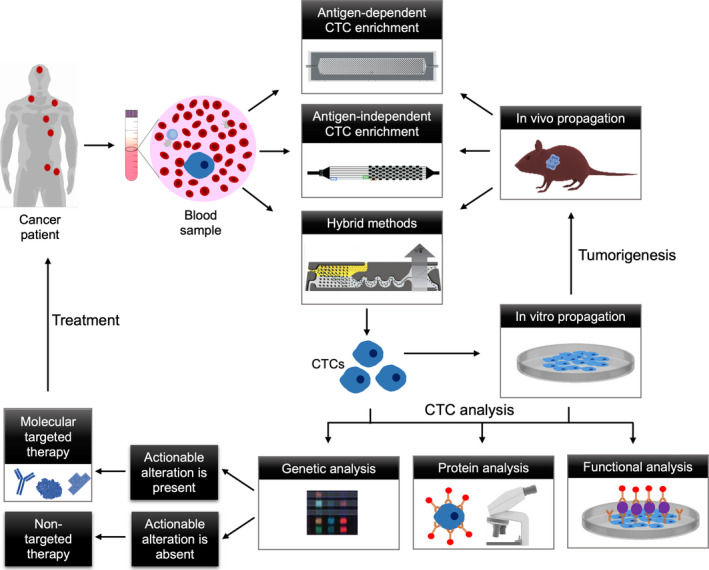
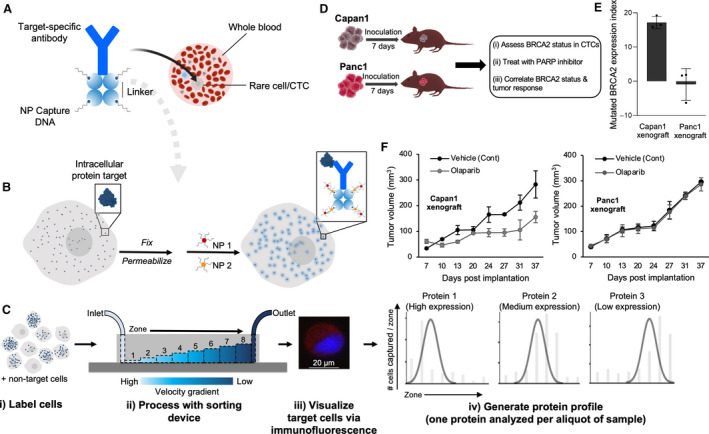
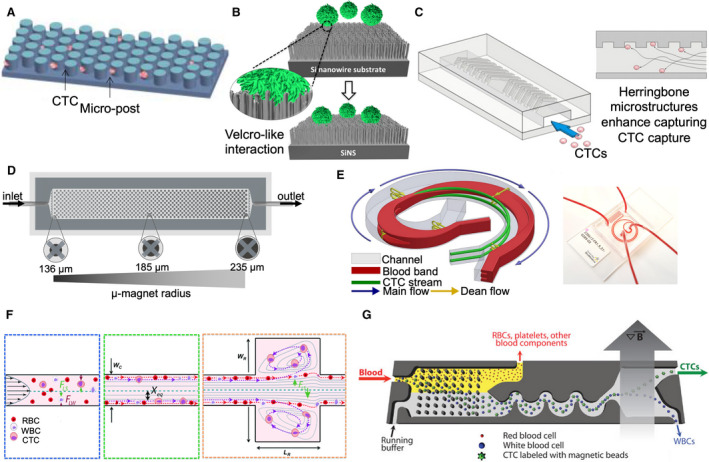
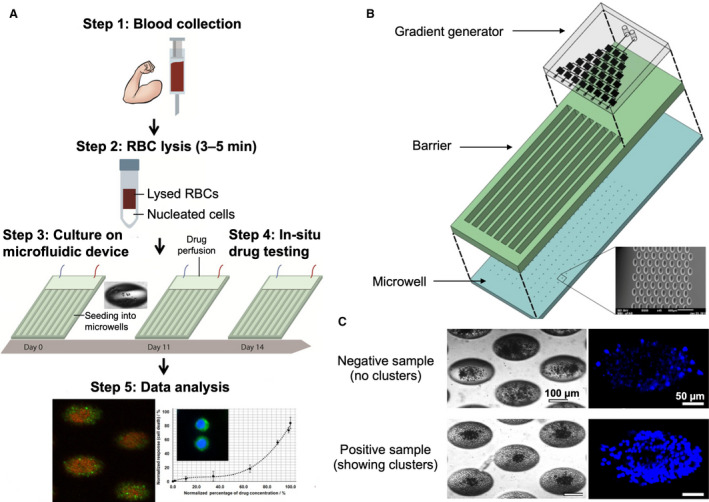
Analysis of circulating tumor cells (CTCs) collected from patient's blood offers a broad range of opportunities in the field of precision oncology. With new advances in profiling technology, it is now possible to demonstrate an association between the molecular profiles of CTCs and tumor response to therapy. In this Review, we discuss mechanisms of tumor resistance to therapy and their link to phenotypic and genotypic properties of CTCs. We summarize key technologies used to isolate and analyze CTCs and discuss recent clinical studies that examined CTCs for genomic and proteomic predictors of responsiveness to therapy. We also point out current limitations that still hamper the implementation of CTCs into clinical practice. We finally reflect on how these shortcomings can be addressed with the likely contribution of multiparametric approaches and advanced data analytics.
从患者血液中采集的循环肿瘤细胞(CTC)分析在精准肿瘤学领域提供了广泛的机会。随着分析技术的新进展,现在可以证明 CTC 的分子谱与肿瘤对治疗的反应之间存在关联。在这篇综述中,我们讨论了肿瘤对治疗产生耐药性的机制及其与 CTC 的表型和基因型特性之间的联系。我们总结了用于分离和分析 CTC 的关键技术,并讨论了最近的临床研究,这些研究检查了 CTC 的基因组和蛋白质组学预测因子,以预测对治疗的反应。我们还指出了当前仍然阻碍 CTC 进入临床实践的局限性。最后,我们反思了如何通过多参数方法和先进数据分析的可能贡献来解决这些缺点。