Carvalho Laura Sofia, Gonçalves Nélio, Fonseca Nuno André, Moreira João Nuno
CNC-Center for Neurosciences and Cell Biology, Center for Innovative Biomedicine and Biotechnology (CIBB), Faculty of Medicine (Polo 1), University of Coimbra, Rua Larga, 3004-504 Coimbra, Portugal.
TREAT U, SA-Parque Industrial de Taveiro, Lote 44, 3045-508 Coimbra, Portugal.
Pharmaceuticals (Basel). 2021 Jan 13;14(1):60. doi: 10.3390/ph14010060.
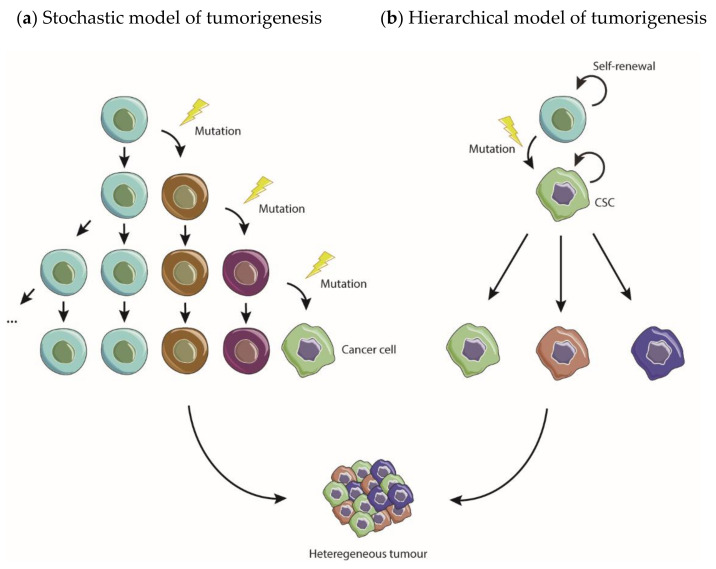
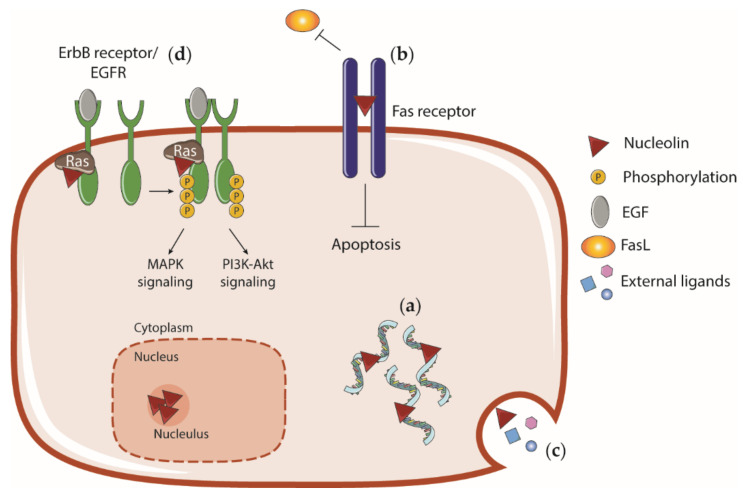
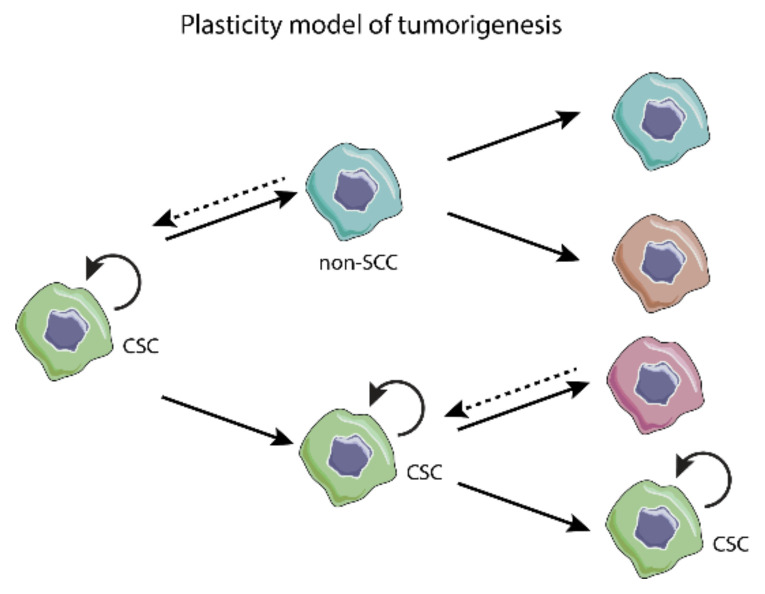
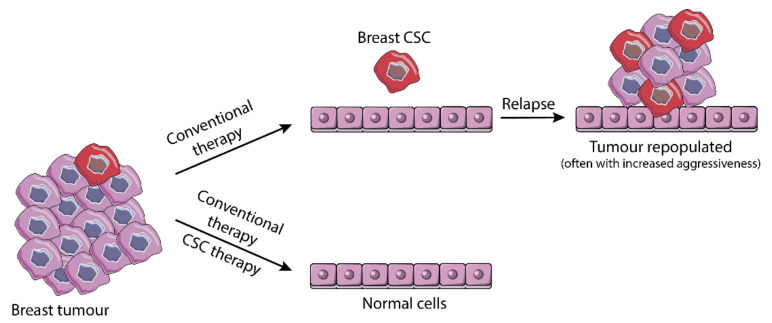
Cancer, one of the most mortal diseases worldwide, is characterized by the gain of specific features and cellular heterogeneity. Clonal evolution is an established theory to explain heterogeneity, but the discovery of cancer stem cells expanded the concept to include the hierarchical growth and plasticity of cancer cells. The activation of epithelial-to-mesenchymal transition and its molecular players are widely correlated with the presence of cancer stem cells in tumors. Moreover, the acquisition of certain oncological features may be partially attributed to alterations in the levels, location or function of nucleolin, a multifunctional protein involved in several cellular processes. This review aims at integrating the established hallmarks of cancer with the plasticity of cancer cells as an emerging hallmark; responsible for tumor heterogeneity; therapy resistance and relapse. The discussion will contextualize the involvement of nucleolin in the establishment of cancer hallmarks and its application as a marker protein for targeted anticancer therapies.
癌症是全球最致命的疾病之一,其特征是具有特定特征和细胞异质性。克隆进化是解释异质性的既定理论,但癌症干细胞的发现扩展了这一概念,将癌细胞的分层生长和可塑性也纳入其中。上皮-间质转化及其分子参与者的激活与肿瘤中癌症干细胞的存在广泛相关。此外,某些肿瘤学特征的获得可能部分归因于核仁素水平、位置或功能的改变,核仁素是一种参与多种细胞过程的多功能蛋白质。本综述旨在将已确立的癌症特征与癌细胞的可塑性整合起来,将其作为一种新出现的特征;这种特征导致肿瘤异质性、治疗耐药性和复发。讨论将把核仁素在癌症特征确立中的作用及其作为靶向抗癌治疗标记蛋白的应用置于具体背景中。