Department of Neurology, Shiga University of Medical Science, Japan.
Intern Med. 2021 Jun 15;60(12):1935-1939. doi: 10.2169/internalmedicine.6396-20. Epub 2021 Jan 15.
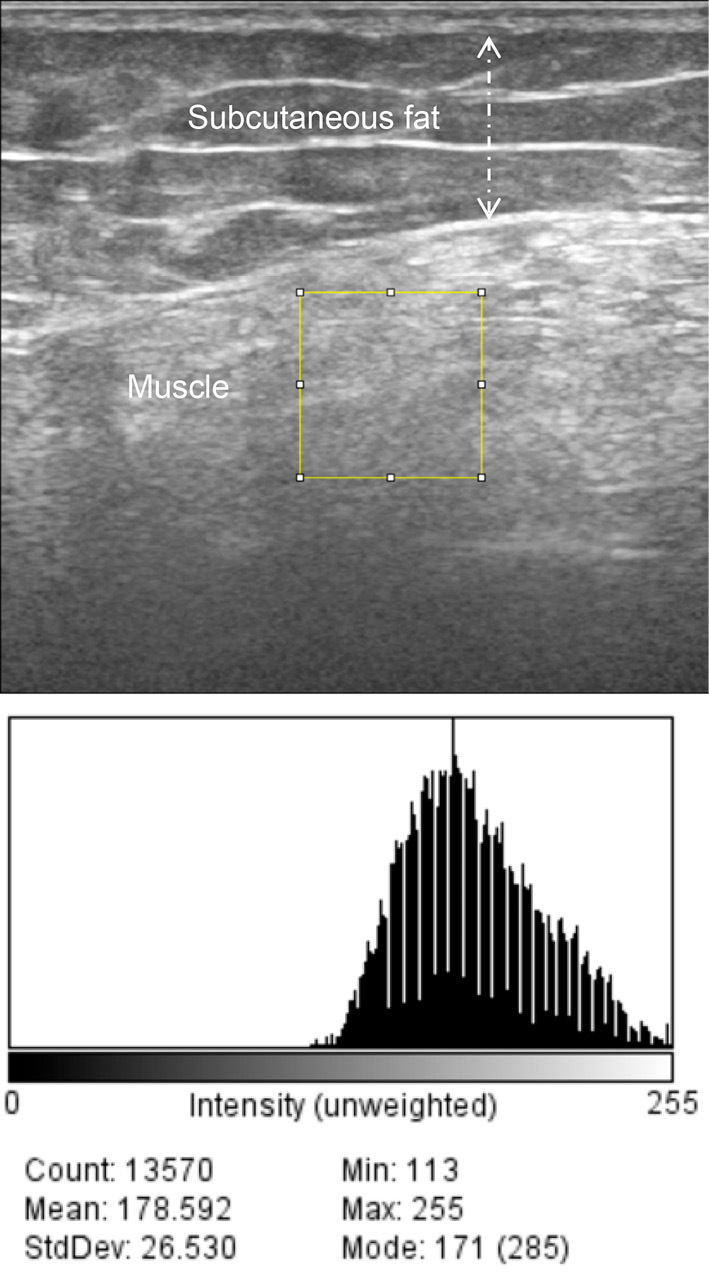
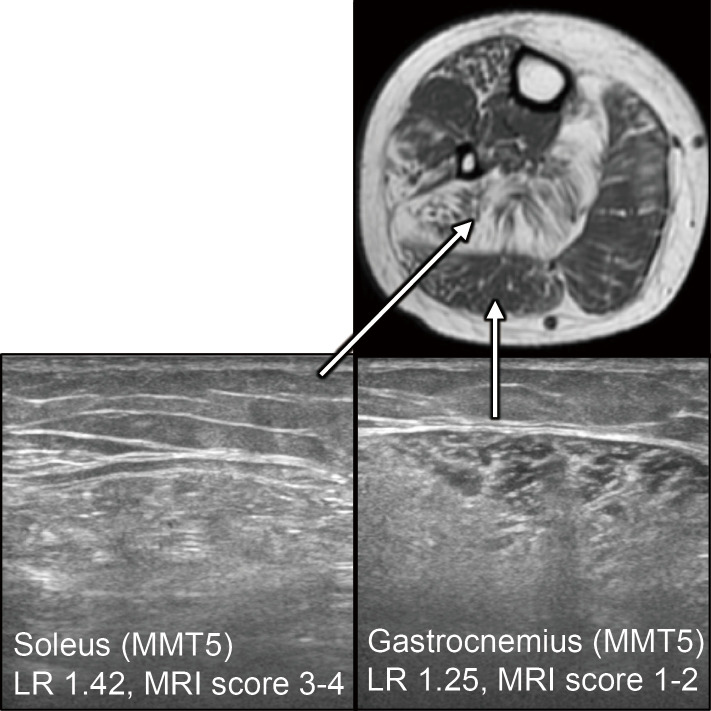
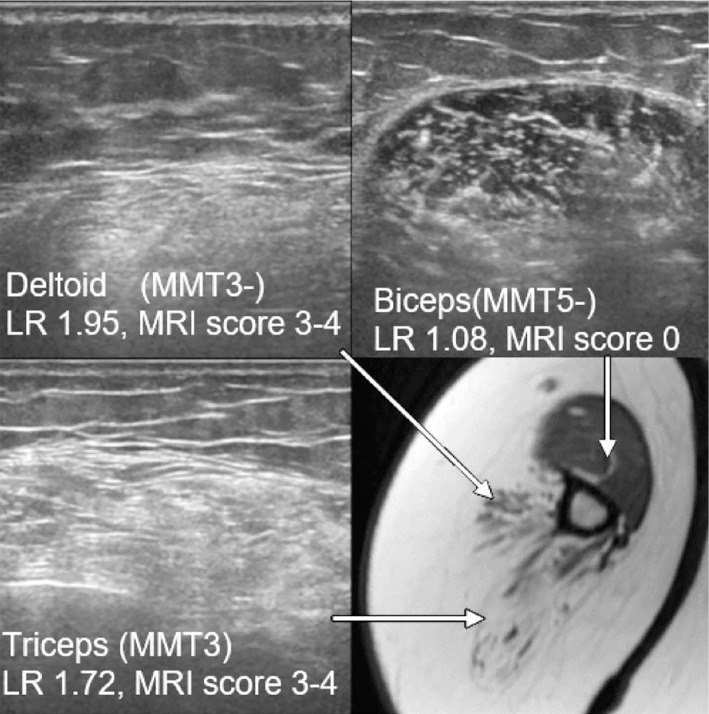
A 23-year-old woman was admitted for slowly progressive proximal limb muscle weakness from childhood with elevated muscle enzyme levels. Although muscular diseases were suspected, an electromyogram showed remarkable neurogenic changes, and a muscle echogram indicated selective muscle involvement, including dissociation between the soleus and gastrocnemius, which was consistent with previous reports using magnetic resonance imaging (MRI). She was diagnosed with SMA type 3 following genetic testing, and nusinersen was soon initiated. An early diagnosis is mandatory to maximize the benefit of treatment. A muscle echogram may facilitate an early diagnosis in a non-invasive and time-saving manner compared to MRI.
一位 23 岁女性自幼出现进行性近端肢体肌无力,伴有肌肉酶水平升高。尽管怀疑是肌肉疾病,但肌电图显示明显的神经源性改变,肌肉超声显示选择性肌肉受累,包括比目鱼肌和腓肠肌分离,这与之前使用磁共振成像(MRI)的报告一致。基因检测后,她被诊断为 3 型 SMA,随后很快开始使用 nusinersen 进行治疗。早期诊断对于最大限度地提高治疗效果至关重要。与 MRI 相比,肌肉超声检查可以更无创、更省时地促进早期诊断。