Cochrane South Africa, South African Medical Research Council, Cape Town, South Africa.
Department of Epidemiology, University of Washington, Seattle, Washington, USA.
Pan Afr Med J. 2020 Nov 24;37(Suppl 1):40. doi: 10.11604/pamj.supp.2020.37.40.23458. eCollection 2020.
research is not only needed to prioritise the best possible response during an epidemic and pandemic, it is also understood to be a core pillar of outbreak response. However, few African countries are equipped to perform the needed surveillance and research activities during an outbreak. Therefore, we mapped out research agendas aimed at increased research preparedness towards epidemics or pandemics in Africa.
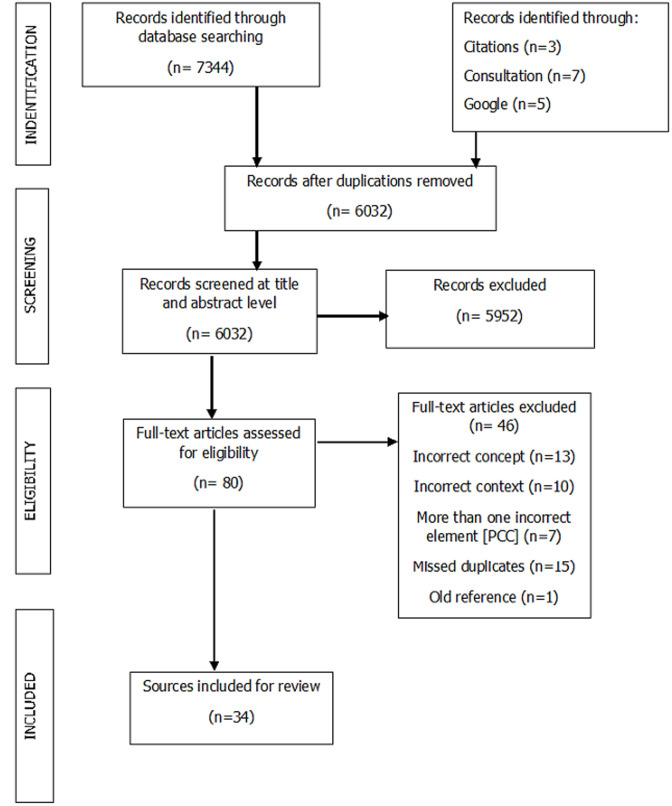
eligible studies were searched for in in PubMed, Scopus, and Google Scholar. Additionally, grey literature was sought in Google, citation searches, as well as targeted sites such as the World Health Organization (WHO), Africa Centres for Disease Control and Prevention, African Union, and the Wellcome Trust. Searches were done in March 2020.
the electronic searches yielded 7344 records, of which 34 articles were included in the study. The studies identified around 18 factors highlighted through various research agendas. Majority of the research agendas spoke to general epidemic preparedness and focused largely on understanding virus transmission such as its characteristics and dynamics, and the infrastructure needed to carry out vital research activities.
the review highlights the research needs in order to carry out vital research work but to also bridge knowledge gaps and harmonize outbreak response from key stakeholders. However, Africa needs to create its own health research agendas and capacitate itself to conduct and lead these studies. African health research decisions must center on Africa, with African researchers taking the lead not only on the science produced but ensuring inclusive and equitable involvement from fellow researchers, and in engaging national health ministries as well as the communities.
研究不仅是在疫情和大流行期间确定最佳应对措施的必要手段,也是疫情应对的核心支柱之一。然而,很少有非洲国家有能力在疫情期间开展所需的监测和研究活动。因此,我们制定了研究议程,旨在提高非洲应对传染病和大流行的研究准备能力。
在 PubMed、Scopus 和 Google Scholar 中搜索符合条件的研究。此外,还在 Google、引文搜索以及世界卫生组织(WHO)、非洲疾病控制和预防中心、非洲联盟和惠康信托等目标网站中搜索了灰色文献。搜索于 2020 年 3 月进行。
电子搜索产生了 7344 条记录,其中 34 篇文章被纳入研究。这些研究确定了 18 个左右的因素,这些因素通过各种研究议程得到了强调。大多数研究议程都涉及一般的传染病准备工作,主要集中在了解病毒传播方面,如病毒的特征和动态,以及开展重要研究活动所需的基础设施。
该综述强调了开展重要研究工作的必要性,以弥合知识差距,并协调关键利益攸关方的疫情应对。然而,非洲需要制定自己的卫生研究议程,并使自己有能力开展和领导这些研究。非洲卫生研究决策必须以非洲为中心,让非洲研究人员不仅在科学研究方面发挥主导作用,而且还要确保研究人员的广泛参与,并与国家卫生部门以及社区进行接触。