Della Camera Giacomo, Lipsa Dorelia, Mehn Dora, Italiani Paola, Boraschi Diana, Gioria Sabrina
European Commission, Joint Research Centre, 21027 Ispra, Italy.
Institute of Biochemistry and Cell Biology, National Research Council, 80131 Naples, Italy.
Int J Mol Sci. 2021 Jan 15;22(2):820. doi: 10.3390/ijms22020820.
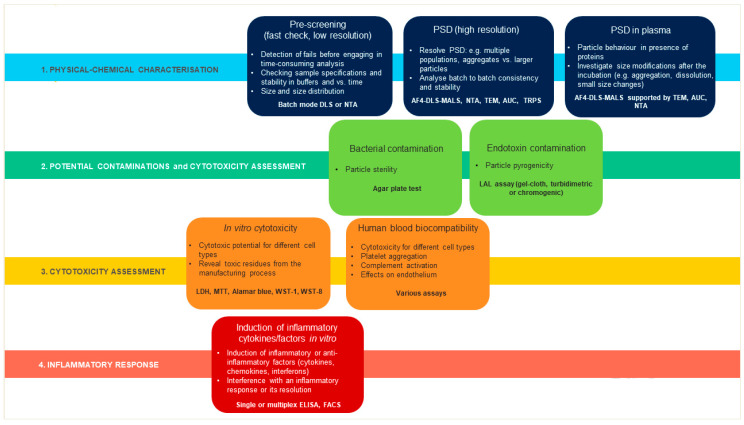
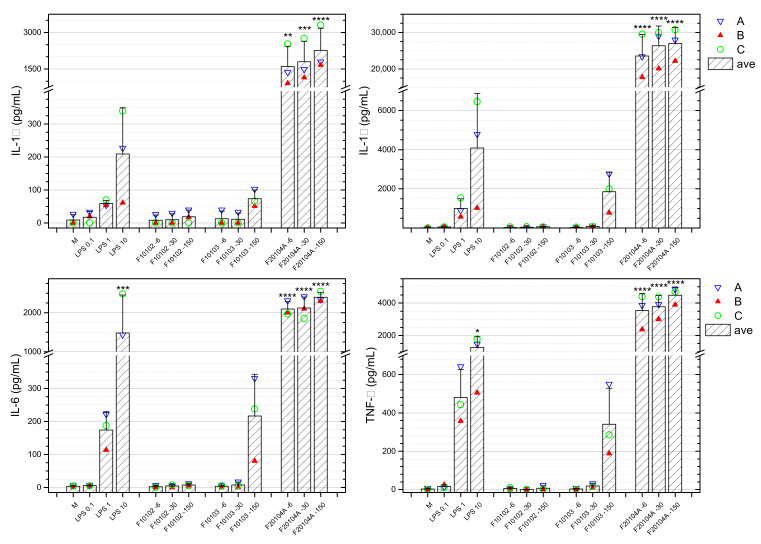
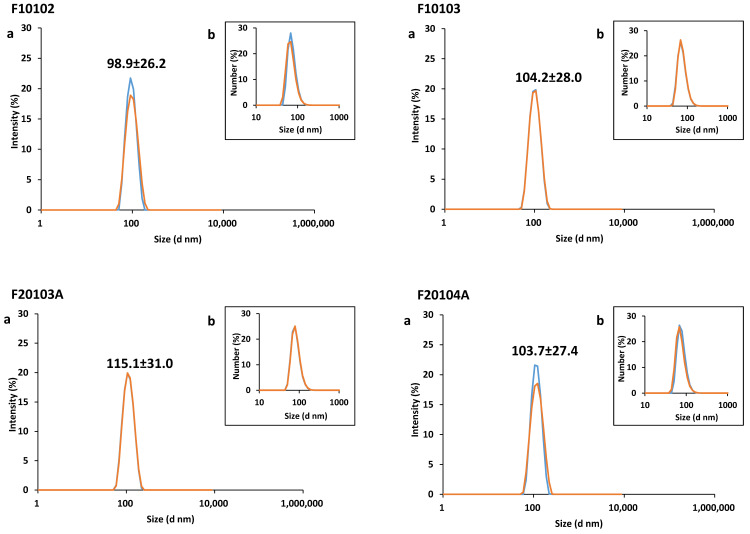
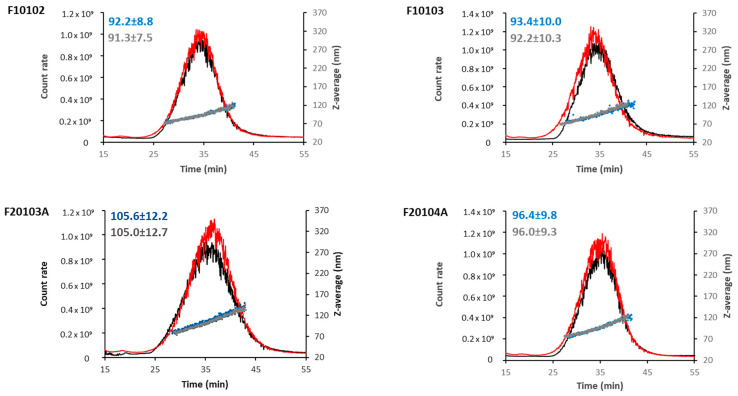
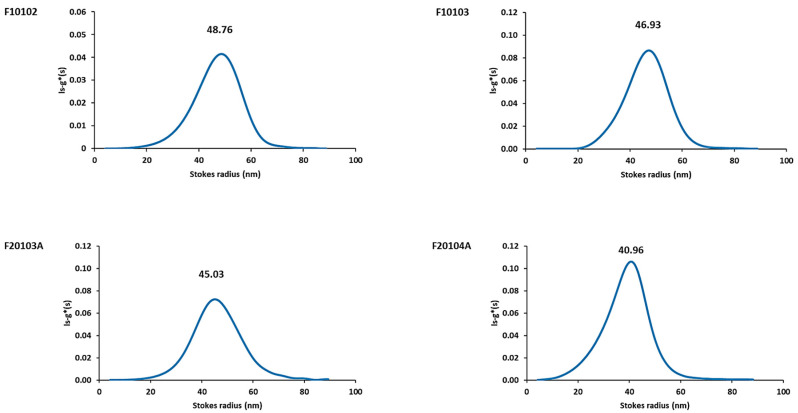
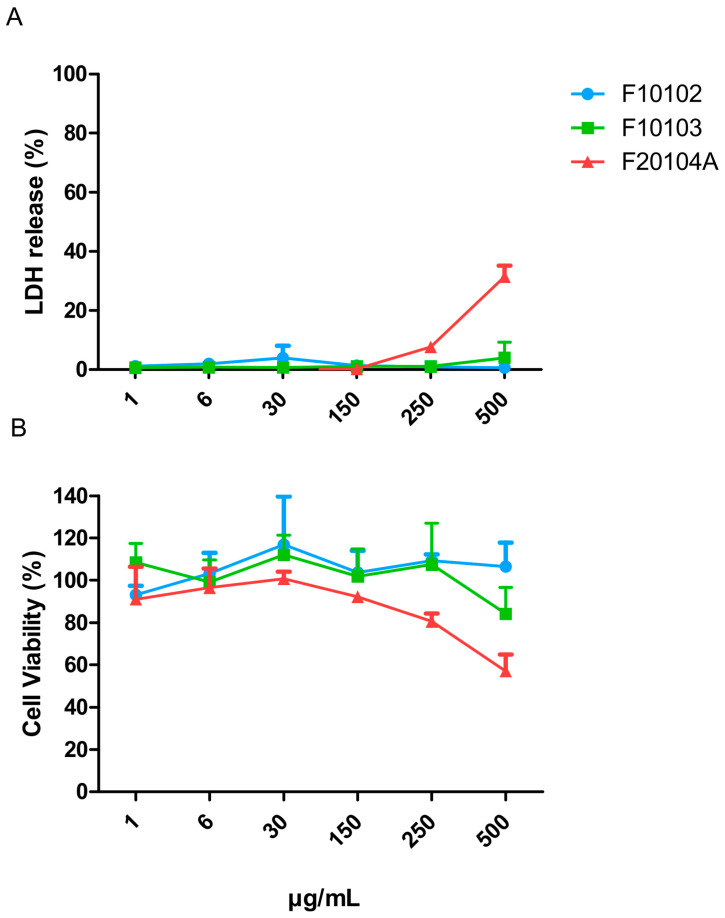
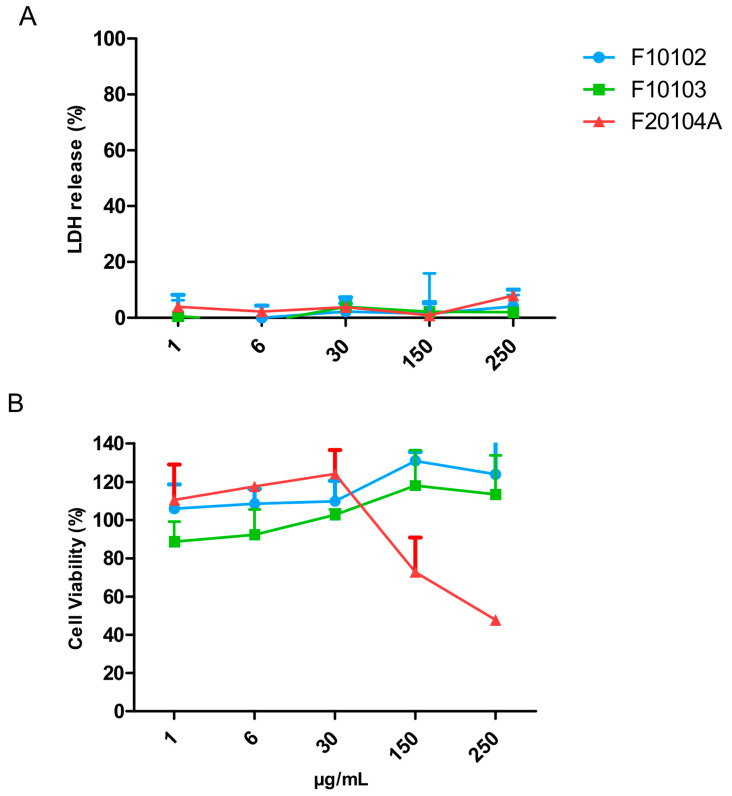
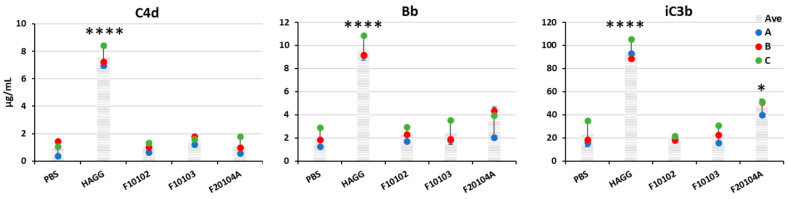
This study aims to provide guidelines to design and perform a robust and reliable physical-chemical characterization of liposome-based nanomaterials, and to support method development with a specific focus on their inflammation-inducing potential. Out of eight differently functionalized liposomes selected as "case-studies", three passed the physical-chemical characterization ( in terms of size-distribution, homogeneity and stability) and the screening for bacterial contamination (sterility and apyrogenicity). Although all three were non-cytotoxic when tested in vitro, they showed a different capacity to activate human blood cells. HSPC/CHOL-coated liposomes elicited the production of several inflammation-related cytokines, while DPPC/CHOL- or DSPC/CHOL-functionalized liposomes did not. This work underlines the need for accurate characterization at multiple levels and the use of reliable in vitro methods, in order to obtain a realistic assessment of liposome-induced human inflammatory response, as a fundamental requirement of nanosafety regulations.
本研究旨在提供指导方针,以设计并开展基于脂质体的纳米材料稳健且可靠的物理化学表征,并支持方法开发,特别关注其诱导炎症的潜力。在选为“案例研究”的八种不同功能化脂质体中,三种通过了物理化学表征(在尺寸分布、均一性和稳定性方面)以及细菌污染筛查(无菌性和无热原性)。尽管这三种在体外测试时均无细胞毒性,但它们激活人类血细胞的能力有所不同。HSPC/CHOL包被的脂质体引发了几种炎症相关细胞因子的产生,而DPPC/CHOL或DSPC/CHOL功能化的脂质体则没有。这项工作强调了在多个层面进行准确表征以及使用可靠体外方法的必要性,以便对脂质体诱导的人类炎症反应进行现实评估,这是纳米安全法规的一项基本要求。