Nonwovens Innovation & Research Institute Ltd, 169 Meanwood Road, Leeds, LS7 1SR, West Yorkshire, UK.
Tropical Health LLP, Montagut, Spain.
Malar J. 2021 Jan 19;20(1):46. doi: 10.1186/s12936-020-03566-1.
In common with the majority of personal protective equipment and healthcare products, the ability for long-lasting insecticidal nets (LLINs) to remain in good physical condition during use is a key factor governing fitness for purpose and serviceability. The inherent ability of a product to resist physical deterioration should be known in advance of it being used to ensure it has maximum value to both the end-user and procurer. The objective of this study was to develop a single performance metric of resistance to damage (RD) that can be applied to any LLIN product prior to distribution.
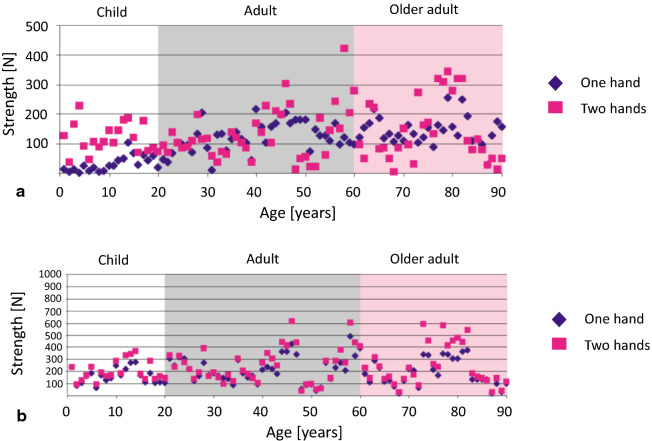
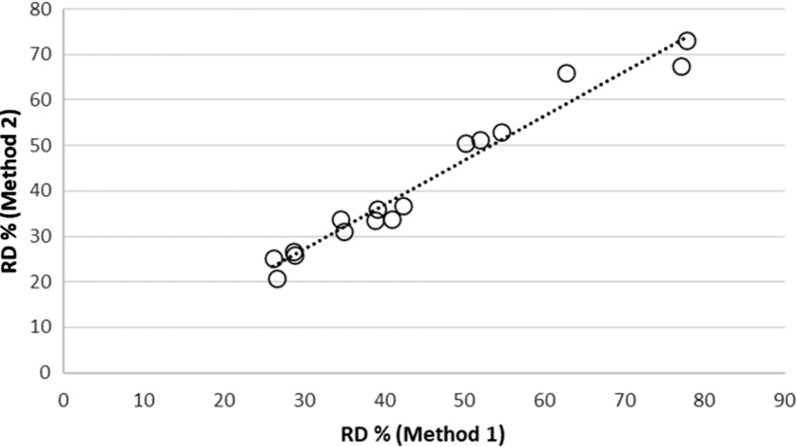
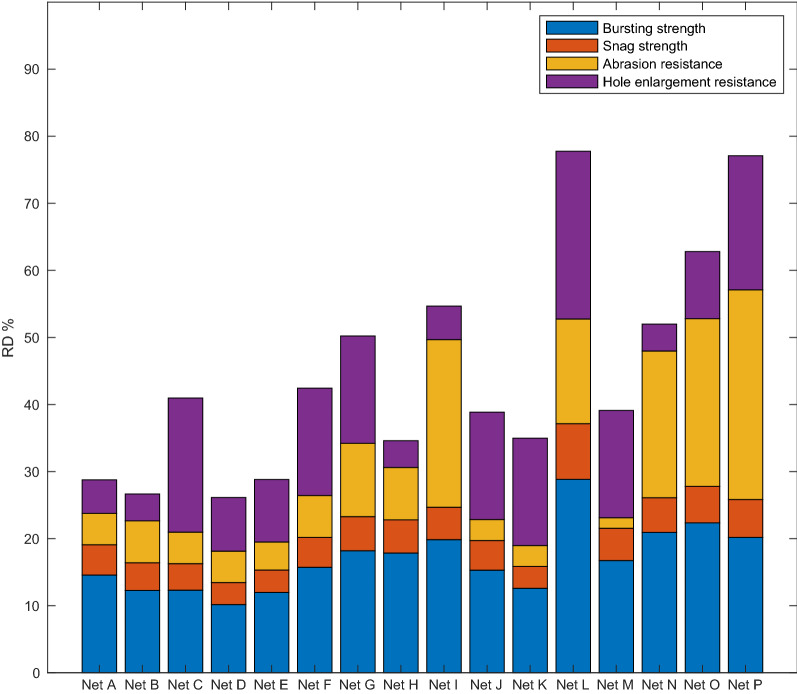
Algorithms to calculate RD values were developed based on consideration of both human factors and laboratory testing data. Quantitative reference forces applied to LLINs by users during normal use were determined so that aspirational performance levels could be established. The ability of LLINs to resist mechanical damage was assessed based on a new suite of textile tests, reflecting actual mechanisms of physical deterioration during normal household use. These tests quantified the snag strength, bursting strength, abrasion resistance and resistance to hole enlargement. Sixteen different unused LLINs were included in the analysis. The calculated RD values for all LLINs and the corresponding physical integrity data for the same nets retrieved from the field (up to 3 years of use) were then compared.
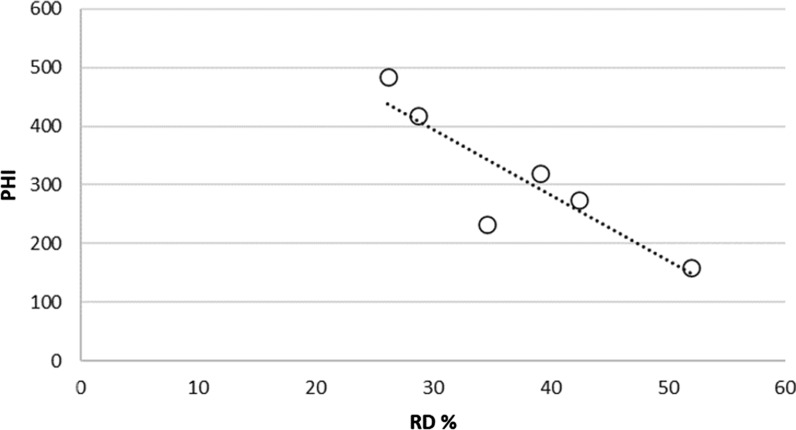
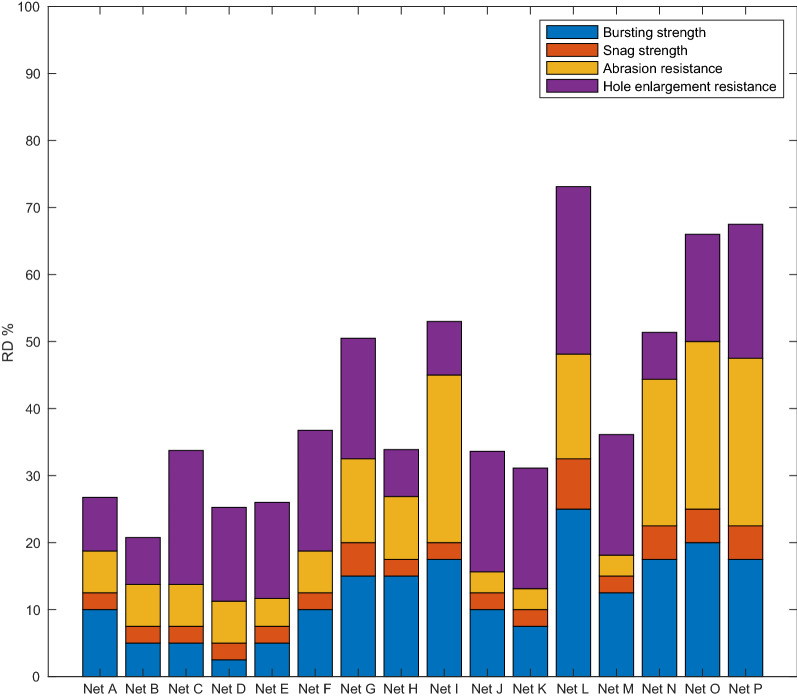
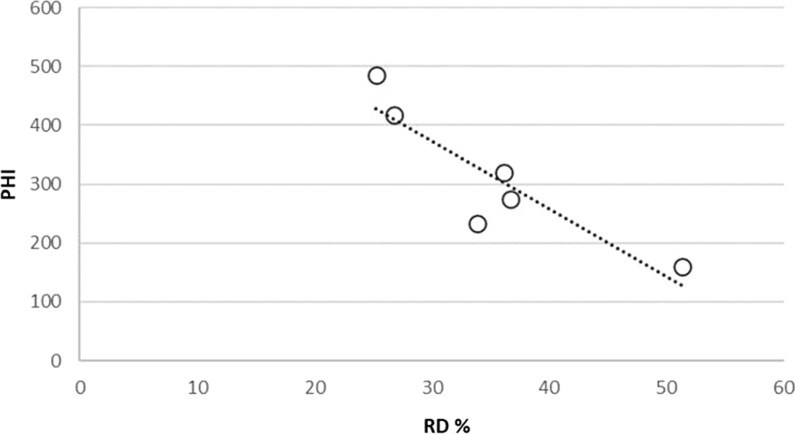
On a RD scale of 0 (lowest resistance) - 100 (highest resistance), only six of the sixteen LLINs achieved an RD value above 50. No current LLIN achieved the aspirational level of resistance to damage (RD = 100), suggesting that product innovation is urgently required to increase the RD of LLINs. LLINs with higher RD values were associated with lower hole damage (PHI) in the field when adjusted for normal use conditions.
The RD value of any LLIN product can be determined prior to distribution based on the developed algorithms and laboratory textile testing data. Generally, LLINs need to achieve higher RD values to improve their ability to resist hole formation during normal use. Innovation in LLIN product design focused on the textile material should be actively encouraged and is urgently needed to close the performance gap.
与大多数个人防护设备和医疗保健产品一样,长效杀虫网(LLIN)在使用过程中保持良好物理状态的能力是决定其适用性和耐用性的关键因素。在将产品投入使用之前,应了解其抵抗物理劣化的固有能力,以确保其对最终用户和采购者都具有最大的价值。本研究的目的是开发一种单一的抗损伤(RD)性能指标,可以在分配之前应用于任何 LLIN 产品。
根据对人为因素和实验室测试数据的考虑,开发了计算 RD 值的算法。确定了用户在正常使用过程中对 LLIN 施加的定量参考力,以便建立理想的性能水平。根据一套新的反映正常家庭使用过程中物理劣化实际机制的纺织测试来评估 LLIN 抵抗机械损伤的能力。这些测试量化了钩挂强度、爆破强度、耐磨性和孔径扩大阻力。分析中包括 16 个未使用的 LLIN。然后比较了所有 LLIN 的计算 RD 值和从现场取回的相同网的相应物理完整性数据(最长 3 年的使用)。
在 RD 量表 0(最低阻力)-100(最高阻力)中,只有 16 个 LLIN 中的 6 个达到了 RD 值高于 50。没有当前的 LLIN 达到理想的抗损伤阻力(RD=100),这表明迫切需要产品创新来提高 LLIN 的 RD。在调整正常使用条件后,RD 值较高的 LLIN 与现场较低的孔损伤(PHI)相关。
可以根据开发的算法和实验室纺织测试数据在分配前确定任何 LLIN 产品的 RD 值。通常,LLIN 需要达到更高的 RD 值,以提高其在正常使用过程中抵抗形成孔的能力。应积极鼓励并迫切需要创新 LLIN 产品设计,重点关注纺织材料,以缩小性能差距。