Zanghellini Benjamin, Knaack Patrick, Schörpf Sebastian, Semlitsch Karl-Heinz, Lichtenegger Helga C, Praher Bernhard, Omastova Maria, Rennhofer Harald
Instiute of Physics and Materials Science, University of Natural Resources and Life Sciences Vienna, 1190 Vienna, Austria.
Instiute of Applied Synthetic Chemistry, Technical University of Vienna, 1190 Vienna, Austria.
Polymers (Basel). 2021 Jan 19;13(2):308. doi: 10.3390/polym13020308.
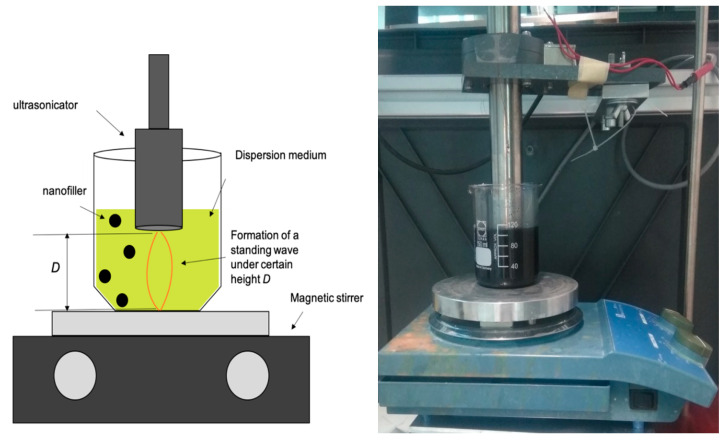
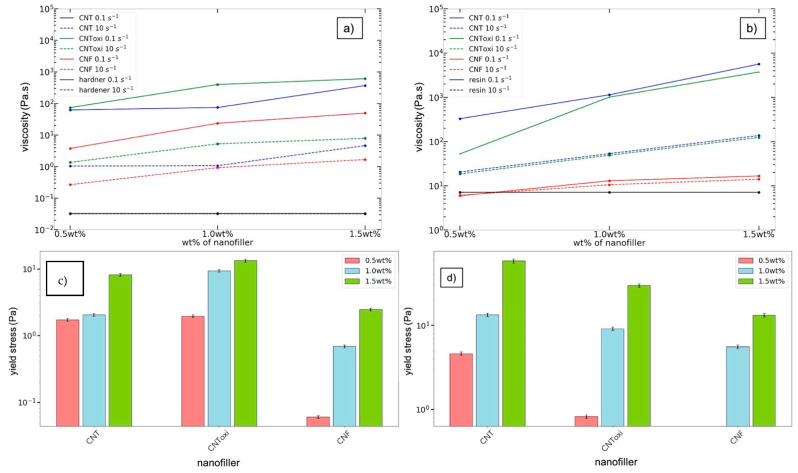
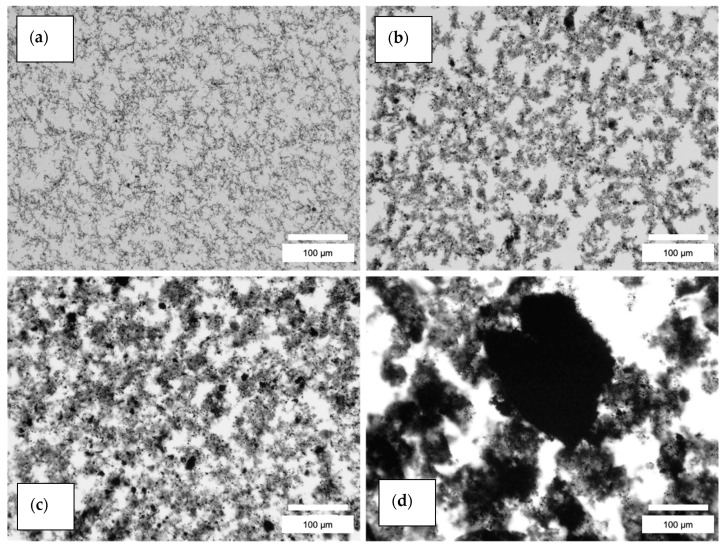
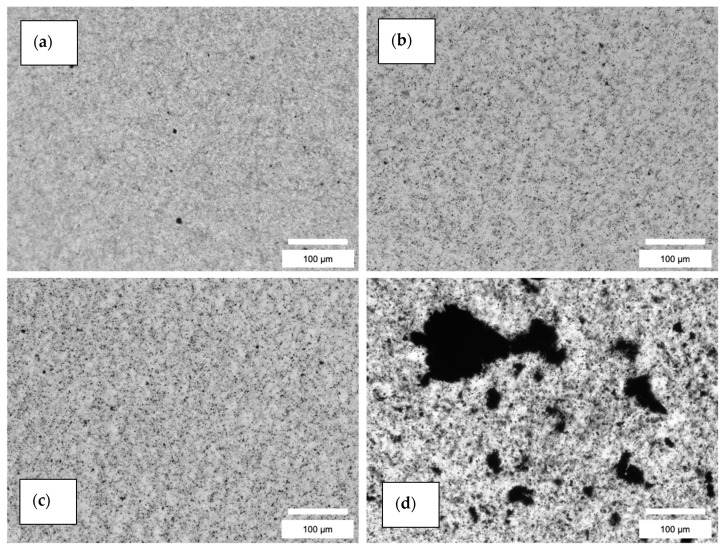
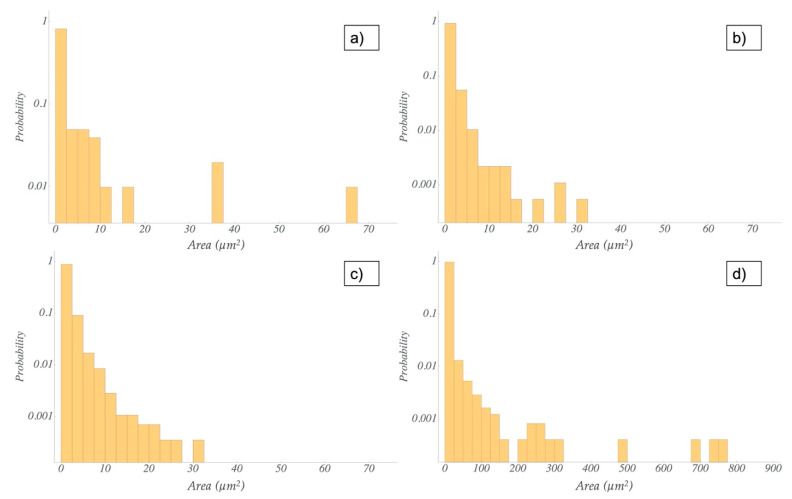
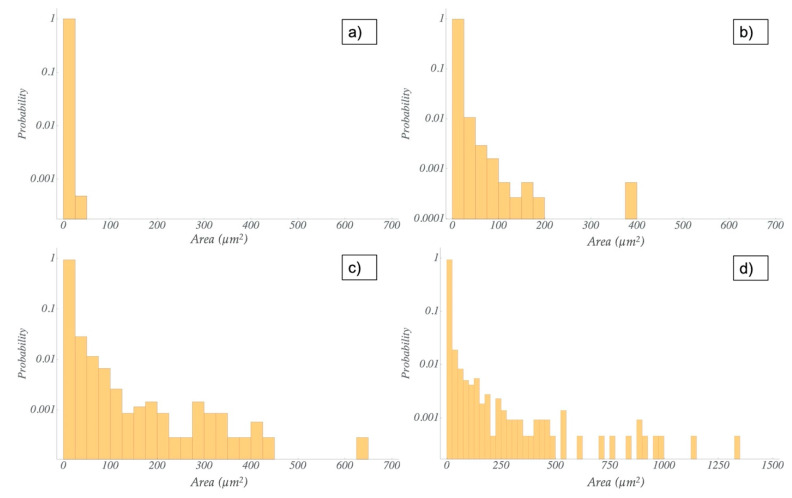
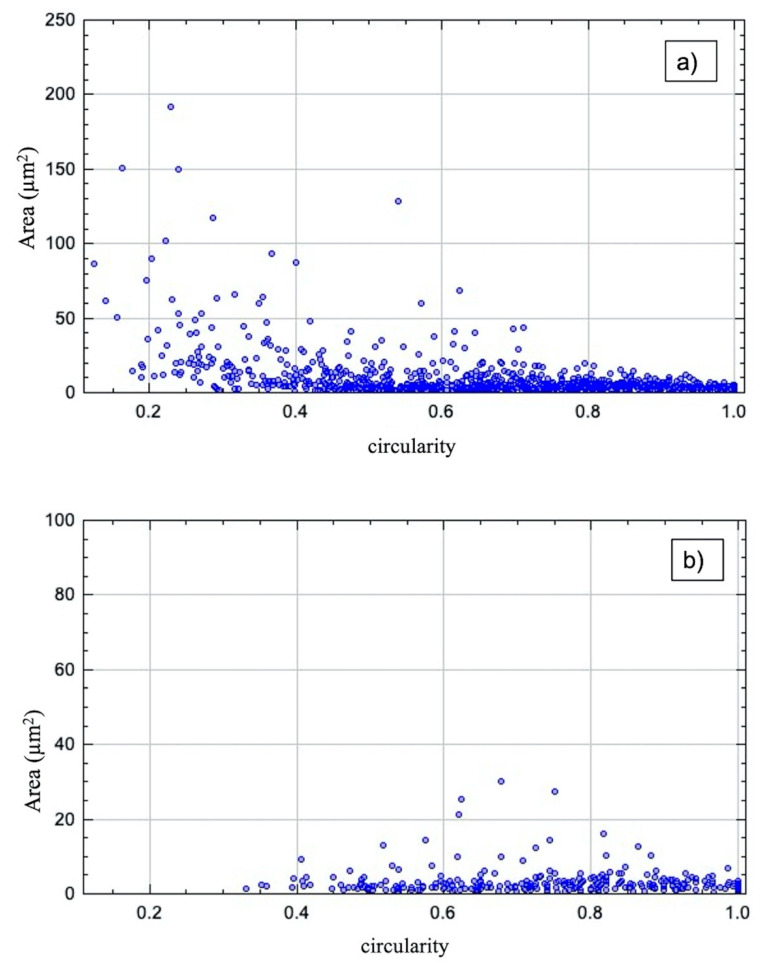
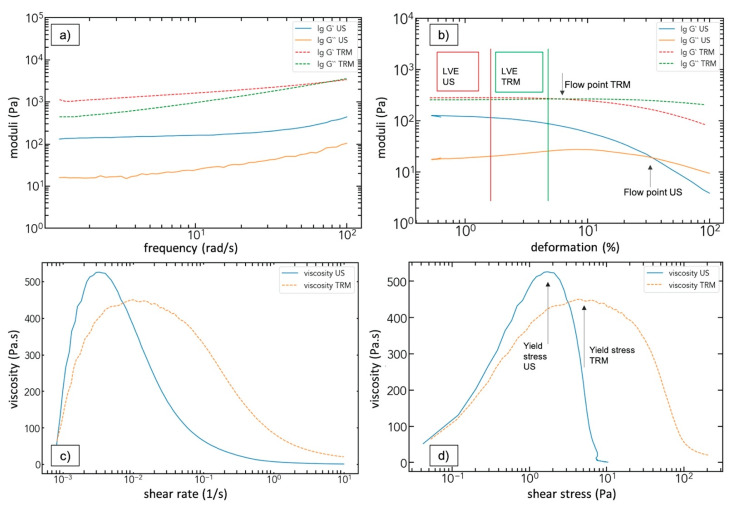
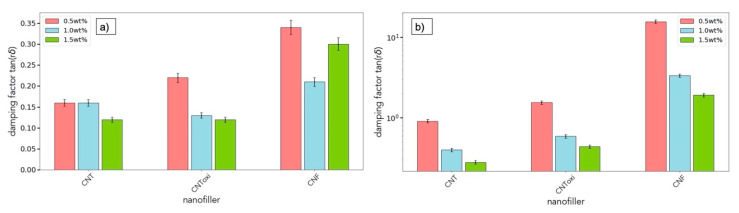
Dispersion of carbon nanotubes and carbon nanofibers is a crucial processing step in the production of polymer-based nanocomposites and poses a great challenge due to the tendency of nanofillers to agglomerate. One of the most effective methods for dispersion is the use of a three-roll mill, which is a well-established method and results in agglomerates below 5 µm. Nevertheless, this process is time-consuming and thus a limiting factor for industrial applications. Our aim was to establish an easy and efficient ultrasonic dispersion process, characterize the dispersion parameters, and compare both methods, ultrasonication and the three-roll mill. We applied rheological tests and analyzed the agglomerate sizes by an image fit of the microscopy images. All these analyses combined deliver a valuable set of information about the dispersion's quality and, therefore, allows the improvement and further adaptation of the dispersion process.
碳纳米管和碳纳米纤维的分散是聚合物基纳米复合材料生产中的关键加工步骤,由于纳米填料易于团聚,这带来了巨大挑战。最有效的分散方法之一是使用三辊研磨机,这是一种成熟的方法,可使团聚体尺寸低于5微米。然而,该过程耗时较长,因此是工业应用的一个限制因素。我们的目标是建立一种简便高效的超声分散工艺,表征分散参数,并比较超声处理和三辊研磨机这两种方法。我们进行了流变学测试,并通过显微镜图像的图像拟合分析团聚体尺寸。所有这些分析相结合,提供了一组有关分散质量的宝贵信息,从而有助于改进和进一步调整分散工艺。