Department of Biochemistry and Molecular Genetics, University of Alabama at Birmingham, Birmingham, Alabama, USA.
Institute of Genetics and Molecular and Cellular Biology (IGBMC) - INSERM, University of Strasbourg, Strasbourg, France.
J Biol Chem. 2021 Jan-Jun;296:100323. doi: 10.1016/j.jbc.2021.100323. Epub 2021 Jan 22.
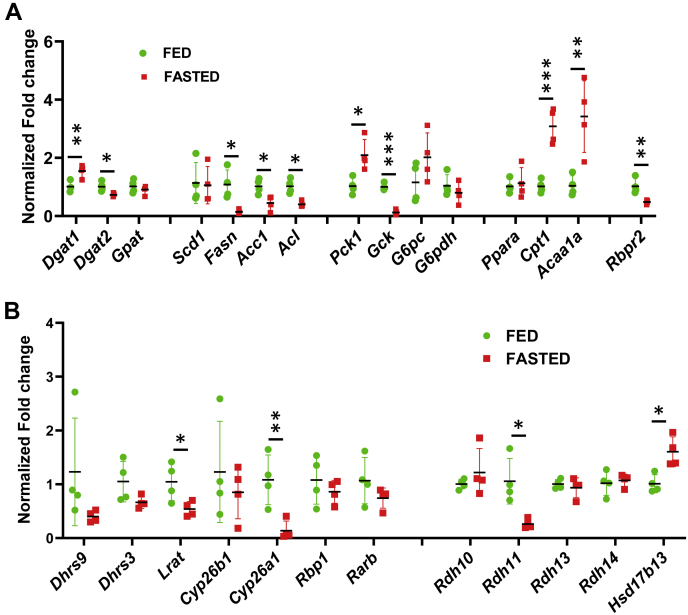
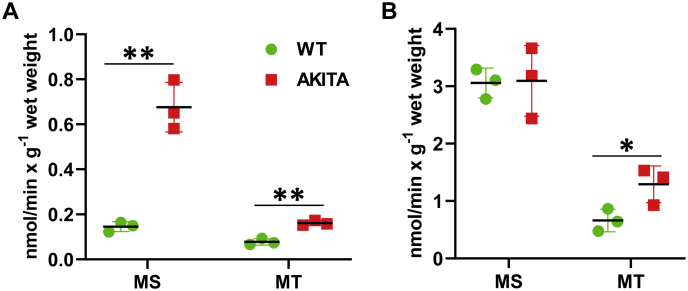
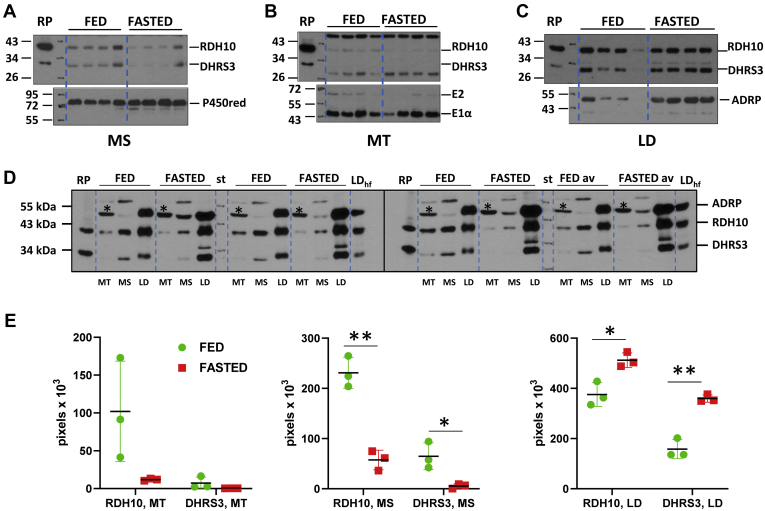
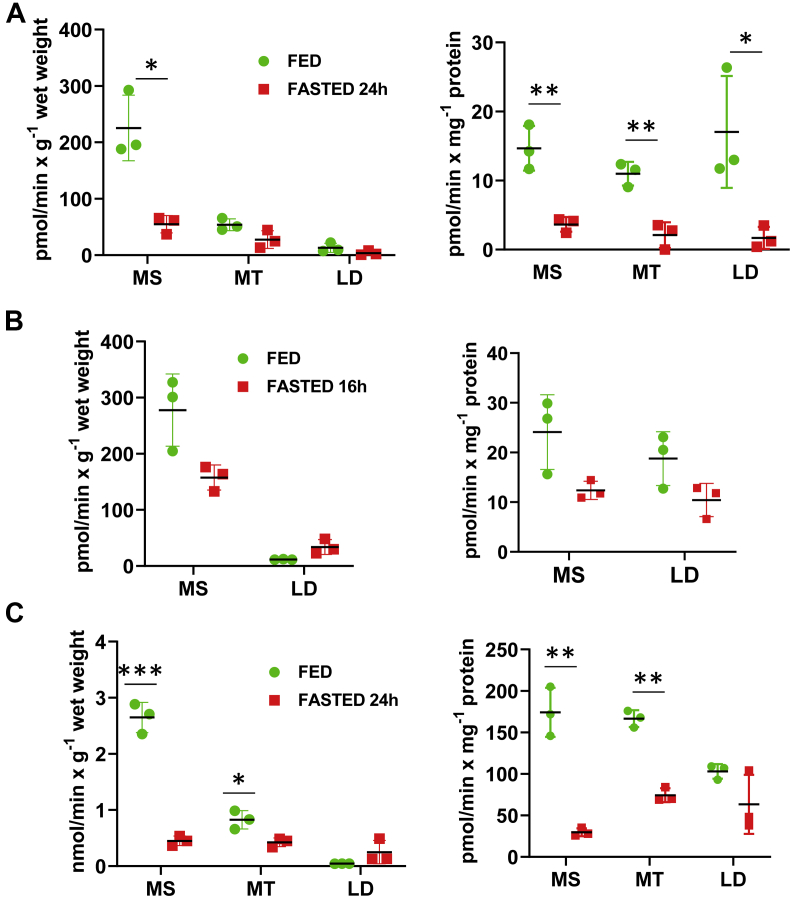
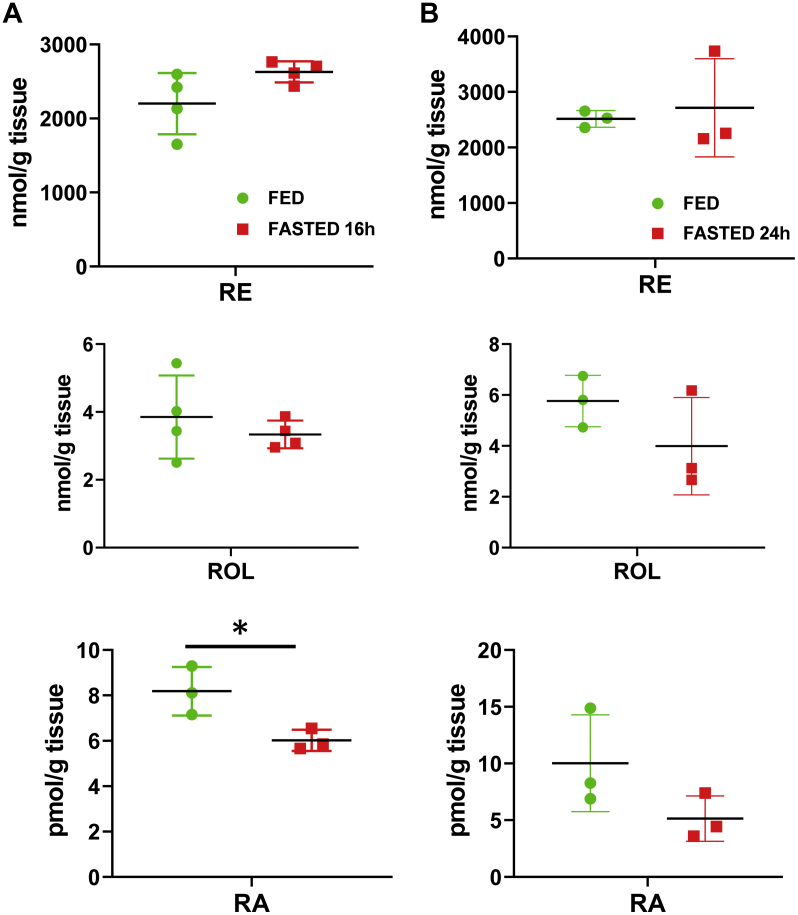
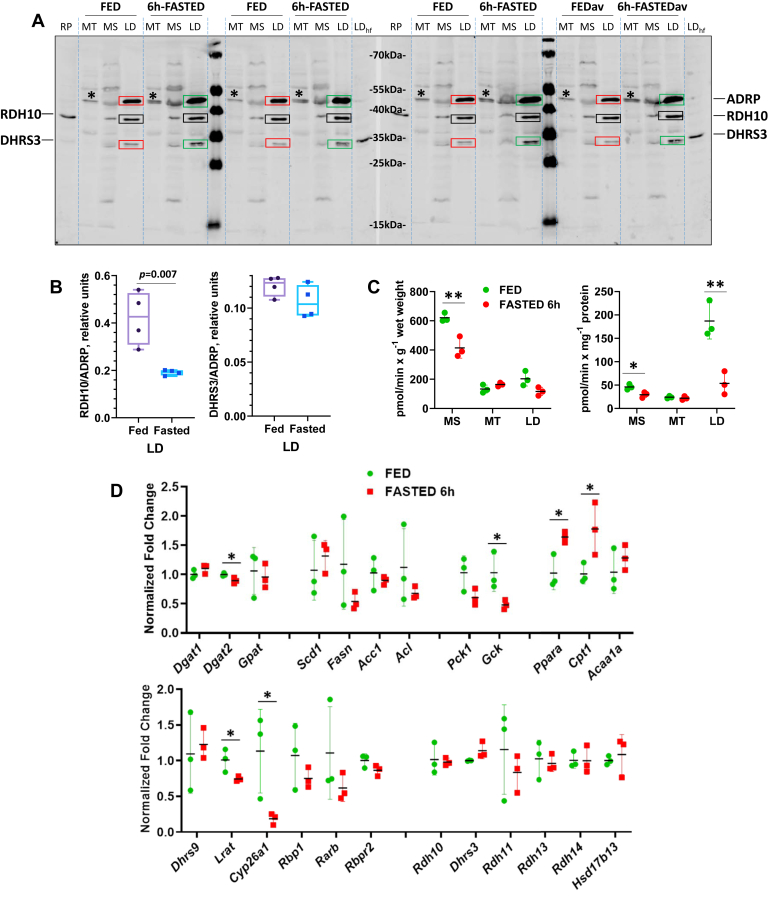
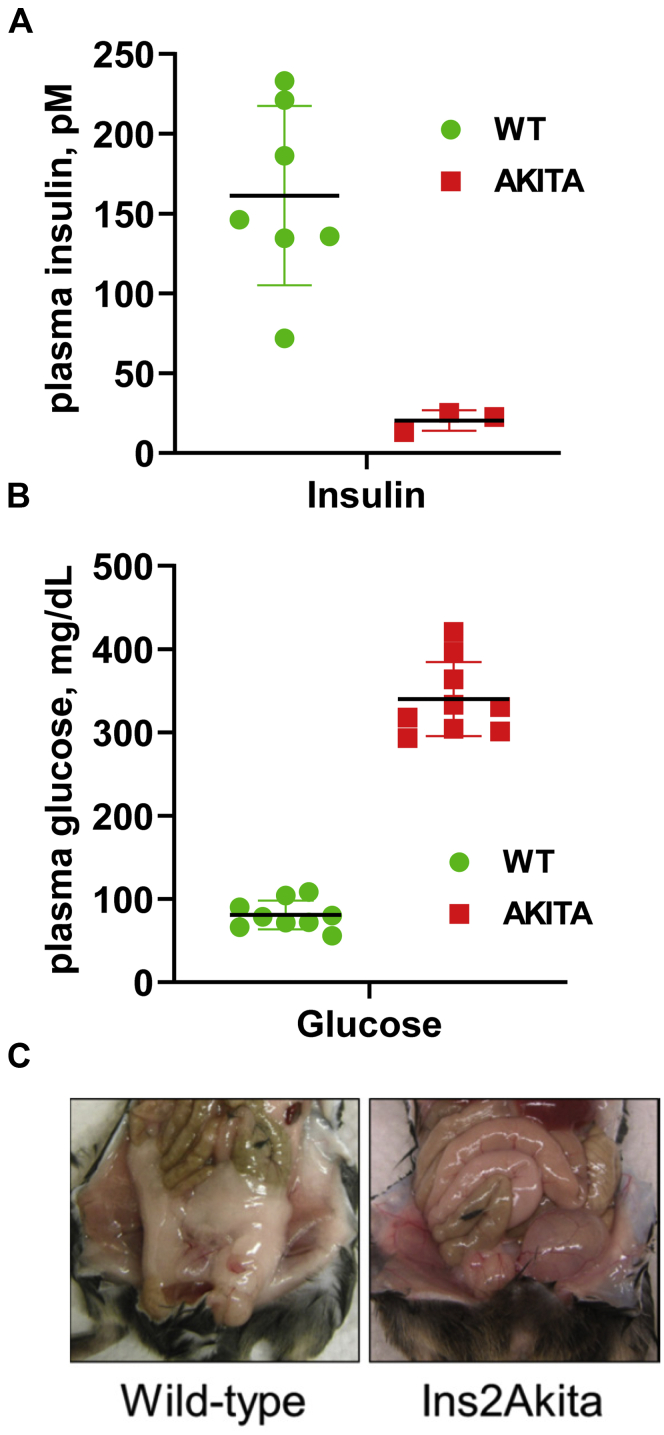
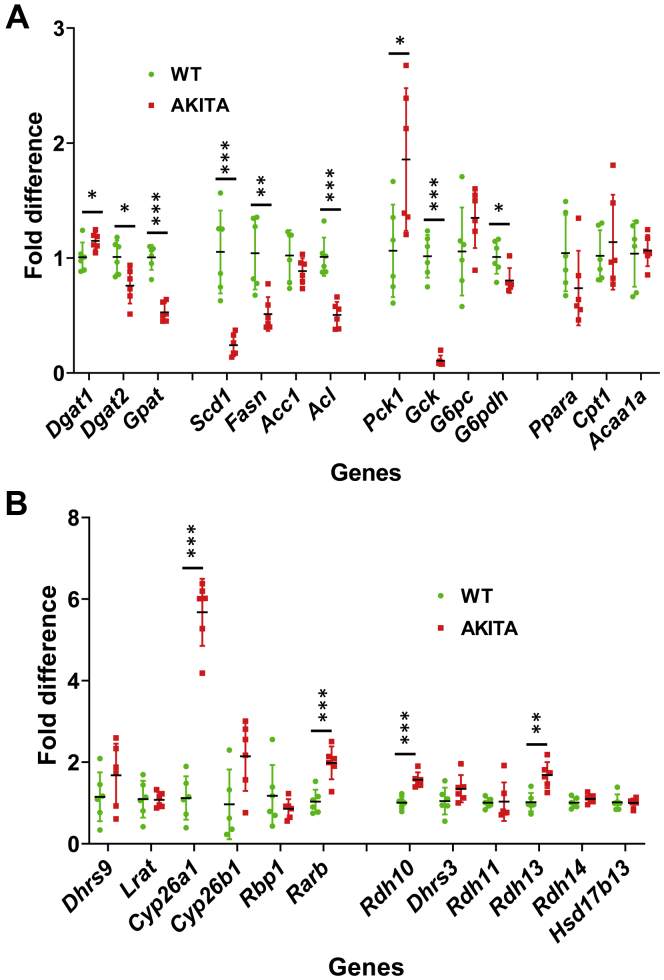
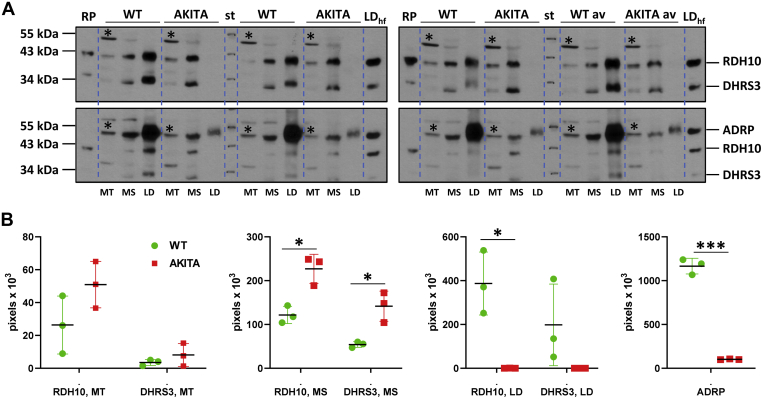
Liver is the central metabolic hub that coordinates carbohydrate and lipid metabolism. The bioactive derivative of vitamin A, retinoic acid (RA), was shown to regulate major metabolic genes including phosphoenolpyruvate carboxykinase, fatty acid synthase, carnitine palmitoyltransferase 1, and glucokinase among others. Expression levels of these genes undergo profound changes during adaptation to fasting or in metabolic diseases such as type 1 diabetes (T1D). However, it is unknown whether the levels of hepatic RA change during metabolic remodeling. This study investigated the dynamics of hepatic retinoid metabolism and signaling in the fed state, in fasting, and in T1D. Our results show that fed-to-fasted transition is associated with significant decrease in hepatic retinol dehydrogenase (RDH) activity, the rate-limiting step in RA biosynthesis, and downregulation of RA signaling. The decrease in RDH activity correlates with the decreased abundance and altered subcellular distribution of RDH10 while Rdh10 transcript levels remain unchanged. In contrast to fasting, untreated T1D is associated with upregulation of RA signaling and an increase in hepatic RDH activity, which correlates with the increased abundance of RDH10 in microsomal membranes. The dynamic changes in RDH10 protein levels in the absence of changes in its transcript levels imply the existence of posttranscriptional regulation of RDH10 protein. Together, these data suggest that the downregulation of hepatic RA biosynthesis, in part via the decrease in RDH10, is an integral component of adaptation to fasting. In contrast, the upregulation of hepatic RA biosynthesis and signaling in T1D might contribute to metabolic inflexibility associated with this disease.
肝脏是协调碳水化合物和脂质代谢的中心代谢枢纽。维生素 A 的生物活性衍生物视黄酸 (RA) 被证明可以调节主要代谢基因,包括磷酸烯醇丙酮酸羧激酶、脂肪酸合酶、肉碱棕榈酰转移酶 1 和葡萄糖激酶等。这些基因的表达水平在适应禁食或代谢疾病(如 1 型糖尿病 (T1D))期间会发生深刻变化。然而,尚不清楚在代谢重塑过程中肝脏 RA 的水平是否会发生变化。本研究调查了在进食状态、禁食和 T1D 期间肝脏类视黄醇代谢和信号转导的动态变化。我们的结果表明,从进食到禁食的转变与肝脏视黄醇脱氢酶 (RDH) 活性的显著下降有关,RDH 活性是 RA 生物合成的限速步骤,以及 RA 信号转导的下调。RDH 活性的降低与 RDH10 的丰度降低和亚细胞分布改变相关,而 Rdh10 转录本水平保持不变。与禁食相反,未经治疗的 T1D 与 RA 信号转导上调和肝脏 RDH 活性增加相关,这与微粒体膜中 RDH10 的丰度增加相关。RDH10 蛋白水平的动态变化而其转录本水平不变表明存在 RDH10 蛋白的转录后调节。总之,这些数据表明,肝脏 RA 生物合成的下调,部分是通过 RDH10 的减少,是适应禁食的一个组成部分。相比之下,T1D 中肝脏 RA 生物合成和信号转导的上调可能与这种疾病相关的代谢灵活性下降有关。