Shelton Sarah E, Nguyen Huu Tuan, Barbie David A, Kamm Roger D
Department of Biological Engineering, Massachusetts Institute of Technology, Cambridge, MA, USA.
Department of Medical Oncology, Dana Farber Cancer Institute, Boston, MA, USA.
iScience. 2020 Dec 23;24(1):101985. doi: 10.1016/j.isci.2020.101985. eCollection 2021 Jan 22.
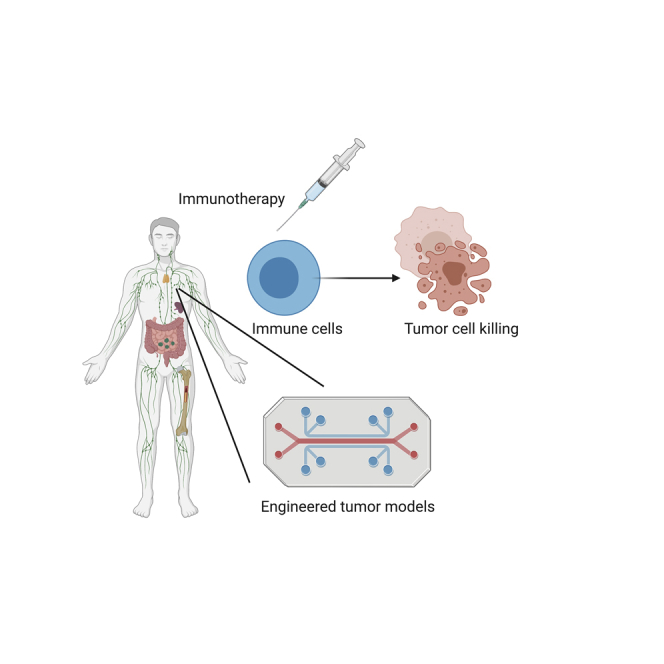
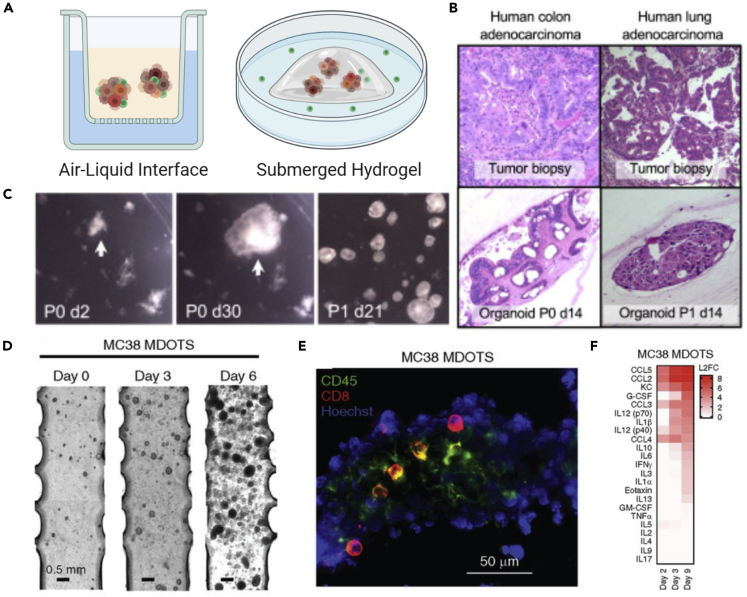
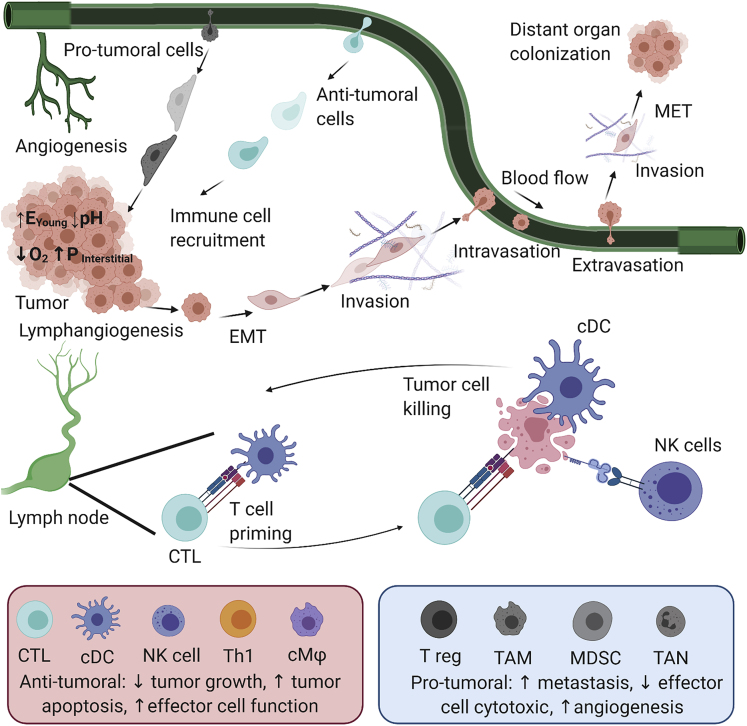
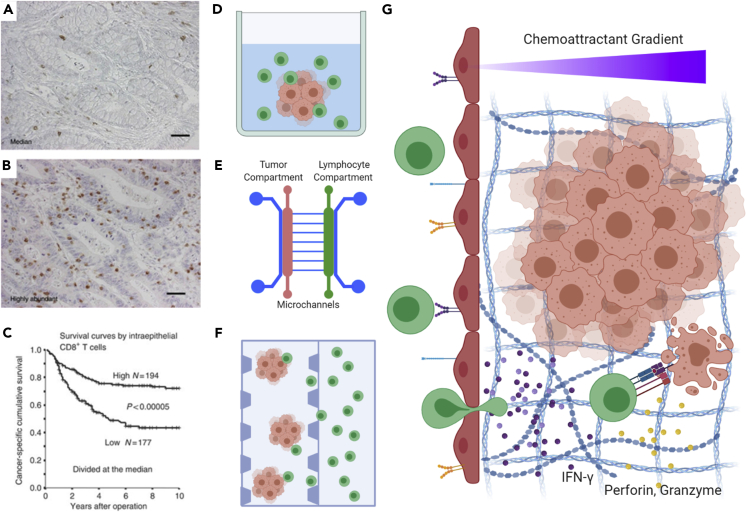
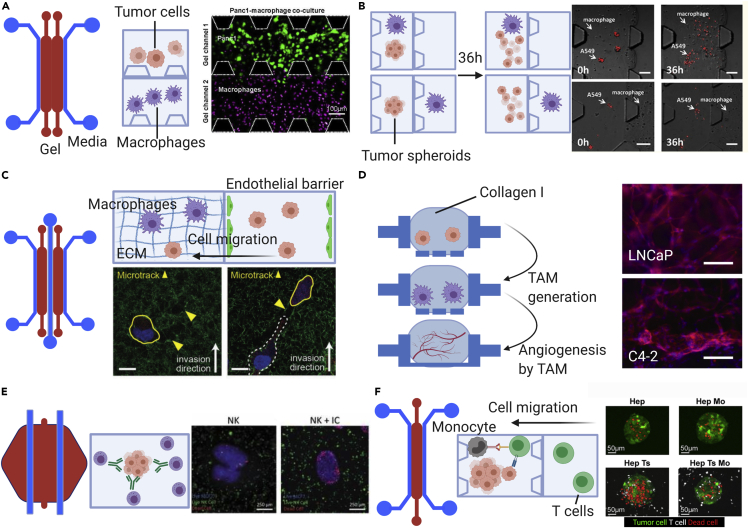
This review describes recent research that has advanced our understanding of the role of immune cells in the tumor microenvironment (TME) using advanced 3D models and engineering approaches. The TME can hinder effective eradication of tumor cells by the immune system, but immunotherapy has been able to reverse this effect in some cases. However, patient-to-patient variability in response suggests that we require deeper understanding of the mechanistic interactions between immune and tumor cells to improve response and develop novel therapeutics. Reconstruction of the TME using engineered 3D models allows high-resolution observation of cell interactions while allowing control of conditions such as hypoxia, matrix stiffness, and flow. Moreover, patient-derived organotypic models are an emerging tool for prediction of drug efficacy. This review highlights the importance of modeling and understanding the immune TME and describes new tools for identifying new biological targets, drug testing, and strategies for personalized medicine.
本综述描述了近期的研究,这些研究利用先进的3D模型和工程方法,加深了我们对免疫细胞在肿瘤微环境(TME)中作用的理解。肿瘤微环境会阻碍免疫系统有效根除肿瘤细胞,但在某些情况下免疫疗法能够逆转这种效应。然而,患者之间的反应差异表明,我们需要更深入地了解免疫细胞与肿瘤细胞之间的机制性相互作用,以改善反应并开发新的治疗方法。使用工程化3D模型重建肿瘤微环境,能够在控制诸如缺氧、基质硬度和流动等条件的同时,对细胞间相互作用进行高分辨率观察。此外,患者来源的器官型模型是预测药物疗效的新兴工具。本综述强调了对免疫肿瘤微环境进行建模和理解的重要性,并描述了用于识别新生物靶点、药物测试以及个性化医疗策略的新工具。