Department of Microbial Pathogenesis and Immunology, Texas A&M University Health Science Center, MREB II, Room 3344, 8447 Riverside Pkwy, Bryan, TX 77807, USA.
Department of Ophthalmology, Harvard Medical School, Boston, MA 02215, USA.
STAR Protoc. 2021 Jan 12;2(1):100264. doi: 10.1016/j.xpro.2020.100264. eCollection 2021 Mar 19.
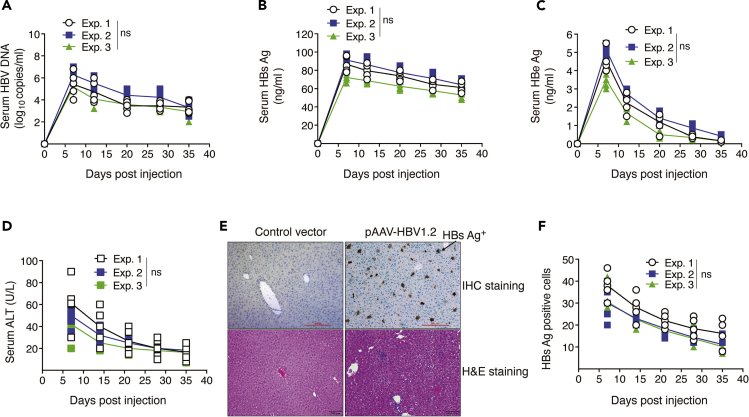
In T cell-based cancer immunotherapy, tumor antigen (Ag)-specific CD8 cytotoxic T lymphocytes (CTLs) can specifically target tumor Ags on malignant cells. This promising approach drove us to adopt this strategy of T cell transfer (ACT)-based immunotherapy for chronic viral infections. Here, we describe the generation of hepatitis B virus (HBV) Ag-specific CTLs from induced pluripotent stem cells (iPSCs), i.e., iPSC-CTLs. Ag-specific iPSC-CTLs can target HBV Ag cells and infiltrate into the liver to suppress HBV replication in a murine model. For complete details on the use and execution of this protocol, please refer to Haque et al. (2020).
在基于 T 细胞的癌症免疫疗法中,肿瘤抗原(Ag)特异性 CD8 细胞毒性 T 淋巴细胞(CTL)可以特异性地针对恶性细胞上的肿瘤 Ag。这种有前途的方法促使我们采用基于 T 细胞转移(ACT)的免疫疗法来治疗慢性病毒感染。在这里,我们描述了从诱导多能干细胞(iPSC)中产生乙型肝炎病毒(HBV)Ag 特异性 CTL,即 iPSC-CTL。Ag 特异性 iPSC-CTL 可以靶向 HBV Ag 细胞并浸润肝脏,从而在小鼠模型中抑制 HBV 复制。有关此方案使用和执行的完整详细信息,请参阅 Haque 等人。(2020 年)。