Department of Biochemistry and Molecular Biology, Nippon Medical School, Tokyo, Japan.
Division of Cell and Gene Therapy, Nippon Medical School, Bunkyo-city, Tokyo, Japan.
Stem Cell Res Ther. 2021 Jan 25;12(1):78. doi: 10.1186/s13287-020-02099-3.
Duchenne muscular dystrophy (DMD) is an inherited progressive disorder that causes skeletal and cardiac muscle deterioration with chronic inflammation. Dental pulp stem cells (DPSCs) are attractive candidates for cell-based strategies for DMD because of their immunosuppressive properties. Therefore, we hypothesized that systemic treatment with DPSCs might show therapeutic benefits as an anti-inflammatory therapy.
To investigate the potential benefits of DPSC transplantation for DMD, we examined disease progression in a DMD animal model, mdx mice, by comparing them with different systemic treatment conditions. The DPSC-treated model, a canine X-linked muscular dystrophy model in Japan (CXMD), which has a severe phenotype similar to that of DMD patients, also underwent comprehensive analysis, including histopathological findings, muscle function, and locomotor activity.
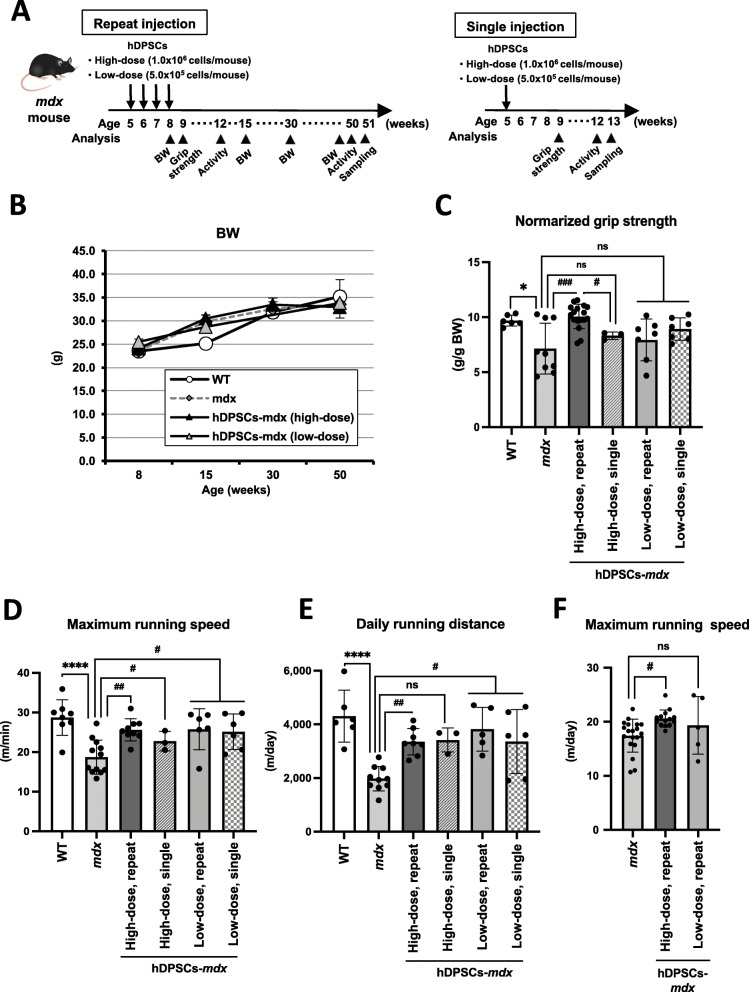
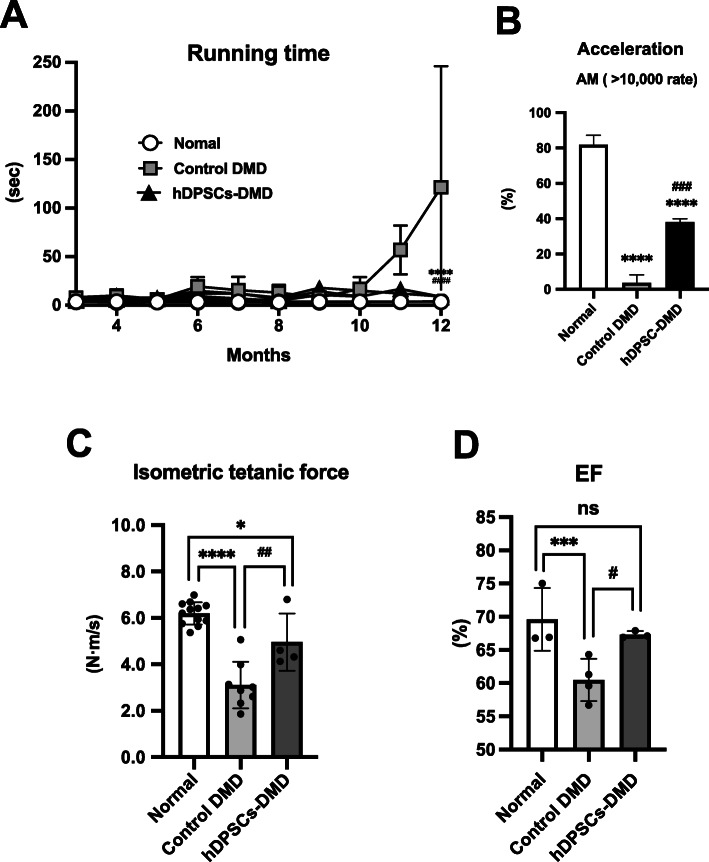
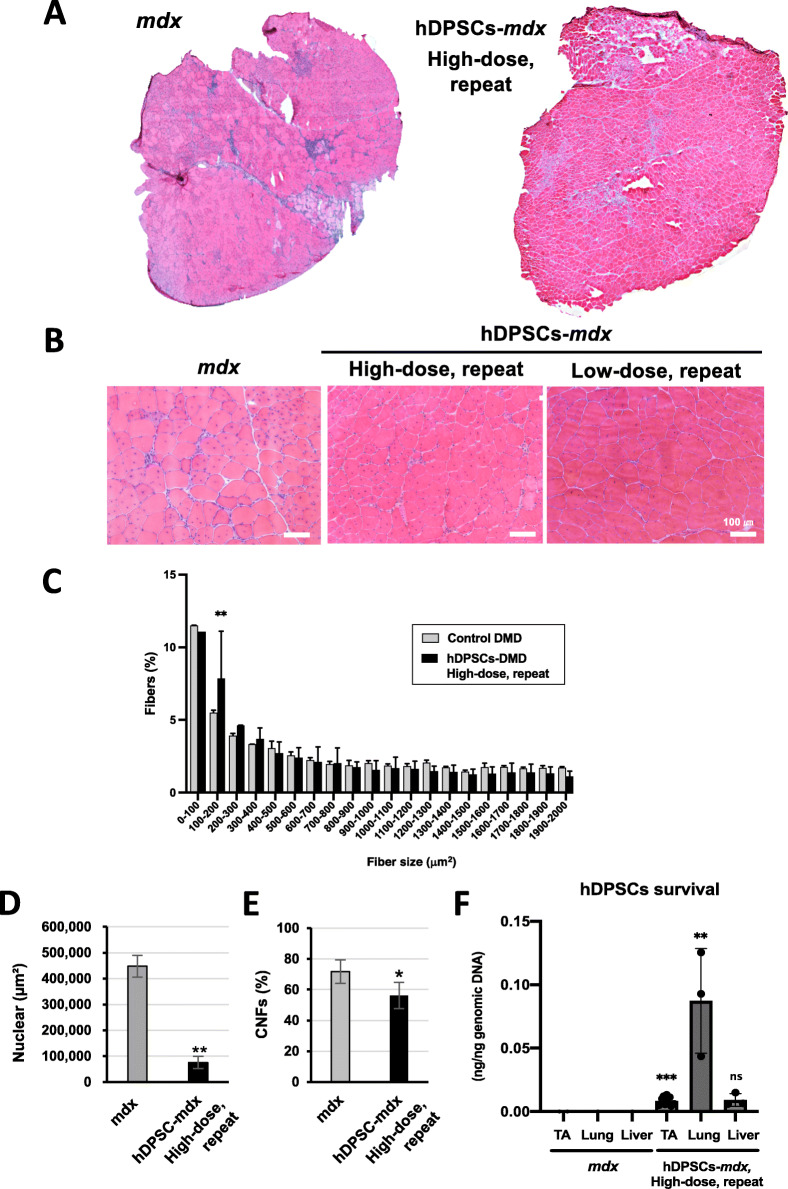
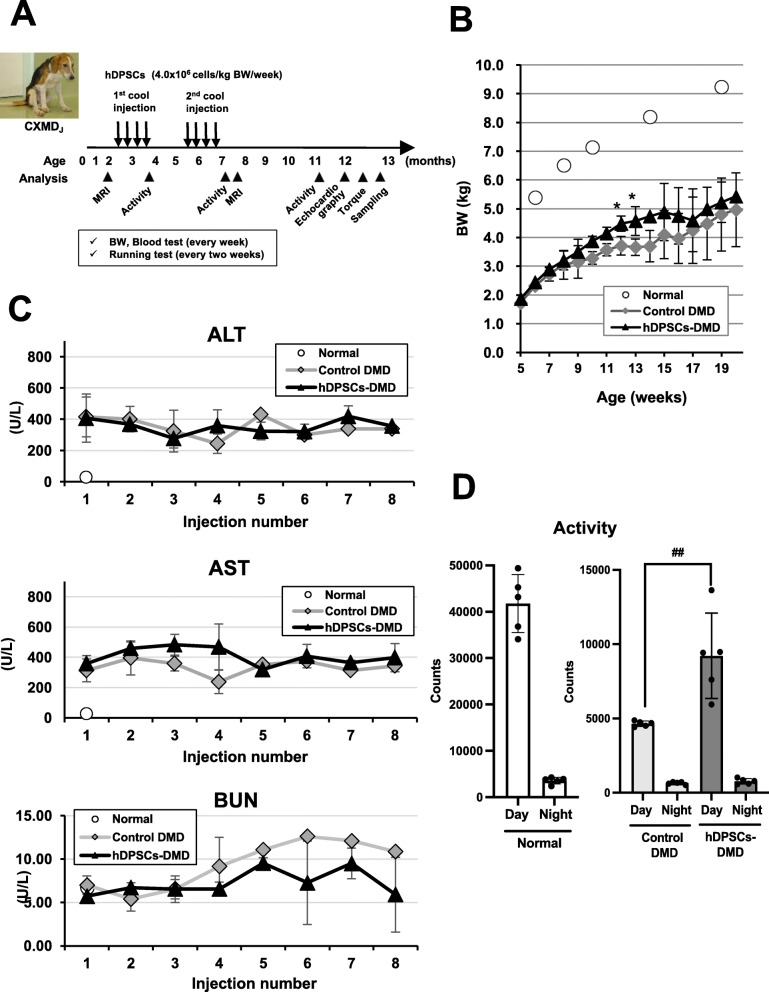
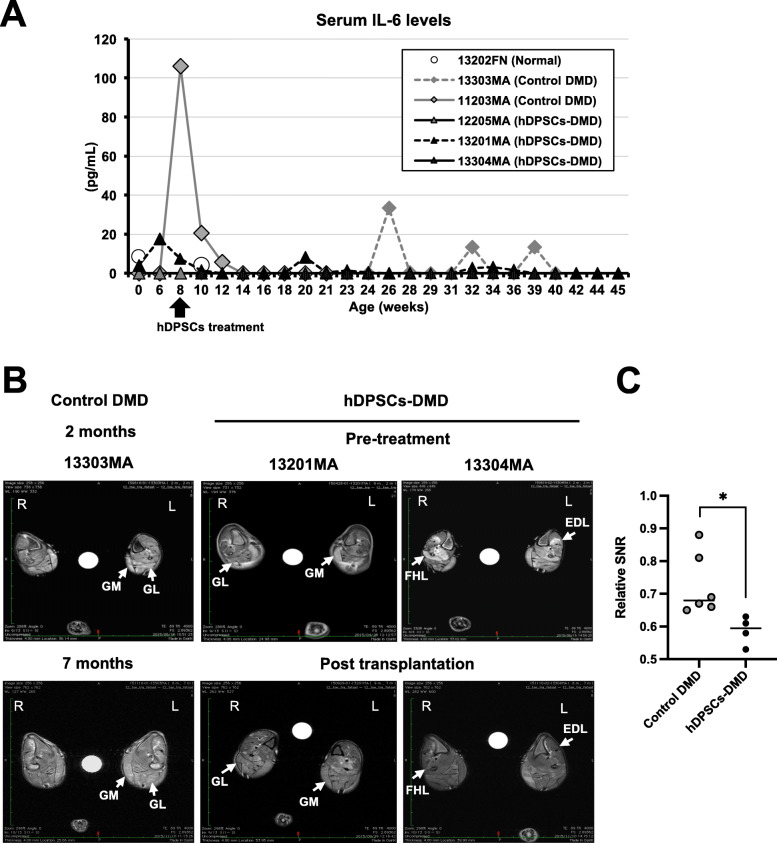
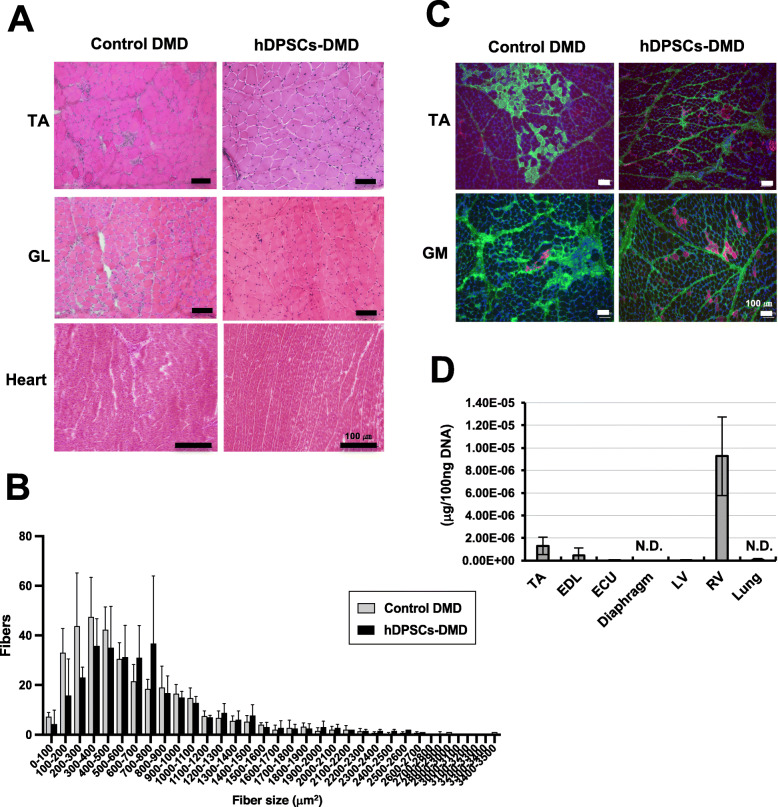
We demonstrated a therapeutic strategy for long-term functional recovery in DMD using repeated DPSC administration. DPSC-treated mdx mice and CXMD showed no serious adverse events. MRI findings and muscle histology suggested that DPSC treatment downregulated severe inflammation in DMD muscles and demonstrated a milder phenotype after DPSC treatment. DPSC-treated models showed increased recovery in grip-hand strength and improved tetanic force and home cage activity. Interestingly, maintenance of long-term running capability and stabilized cardiac function was also observed in 1-year-old DPSC-treated CXMD.
We developed a novel strategy for the safe and effective transplantation of DPSCs for DMD recovery, which included repeated systemic injection to regulate inflammation at a young age. This is the first report on the efficacy of a systemic DPSC treatment, from which we can propose that DPSCs may play an important role in delaying the DMD disease phenotype.
杜氏肌营养不良症(DMD)是一种遗传性进行性疾病,会导致骨骼和心肌恶化,并伴有慢性炎症。牙髓干细胞(DPSCs)因其具有免疫抑制特性,成为基于细胞的 DMD 治疗策略的有吸引力的候选者。因此,我们假设 DPSCs 的系统治疗可能作为一种抗炎治疗显示出治疗益处。
为了研究 DPSCs 移植对 DMD 的潜在益处,我们通过比较不同的系统治疗条件,检查了 DMD 动物模型 mdx 小鼠的疾病进展。接受 DPSCs 治疗的模型,即日本的犬 X 连锁肌营养不良症模型(CXMD),也进行了全面分析,包括组织病理学发现、肌肉功能和运动活动。
我们展示了一种使用重复 DPSCs 给药的 DMD 长期功能恢复的治疗策略。DPSC 治疗的 mdx 小鼠和 CXMD 未出现严重不良事件。MRI 结果和肌肉组织学表明,DPSC 治疗下调了 DMD 肌肉中的严重炎症,并在 DPSC 治疗后表现出更温和的表型。DPSC 治疗的模型显示握力和最大强直收缩力以及笼内活动能力的恢复增加。有趣的是,在 1 岁的 DPSC 治疗的 CXMD 中也观察到长期跑步能力的维持和心脏功能的稳定。
我们开发了一种用于 DMD 恢复的 DPSCs 安全有效移植的新策略,包括在年轻时进行重复的系统注射以调节炎症。这是关于系统 DPSC 治疗疗效的第一个报告,从中我们可以提出 DPSCs 可能在延缓 DMD 疾病表型方面发挥重要作用。