Gozzi Marta, Schwarze Benedikt, Hey-Hawkins Evamarie
Institute of Inorganic Chemistry, Faculty of Chemistry and Mineralogy, Leipzig University, Johannisallee 29, 04103, Leipzig, Germany.
Institute of Analytical Chemistry, Faculty of Chemistry and Mineralogy, Leipzig University, Linnéstr. 3, 04103, Leipzig, Germany.
ChemMedChem. 2021 May 18;16(10):1533-1565. doi: 10.1002/cmdc.202000983. Epub 2021 Mar 19.
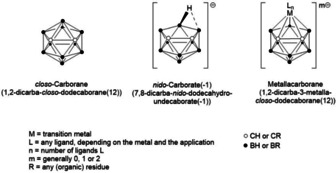
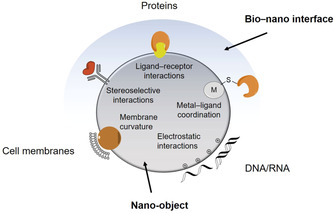
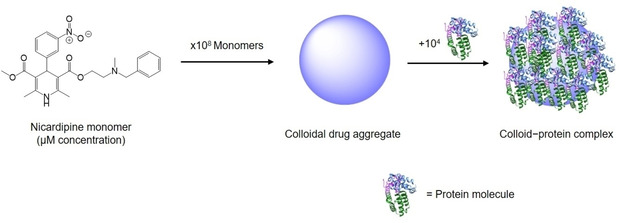
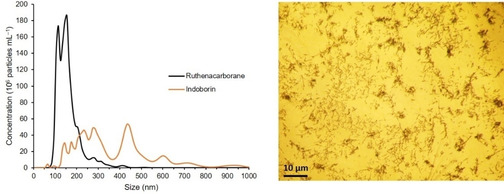
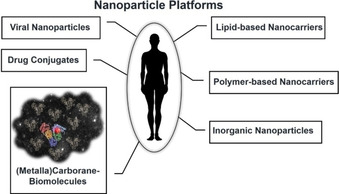
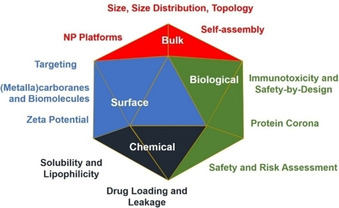
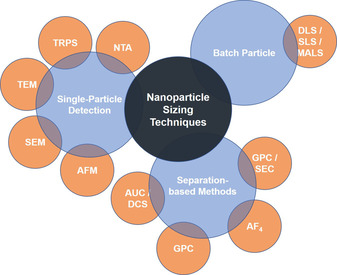
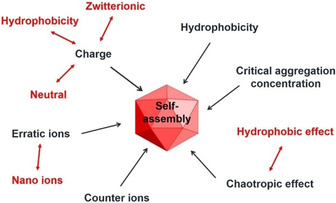
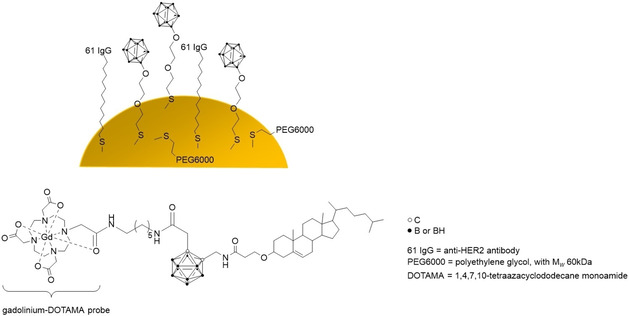
"There's plenty of room at the bottom" (Richard Feynman, 1959): an invitation for (metalla)carboranes to enter the (new) field of nanomedicine. For two decades, the number of publications on boron cluster compounds designed for potential applications in medicine has been constantly increasing. Hundreds of compounds have been screened in vitro or in vivo for a variety of biological activities (chemotherapeutics, radiotherapeutics, antiviral, etc.), and some have shown rather promising potential for further development. However, until now, no boron cluster compounds have made it to the clinic, and even clinical trials have been very sparse. This review introduces a new perspective in the field of medicinal boron chemistry, namely that boron-based drugs should be regarded as nanomedicine platforms, due to their peculiar self-assembly behaviour in aqueous solutions, and treated as such. Examples for boron-based 12- and 11-vertex clusters and appropriate comparative studies from medicinal (in)organic chemistry and nanomedicine, highlighting similarities, differences and gaps in physicochemical and biological characterisation methods, are provided to encourage medicinal boron chemists to fill in the gaps between chemistry laboratory and real applications in living systems by employing bioanalytical and biophysical methods for characterising and controlling the aggregation behaviour of the clusters in solution.
“底部有很大空间”(理查德·费曼,1959年):邀请(金属)碳硼烷进入纳米医学(新)领域。二十年来,关于设计用于医学潜在应用的硼簇化合物的出版物数量一直在不断增加。数百种化合物已在体外或体内针对多种生物活性(化学治疗、放射治疗、抗病毒等)进行了筛选,其中一些已显示出颇具前景的进一步开发潜力。然而,到目前为止,尚无硼簇化合物进入临床,甚至临床试验也非常稀少。本综述在药用硼化学领域引入了一个新视角,即基于硼的药物因其在水溶液中独特的自组装行为,应被视为纳米医学平台,并应如此对待。提供了基于硼的12顶点和11顶点簇的实例以及来自药用(有机)化学和纳米医学的适当比较研究,突出了物理化学和生物学表征方法中的异同及差距,以鼓励药用硼化学家通过采用生物分析和生物物理方法来表征和控制簇在溶液中的聚集行为,填补化学实验室与生物系统实际应用之间的差距。