Suryanarayan Akshyeta, Cubas Miriam, Craig Oliver E, Heron Carl P, Shinde Vasant S, Singh Ravindra N, O'Connell Tamsin C, Petrie Cameron A
Department of Archaeology, University of Cambridge, Downing Street, Cambridge, CB2 3DZ, UK.
CEPAM (Cultures et Environnements, Préhistoire, Antiquité,Moyen Âge), UMR7264-CNRS, Université Nice Côte d'Azur, Nice, 06300, France.
J Archaeol Sci. 2021 Jan;125:105291. doi: 10.1016/j.jas.2020.105291.
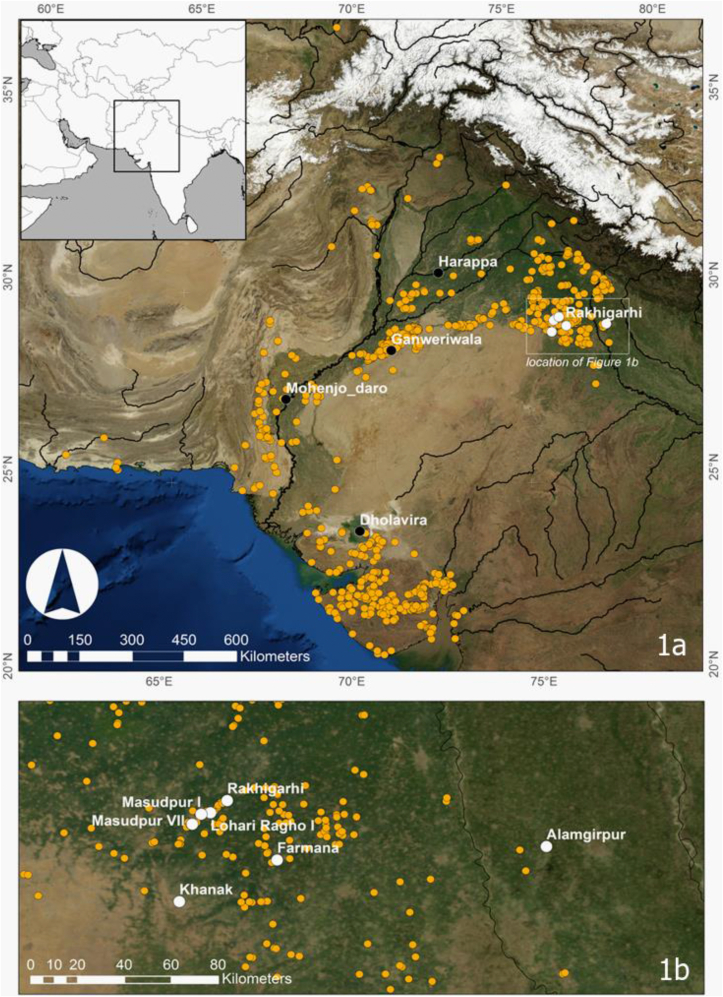
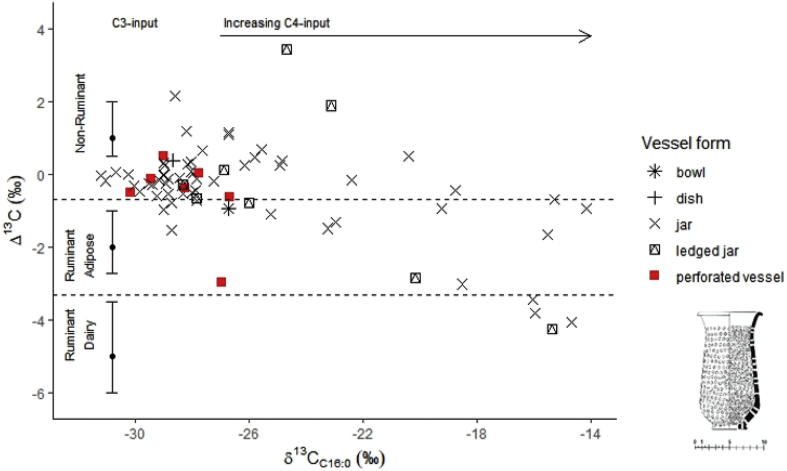
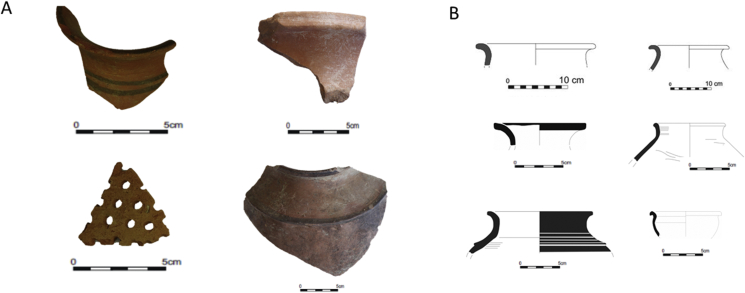
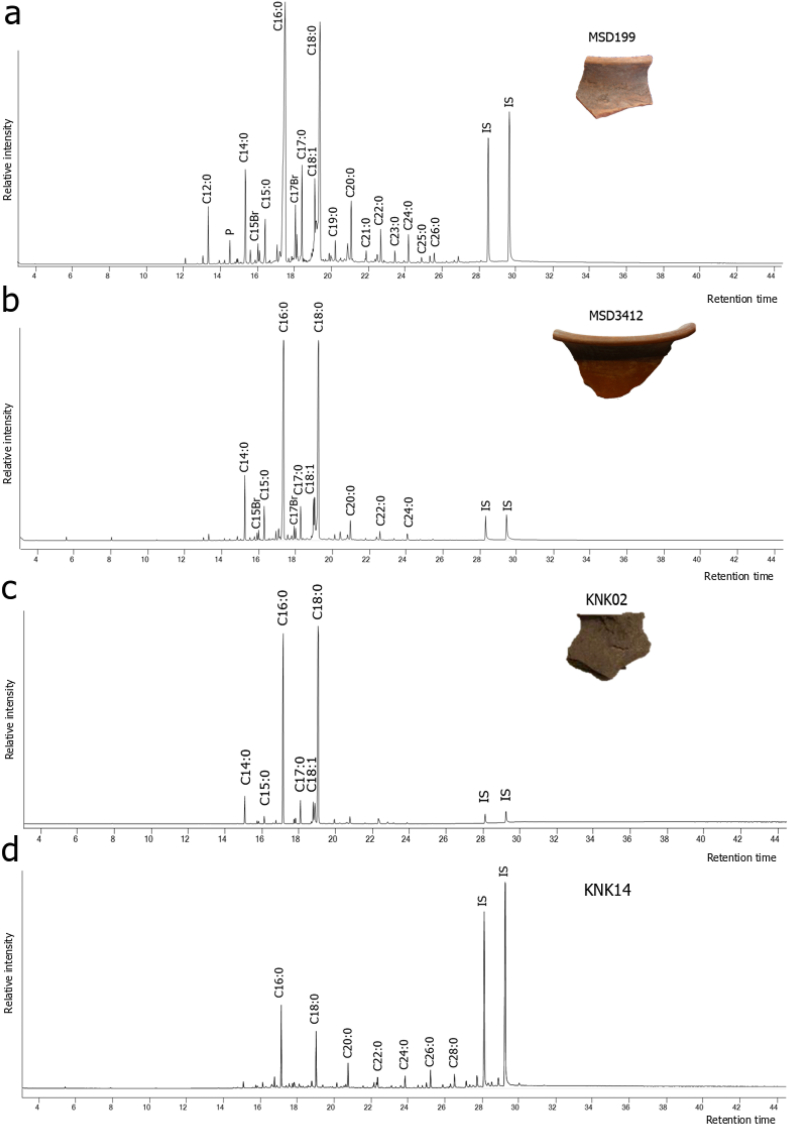
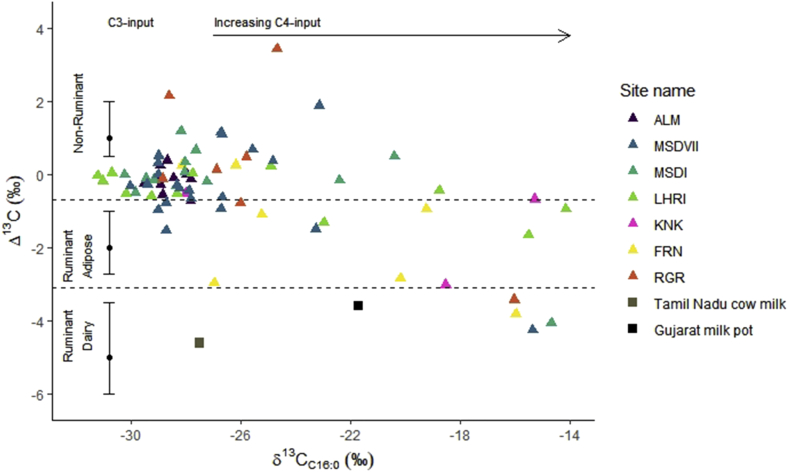
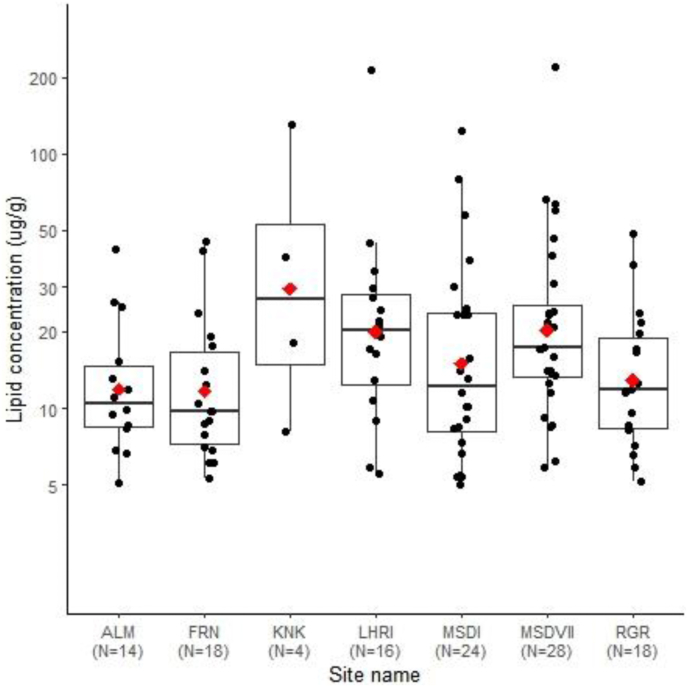
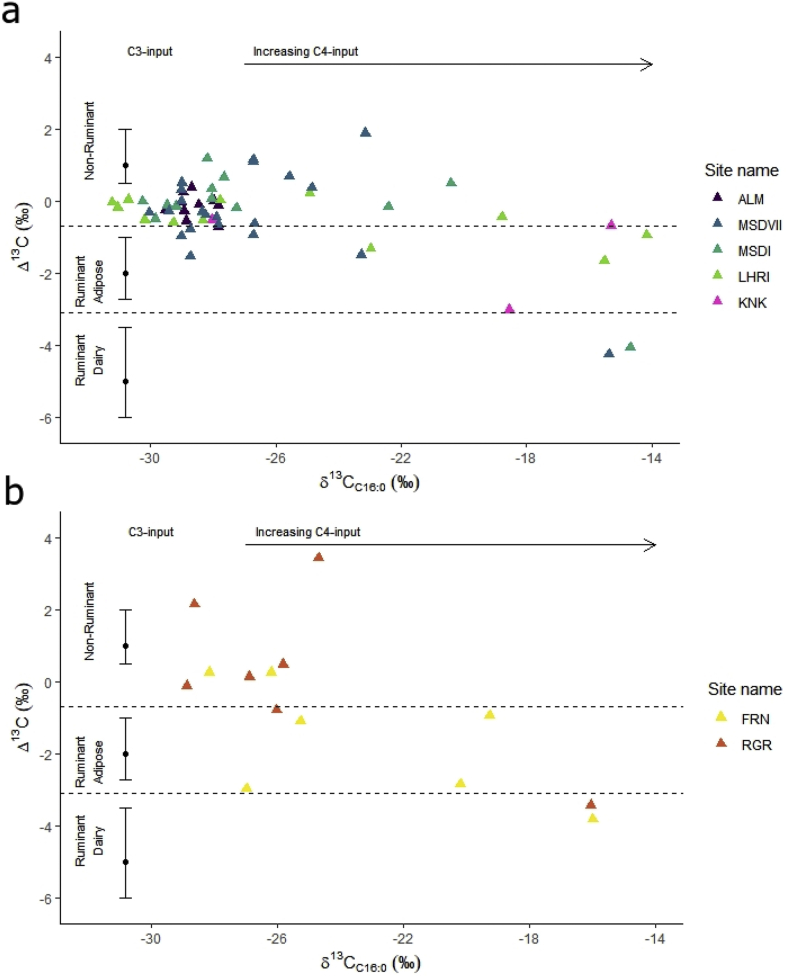
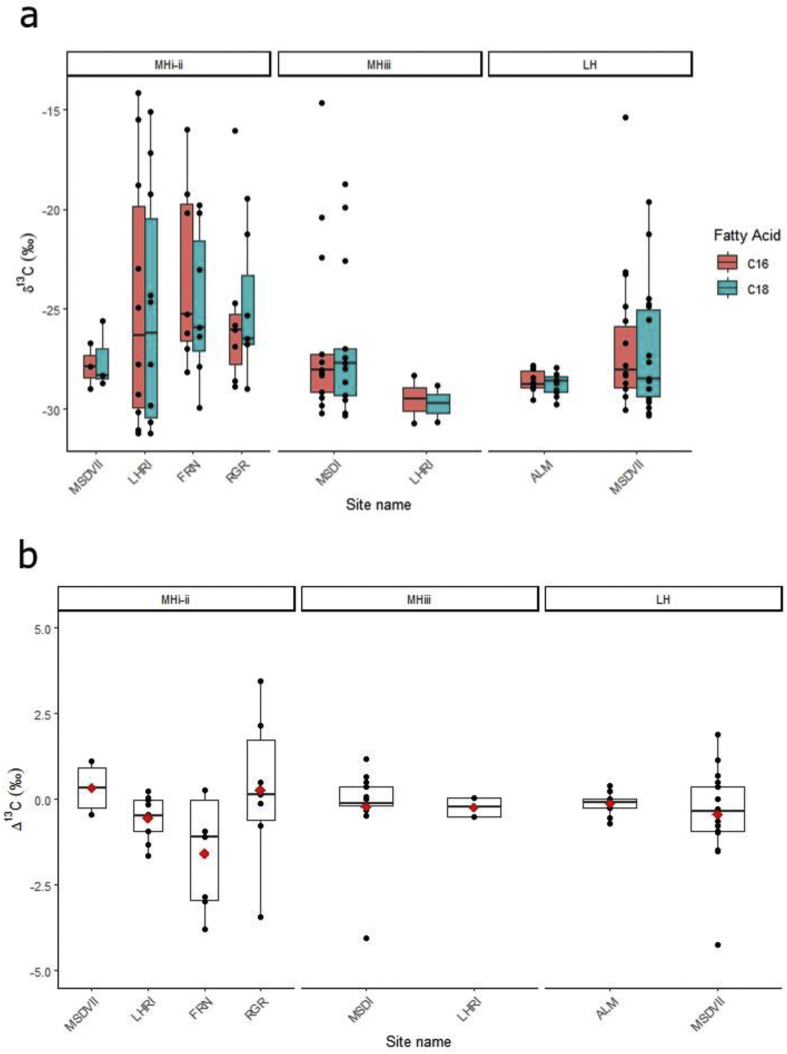
This paper presents novel insights into the archaeology of food in ancient South Asia by using lipid residue analysis to investigate what kinds of foodstuffs were used in ceramic vessels by populations of the Indus Civilisation in northwest India. It examines how vessels were used in urban and rural Indus settlements during the Mature Harappan period (.2600/2500-1900 BC), the relationship between vessels and the products within them, and identifies whether changes in vessel use occurred from the Mature Harappan to Late Harappan periods, particularly during climatic instability after 4.2 ka BP (.2100 BC). Despite low lipid concentrations, which highlight challenges with conducting residue analysis in arid, seasonally-wet and alkaline environments, 71% of the vessels yielded appreciable quantities of lipid. Lipid profiles revealed the use of animal fats in vessels, and contradictory to faunal evidence, a dominance of non-ruminant fats, with limited evidence of dairy processing. The absence of local modern reference fats makes this dataset challenging to interpret, and it is possible that plant products or mixtures of plant and animal products have led to ambiguous fatty acid-specific isotopic values. At the same time, it appears that urban and rural populations processed similar types of products in vessels, with limited evidence for change in vessel use from the urban to the post-urban period. This study is a systematic investigation into pot lipid residues from multiple sites, demonstrating the potential of the method for examining ancient Indus foodways and the need for the development of further research in ancient organic residues in South Asia.
本文通过脂质残留分析,对古代南亚食物考古学提出了新的见解,以探究印度西北部印度河文明的人群在陶瓷容器中使用了哪些种类的食物。它考察了在成熟哈拉帕时期(公元前2600/2500 - 1900年)印度河城市和农村定居点中容器的使用方式、容器与其中产品的关系,并确定从成熟哈拉帕时期到晚期哈拉帕时期,尤其是在公元前2100年左右4.2千年事件之后气候不稳定期间,容器使用是否发生了变化。尽管脂质浓度较低,这凸显了在干旱、季节性湿润和碱性环境中进行残留分析的挑战,但71%的容器产生了可观数量的脂质。脂质谱显示容器中使用了动物脂肪,与动物骨骼证据相反的是,非反刍动物脂肪占主导,乳制品加工的证据有限。缺乏当地现代参考脂肪使得这个数据集难以解释,并且有可能是植物产品或植物与动物产品的混合物导致了脂肪酸特异性同位素值的模糊。同时,似乎城市和农村人口在容器中加工的产品类型相似,从城市时期到后城市时期容器使用变化的证据有限。这项研究是对多个遗址的陶制容器脂质残留进行的系统调查,证明了该方法在研究古代印度河饮食方式方面的潜力,以及在南亚古代有机残留方面开展进一步研究的必要性。