Castillo-Rolón Diego, Ramírez-Sánchez Enrique, Arenas-López Gabina, Garduño Julieta, Hernández-González Omar, Mihailescu Stefan, Hernández-López Salvador
Departamento de Fisiología, Facultad de Medicina, Universidad Nacional Autónoma de México, Ciudad de México, Mexico.
Front Neurosci. 2021 Jan 13;14:604583. doi: 10.3389/fnins.2020.604583. eCollection 2020.
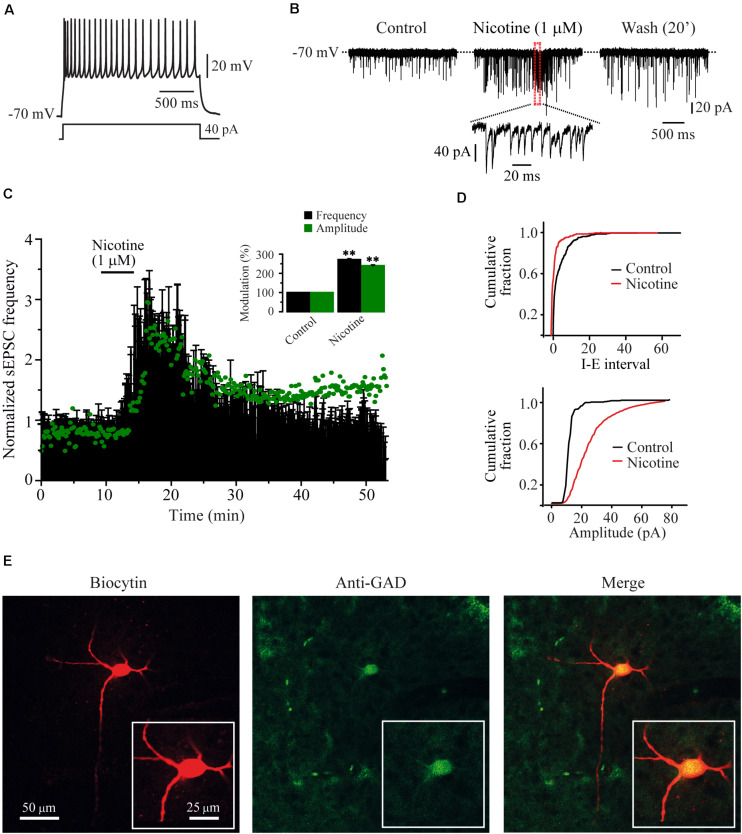
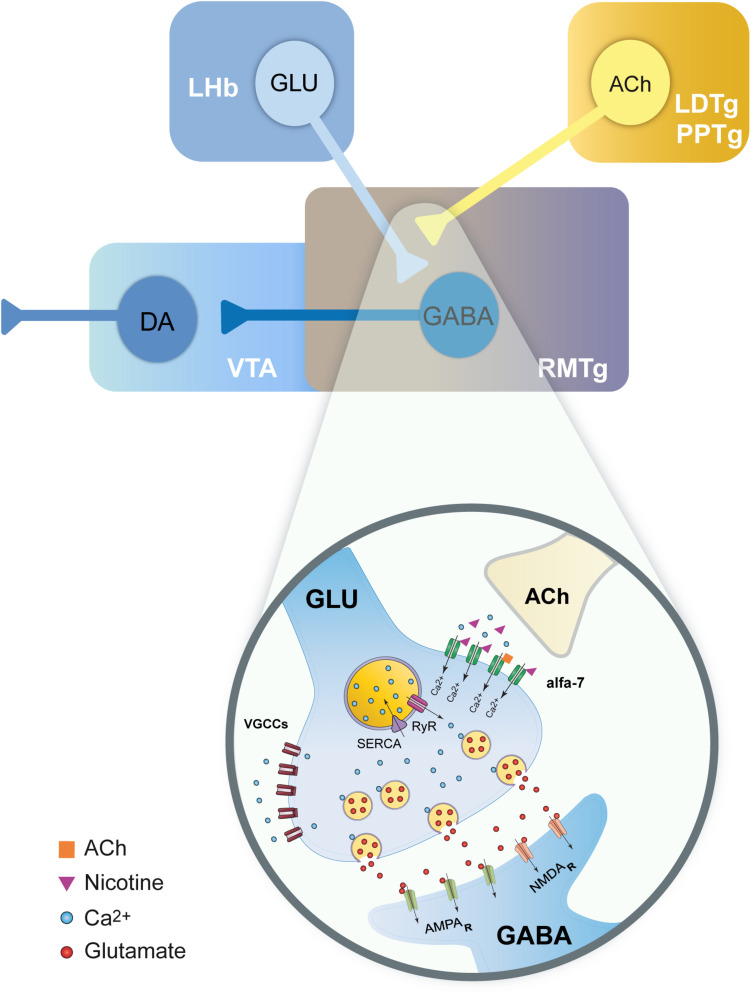
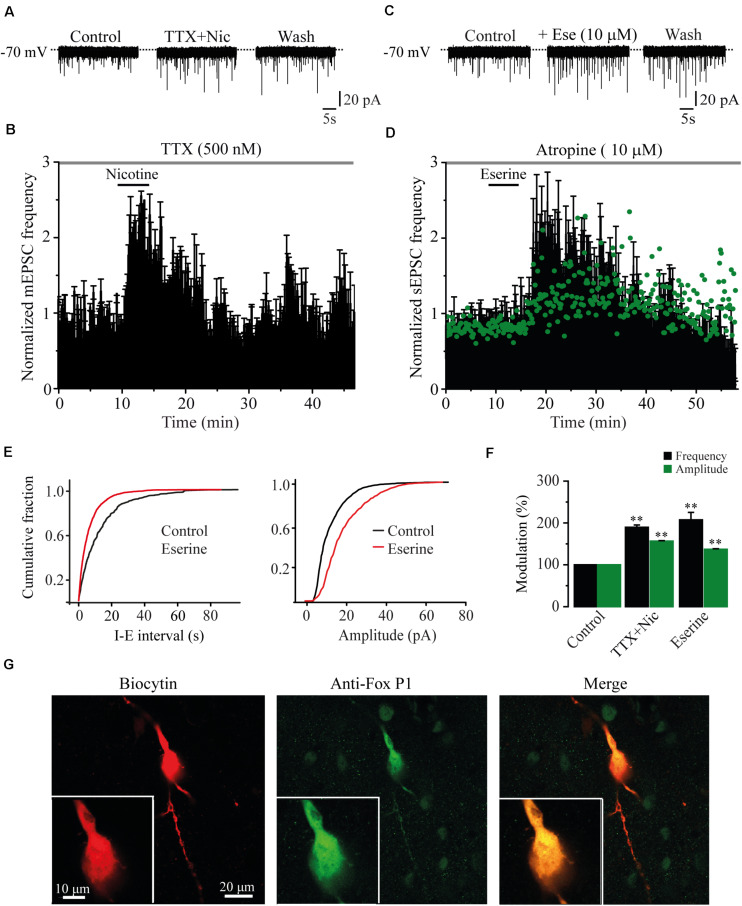
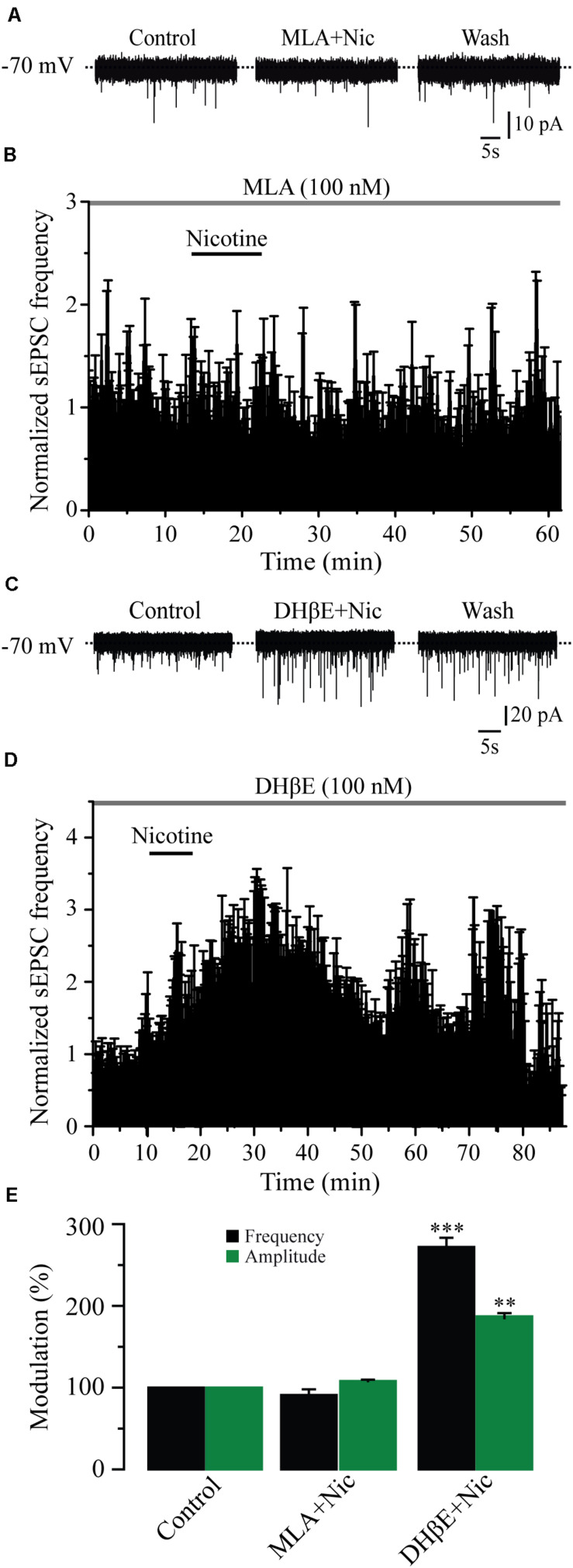
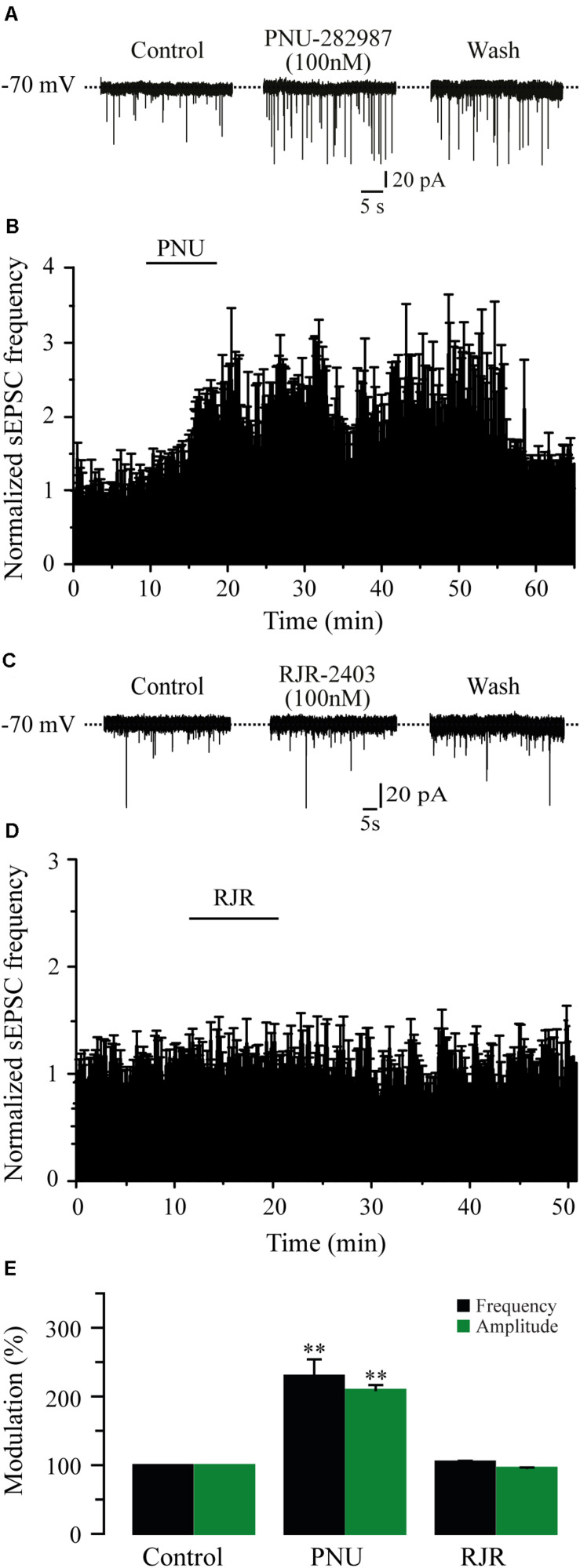
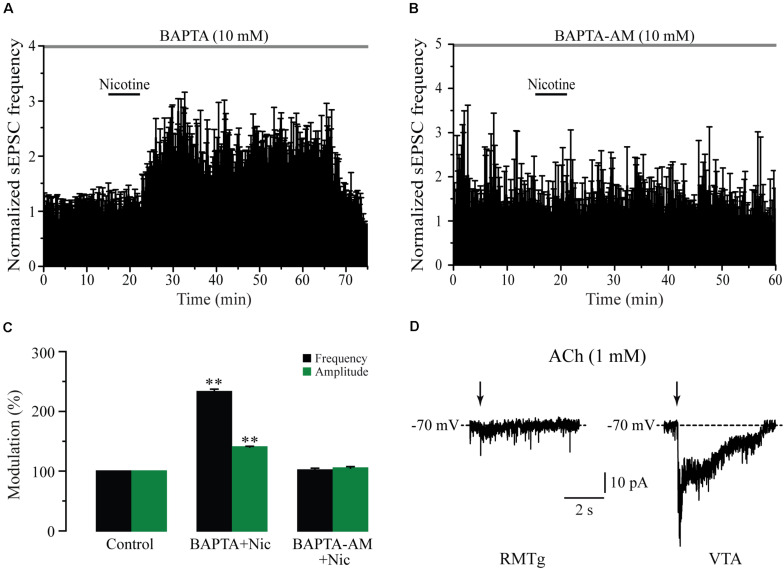
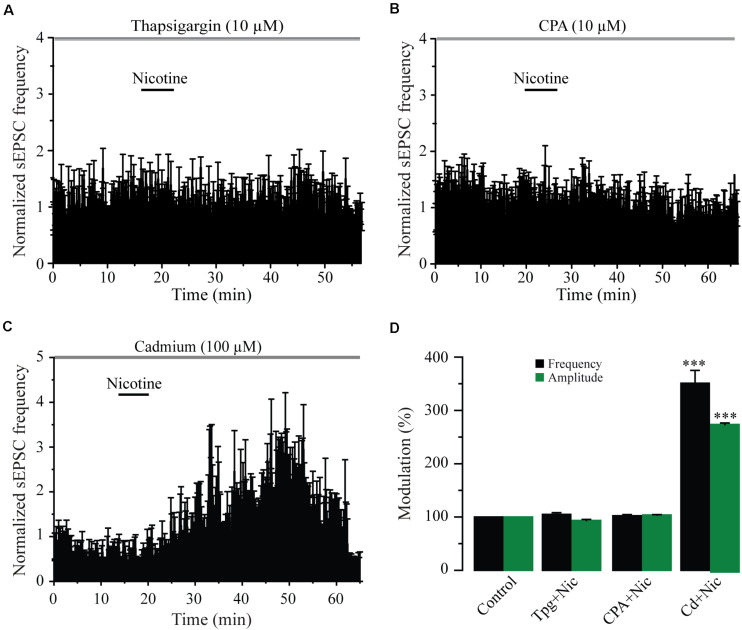
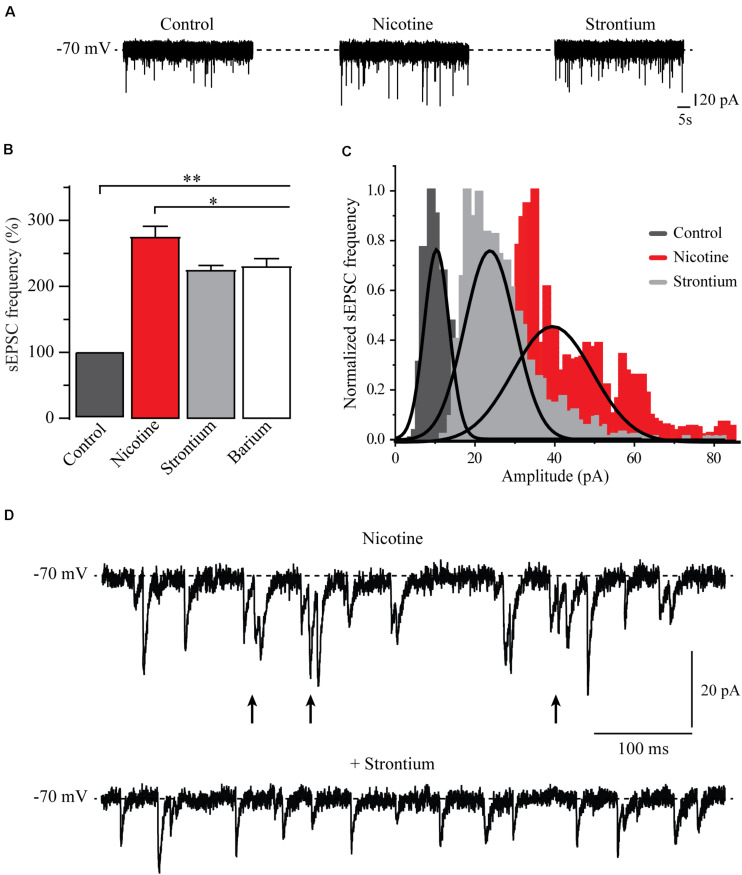
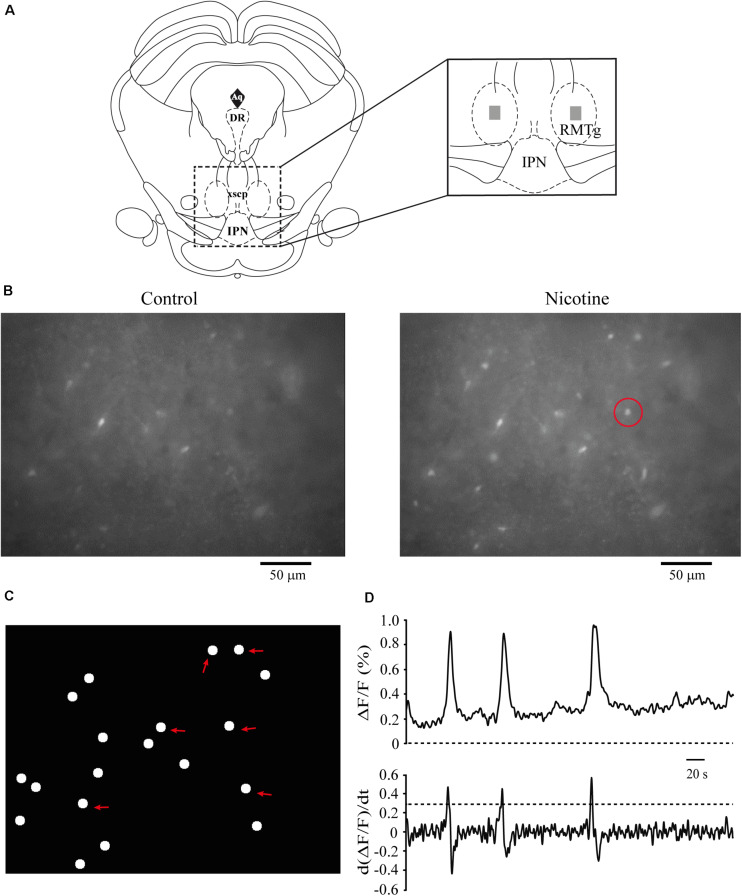
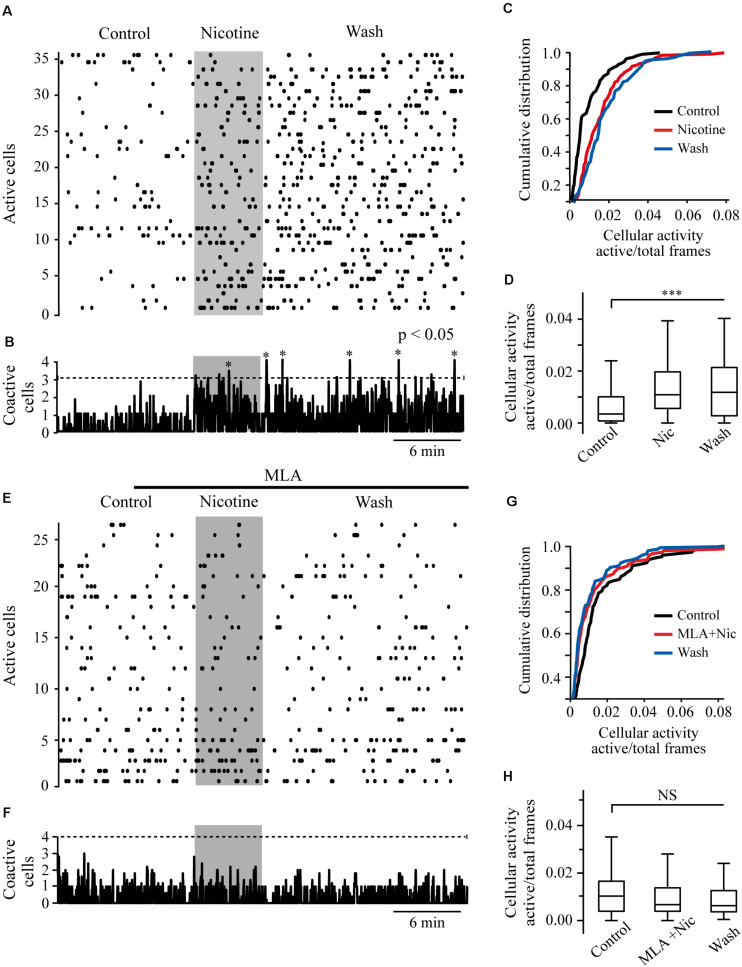
The rostromedial tegmental nucleus (RMTg) is a bilateral structure localized in the brainstem and comprise of mainly GABAergic neurons. One of the main functions of the RMTg is to regulate the activity of dopamine neurons of the mesoaccumbens pathway. Therefore, the RMTg has been proposed as a modulator of the reward system and adaptive behaviors associated to reward learning. The RMTg receives an important glutamatergic input from the lateral habenula. Also, it receives cholinergic inputs from the laterodorsal and pedunculopontine tegmental nuclei. Previously, it was reported that nicotine increases glutamate release, evoked by electric stimulation, in the RMTg nucleus. However, the mechanisms by which nicotine induces this effect were not explored. In the present work, we performed electrophysiological experiments in brainstem slices to study the effect of nicotine on spontaneous excitatory postsynaptic currents recorded from immunocytochemically identified RMTg neurons. Also, we used calcium imaging techniques to explore the effects of nicotine on multiple RMTg neurons simultaneously. We found that nicotine promotes the persistent release of glutamate through the activation of α7 nicotinic acetylcholine receptors present on glutamatergic afferents and by a mechanism involving calcium release from intracellular stores. Through these mechanisms, nicotine increases the excitability and synchronizes the activity of RMTg neurons. Our results suggest that the RMTg nucleus mediates the noxious effects of the nicotine, and it could be a potential therapeutic target against tobacco addiction.
嘴内侧被盖核(RMTg)是位于脑干的双侧结构,主要由γ-氨基丁酸能神经元组成。RMTg的主要功能之一是调节中伏隔核通路多巴胺神经元的活动。因此,RMTg被认为是奖赏系统以及与奖赏学习相关的适应性行为的调节因子。RMTg接受来自外侧缰核的重要谷氨酸能输入。此外,它还接受来自背外侧被盖核和脚桥被盖核的胆碱能输入。此前有报道称,尼古丁会增加电刺激诱发的RMTg核内谷氨酸释放。然而,尼古丁诱导这种效应的机制尚未得到探究。在本研究中,我们在脑干切片上进行了电生理实验,以研究尼古丁对从免疫细胞化学鉴定的RMTg神经元记录的自发性兴奋性突触后电流的影响。此外,我们使用钙成像技术同时探究尼古丁对多个RMTg神经元的影响。我们发现,尼古丁通过激活谷氨酸能传入神经上存在的α7烟碱型乙酰胆碱受体以及通过一种涉及细胞内钙库释放钙的机制,促进谷氨酸的持续释放。通过这些机制,尼古丁增加了RMTg神经元的兴奋性并使它们的活动同步。我们的结果表明,RMTg核介导了尼古丁的有害作用,它可能是抗烟草成瘾的潜在治疗靶点。