Zeng Yingting, Zhou Xiaoyue, Gang Yadong, Wang Hanlun, Song Lu, Luo Shihua, Zhang Xiaochun
Department of Radiology, Zhongnan Hospital of Wuhan University, Wuhan, Hubei 430071, China.
Siemens Healthineers Ltd., Shanghai 201218, China.
Radiol Infect Dis. 2020 Dec;7(4):208-212. doi: 10.1016/j.jrid.2020.06.001. Epub 2020 Jul 31.
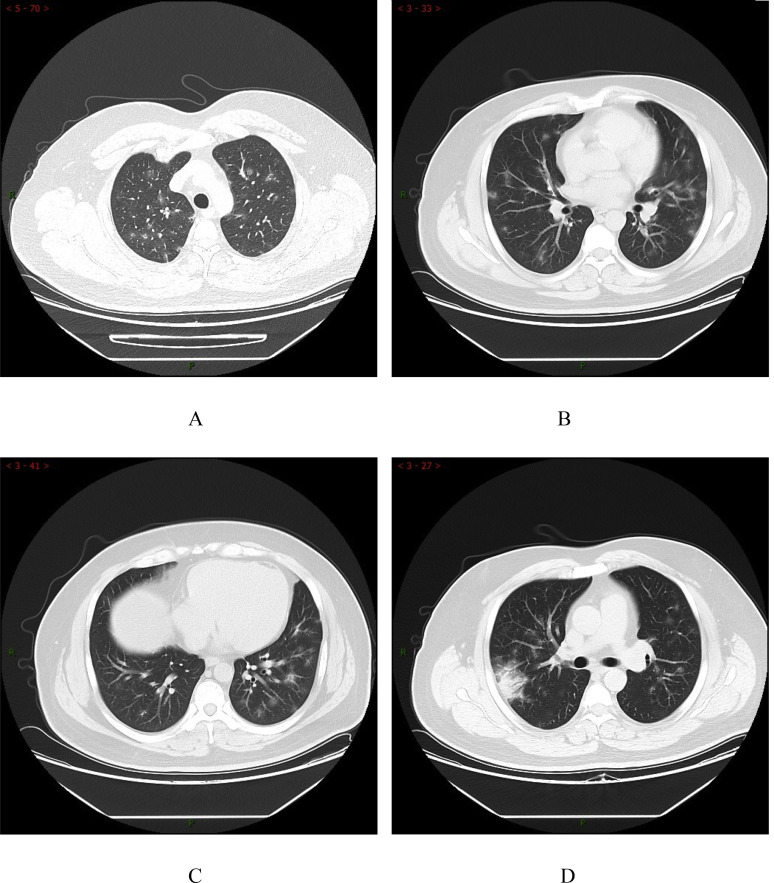
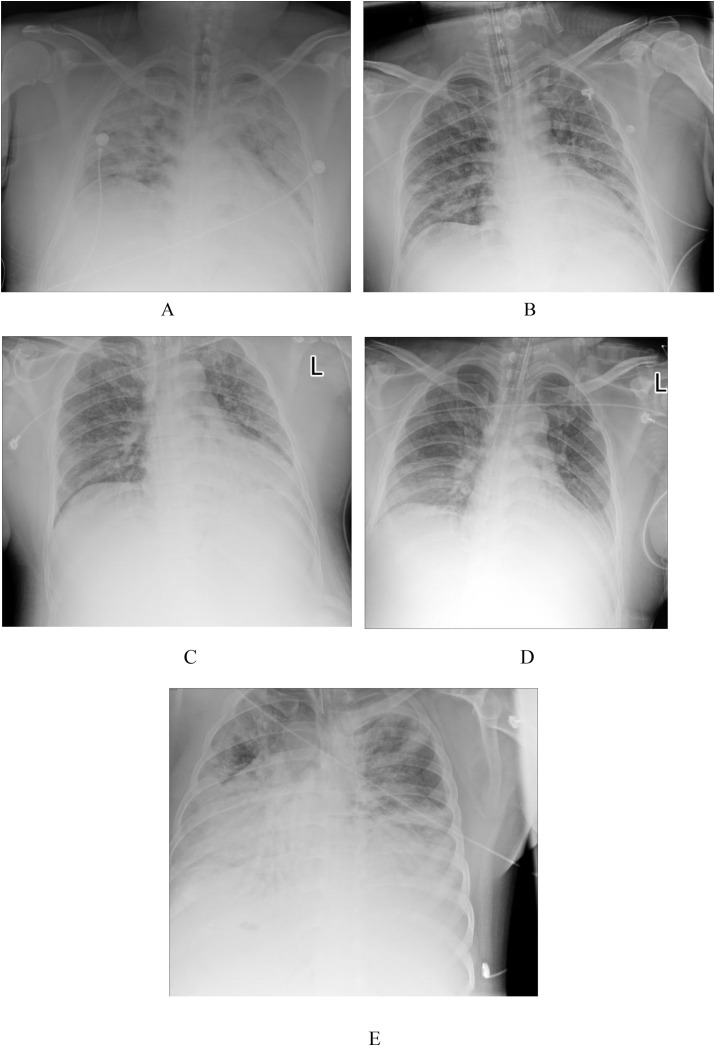
The coronavirus disease 2019 (COVID-19) first emerged in Wuhan, China on December 2019 and has become a severe public health issue worldwide. A 36-year-old man was presented to the hospital staff with a fever that had already persisted for a three-day period, general weakness and diarrhea. He had no chronic diseases and was tested positive for COVID-19 with severe acute respiratory syndrome coronavirus 2 (SARS-CoV-2) nucleic acid. During his hospitalization, several abnormal indicators appeared in his laboratory tests, which implied systemic inflammation and multiple organ damage. A series of chest radiographs monitored the dynamic process of lung lesions, which could predict the clinical changes of the patient. His condition deteriorated rapidly, resulting in death due to acute respiratory distress syndrome (ARDS) on hospital day 13. The case indicates that inflammatory response may appear in people infected with SARS-CoV-2 and may lead to multiple organ damage (especially pancreatic damage). When a COVID-19 patient is entering into the critical stage, their condition could rapidly deteriorate.
2019年冠状病毒病(COVID-19)于2019年12月在中国武汉首次出现,并已成为全球严重的公共卫生问题。一名36岁男子因持续三天的发热、全身乏力和腹泻被送至医院。他没有慢性病,严重急性呼吸综合征冠状病毒2(SARS-CoV-2)核酸检测呈COVID-19阳性。住院期间,他的实验室检查出现了多项异常指标,提示全身炎症和多器官损伤。一系列胸部X光片监测了肺部病变的动态过程,可预测患者的临床变化。他的病情迅速恶化,于住院第13天因急性呼吸窘迫综合征(ARDS)死亡。该病例表明,感染SARS-CoV-2的人可能出现炎症反应,并可能导致多器官损伤(尤其是胰腺损伤)。当COVID-19患者进入重症阶段时,其病情可能迅速恶化。