Burke S R, Möbius M E, Hjelt T, Ketoja J A, Hutzler S
School of Physics, Trinity College Dublin, The University of Dublin, Dublin, Ireland.
VTT Technical Research Centre of Finland Ltd., Espoo, Finland.
SN Appl Sci. 2021;3(2):192. doi: 10.1007/s42452-021-04172-9. Epub 2021 Jan 24.
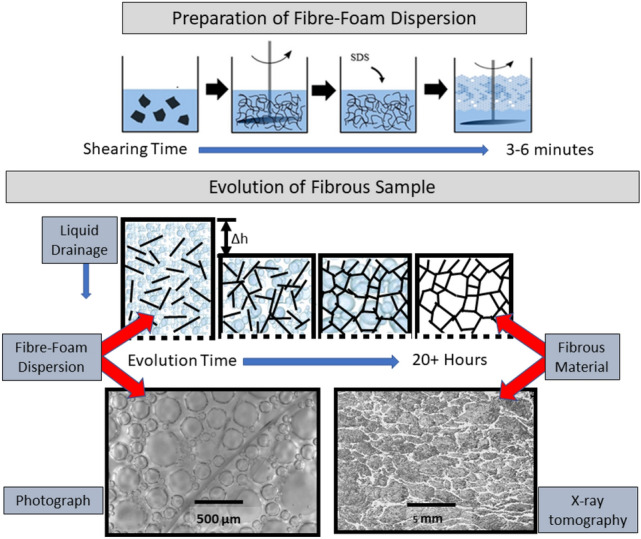
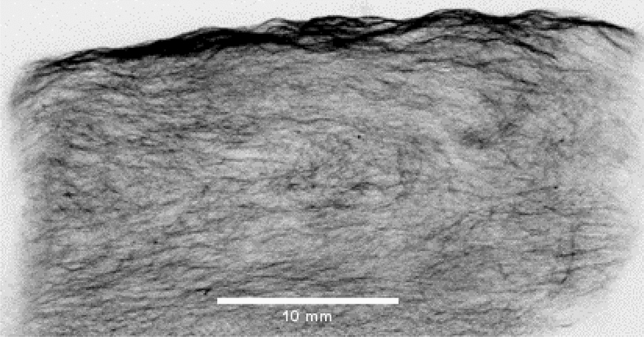
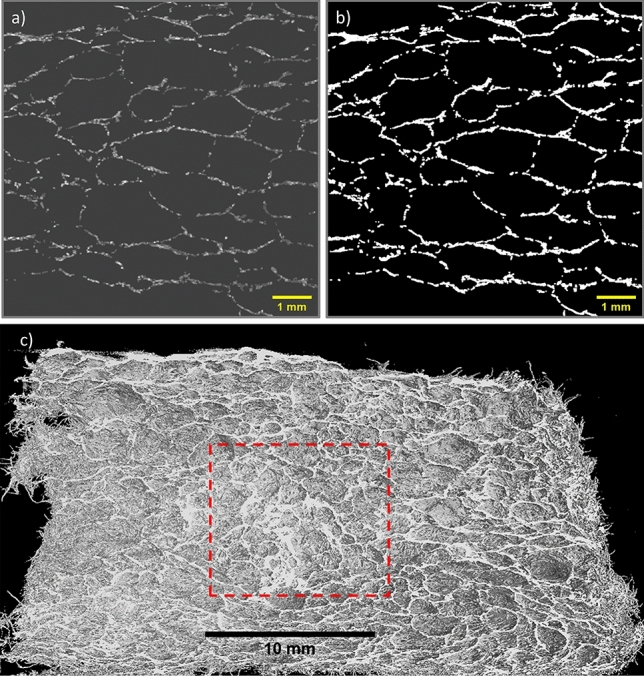
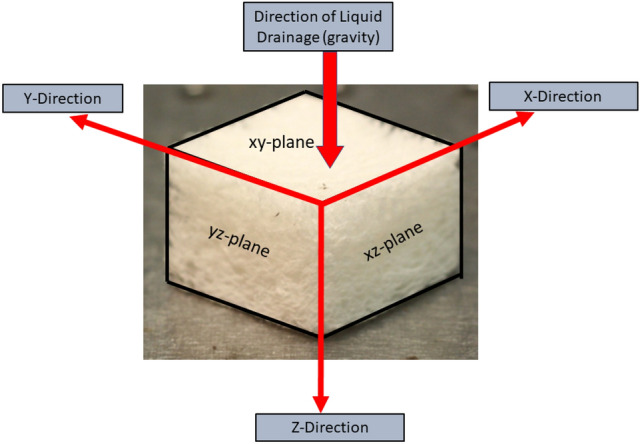
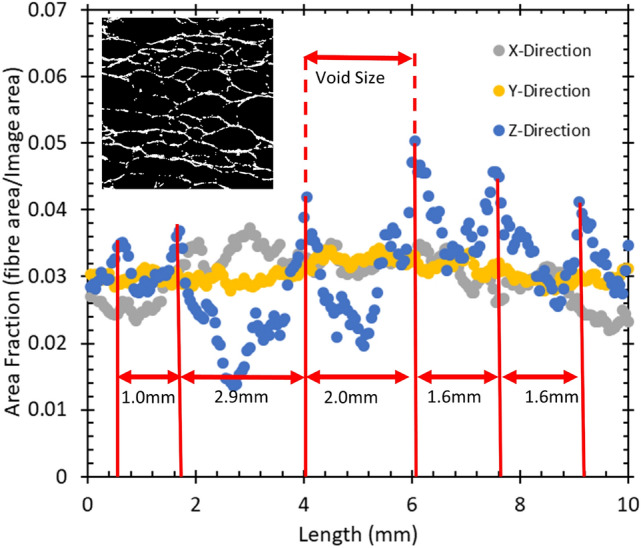
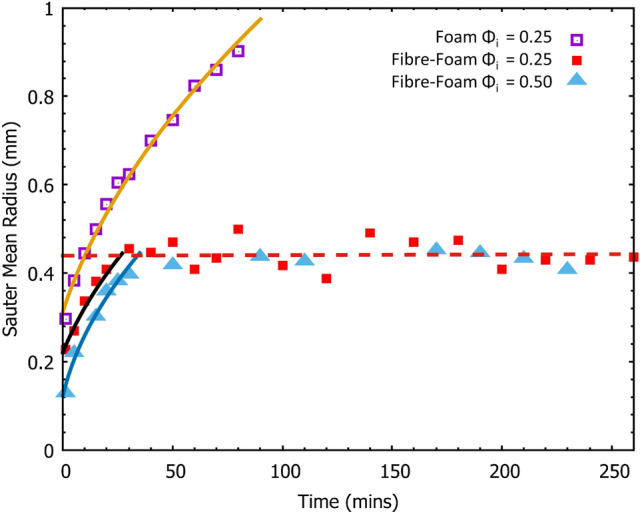
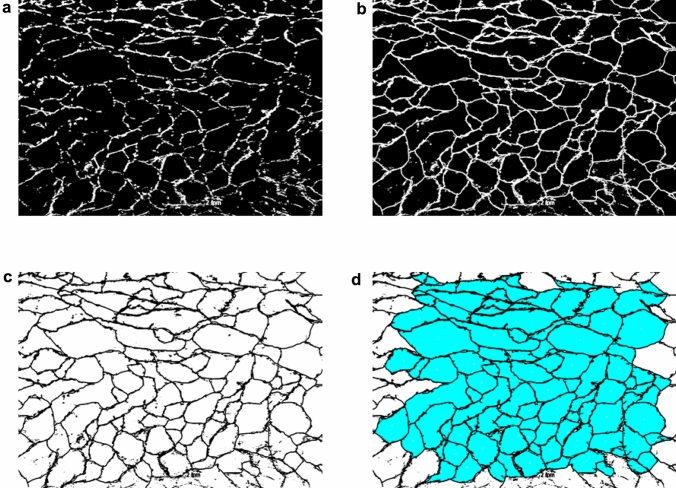
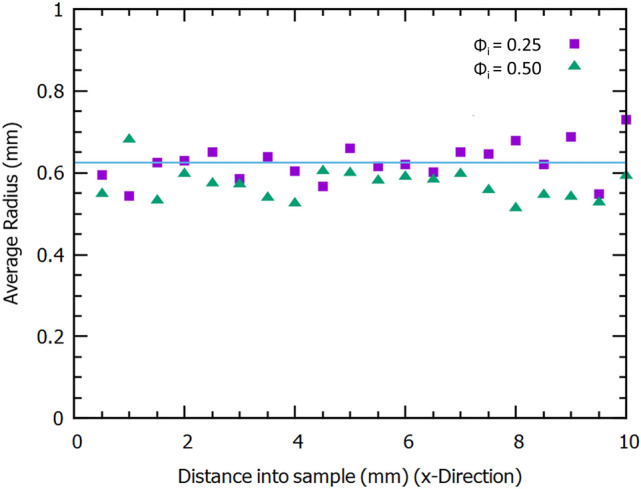
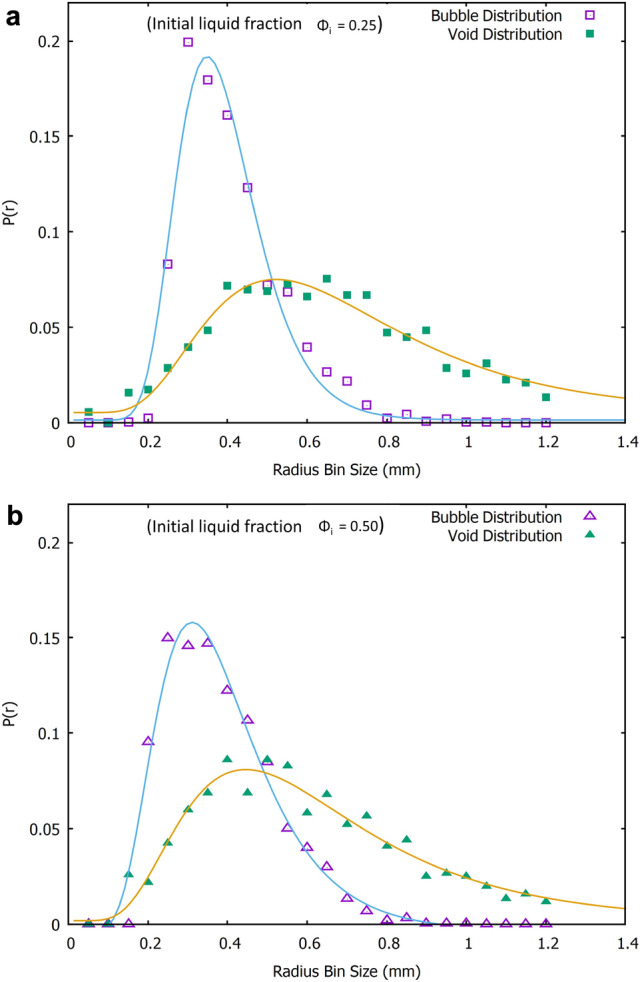
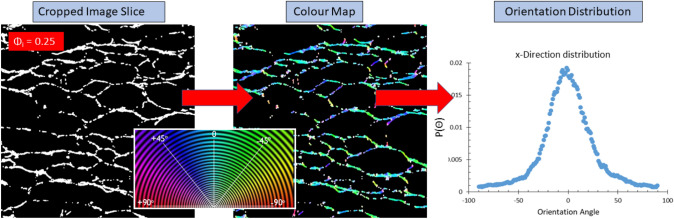
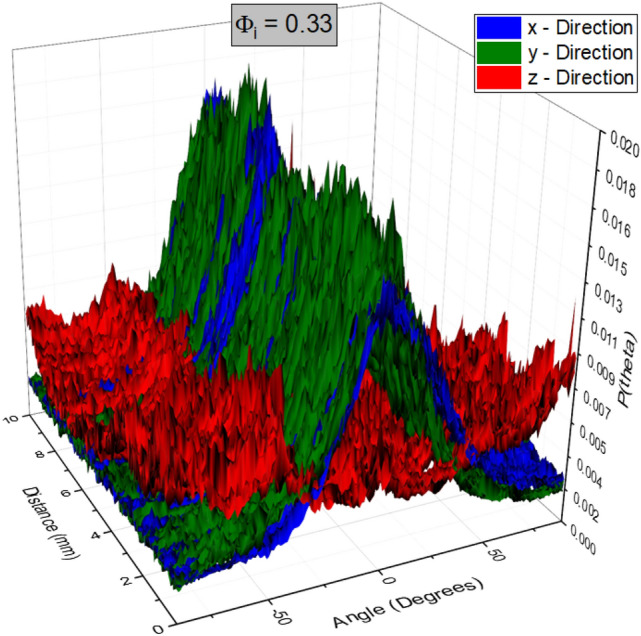
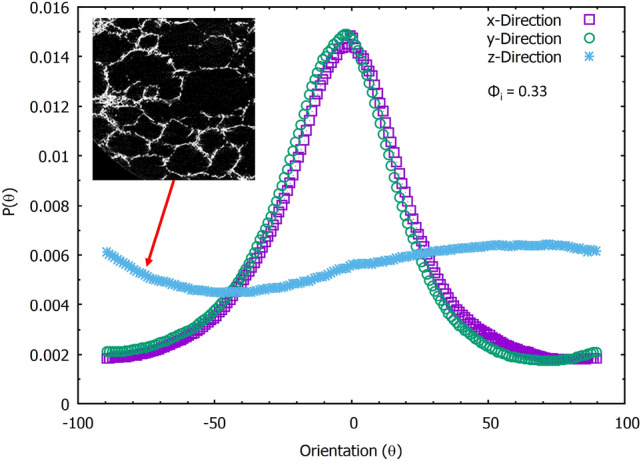
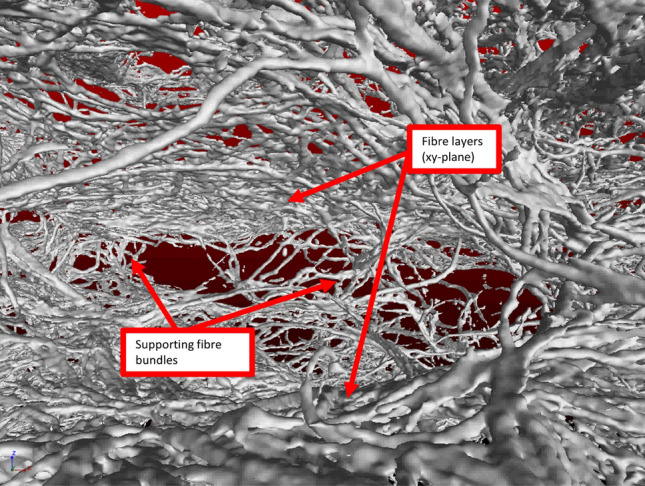
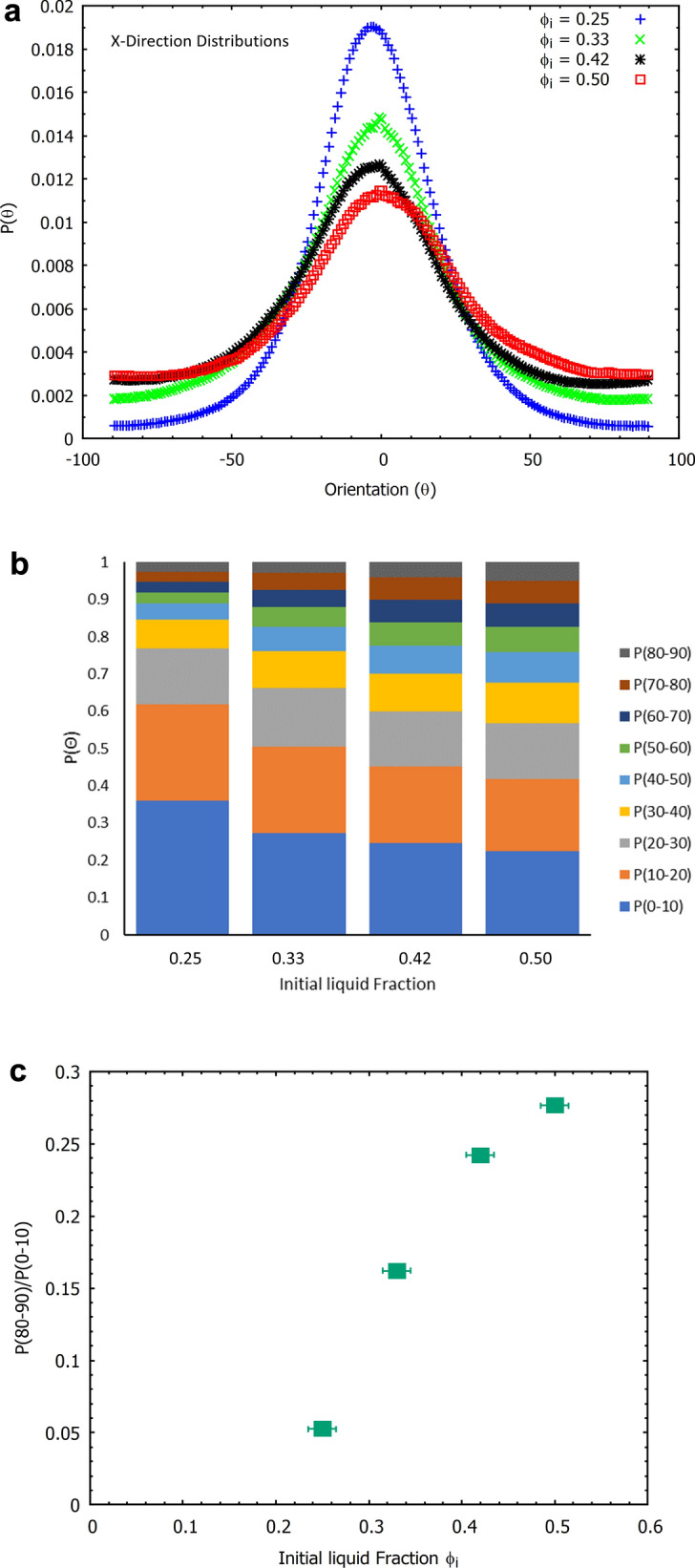
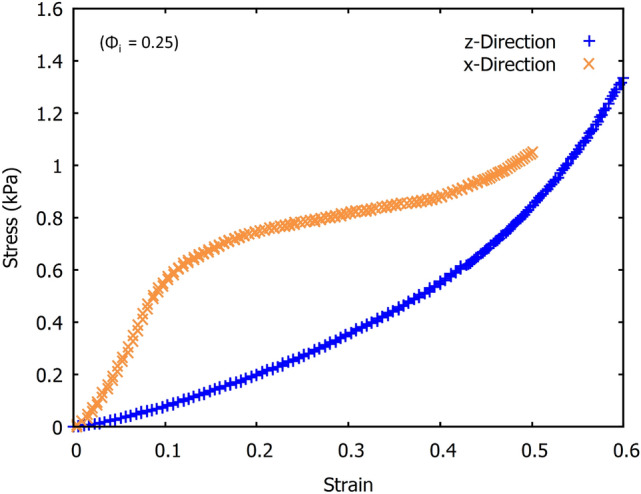
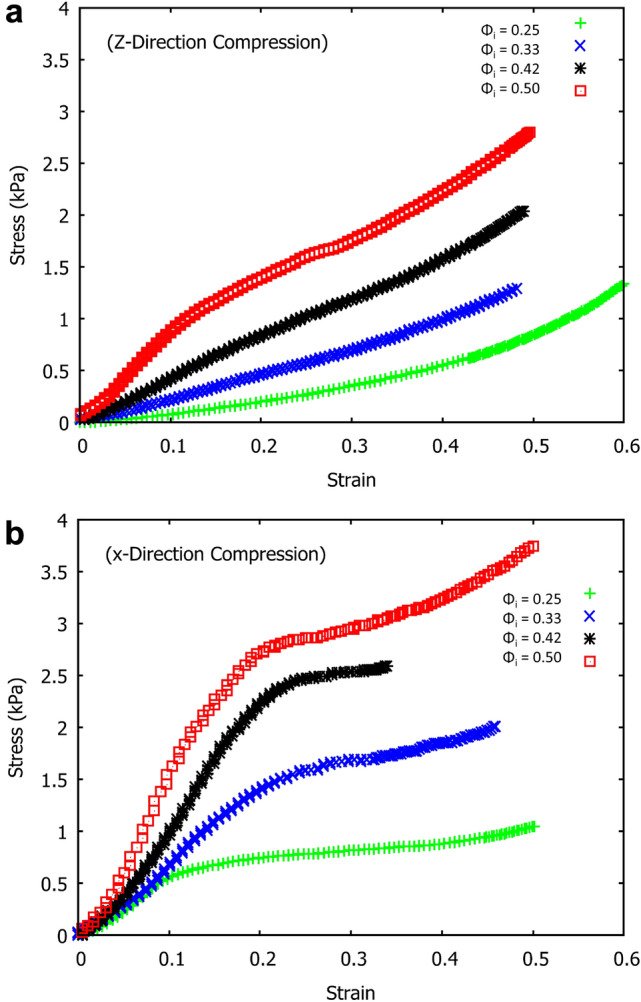
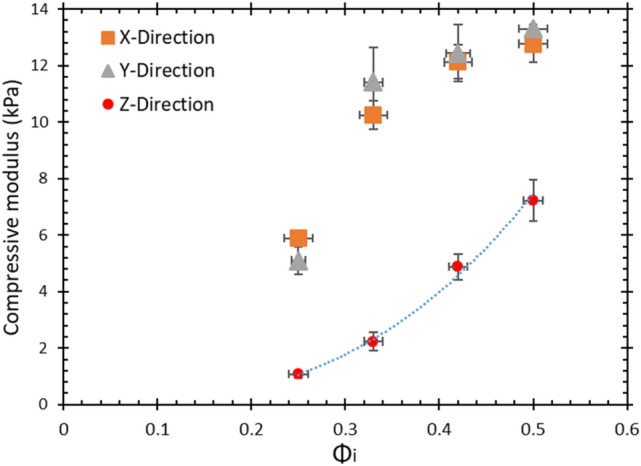
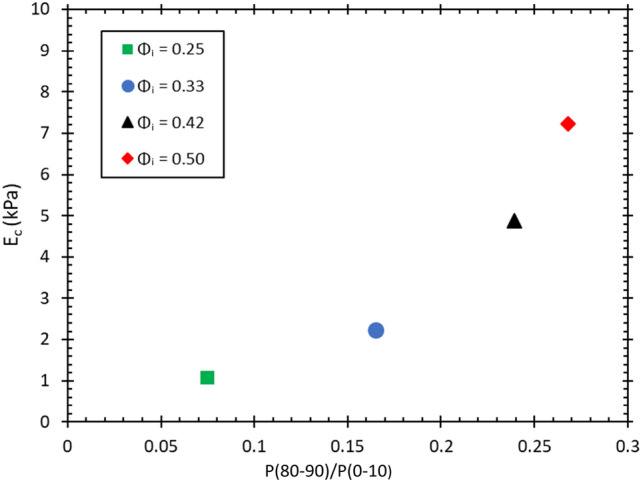
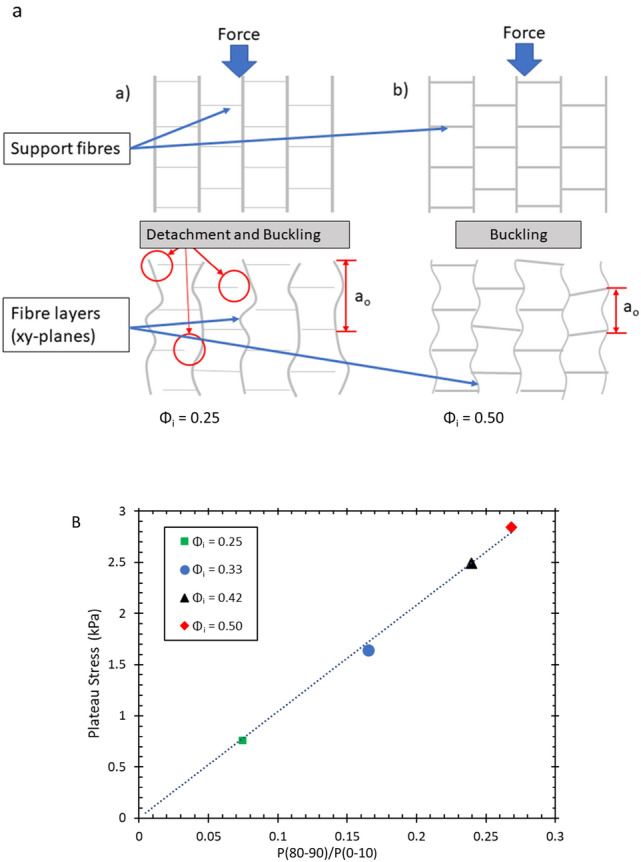
Foam-forming has in the past predominantly been used to create two-dimensional sheet-like fibrous materials. Allowing the foam to drain freely and decay under gravity, rather than applying a vacuum to remove it rapidly, we can produce lightweight three-dimensional fibrous structures from cellulose fibres, of potential use for thermal and acoustic insulation. CT scanning of the fibrous materials enable us to determine both void size distributions and also distributions of fibre orientations. Through image analysis and uniaxial compression testing, we find that the orientation of the fibres, rather than the size of the voids, determine the compressive strength of the material. The fibrous samples display a layering of the fibres perpendicular to the direction of drainage of the precursor liquid foam. This leads to an anisotropy of the compressive behaviour of the samples. Varying the initial liquid fraction of the foam allows for tuning of the compressive strength. We show an increase in over seven times can be achieved for samples of the same density (13 kg.m).
过去,泡沫成型主要用于制造二维片状纤维材料。让泡沫在重力作用下自由排水并衰减,而不是通过施加真空快速去除它,我们可以用纤维素纤维生产出轻质的三维纤维结构,其具有用于隔热和隔音的潜在用途。对纤维材料进行CT扫描使我们能够确定孔隙尺寸分布以及纤维取向分布。通过图像分析和单轴压缩测试,我们发现纤维的取向而非孔隙的大小决定了材料的抗压强度。纤维样品显示出纤维垂直于前体液体泡沫的排水方向分层。这导致样品压缩行为的各向异性。改变泡沫的初始液体分数可以调节抗压强度。我们表明,对于相同密度(13 kg·m)的样品,可以实现超过七倍的抗压强度增加。