Biomedical Primate Research Centre, Rijswijk, the Netherlands.
Department of Molecular Biology, Faculty of Science, Nijmegen Centre for Molecular Life Sciences, Radboud University, Nijmegen, the Netherlands.
Cell Rep Med. 2021 Jan 19;2(1):100185. doi: 10.1016/j.xcrm.2020.100185.
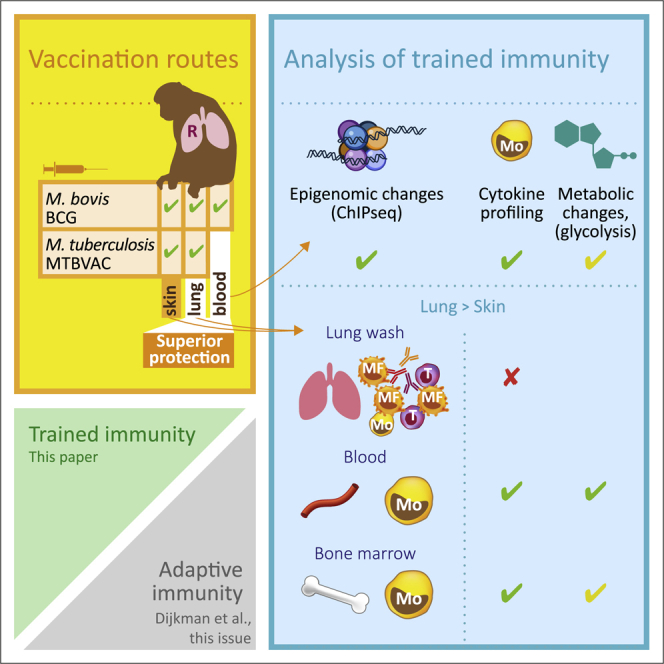
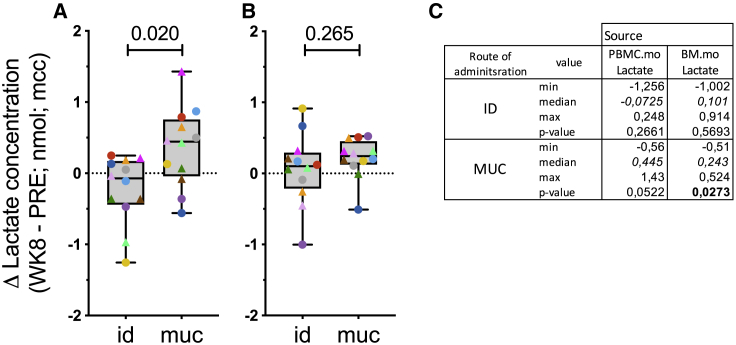
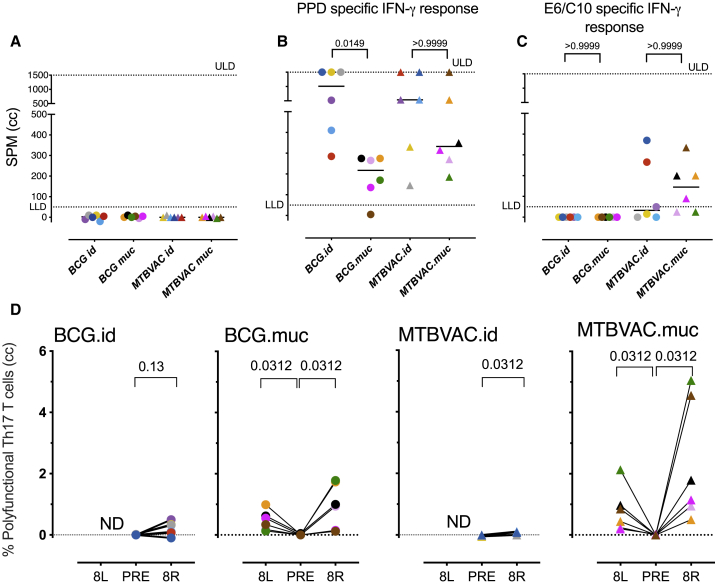
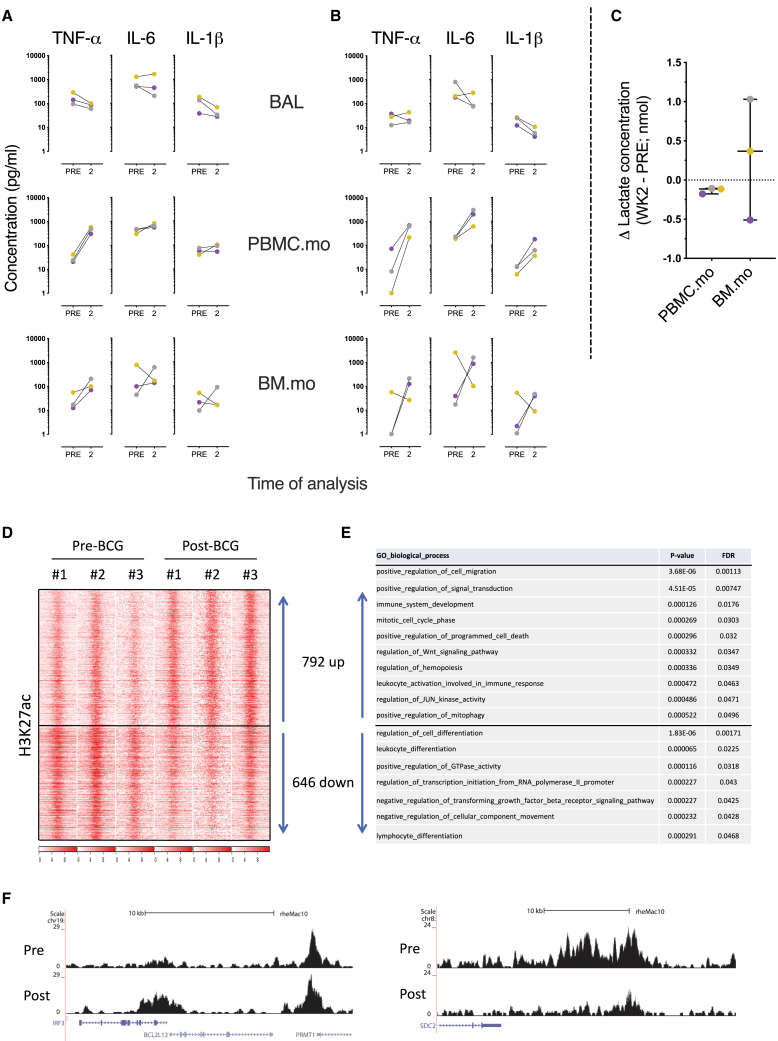
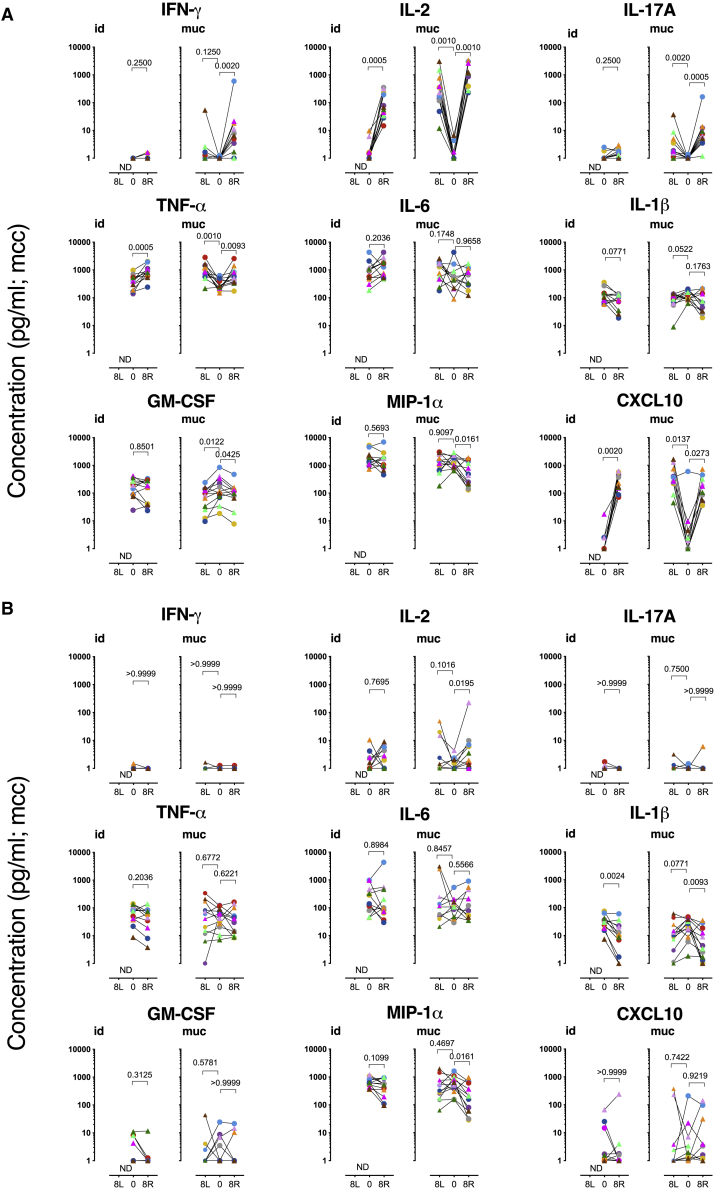
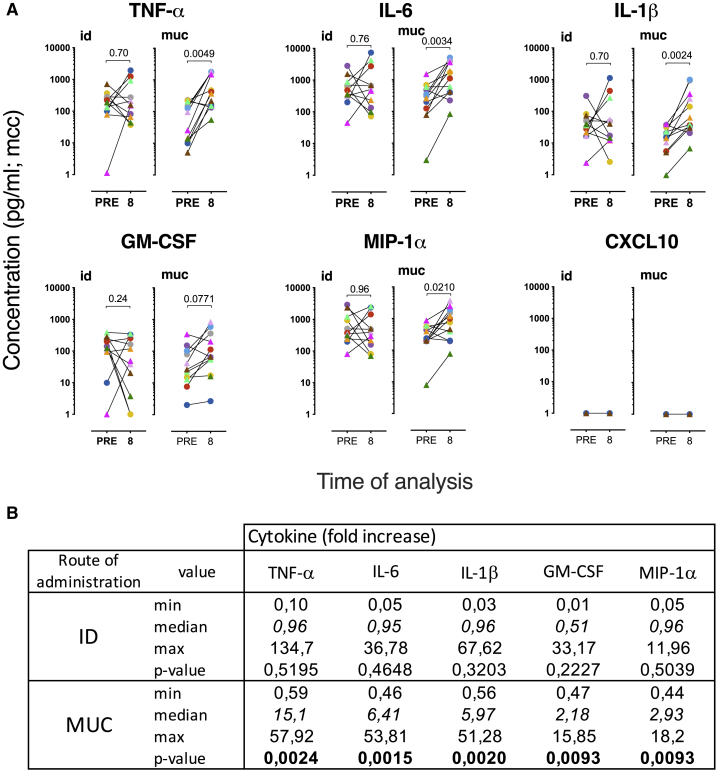
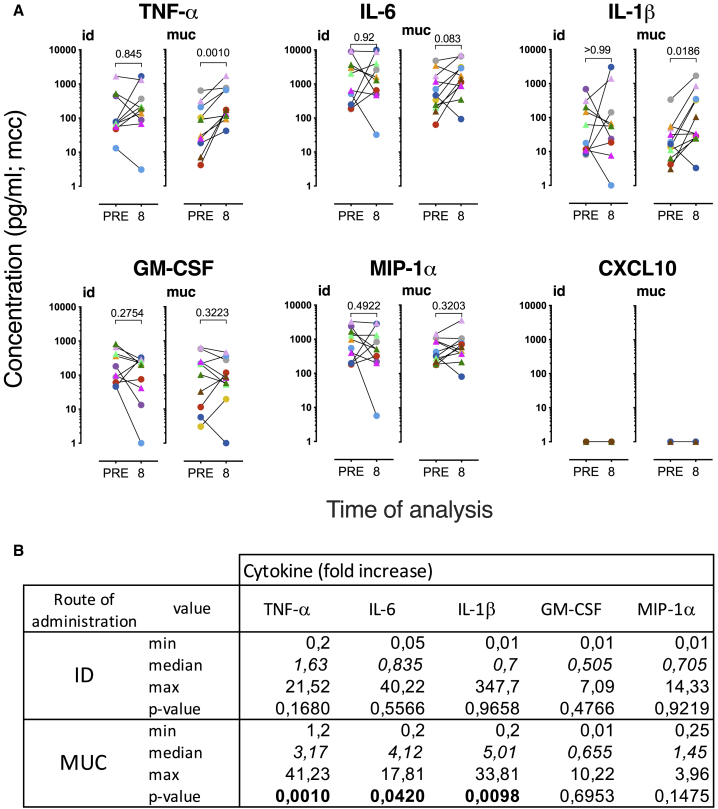
BCG vaccination can strengthen protection against pathogens through the induction of epigenetic and metabolic reprogramming of innate immune cells, a process called trained immunity. We and others recently demonstrated that mucosal or intravenous BCG better protects rhesus macaques from infection and TB disease than standard intradermal vaccination, correlating with local adaptive immune signatures. In line with prior mouse data, here, we show in rhesus macaques that intravenous BCG enhances innate cytokine production associated with changes in H3K27 acetylation typical of trained immunity. Alternative delivery of BCG does not alter the cytokine production of unfractionated bronchial lavage cells. However, mucosal but not intradermal vaccination, either with BCG or the -derived candidate MTBVAC, enhances innate cytokine production by blood- and bone marrow-derived monocytes associated with metabolic rewiring, typical of trained immunity. These results provide support to strategies for improving TB vaccination and, more broadly, modulating innate immunity via mucosal surfaces.
BCG 疫苗接种可以通过诱导先天免疫细胞的表观遗传和代谢重编程来增强对病原体的保护,这一过程称为训练有素的免疫。我们和其他人最近证明,与标准皮内接种相比,黏膜或静脉内 BCG 能更好地保护恒河猴免受感染和结核病的侵害,这与局部适应性免疫特征相关。与之前的小鼠数据一致,在这里,我们在恒河猴中表明,静脉内 BCG 增强了与训练有素免疫相关的 H3K27 乙酰化变化相关的先天细胞因子产生。BCG 的替代递送不会改变未分馏支气管灌洗细胞的细胞因子产生。然而,黏膜而非皮内接种,无论是用 BCG 还是衍生的候选 MTBVAC,都能增强与训练有素免疫相关的代谢重编程相关的血液和骨髓来源的单核细胞的先天细胞因子产生。这些结果为改善结核病疫苗接种的策略提供了支持,更广泛地说,通过黏膜表面调节先天免疫。