Translational and Clinical Research Institute, Newcastle University, Newcastle upon Tyne, UK.
Paediatric Haematopoietic Stem Cell Transplant Unit, Great North Children's Hospital, Clinical Resource Building, Floor 4, Block 2, Queen Victoria Road, Newcastle upon Tyne, NE1 4LP, UK.
J Clin Immunol. 2021 Jul;41(5):934-943. doi: 10.1007/s10875-021-00971-2. Epub 2021 Feb 1.
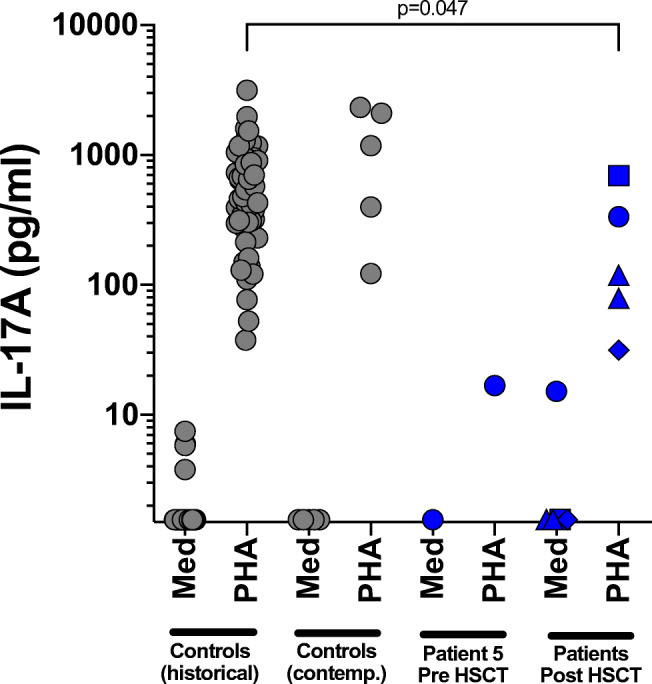
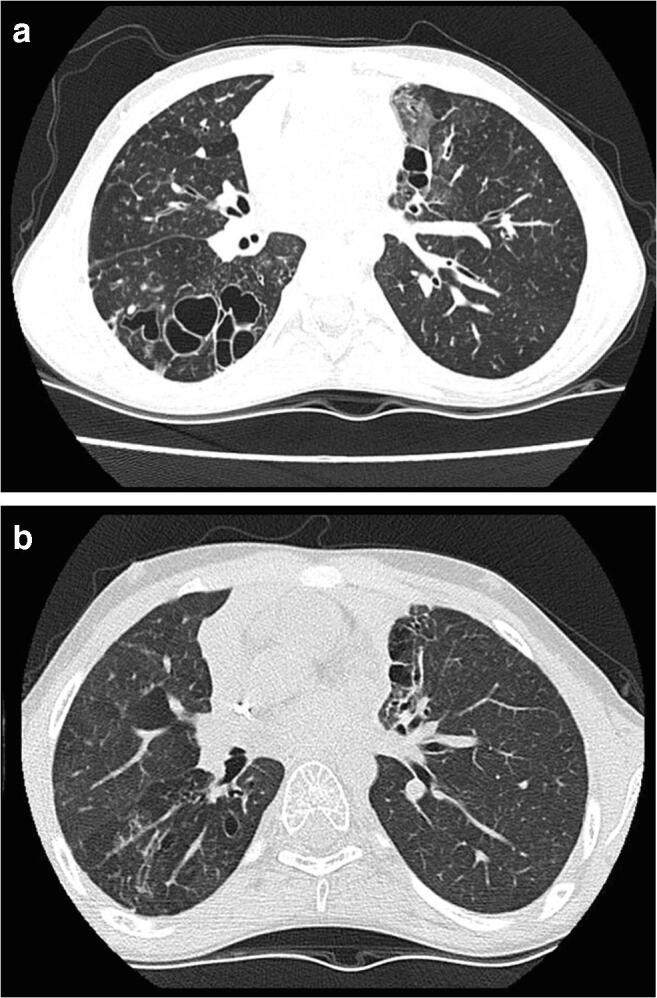
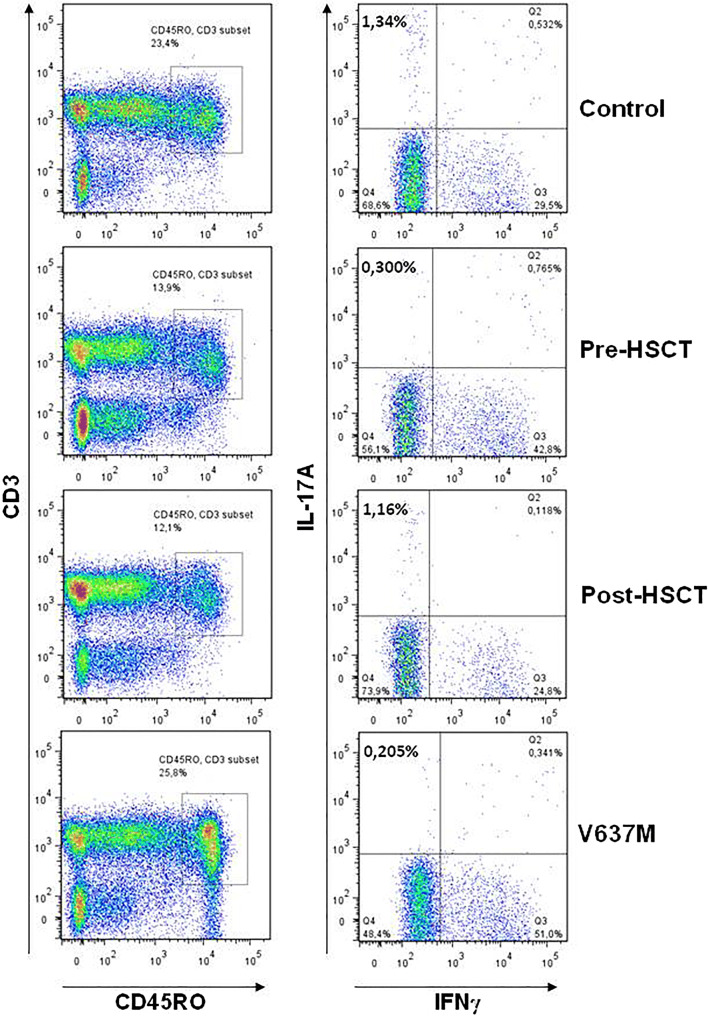
Autosomal dominant hyper-IgE syndrome caused by dominant-negative loss-of-function mutations in signal transducer and activator of transcription factor 3 (STAT3) (STAT3-HIES) is a rare primary immunodeficiency with multisystem pathology. The quality of life in patients with STAT3-HIES is determined by not only the progressive, life-limiting pulmonary disease, but also significant skin disease including recurrent infections and abscesses requiring surgery. Our early report indicated that hematopoietic stem cell transplantation might not be effective in patients with STAT3-HIES, although a few subsequent reports have reported successful outcomes. We update on progress of our patient now with over 18 years of follow-up and report on an additional seven cases, all of whom have survived despite demonstrating significant disease-related pathology prior to transplant. We conclude that effective cure of the immunological aspects of the disease and stabilization of even severe lung involvement may be achieved by allogeneic hematopoietic stem cell transplantation. Recurrent skin infections and abscesses may be abolished. Donor T17 cells may produce comparable levels of IL17A to healthy controls. The future challenge will be to determine which patients should best be offered this treatment and at what point in their disease history.
常染色体显性遗传高免疫球蛋白 E 综合征由信号转导子和转录激活因子 3(STAT3)的显性负性失活突变引起(STAT3-HIES),是一种罕见的多系统病理原发性免疫缺陷病。STAT3-HIES 患者的生活质量不仅取决于进行性、危及生命的肺部疾病,还取决于严重的皮肤疾病,包括反复发作的感染和需要手术的脓肿。我们的早期报告表明,造血干细胞移植可能对 STAT3-HIES 患者无效,尽管随后有少数报告报告了成功的结果。我们更新了我们的患者超过 18 年的随访进展,并报告了另外 7 例病例,尽管所有这些病例在移植前都表现出明显的疾病相关病理,但他们都存活下来。我们得出结论,同种异体造血干细胞移植可以有效治愈疾病的免疫学方面,并稳定甚至严重的肺部受累。复发性皮肤感染和脓肿可能会被消除。供体 T17 细胞可能产生与健康对照组相当水平的 IL17A。未来的挑战将是确定哪些患者最适合接受这种治疗,以及在疾病史的哪个阶段。