Neurology Department, Parma Hospital.
Sleep Disorders Center, Department of Medicine and Surgery, University of Parma, Parma, Italy.
Acta Biomed. 2020 Nov 23;91(4):e2020196. doi: 10.23750/abm.v91i4.10941.
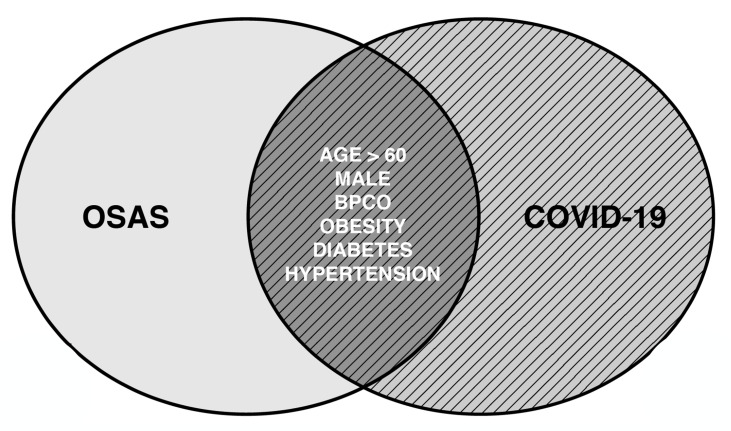
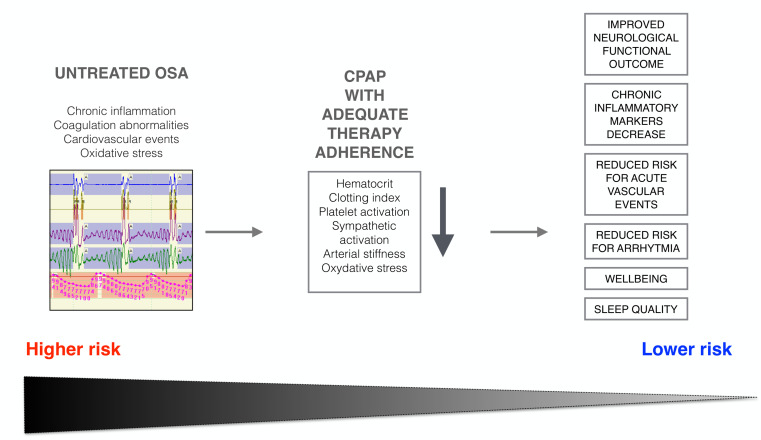
Obstructive sleep apnea (OSA) is a broadly diffused curable chronic low-grade inflammatory disease sharing impressive clinical and pathogenetic features with Covid-19. Moreover, a potential role of OSA as a detrimental factor for Covid-19 severity has been hypothesized. Continuous positive airway pressure (CPAP) is the mainstay treatment for moderate-severe OSA, but the beneficial effects of ventilation strongly depend on medical expertise and on the patient's adherence and compliance. Although several papers have analyzed the overlaps and outcomes of OSA and Covid-19, limited attention has been dedicated to ventilatory adherence and management of OSA cohorts exposed to Covid-19. We briefly review the literature data, pointing out the main risks and benefits of CPAP for OSA patients in the pandemic setting.
阻塞性睡眠呼吸暂停(OSA)是一种广泛存在的可治愈的慢性低度炎症性疾病,与 COVID-19 具有显著的临床和发病机制特征。此外,有人假设 OSA 可能是 COVID-19 严重程度的一个有害因素。持续气道正压通气(CPAP)是中重度 OSA 的主要治疗方法,但通气的有益效果强烈依赖于医疗专业知识以及患者的依从性。尽管已经有几篇论文分析了 OSA 和 COVID-19 的重叠和结果,但对于 COVID-19 暴露的 OSA 患者的通气依从性和管理问题,关注较少。我们简要回顾了文献数据,指出了在大流行环境下 CPAP 对 OSA 患者的主要风险和益处。