Digestive Medicine Center, The Seventh Affiliated Hospital of Sun Yat-Sen University, Shenzhen, Guangdong, China.
Department of Gastrointestinal Surgery, The First Affiliated Hospital, Sun Yat-Sen University, Guangzhou, Guangdong, China.
Aging (Albany NY). 2021 Feb 1;13(4):5197-5225. doi: 10.18632/aging.202440.
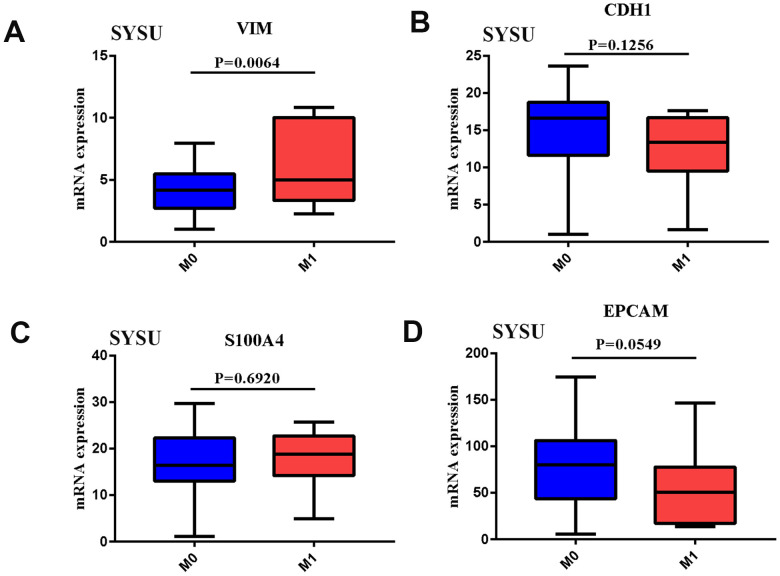
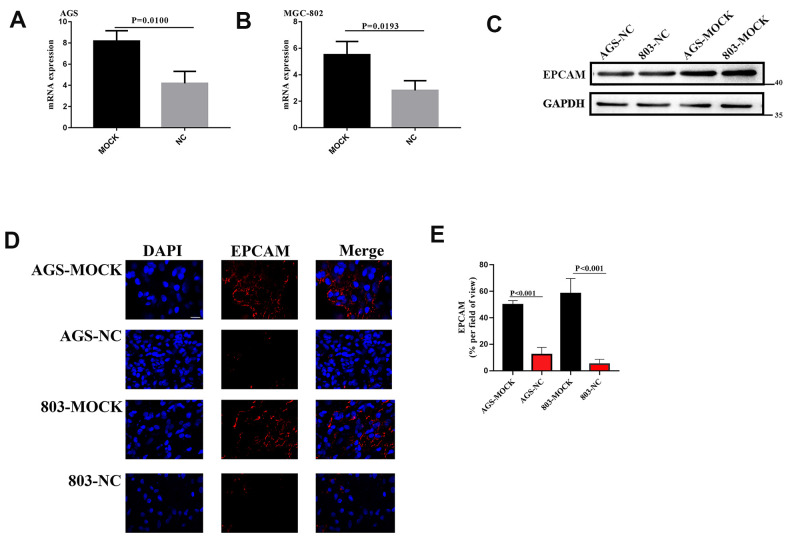
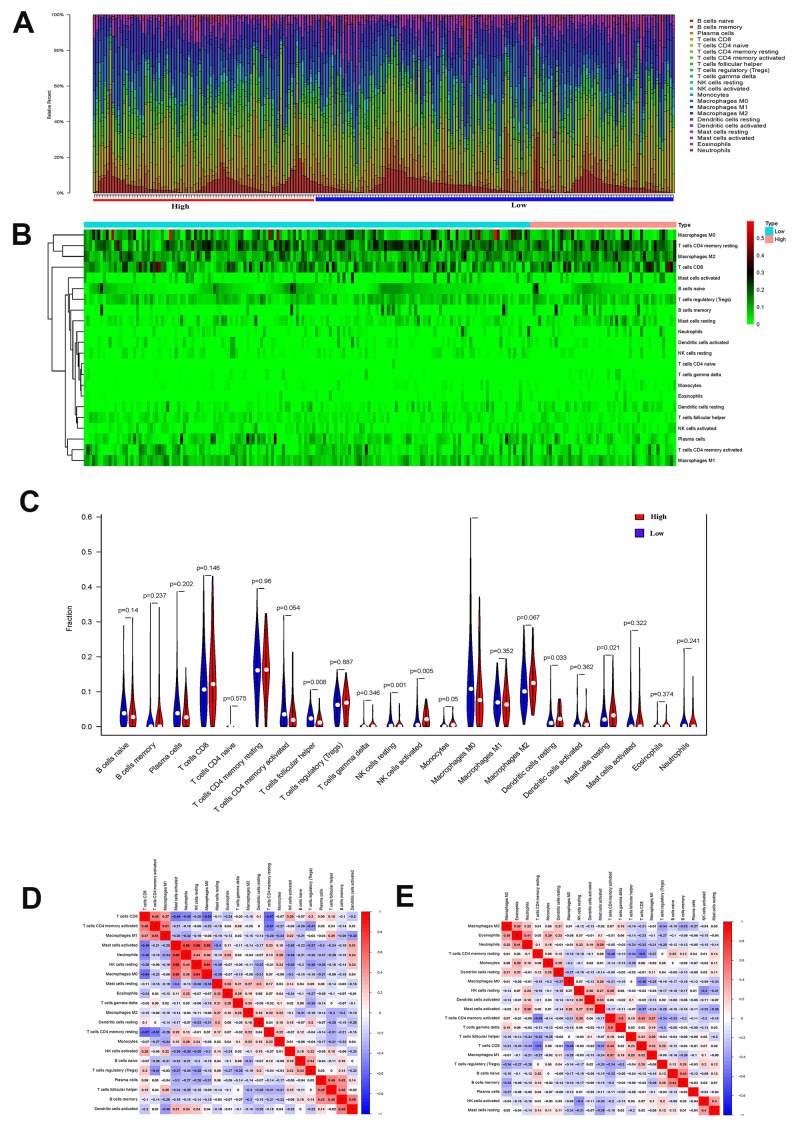
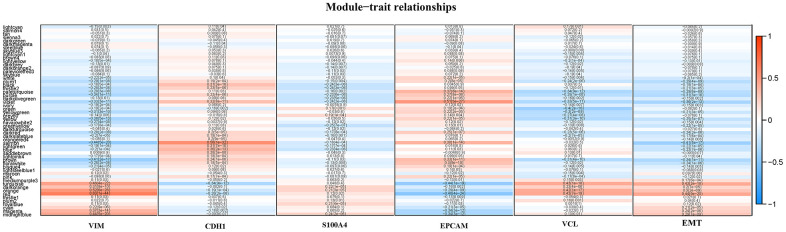
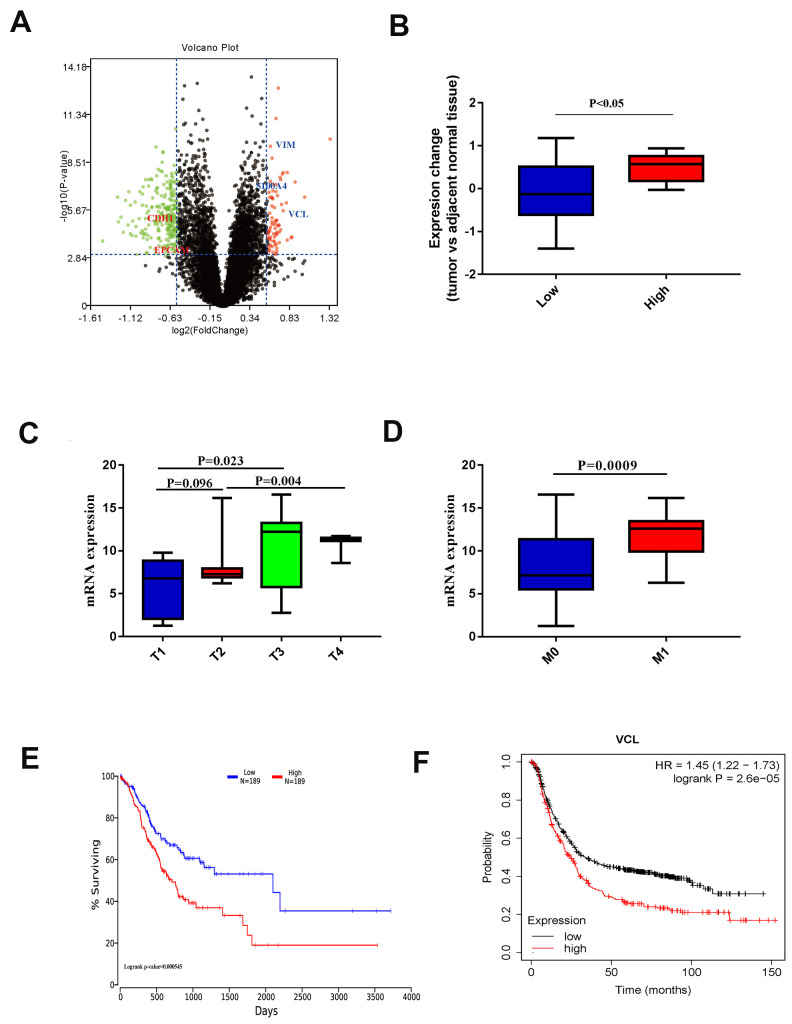
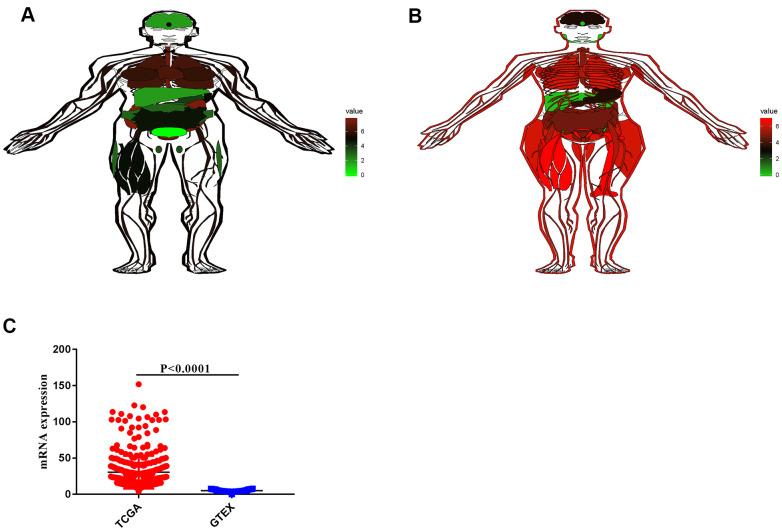
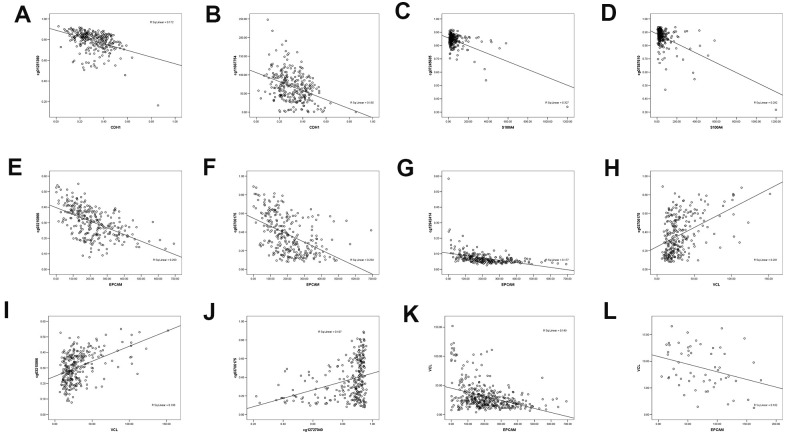
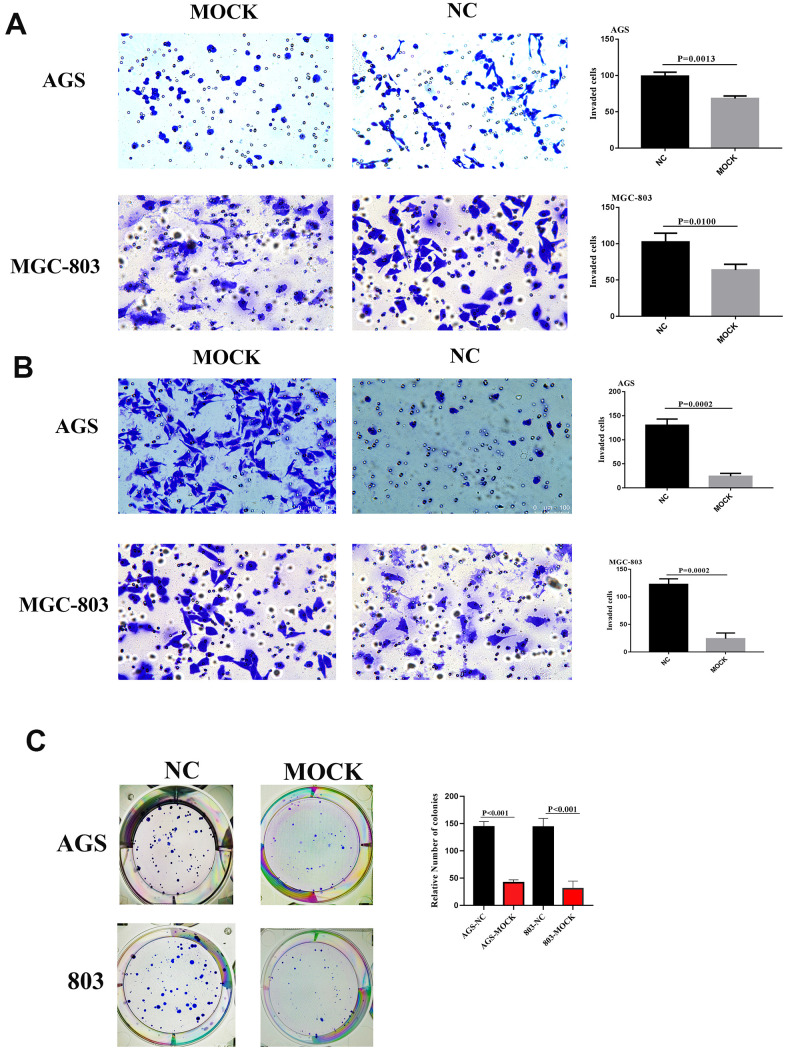
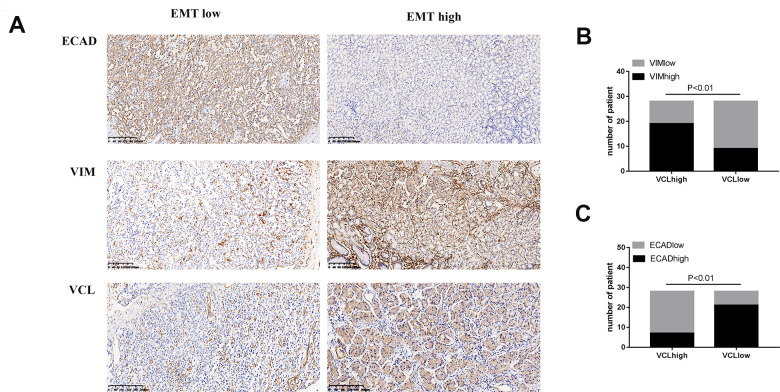
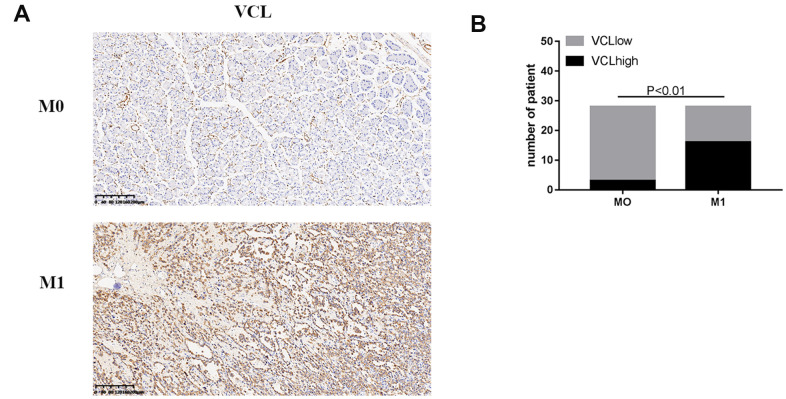
In the process of epithelial-mesenchymal transition (EMT), epithelial cancer cells transdifferentiate into mesenchymal-like cells with high motility and aggressiveness, resulting in the spread of tumor cells. Immune cells and inflammation in the tumor microenvironment are the driving factors of EMT, but few studies have explored the core targets of the interaction between EMT and tumor immune cells. We analyzed thousands of cases of gastric cancer and gastric tissue specimens of TCGA, CPTAC, GTEx and analyzing QPCR and IHC data of 56 gastric cancer patients in SYSU Gastric Cancer Research Center. It was known that EMT has an important connection with the infiltration of NK cells, and that the expression of vinculin may be the target of the phenomenon. The increased expression of vinculin is closely related to the aggressiveness and distant metastasis of cancer, which affects the survival prognosis of the patient. Moreover, through experiments under 3D conditions, we found that vinculin, cell invasion and metastasis are clearly linked. VCL can affect EMT and tumor immunity by regulating EPCAM gene expression. The role and mechanism of action of vinculin have been controversial, but this molecule may downregulate EpCAM (epithelial cellular adhesion molecule) and its own role in gastric cancer through DNA methylation, causing NK cells to enrich into tumor cells and kill tumor cells. At the same time, it promotes the occurrence of EMT, which in turn causes tumor metastasis and thus poorer prognosis.
在上皮-间质转化(EMT)过程中,上皮癌细胞向具有高迁移和侵袭性的间充质样细胞分化,导致肿瘤细胞扩散。肿瘤微环境中的免疫细胞和炎症是 EMT 的驱动因素,但很少有研究探讨 EMT 与肿瘤免疫细胞相互作用的核心靶点。我们分析了数千例胃癌病例和 TCGA、CPTAC、GTEx 的胃癌组织标本,并分析了中山大学胃癌研究中心 56 例胃癌患者的 QPCR 和 IHC 数据。结果表明,EMT 与 NK 细胞浸润有重要联系,而纽蛋白的表达可能是这种现象的靶标。纽蛋白的表达增加与癌症的侵袭性和远处转移密切相关,影响患者的生存预后。此外,通过 3D 条件下的实验,我们发现纽蛋白、细胞侵袭和转移明显相关。VCL 可以通过调节 EPCAM 基因表达来影响 EMT 和肿瘤免疫。纽蛋白的作用和机制一直存在争议,但该分子可能通过 DNA 甲基化下调 EpCAM(上皮细胞黏附分子)及其在胃癌中的作用,导致 NK 细胞富集到肿瘤细胞中并杀伤肿瘤细胞。同时,它促进 EMT 的发生,进而导致肿瘤转移,从而导致预后较差。