Department of Microbiology and Immunology, Medical College of Wisconsin, Milwaukee, Wisconsin; Center for Immunology, Medical College of Wisconsin, Milwaukee, Wisconsin; LaBahn Pancreatic Cancer Program, Medical College of Wisconsin, Milwaukee, Wisconsin.
Department of Microbiology and Immunology, Medical College of Wisconsin, Milwaukee, Wisconsin; Center for Immunology, Medical College of Wisconsin, Milwaukee, Wisconsin.
Cell Mol Gastroenterol Hepatol. 2021;12(1):41-58. doi: 10.1016/j.jcmgh.2021.01.018. Epub 2021 Feb 4.
BACKGROUND & AIMS: Pancreatic ductal adenocarcinoma (PDA) is a lethal chemoresistant cancer that exhibits early metastatic spread. The highly immunosuppressive PDA tumor microenvironment renders patients resistant to emerging immune-targeted therapies. Building from our prior work, we evaluated stimulator of interferon genes (STING) agonist activation of PDA cell interferon-α/β-receptor (IFNAR) signaling in systemic antitumor immune responses.
PDA cells were implanted subcutaneously to wild-type, IFNAR-, or CXCR3-knockout mice. Tumor growth was monitored, and immune responses were comprehensively profiled.
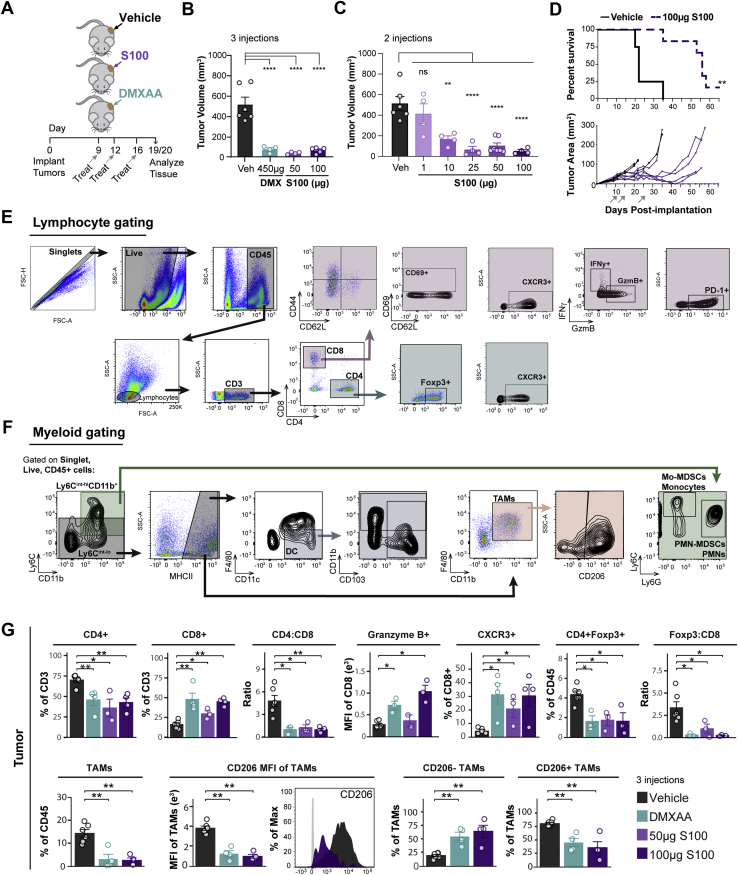
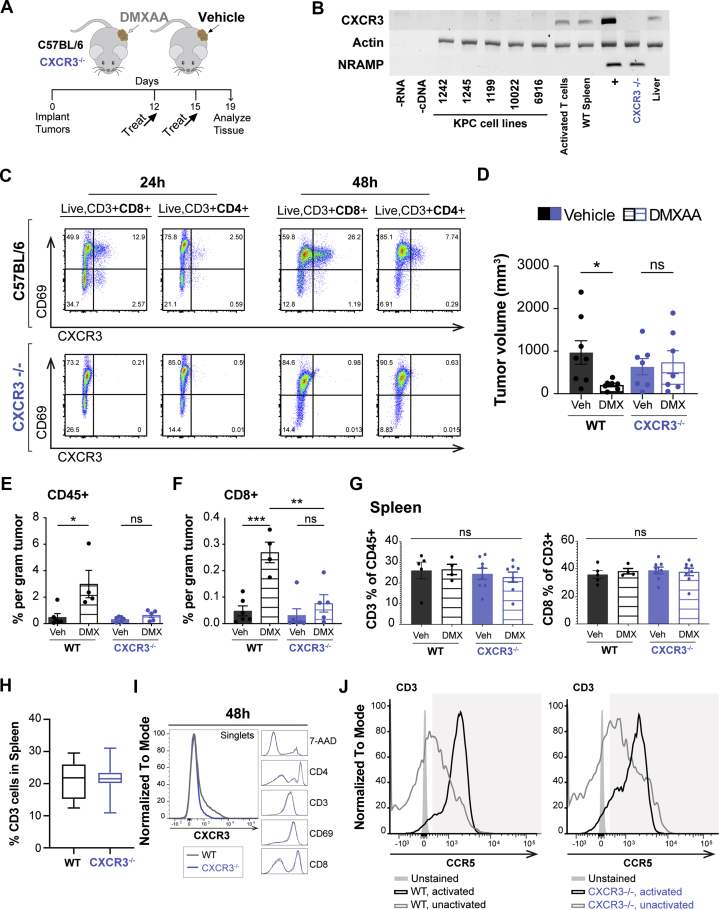
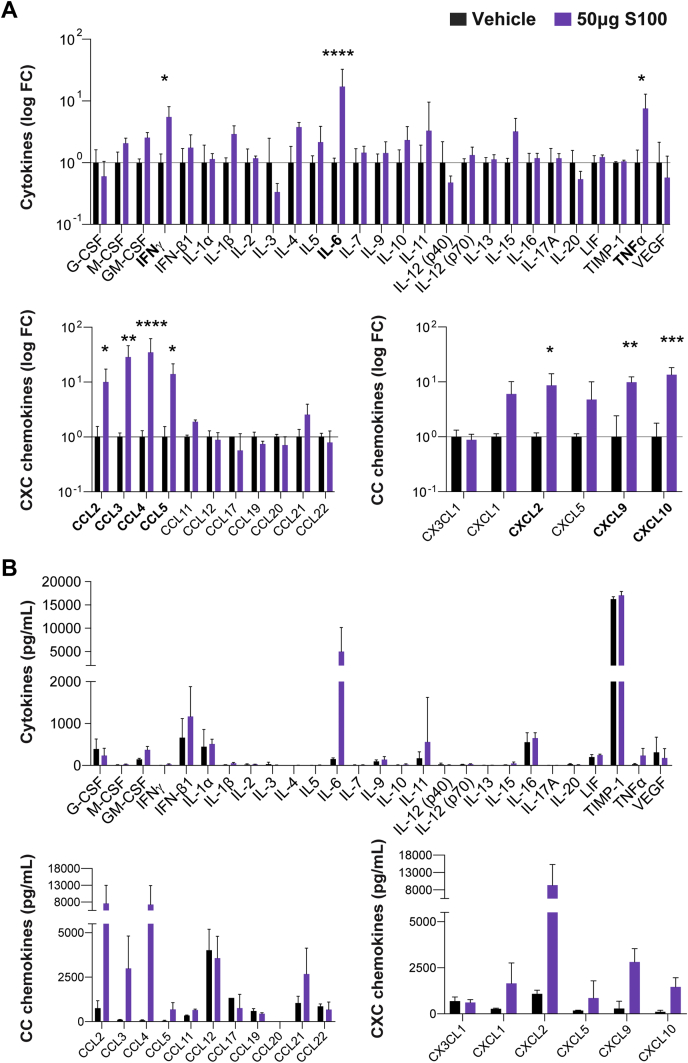
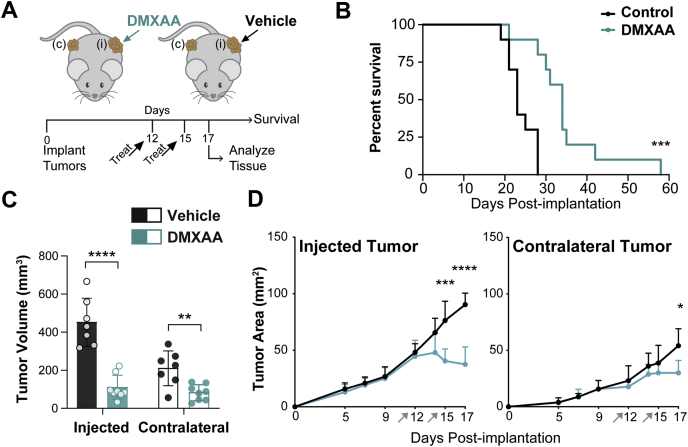
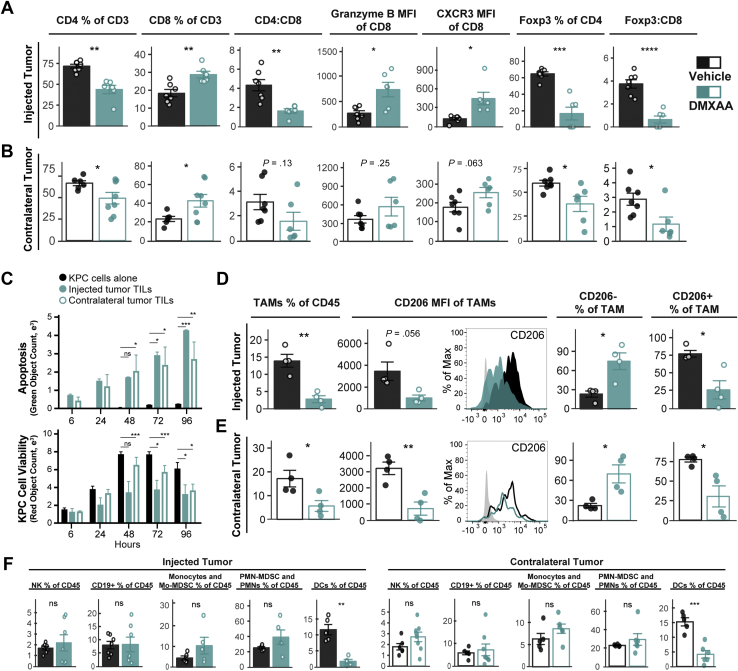
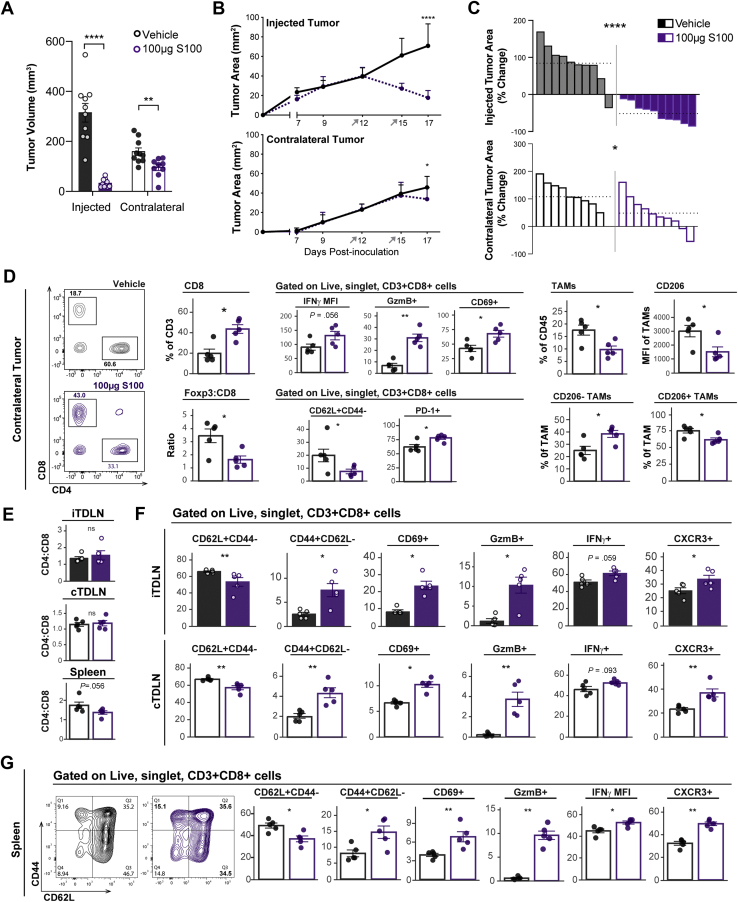
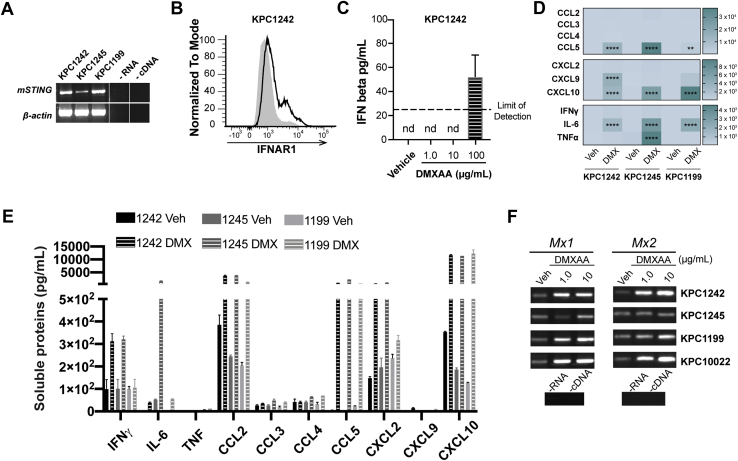
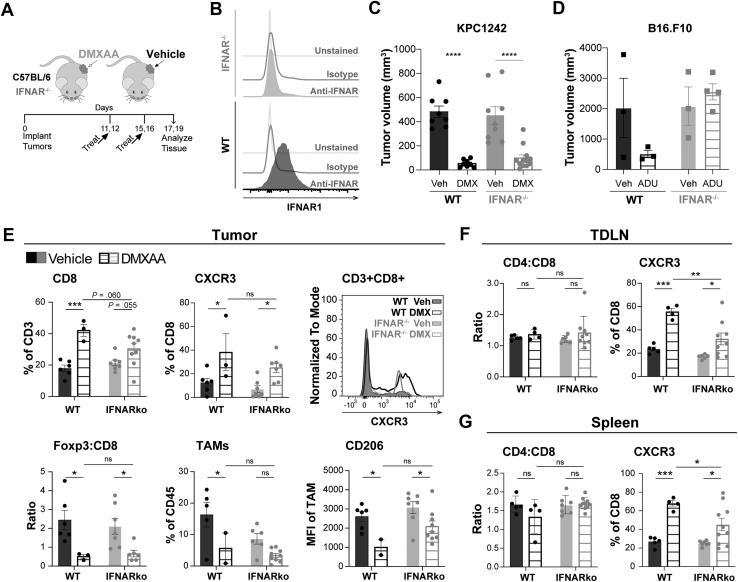
Human and mouse STING agonist ADU-S100 reduced local and distal tumor burden and activated systemic antitumor immune responses in PDA-bearing mice. Effector T-cell infiltration and inflammatory cytokine and chemokine production, including IFN-dependent CXCR3-agonist chemokines, were elevated, whereas suppressive immune populations were decreased in treated tumors. Intratumoral STING agonist treatment also generated inflammation in distal noninjected tumors and peripheral immune tissues. STING agonist treatment of type I IFN-responsive PDA tumors engrafted to IFNAR recipient mice was sufficient to contract tumors and stimulate local and systemic T-cell activation. Tumor regression and CD8 T-cell infiltration were abolished in PDA engrafted to CXCR3 mice treated with STING agonist.
These data indicate that STING agonists promote T-cell infiltration and counteract immune suppression in locally treated and distant tumors. Tumor-intrinsic type I IFN signaling initiated systemic STING-mediated antitumor inflammation and required CXCR3 expression. STING-mediated induction of systemic immune responses provides an approach to harness the immune system to treat primary and disseminated pancreatic cancers.
胰腺导管腺癌(PDA)是一种致命的化疗耐药癌症,具有早期转移扩散的特征。高度免疫抑制的 PDA 肿瘤微环境使患者对新兴的免疫靶向治疗产生耐药性。基于我们之前的工作,我们评估了干扰素基因刺激物(STING)激动剂在全身抗肿瘤免疫反应中对 PDA 细胞干扰素-α/β-受体(IFNAR)信号的激活作用。
将 PDA 细胞皮下植入野生型、IFNAR-或 CXCR3 基因敲除小鼠体内。监测肿瘤生长,并对免疫反应进行全面分析。
人源和鼠源 STING 激动剂 ADU-S100 减少了 PDA 荷瘤小鼠的局部和远处肿瘤负担,并激活了全身抗肿瘤免疫反应。效应 T 细胞浸润以及细胞因子和趋化因子的产生增加,包括 IFN 依赖性 CXCR3 激动剂趋化因子,而治疗肿瘤中的抑制性免疫细胞群减少。肿瘤内 STING 激动剂治疗也会在远处未注射肿瘤和外周免疫组织中引发炎症。STING 激动剂治疗 I 型 IFN 反应性 PDA 肿瘤并移植到 IFNAR 受体小鼠中,足以缩小肿瘤并刺激局部和全身 T 细胞激活。在 STING 激动剂治疗的 CXCR3 基因敲除 PDA 荷瘤小鼠中,肿瘤消退和 CD8 T 细胞浸润被消除。
这些数据表明,STING 激动剂促进 T 细胞浸润,并在局部治疗和远处肿瘤中对抗免疫抑制。肿瘤内在的 I 型 IFN 信号启动了系统的 STING 介导的抗肿瘤炎症,需要 CXCR3 表达。STING 介导的全身免疫反应诱导为利用免疫系统治疗原发性和播散性胰腺癌提供了一种方法。