University of Trieste, Trieste, Italy.
Department of Pediatrics, Institute for Maternal and Child Health Burlo Garofolo, Trieste, Italy.
BMC Pediatr. 2021 Feb 6;21(1):67. doi: 10.1186/s12887-021-02530-5.
Plexiform neurofibromas (PNs) are congenital tumors that affect around 50 % of the subjects with neurofibromatosis type 1. Despite being histologically benign, PNs can grow rapidly, especially in the pediatric age, and cause severe morbidities. In the past, various therapeutic approaches have been proposed to treat these masses, none of which obtained valuable results. Selumetinib, an inhibitor of mitogen-activated protein kinase (MEK) 1 and 2, has been the first molecule to demonstrate the ability of tackling the growth of PNs. The drug's most common side effects, which usually are mild or moderate, include gastrointestinal symptoms (diarrhea, abdominal pain), dermatologic manifestations (maculo-papular and acneiform rash, paronychia, mucositis), and various laboratory test abnormalities (elevation of creatine kinase and aminotransferase).
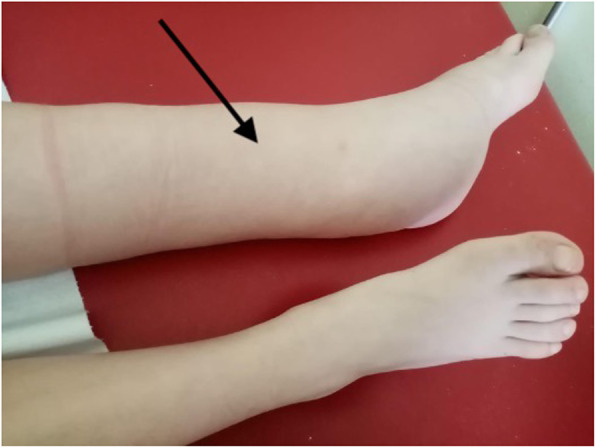
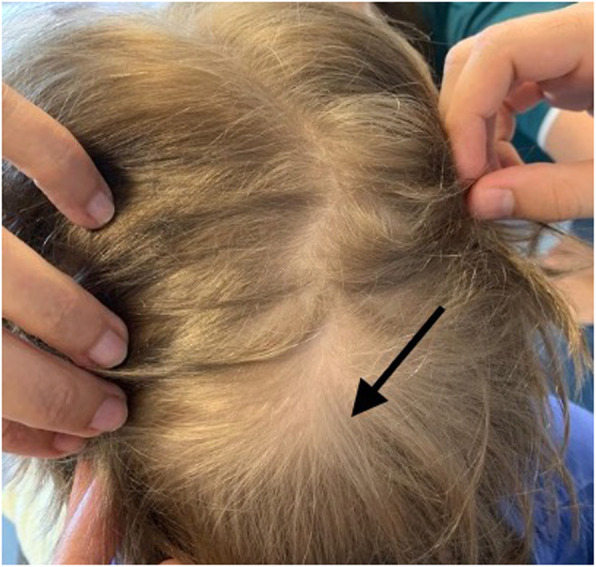
We report two previously undescribed adverse events in pediatric patients: peripheral edema and hair color change. The first case of peripheral edema occurred in a 7-year-old boy affected by a severe form of NF1, after two years of treatment with selumetinib at the standard dose (25 mg/mtwice a day). The edema involved the right leg, and the patient did not complain of pain. The second case of peripheral edema occurred in a 12-year-old girl after six months of therapy with selumetinib at the standard dose, involving her lower left leg. The patient initially complained of pain in that area, but it gradually and spontaneously resolved. In both patients, all the radiological exams, including lymphoscintigraphy, pelvic and abdominal ultrasound, and doppler ultrasound of the affected limb, as well as blood tests, revealed no abnormalities. Hair color change appeared in a 4-year-old boy after six months of therapy at the standard dose. The boy's hair, whose natural color was dark blonde, became lighter in some areas. Despite the appearance of these side effects, all the patients and their families decided to continue the treatment with selumetinib, in considerations of its clinical benefits.
Since the use of selumetinib to treat plexiform neurofibromas is increasing in the pediatric population, clinicians should be aware of its side effects, so to decide whether continuing the treatment, reducing the dose or even interrupting it, when appropriate.
丛状神经纤维瘤(PNs)是一种先天性肿瘤,影响约 50%的神经纤维瘤病 1 型患者。尽管丛状神经纤维瘤在组织学上是良性的,但它们可以快速生长,尤其是在儿童时期,并导致严重的并发症。过去,已经提出了各种治疗方法来治疗这些肿块,但都没有获得有价值的结果。Selumetinib 是丝裂原活化蛋白激酶(MEK)1 和 2 的抑制剂,是第一个能够控制丛状神经纤维瘤生长的分子。该药物最常见的副作用通常为轻度或中度,包括胃肠道症状(腹泻、腹痛)、皮肤表现(斑丘疹和痤疮样皮疹、甲周炎、黏膜炎)和各种实验室检查异常(肌酸激酶和氨基转移酶升高)。
我们报告了两名儿科患者以前未描述过的不良反应:外周水肿和头发颜色变化。首例外周水肿发生在一名 7 岁男孩身上,他患有严重的 NF1 型,在接受 selumetinib 标准剂量(25mg/m2,每日两次)治疗两年后出现。水肿累及右腿,患者无疼痛。第二例外周水肿发生在一名 12 岁女孩身上,她在接受 selumetinib 标准剂量治疗六个月后出现,累及左小腿。患者最初在该区域感到疼痛,但逐渐自行缓解。在这两名患者中,所有的影像学检查,包括淋巴闪烁扫描、盆腔和腹部超声、受累肢体的多普勒超声以及血液检查,均未发现异常。在接受标准剂量治疗六个月后,一名 4 岁男孩的头发颜色发生变化。男孩的自然发色为深金黄色,一些部位的头发颜色变浅。尽管出现了这些副作用,但所有患者及其家属仍决定继续使用 selumetinib 治疗,考虑到其临床益处。
由于在儿科人群中使用 selumetinib 治疗丛状神经纤维瘤的情况越来越多,临床医生应了解其副作用,以便在适当的情况下决定是否继续治疗、减少剂量甚至中断治疗。