Magen Roei, Shufaro Yoel, Daykan Yair, Oron Galia, Tararashkina Elena, Levenberg Shulamit, Anuka Eli, Ben-Haroush Avi, Fisch Benjamin, Abir Ronit
Infertility and IVF Unit, Beilinson Women Hospital, Rabin Medical Center, Petach Tikvah, Israel.
Goldman Medical School, Faculty of Health Sciences, Ben-Gurion University of the Negev, Beer-Sheva, Israel.
Front Oncol. 2021 Jan 22;10:598026. doi: 10.3389/fonc.2020.598026. eCollection 2020.
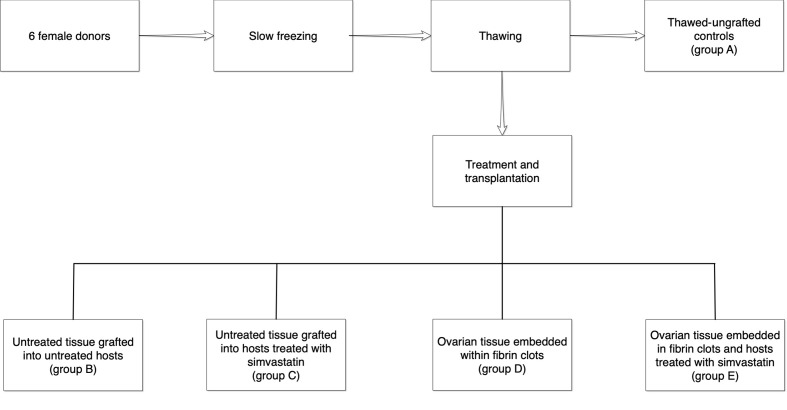
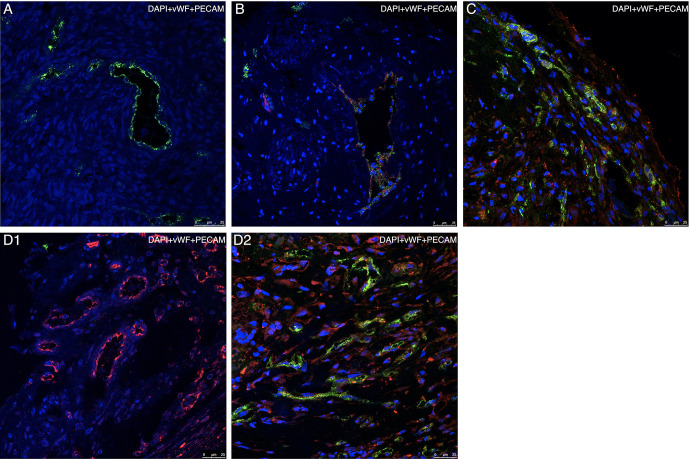
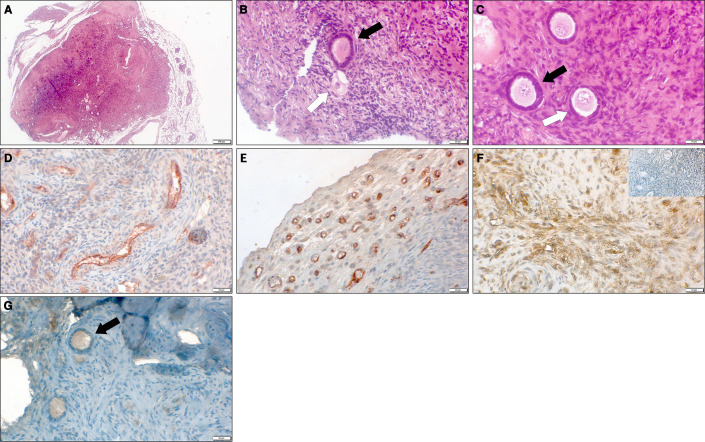
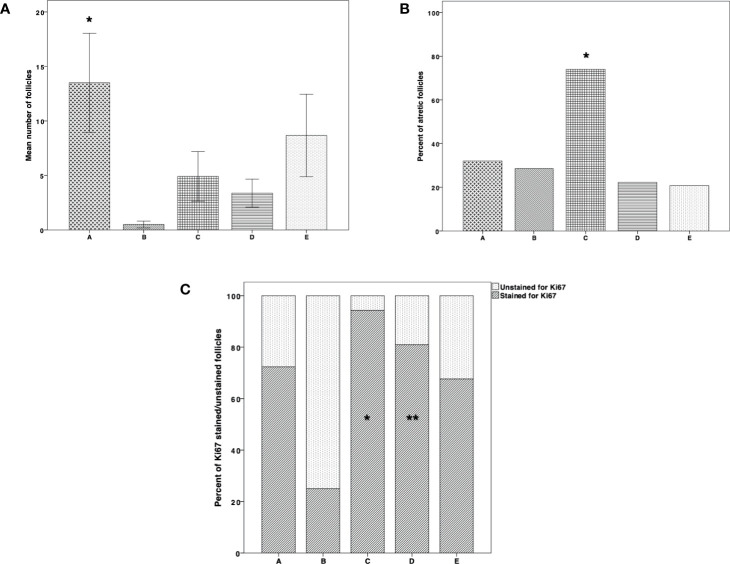
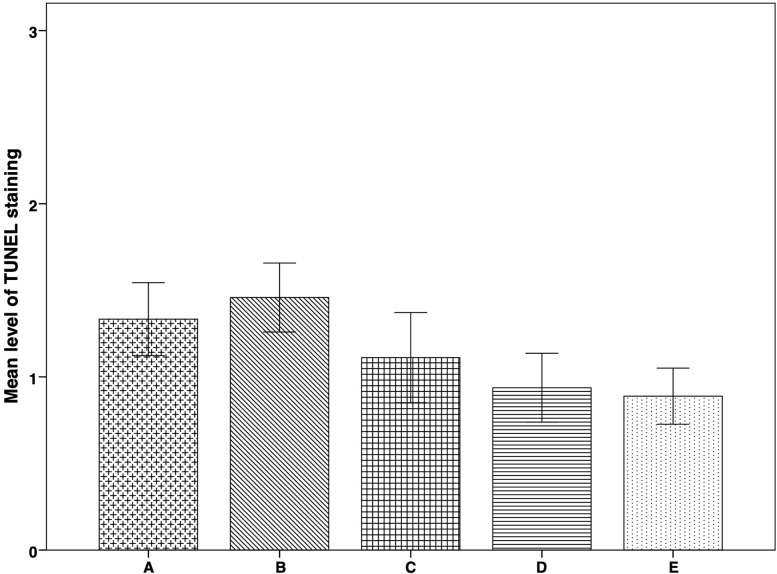
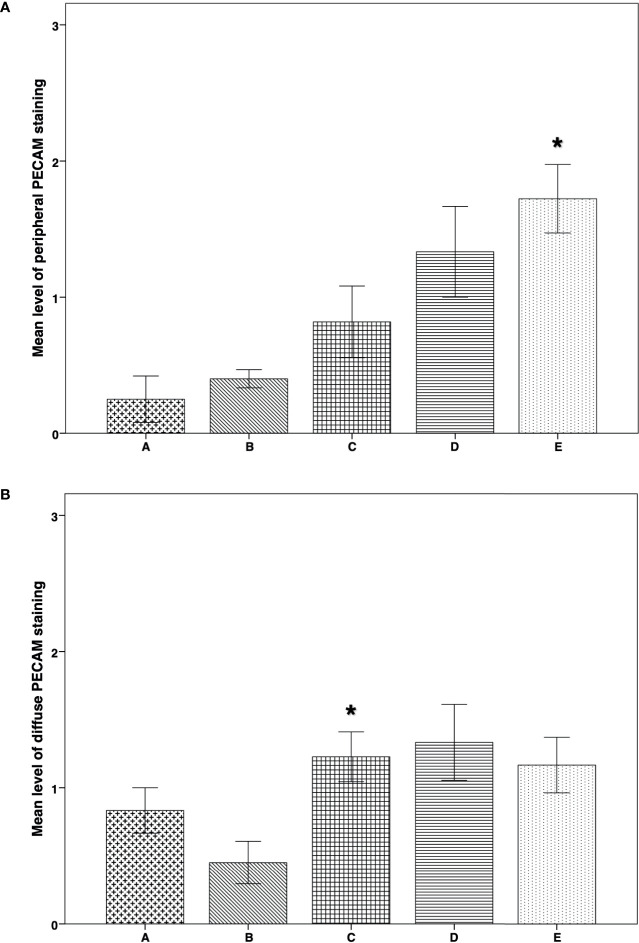
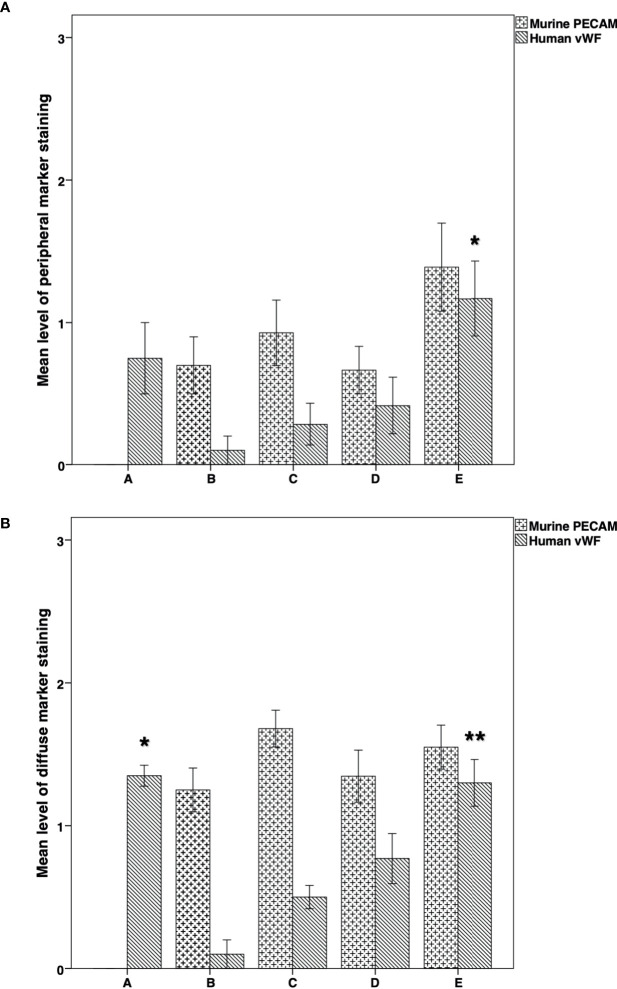
Anticancer treatments, particularly chemotherapy, induce ovarian damage and loss of ovarian follicles. There are limited options for fertility restoration, one of which is pre-chemotherapy cryopreservation of ovarian tissue. Transplantation of frozen-thawed human ovarian tissue from cancer survivors has resulted in live-births. There is extensive follicular loss immediately after grafting, probably due to too slow graft revascularization. To avoid this problem, it is important to develop methods to improve ovarian tissue neovascularization. The study's purpose was to investigate if treatment of murine hosts with simvastatin or/and embedding human ovarian tissue within fibrin clots can improve human ovarian tissue grafting (simvastatin and fibrin clots promote vascularization). There was a significantly higher number of follicles in group A (ungrafted control) than in group B (untreated tissue). Group C (simvastatin-treated hosts) had the highest levels of follicle atresia. Group C had significantly more proliferating follicles (Ki67-stained) than groups B and E (simvastatin-treated hosts and tissue embedded within fibrin clots), group D (tissue embedded within fibrin clots) had significantly more proliferating follicles (Ki67-stained) than group B. On immunofluorescence study, only groups D and E showed vascular structures that expressed both human and murine markers (mouse-specific platelet endothelial cell adhesion molecule, PECAM, and human-specific von Willebrand factor, vWF). Peripheral human vWF expression was significantly higher in group E than group B. Diffuse human vWF expression was significantly higher in groups A and E than groups B and C. When grafts were not embedded in fibrin, there was a significant loss of human vWF expression compared to groups A and E. This protocol may be tested to improve ovarian implantation in cancer survivors.
抗癌治疗,尤其是化疗,会导致卵巢损伤和卵巢卵泡丢失。恢复生育能力的选择有限,其中之一是化疗前冷冻保存卵巢组织。将癌症幸存者冷冻解冻后的人卵巢组织进行移植已实现活产。移植后立即会出现大量卵泡丢失,这可能是由于移植组织的血管再生过慢所致。为避免这一问题,开发改善卵巢组织血管再生的方法很重要。该研究的目的是调查用辛伐他汀治疗小鼠宿主或/和将人卵巢组织包埋在纤维蛋白凝块中是否能改善人卵巢组织移植(辛伐他汀和纤维蛋白凝块可促进血管形成)。A组(未移植对照组)的卵泡数量显著多于B组(未处理组织)。C组(用辛伐他汀治疗的宿主)的卵泡闭锁水平最高。C组增殖卵泡(Ki67染色)的数量显著多于B组和E组(用辛伐他汀治疗的宿主和包埋在纤维蛋白凝块中的组织),D组(包埋在纤维蛋白凝块中的组织)增殖卵泡(Ki67染色)的数量显著多于B组。在免疫荧光研究中,只有D组和E组显示出同时表达人和小鼠标志物的血管结构(小鼠特异性血小板内皮细胞黏附分子PECAM和人特异性血管性血友病因子vWF)。E组外周人vWF表达显著高于B组。A组和E组弥漫性人vWF表达显著高于B组和C组。当移植物未包埋在纤维蛋白中时,与人vWF在A组和E组中的表达相比,其表达显著降低。该方案可进行测试,以改善癌症幸存者的卵巢植入情况。