Department of Emergency, Sichuan Academy of Medical Sciences & Sichuan Provincial People's Hospital, No. 32, The Second West Section of the First Ring Road, Qingyang District, Chengdu City, Sichuan Province 610000, China.
Biomed Res Int. 2021 Jan 23;2021:4084371. doi: 10.1155/2021/4084371. eCollection 2021.
Sepsis is a leading cause of acute lung injury (ALI). This study attempted to investigate the effects of limb bud and heart (LBH) on the development of sepsis-induced ALI and its underlying mechanism of action.
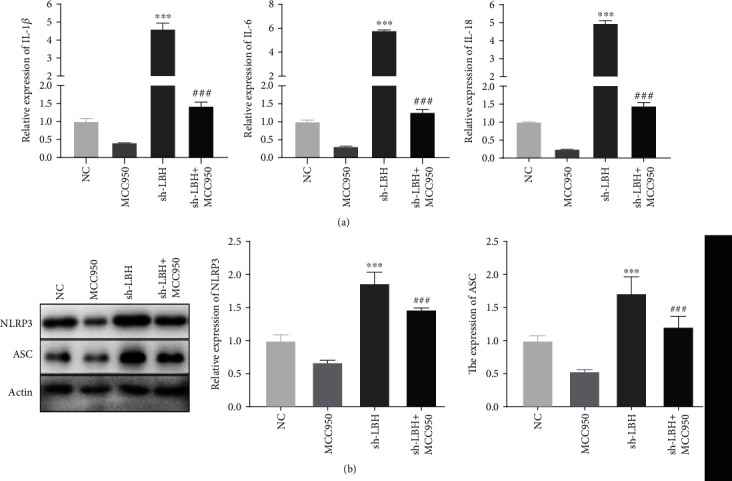
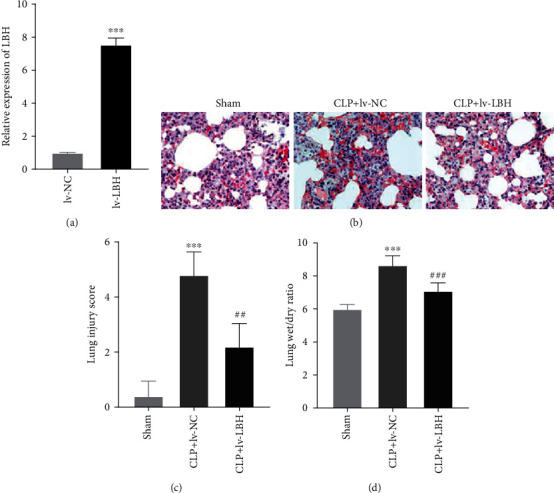
The sepsis-induced ALI mouse model was established by cecal ligation and puncture (CLP). The lung injury score and lung wet/dry weight (W/D) ratio were used to evaluate the lung injury. , ALI was simulated by lipopolysaccharide (LPS) treatment in A549 cells. The mRNA expression of LBH, NLRP3, ASC, and proinflammatory cytokines was measured by qRT-PCR. The viability of LPS-induced A549 cells was analyzed by MTT assay. Furthermore, western blot was performed to detect the protein expression of LBH, NLRP3, and ASC. LPS-induced A549 cells were treated with MCC950 (NLRP3 inflammasome inhibitor) to confirm the effect of LBH on NLRP3 inflammasome.
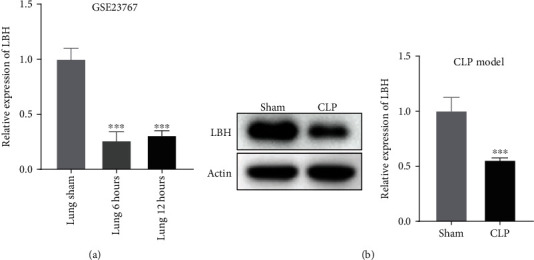
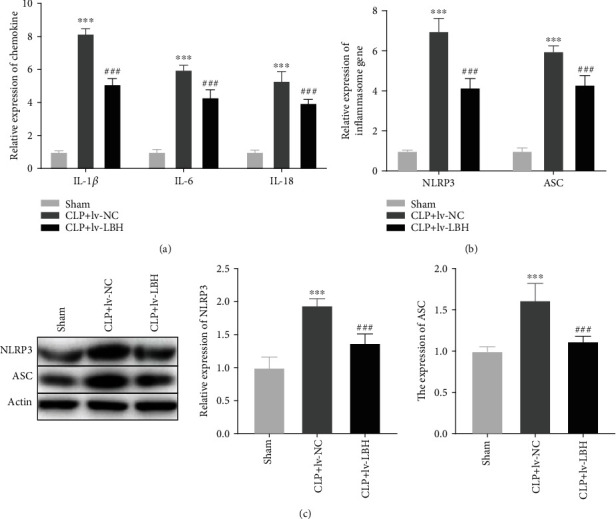
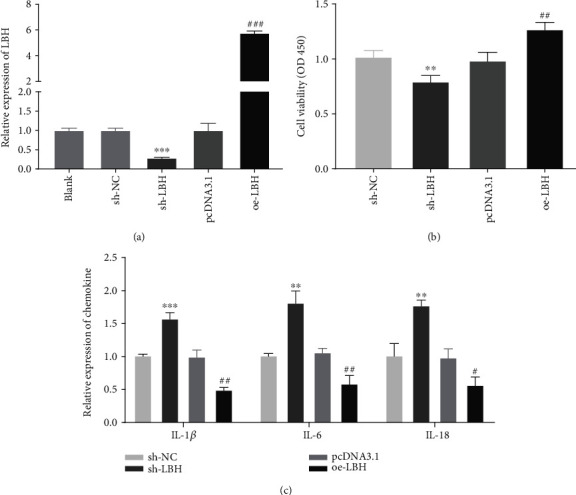
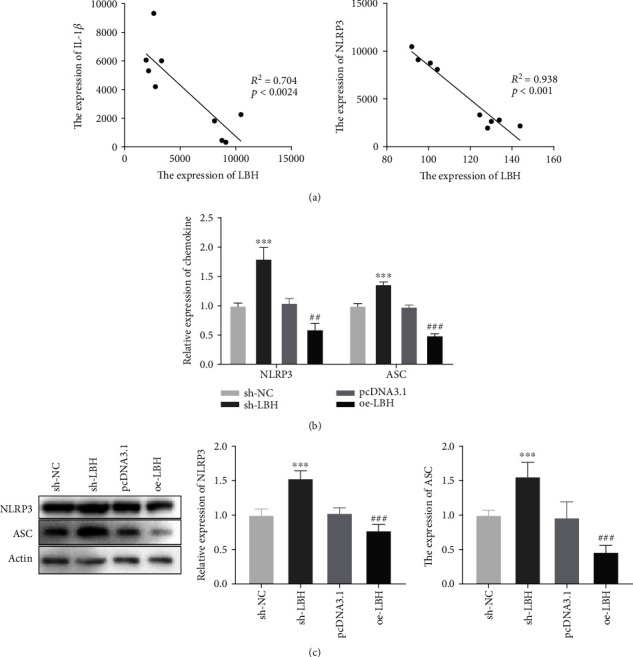
The mRNA and protein expression of LBH was decreased in sepsis-induced ALI. LBH overexpression reduced the lung injury score, lung W/D ratio, expression of proinflammatory cytokines, and NLRP3 inflammasome activation in sepsis-induced ALI mouse model. Additionally, LBH upregulation increased the viability, while it decreased the proinflammatory cytokine expression and NLRP3 inflammasome activation of LPS-induced A549 cells. Moreover, MCC950 reversed the promoting effects of LBH silencing on proinflammatory cytokine expression and NLRP3 inflammasome activation in LPS-induced A549 cells.
LBH alleviated lung injury in sepsis-induced ALI mouse model by inhibiting inflammation and NLRP3 inflammasome, and restrained the inflammation by inhibiting NLRP3 inflammasome in LPS-induced A549 cells, providing a novel therapeutic target for ALI.
脓毒症是急性肺损伤(ALI)的主要原因。本研究试图探讨肢芽和心脏(LBH)对脓毒症诱导的 ALI 发展的影响及其作用机制。
通过盲肠结扎和穿孔(CLP)建立脓毒症诱导的 ALI 小鼠模型。采用肺损伤评分和肺湿/干重(W/D)比评估肺损伤。用脂多糖(LPS)处理 A549 细胞模拟 ALI。用 qRT-PCR 检测 LBH、NLRP3、ASC 和促炎细胞因子的 mRNA 表达。MTT 法分析 LPS 诱导的 A549 细胞活力。此外,通过 Western blot 检测 LBH、NLRP3 和 ASC 的蛋白表达。用 MCC950(NLRP3 炎性体抑制剂)处理 LPS 诱导的 A549 细胞,以验证 LBH 对 NLRP3 炎性体的作用。
脓毒症诱导的 ALI 中 LBH 的 mRNA 和蛋白表达降低。LBH 过表达可降低脓毒症诱导的 ALI 小鼠模型的肺损伤评分、肺 W/D 比、促炎细胞因子表达和 NLRP3 炎性体激活。此外,LBH 上调可增加细胞活力,同时降低 LPS 诱导的 A549 细胞中促炎细胞因子表达和 NLRP3 炎性体激活。此外,MCC950 逆转了 LBH 沉默对 LPS 诱导的 A549 细胞中促炎细胞因子表达和 NLRP3 炎性体激活的促进作用。
LBH 通过抑制炎症和 NLRP3 炎性体减轻脓毒症诱导的 ALI 小鼠模型中的肺损伤,并通过抑制 NLRP3 炎性体抑制 LPS 诱导的 A549 细胞中的炎症,为 ALI 提供了一个新的治疗靶点。