Section on Molecular Transport, Eunice Kennedy Shriver National Institute of Child Health and Human Development, National Institutes of Health, Bethesda, MD, 20892, USA.
Laboratory of Molecular Biophysics, Department of Physics, Universitat Jaume I, Av. Vicent Sos Baynat s/n 12071, Castellón, Spain.
Cell Calcium. 2021 May;95:102355. doi: 10.1016/j.ceca.2021.102355. Epub 2021 Feb 2.
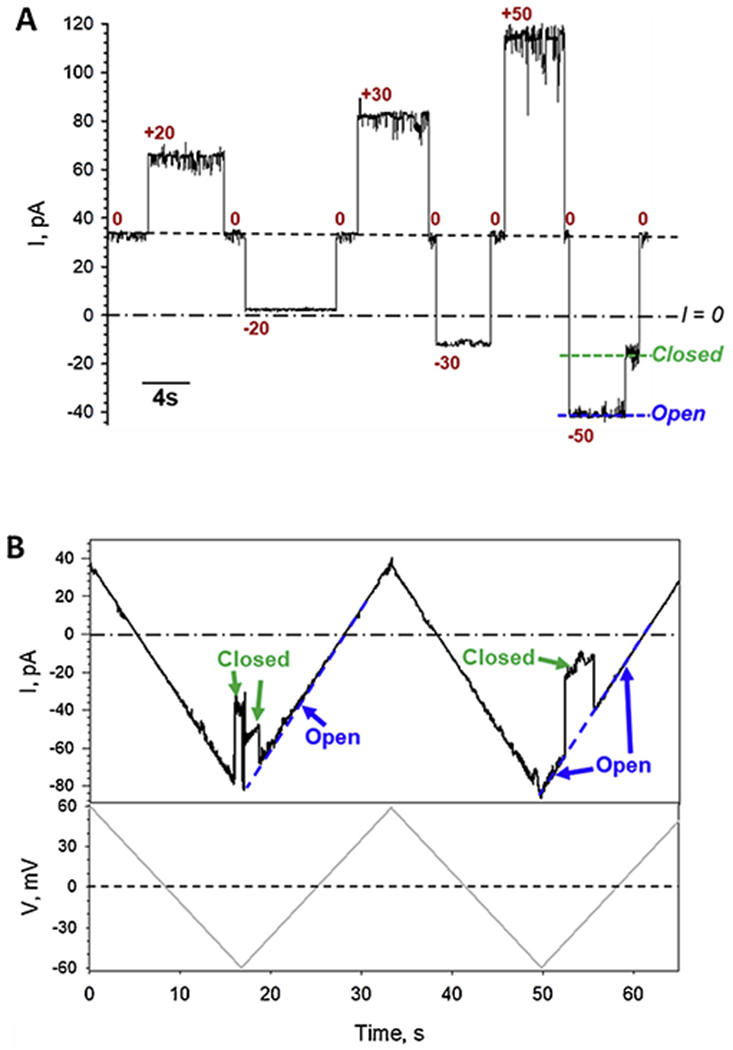
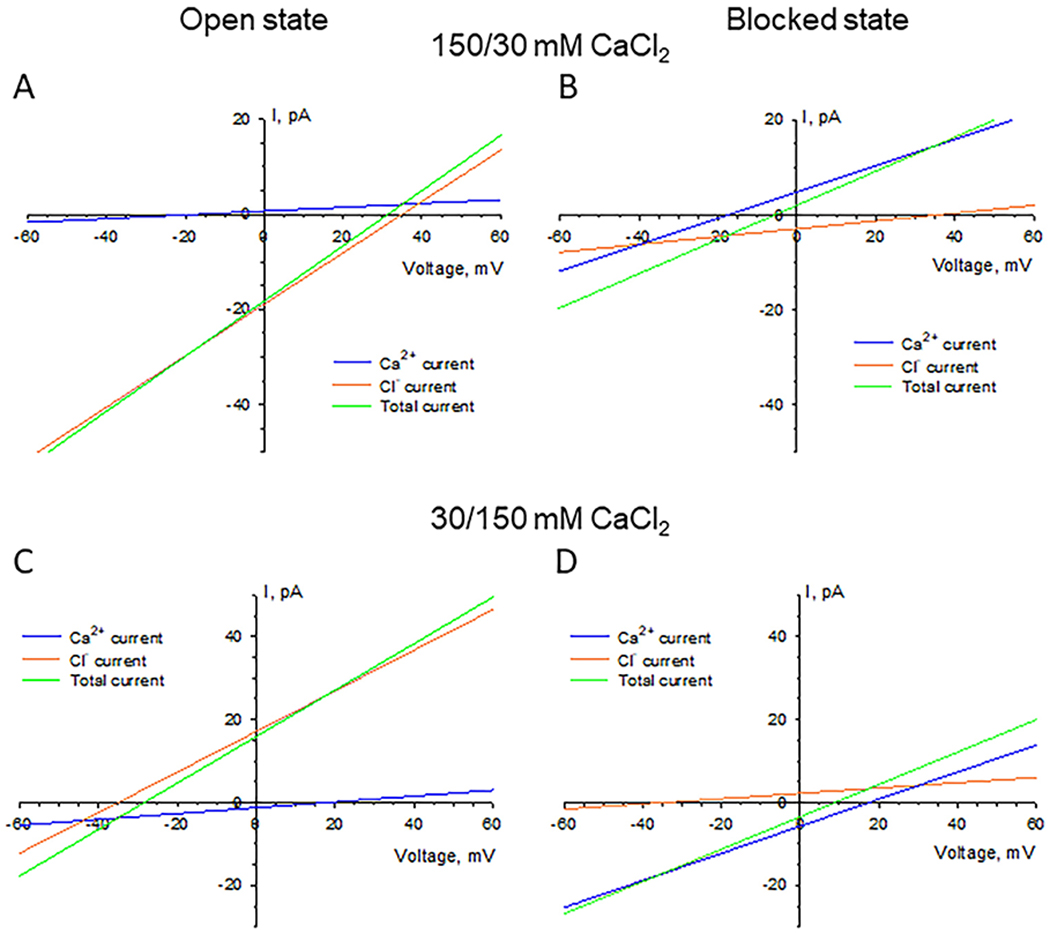
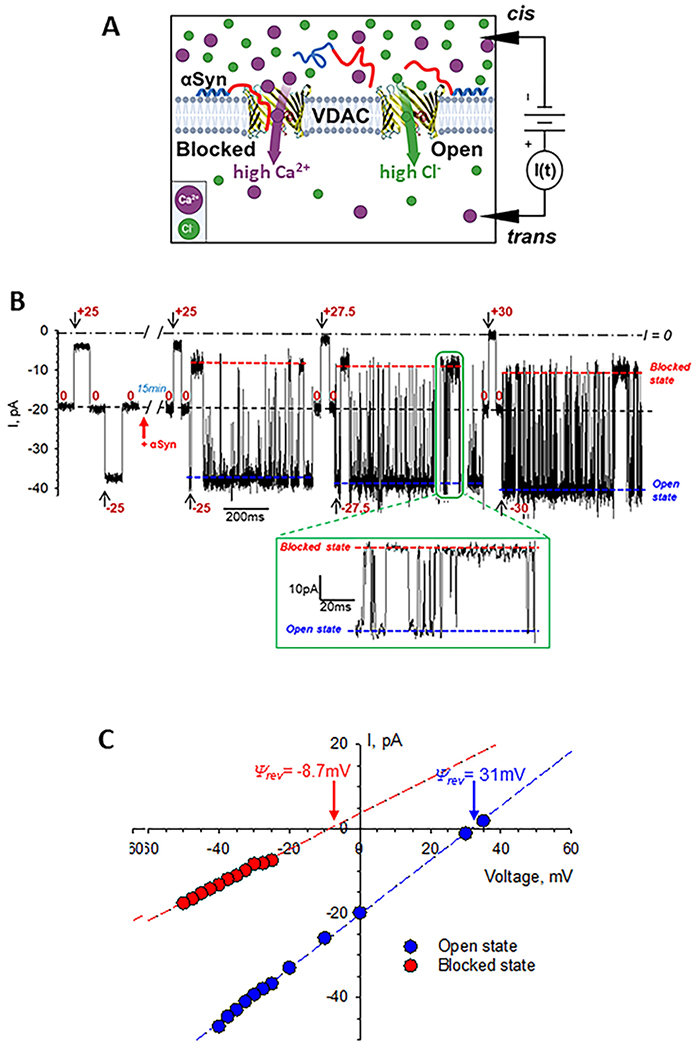
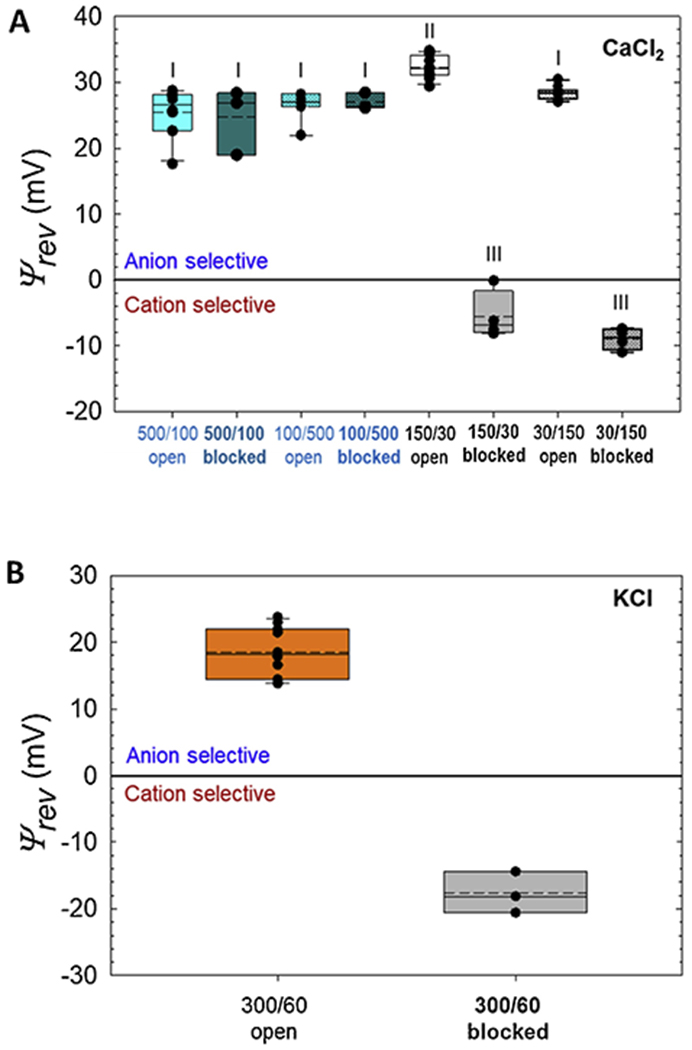
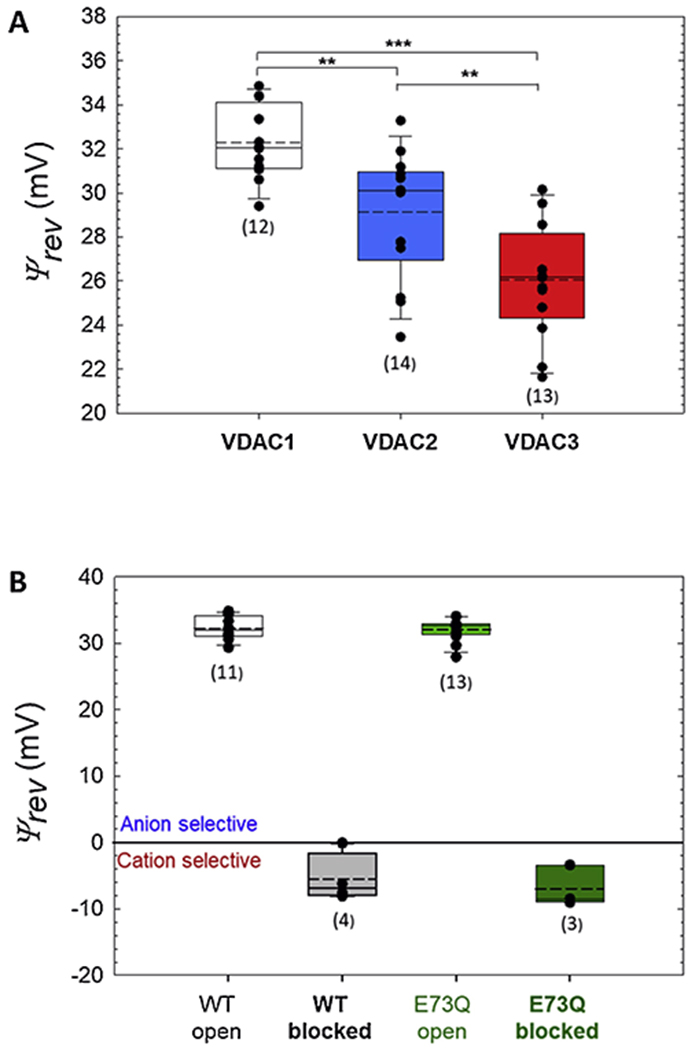
Voltage-dependent anion channel (VDAC) is the most ubiquitous channel at the mitochondrial outer membrane, and is believed to be the pathway for calcium entering or leaving the mitochondria. Therefore, understanding the molecular mechanisms of how VDAC regulates calcium influx and efflux from the mitochondria is of particular interest for mitochondrial physiology. When the Parkinson's disease (PD) related neuronal protein, alpha-synuclein (αSyn), is added to the reconstituted VDAC, it reversibly and partially blocks VDAC conductance by its acidic C-terminal tail. Using single-molecule VDAC electrophysiology of reconstituted VDAC we now demonstrate that, at CaCl concentrations below 150 mM, αSyn reverses the channel's selectivity from anionic to cationic. Importantly, we find that the decrease in channel conductance upon its blockage by αSyn is hugely overcompensated by a favorable change in the electrostatic environment for calcium, making the blocked state orders-of-magnitude more selective for calcium and thus increasing its net flux. -Our findings with higher calcium concentrations also demonstrate that the phenomenon of "charge inversion" is taking place at the level of a single polypeptide chain. Measurements of ion selectivity of three VDAC isoforms in CaCl gradient show that VDAC3 exhibits the highest calcium permeability among them, followed by VDAC2 and VDAC1, thus pointing to isoform-dependent physiological function. Mutation of the E73 residue - VDAC1 purported calcium binding site - shows that there is no measurable effect of the mutation in either open or αSyn-blocked VDAC1 states. Our results confirm VDACs involvement in calcium signaling and reveal a new regulatory role of αSyn, with clear implications for both normal calcium signaling and PD-associated mitochondrial dysfunction.
电压依赖性阴离子通道 (VDAC) 是线粒体外膜上最普遍的通道,被认为是钙进入或离开线粒体的途径。因此,了解 VDAC 如何调节钙流入和流出线粒体的分子机制对于线粒体生理学特别重要。当帕金森病 (PD) 相关神经元蛋白α-突触核蛋白 (αSyn) 被添加到重组的 VDAC 中时,其酸性 C 端尾巴会可逆地部分阻断 VDAC 的电导。使用重组 VDAC 的单分子 VDAC 电生理学,我们现在证明,在 CaCl2 浓度低于 150 mM 时,αSyn 会使通道的选择性从阴离子变为阳离子。重要的是,我们发现,当通道被 αSyn 阻断时,其电导的下降被钙的静电环境的有利变化极大地补偿,使得阻塞状态对钙的选择性提高了几个数量级,从而增加了其净通量。 -我们在较高钙浓度下的发现还表明,“电荷反转”现象发生在单个多肽链的水平。在 CaCl2 梯度下对三种 VDAC 同工型的离子选择性测量表明,VDAC3 表现出最高的钙通透性,其次是 VDAC2 和 VDAC1,因此表明同工型依赖性的生理功能。E73 残基的突变 - VDAC1 假定的钙结合位点 - 表明该突变在开放或 αSyn 阻断的 VDAC1 状态下均无明显影响。我们的结果证实了 VDACs 参与钙信号传递,并揭示了 αSyn 的新调节作用,这对正常钙信号传递和 PD 相关的线粒体功能障碍都有明确的影响。