Gonciaruk Aleksandra, Hall Matthew R, Fay Michael W, Parmenter Christopher D J, Vane Christopher H, Khlobystov Andrei N, Ripepi Nino
GeoEnergy Research Centre (GERC), University of Nottingham, University Park, Nottingham, NG7 2RD, UK.
British Geological Survey, Environmental Science Centre, Keyworth, Nottingham, NG12 5GG, UK.
Sci Rep. 2021 Feb 16;11(1):3920. doi: 10.1038/s41598-021-83179-z.
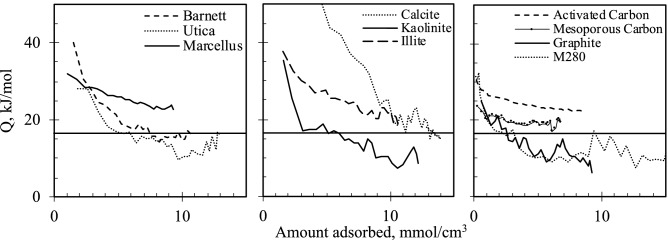
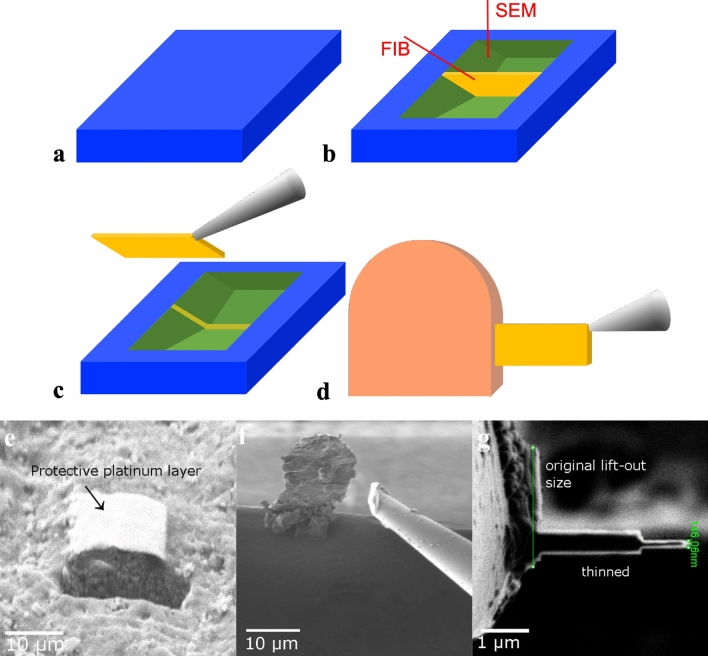
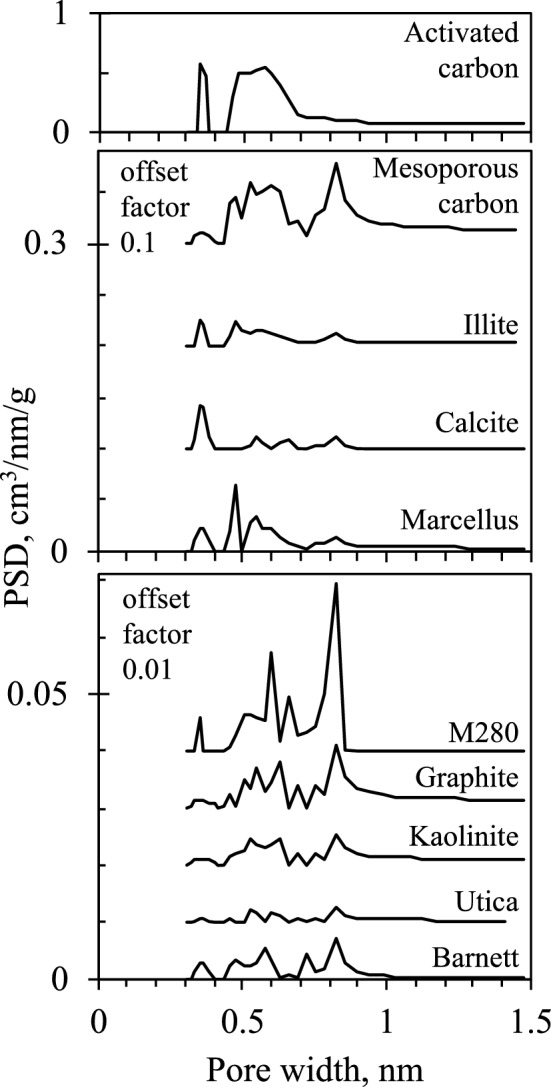
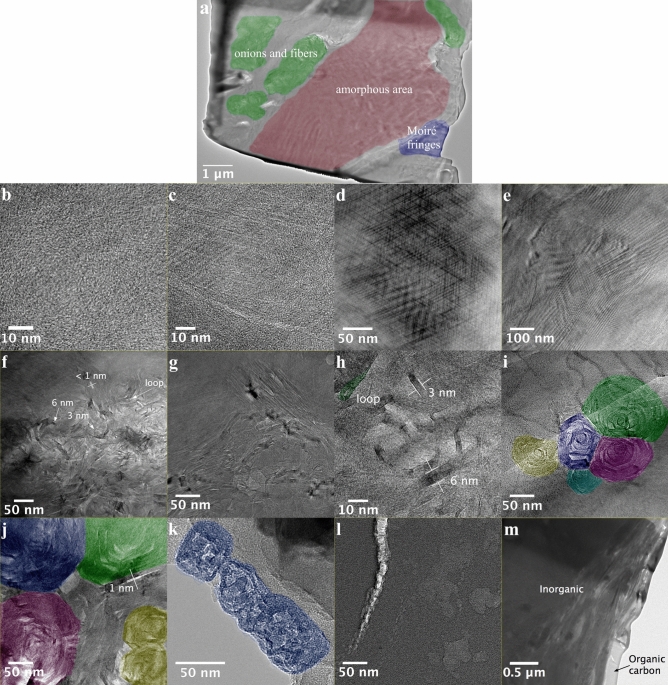
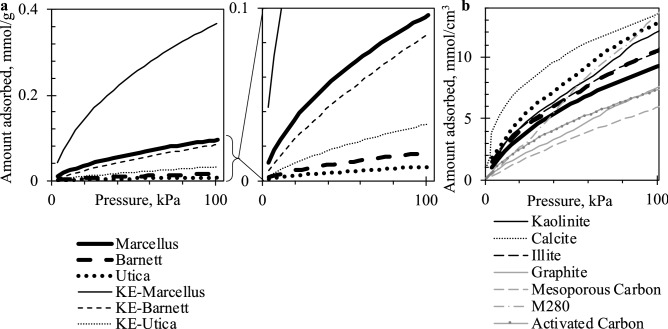
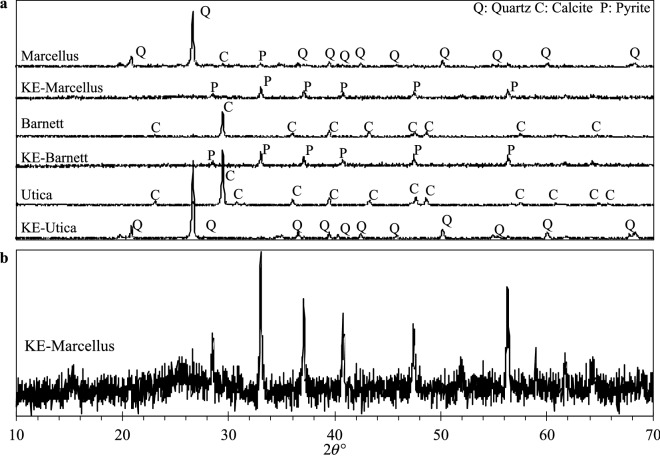
Gas storage and recovery processes in shales critically depend on nano-scale porosity and chemical composition, but information about the nanoscale pore geometry and connectivity of kerogen, insoluble organic shale matter, is largely unavailable. Using adsorption microcalorimetry, we show that once strong adsorption sites within nanoscale network are taken, gas adsorption even at very low pressure is governed by pore width rather than chemical composition. A combination of focused ion beam with scanning electron microscopy and transmission electron microscopy reveal the nanoscale structure of kerogen includes not only the ubiquitous amorphous phase but also highly graphitized sheets, fiber- and onion-like structures creating nanoscale voids accessible for gas sorption. Nanoscale structures bridge the current gap between molecular size and macropore scale in existing models for kerogen, thus allowing accurate prediction of gas sorption, storage and diffusion properties in shales.
页岩中的气体储存和回收过程严重依赖于纳米级孔隙率和化学成分,但关于干酪根(不溶性有机页岩物质)的纳米级孔隙几何形状和连通性的信息却大多无法获取。通过吸附量热法,我们发现一旦纳米级网络内的强吸附位点被占据,即使在非常低的压力下,气体吸附也由孔隙宽度而非化学成分控制。聚焦离子束与扫描电子显微镜和透射电子显微镜相结合,揭示了干酪根的纳米级结构不仅包括普遍存在的非晶相,还包括高度石墨化的片层、纤维状和洋葱状结构,这些结构形成了可供气体吸附的纳米级孔隙。纳米级结构弥合了现有干酪根模型中分子尺寸和大孔尺度之间的当前差距,从而能够准确预测页岩中的气体吸附、储存和扩散特性。