Kato Taiki, Mizuno Kentaro, Nishio Hidenori, Yasui Takahiro, Hayashi Yutaro
Department of Nephro-urology, Nagoya City University Graduate School of Medical Sciences, Nagoya, Japan.
Department of Pediatric Urology, Nagoya City University Graduate School of Medical Sciences, 1 Kawasumi, Mizuho-cho, Mizuho-ku, Nagoya, 467-8601, Japan.
J Med Case Rep. 2021 Feb 18;15(1):86. doi: 10.1186/s13256-020-02564-w.
Myelomeningocele, which causes a neurogenic bladder, is usually treated with anticholinergics in children with neurogenic detrusor overactivity (NDO); however, anticholinergics cause side effects such as dry mouth, constipation, attention deficit, and inadequate reduction in detrusor leak point pressure. Vibegron, a novel selective beta-3 adrenoreceptor agonist, is a well-established alternative to anticholinergics in adults with an overactive bladder. It remains unknown whether this agent can be used for pediatric patients. We report the case of a girl with anticholinergic-resistant NDO due to tethered cord syndrome after myelomeningocele repair, who was treated with vibegron.
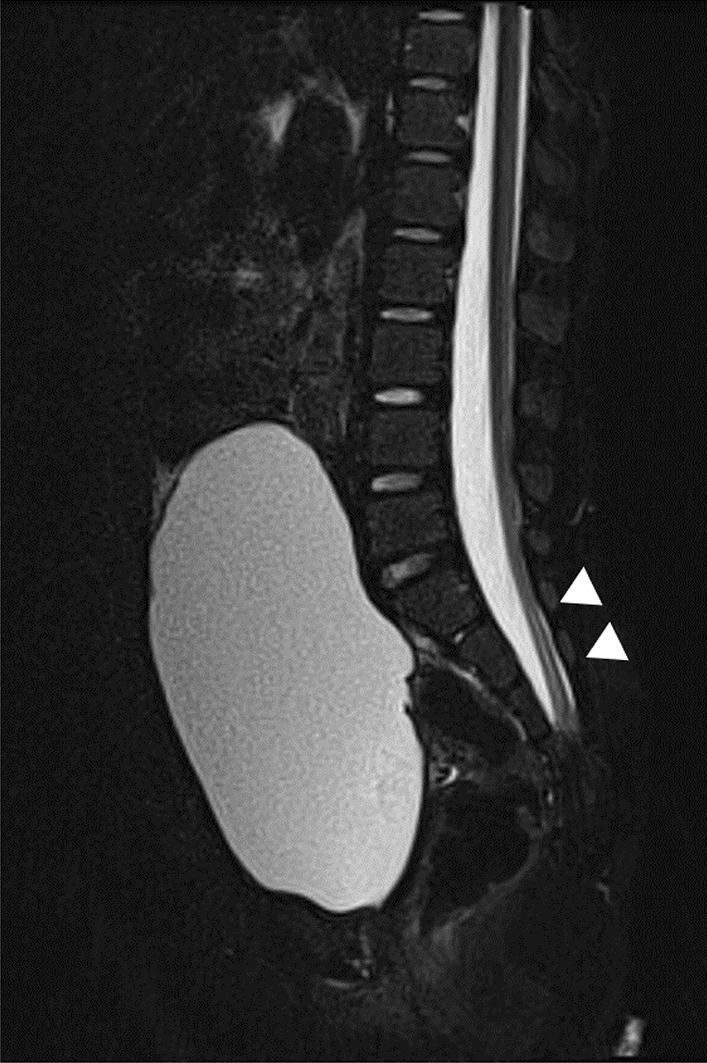
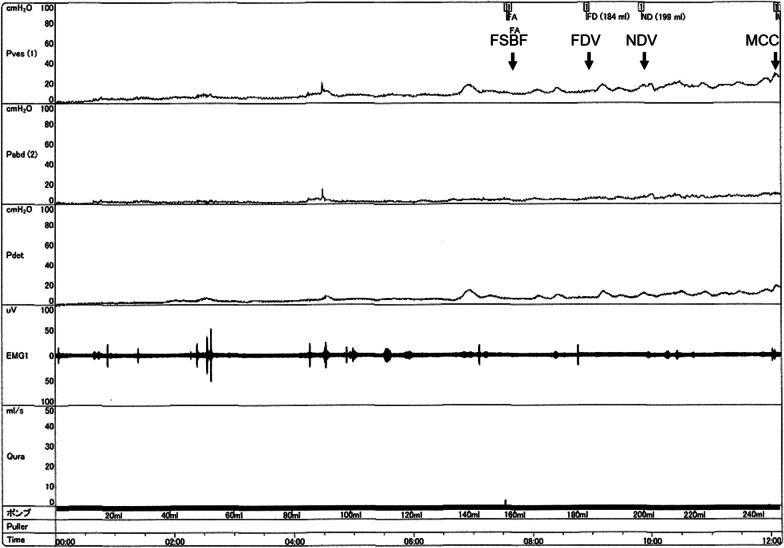
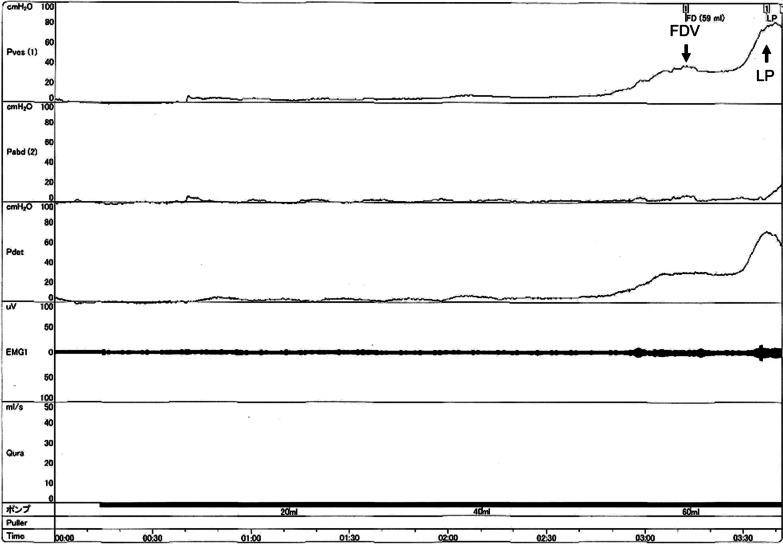
A 4-year-old Filipino girl had increased frequency of daytime urinary incontinence and foul-smelling urine since the age of 3. Clinical examination revealed constipation, and urinalysis revealed bacteriuria. Voiding cystourethrography revealed an enlarged and trabeculated bladder without vesicoureteral reflux. On the urodynamic study (UDS), she was found to have detrusor overactivity (DO) and low bladder compliance. She could not void and was diagnosed with overflow incontinence. Clean intermittent catheterization (CIC) and orally administered propiverine (0.8 mg/kg/day) were initiated, and urinary incontinence was resolved. She underwent a UDS annually; the UDS at 6 years of age still revealed DO and low bladder compliance in spite of receiving propiverine. The treatment was switched from propiverine to vibegron (1.4 mg/kg/day). On the UDS after a 5-week treatment schedule of vibegron, the DO disappeared and the bladder compliance improved. CIC and orally administered vibegron have been continued for 7 months so far, and she has had no urinary tract infection with no drug-related adverse events.
Vibegron was effective and well tolerated in the treatment of a pediatric patient with NDO. Vibegron improved the urodynamic parameters for anticholinergic-resistant neurogenic bladder. This agent can be a beneficial and preferable alternative therapeutic agent to anticholinergics in patients with anticholinergic-resistant NDO.
脊髓脊膜膨出会导致神经源性膀胱,对于患有神经源性逼尿肌过度活动(NDO)的儿童,通常使用抗胆碱能药物进行治疗;然而,抗胆碱能药物会引起口干、便秘、注意力不集中以及逼尿肌漏点压降低不足等副作用。维贝格隆是一种新型的选择性β-3肾上腺素能受体激动剂,在膀胱过度活动症的成年患者中是一种成熟的抗胆碱能药物替代药物。该药物是否可用于儿科患者仍不清楚。我们报告了一例脊髓脊膜膨出修补术后因脊髓栓系综合征导致抗胆碱能药物抵抗性NDO的女孩使用维贝格隆治疗的病例。
一名4岁的菲律宾女孩自3岁起白天尿失禁频率增加且尿液有异味。临床检查发现便秘,尿液分析显示有菌尿。排尿性膀胱尿道造影显示膀胱增大且有小梁形成,无膀胱输尿管反流。在尿动力学研究(UDS)中,发现她有逼尿肌过度活动(DO)且膀胱顺应性低。她无法自主排尿,被诊断为充溢性尿失禁。开始进行清洁间歇性导尿(CIC)并口服丙哌维林(0.8毫克/千克/天),尿失禁得到缓解。她每年进行一次UDS;尽管服用丙哌维林,但6岁时的UDS仍显示有DO且膀胱顺应性低。治疗从丙哌维林改为维贝格隆(1.4毫克/千克/天)。在进行为期5周的维贝格隆治疗方案后的UDS检查中,DO消失且膀胱顺应性改善。到目前为止,CIC和口服维贝格隆已持续7个月,她没有发生尿路感染,也没有与药物相关的不良事件。
维贝格隆在治疗儿科NDO患者中有效且耐受性良好。维贝格隆改善了抗胆碱能药物抵抗性神经源性膀胱的尿动力学参数。在抗胆碱能药物抵抗性NDO患者中,该药物可以成为抗胆碱能药物有益且更可取的替代治疗药物。