Center of Toxins, Immune-response and Cell Signaling, Instituto Butantan, São Paulo, SP, 05503-900, Brazil.
Department of Biochemistry, Instituto de Química, Universidade de São Paulo, São Paulo, SP, 05508-000, Brazil.
Cell Death Dis. 2021 Feb 18;12(2):194. doi: 10.1038/s41419-021-03476-3.
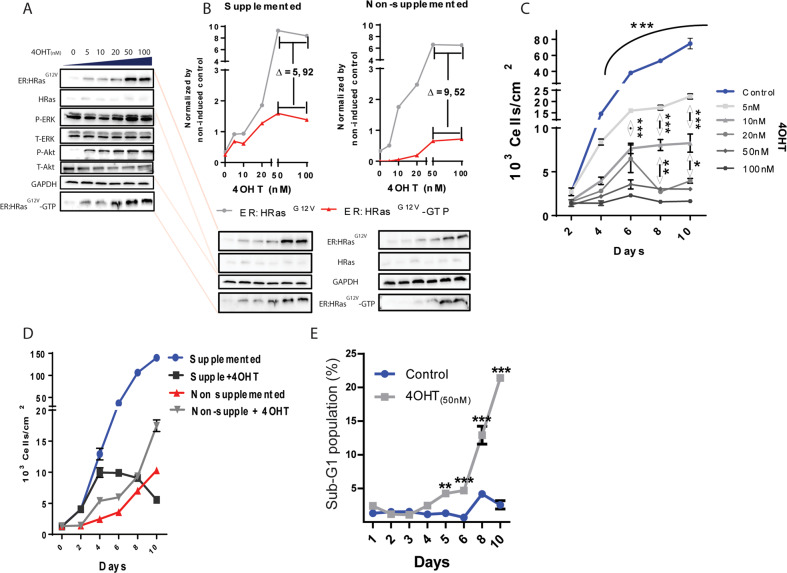
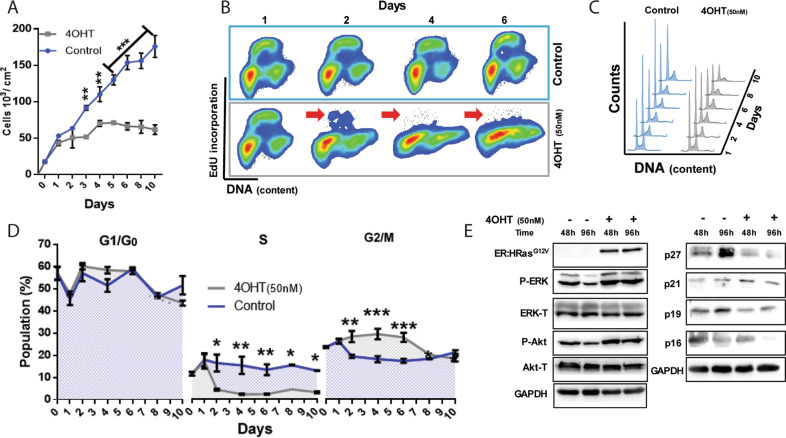
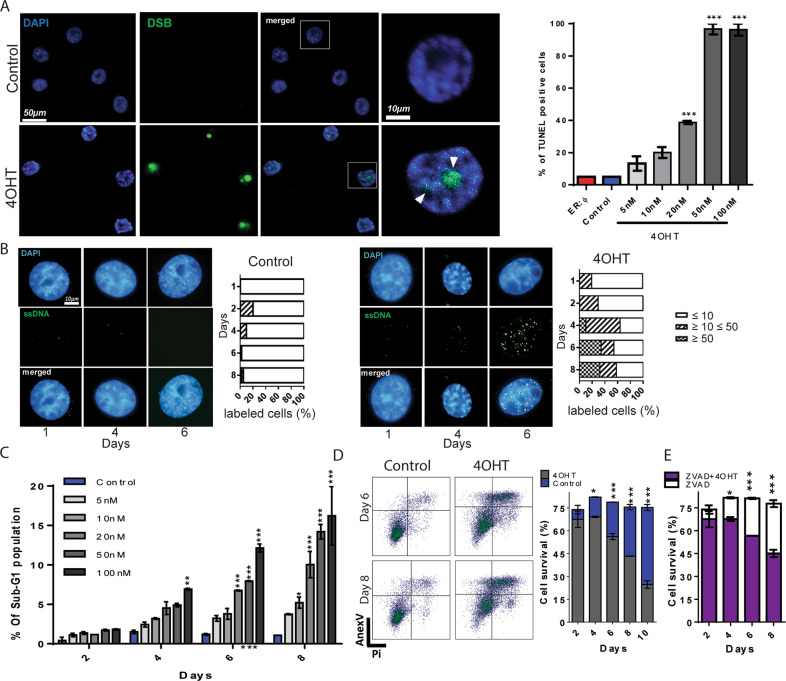
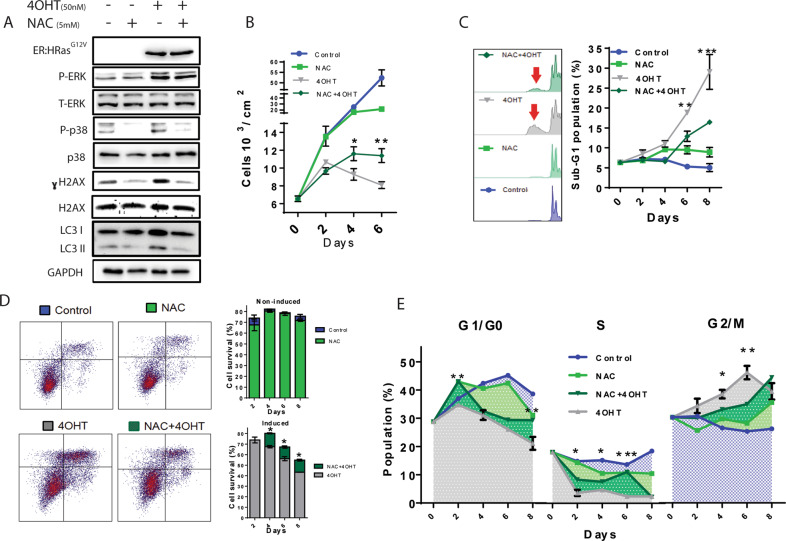
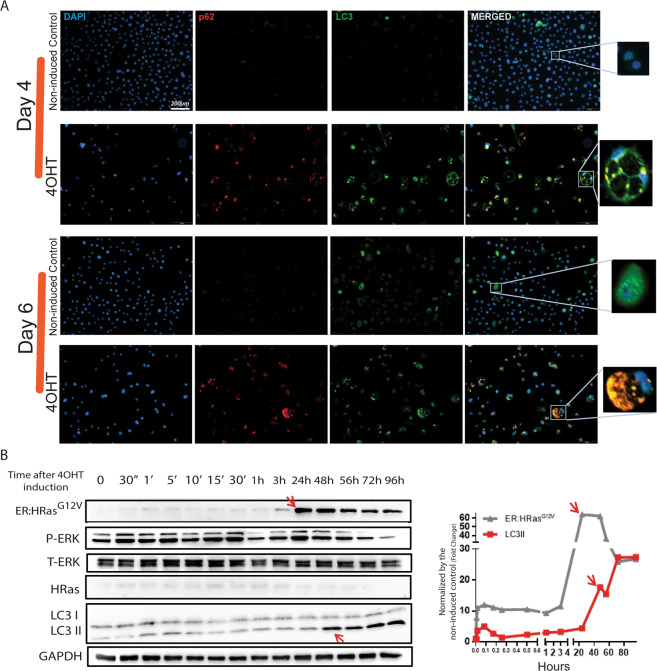
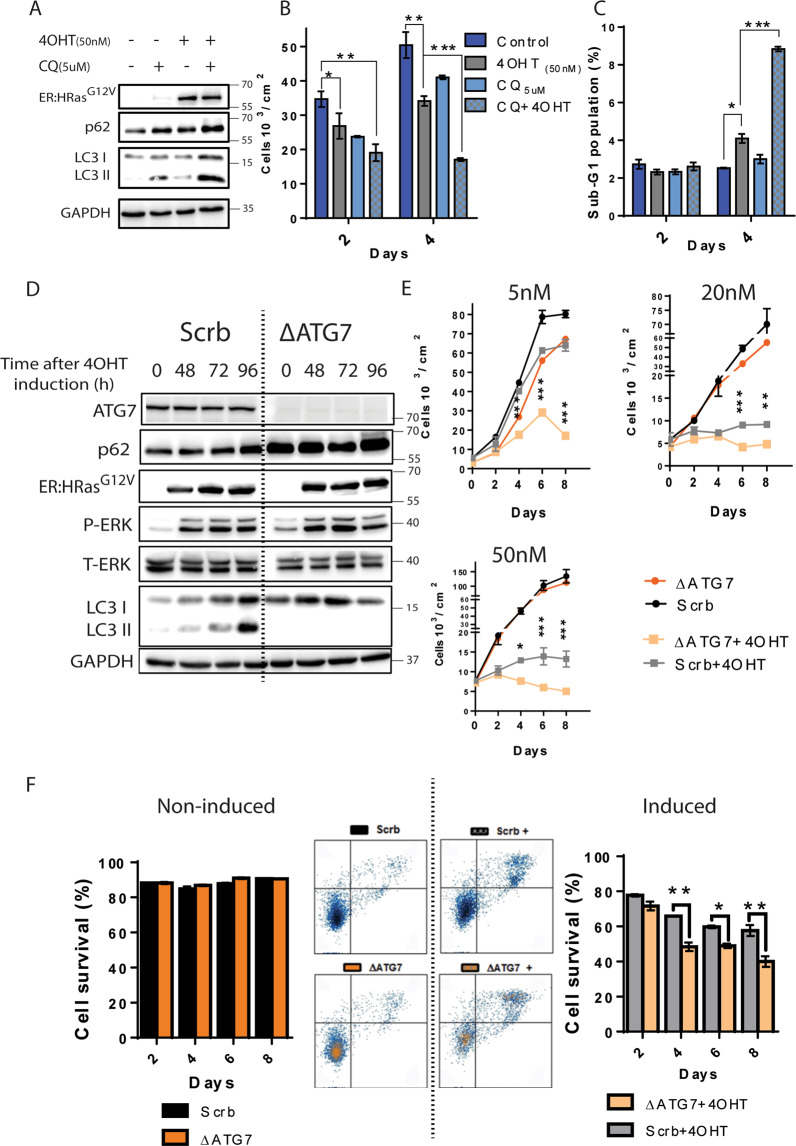
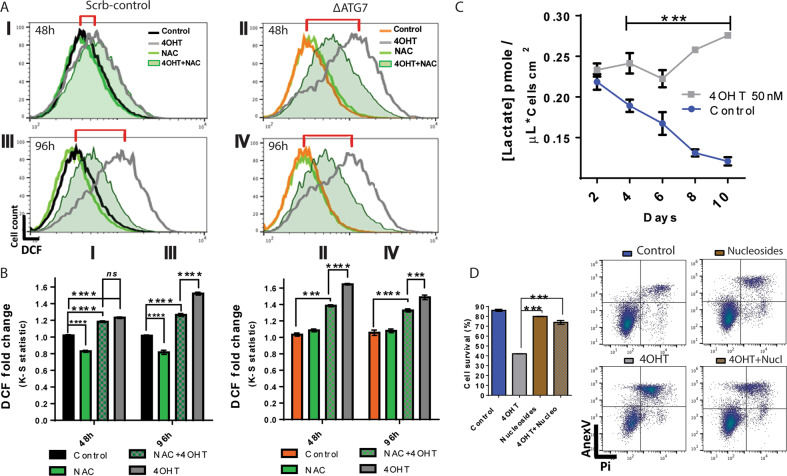
Malignant transformation involves an orchestrated rearrangement of cell cycle regulation mechanisms that must balance autonomic mitogenic impulses and deleterious oncogenic stress. Human papillomavirus (HPV) infection is highly prevalent in populations around the globe, whereas the incidence of cervical cancer is 0.15%. Since HPV infection primes cervical keratinocytes to undergo malignant transformation, we can assume that the balance between transforming mitogenic signals and oncogenic stress is rarely attained. We showed that highly transforming mitogenic signals triggered by HRas activity in E6E7-HPV-keratinocytes generate strong replication and oxidative stresses. These stresses are counteracted by autophagy induction that buffers the rapid increase of ROS that is the main cause of genotoxic stress promoted by the oncoprotein. As a result, autophagy creates a narrow window of opportunity for malignant keratinocytes to emerge. This work shows that autophagy is crucial to allow the transition of E6E7 keratinocytes from an immortalized to a malignant state caused by HRas.
恶性转化涉及细胞周期调控机制的精心重排,必须平衡自主有丝分裂冲动和有害的致癌应激。人乳头瘤病毒(HPV)感染在全球人群中非常普遍,而宫颈癌的发病率为 0.15%。由于 HPV 感染使宫颈角质形成细胞容易发生恶性转化,我们可以假设转化有丝分裂信号和致癌应激之间的平衡很少达到。我们表明,HRas 活性在 E6E7-HPV-角质形成细胞中引发的高度转化有丝分裂信号会产生强烈的复制和氧化应激。自噬诱导会抵消这些应激,缓冲 ROS 的快速增加,ROS 是致癌蛋白促进的遗传毒性应激的主要原因。结果,自噬为恶性角质形成细胞的出现创造了一个狭窄的机会窗口。这项工作表明,自噬对于允许 E6E7 角质形成细胞从永生化向由 HRas 引起的恶性状态的转变至关重要。