
新生儿期起病的癫痫性脑病中的神经监测
Neuromonitoring in Neonatal-Onset Epileptic Encephalopathies.
作者信息
Trollmann Regina
机构信息
Department of Pediatrics and Pediatric Neurology, Friedrich-Alexander-Universität Erlangen-Nürnberg, Erlangen, Germany.
出版信息
Front Neurol. 2021 Feb 2;12:623625. doi: 10.3389/fneur.2021.623625. eCollection 2021.
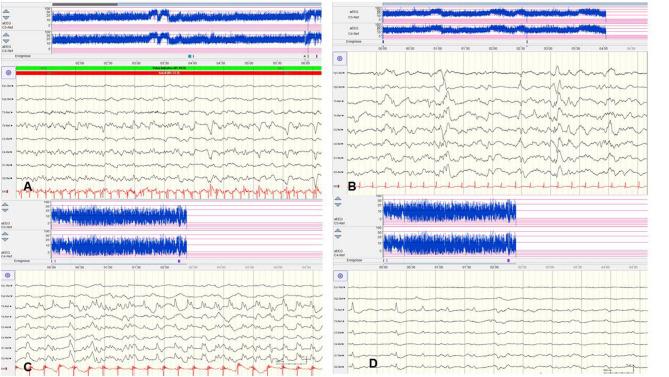
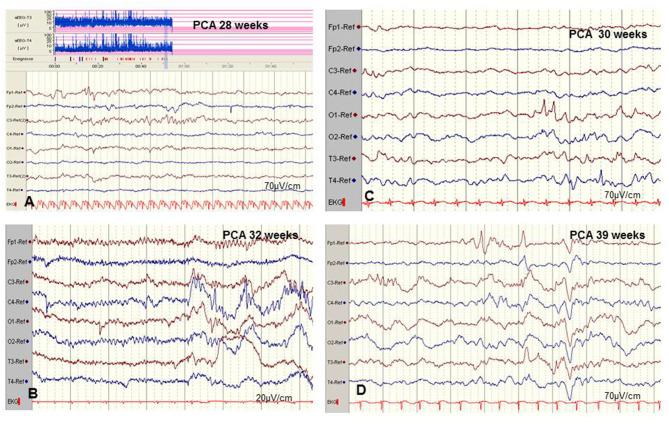
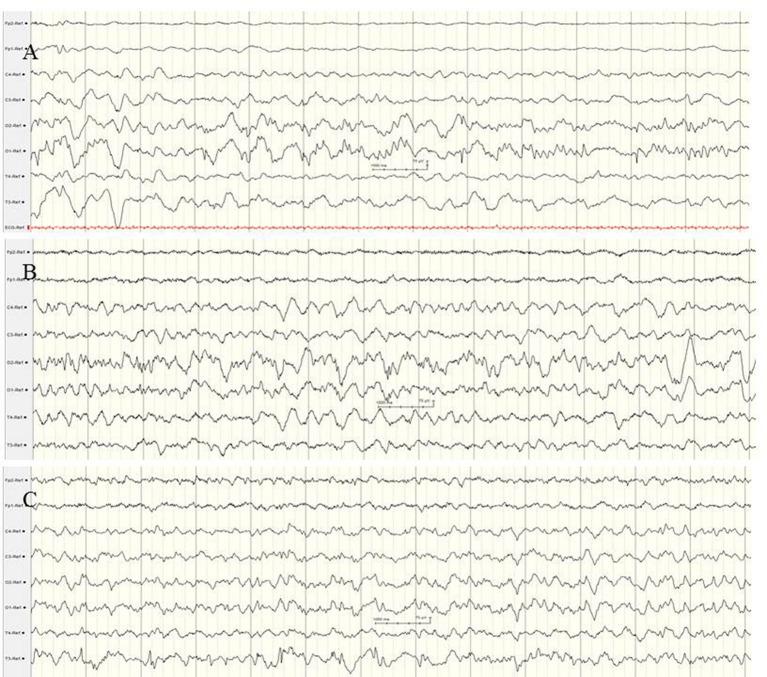
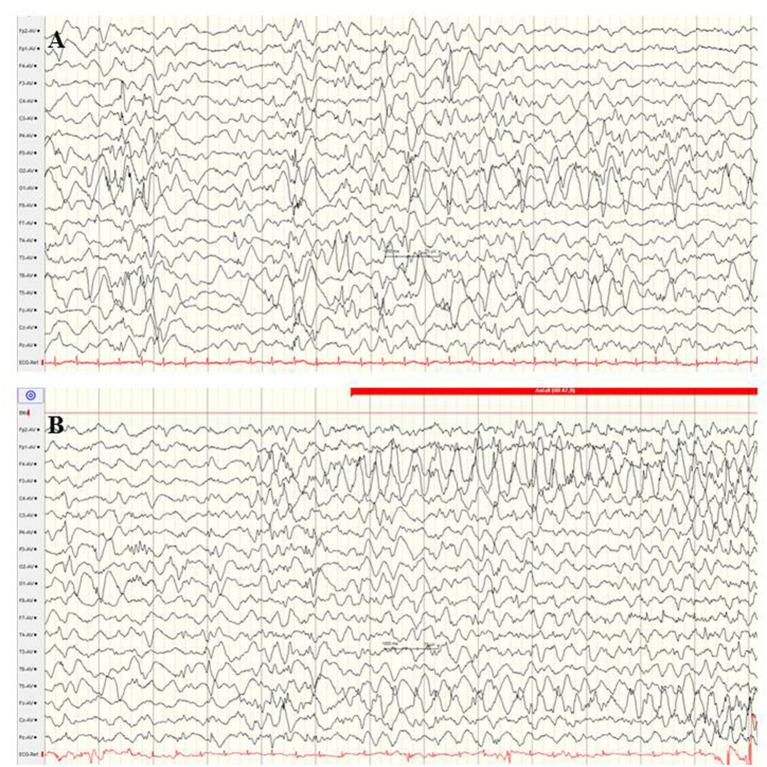
Considering the wide spectrum of etiologies of neonatal-onset epileptic encephalopathies (EE) and their unfavorable consequences for neurodevelopmental prognoses, neuromonitoring at-risk neonates is increasingly important. EEG is highly sensitive for early identification of electrographic seizures and abnormal background activity. Amplitude-integrated EEG (aEEG) is recommended as a useful bedside monitoring method but as a complementary tool because of methodical limitations. It is of special significance in monitoring neonates with acute symptomatic as well as structural, metabolic and genetic neonatal-onset EE, being at high risk of electrographic-only and prolonged seizures. EEG/aEEG monitoring is established as an adjunctive tool to confirm perinatal hypoxic-ischemic encephalopathy (HIE). In neonates with HIE undergoing therapeutic hypothermia, burst suppression pattern is associated with good outcomes in about 40% of the patients. The prognostic specificity of EEG/aEEG is lower compared to cMRI. As infants with HIE may develop seizures after cessation of hypothermia, recording for at least 24 h after the last seizure is recommended. Progress in the identification of genetic etiology of neonatal EE constantly increases. However, presently, no specific EEG changes indicative of a genetic variant have been characterized, except for individual variants associated with typical EEG patterns (e.g., ). Long-term monitoring studies are necessary to define and classify electro-clinical patterns of neonatal-onset EE.
考虑到新生儿期起病的癫痫性脑病(EE)病因广泛,且对神经发育预后有不良影响,对高危新生儿进行神经监测愈发重要。脑电图(EEG)对早期识别脑电图痫性发作及背景活动异常高度敏感。振幅整合脑电图(aEEG)因方法学上的局限性,虽被推荐为一种有用的床旁监测方法,但只是一种辅助工具。它在监测急性症状性以及结构性、代谢性和遗传性新生儿期起病的EE的新生儿时具有特殊意义,这些新生儿存在仅表现为脑电图痫性发作和痫性发作持续时间延长的高风险。EEG/aEEG监测已成为确诊围产期缺氧缺血性脑病(HIE)的辅助工具。在接受治疗性低温治疗的HIE新生儿中,爆发抑制模式在约40%的患者中与良好预后相关。与磁共振成像(cMRI)相比,EEG/aEEG的预后特异性较低。由于HIE婴儿在低温治疗结束后可能发生痫性发作,建议在最后一次发作后至少记录24小时。新生儿EE遗传病因识别方面的进展不断增加。然而,目前除了与典型脑电图模式相关的个别变异外,尚未发现指示基因变异的特定脑电图变化。需要进行长期监测研究来定义和分类新生儿期起病的EE的电临床模式。




 Zotero 插件