Zhao Liang, Zhang Jiayue, Xuan Shurui, Liu Zhiyuan, Wang Yu, Zhao Peng
Department of Neurosurgery, The First Affiliated Hospital of Nanjing Medical University, Nanjing, China.
Department of Respiratory and Critical Care Medicine, The First Affiliated Hospital of Nanjing Medical University, Nanjing, China.
Front Cell Dev Biol. 2021 Feb 5;9:600506. doi: 10.3389/fcell.2021.600506. eCollection 2021.
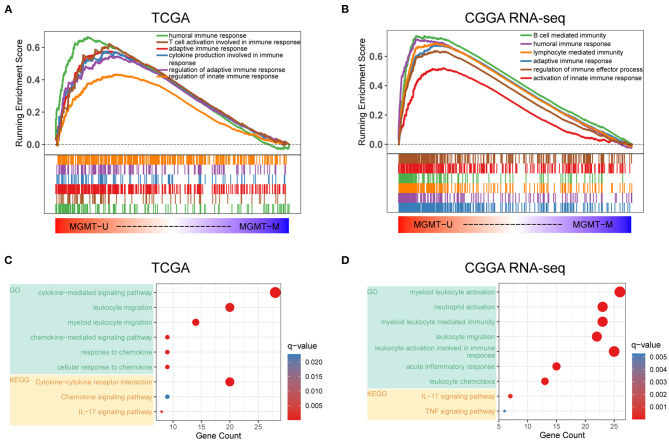
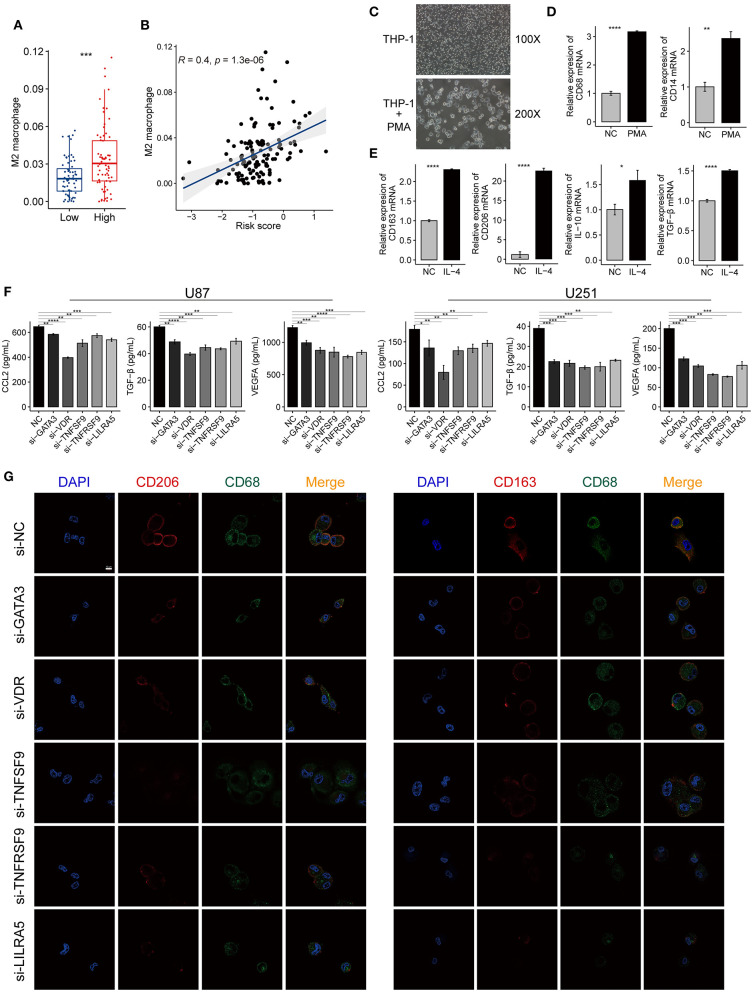
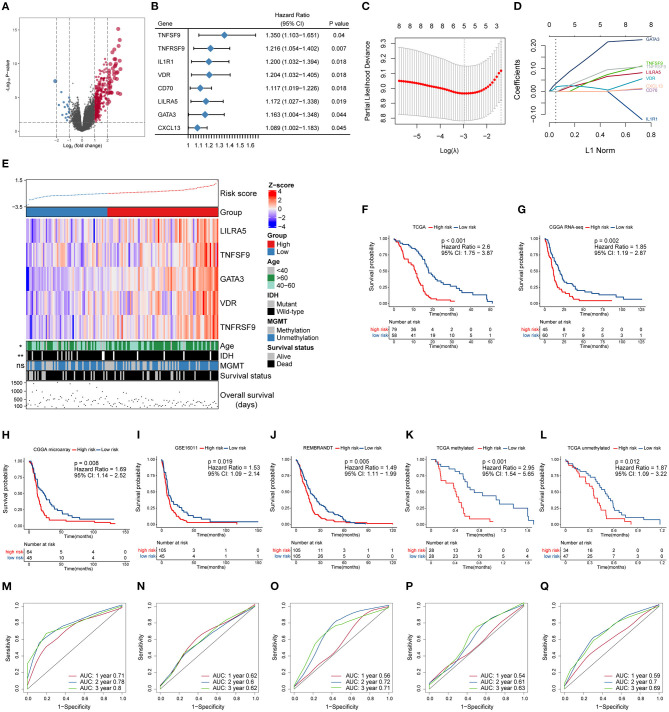
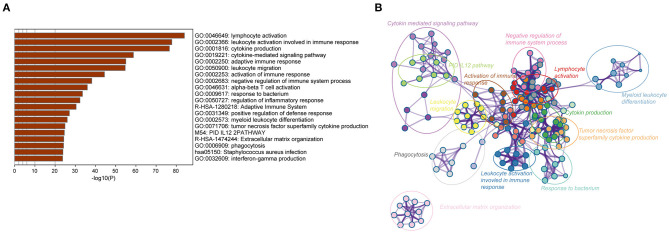
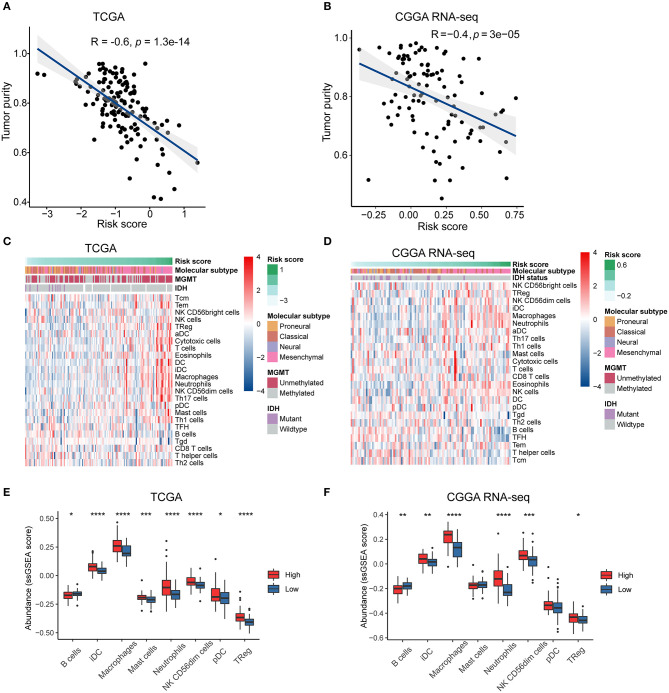
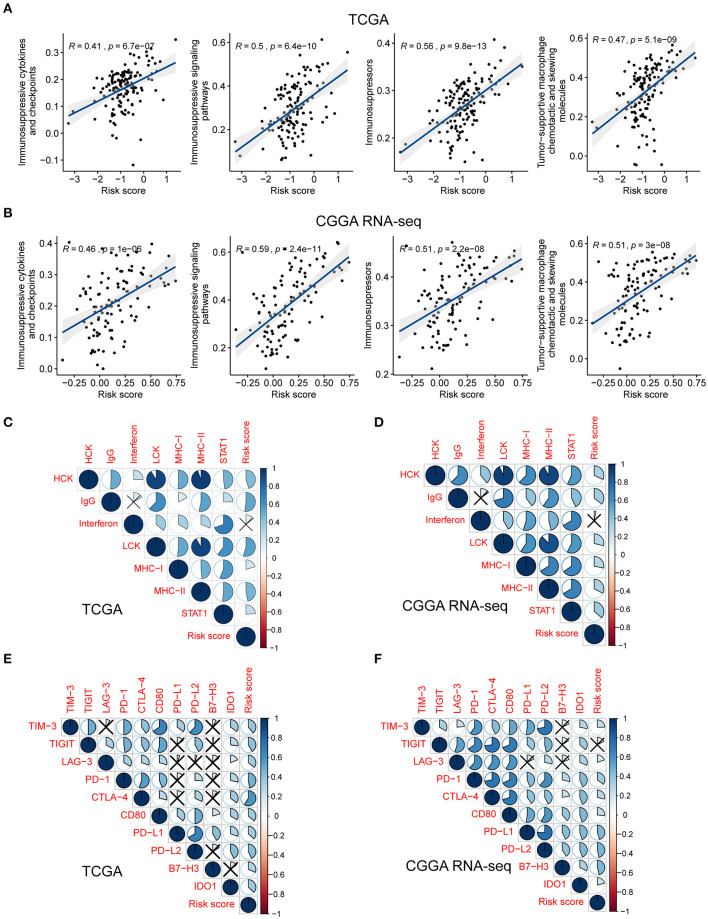
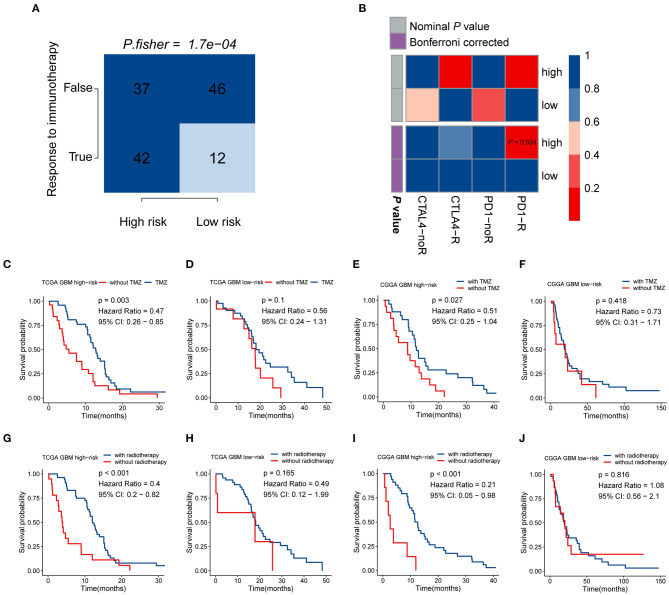
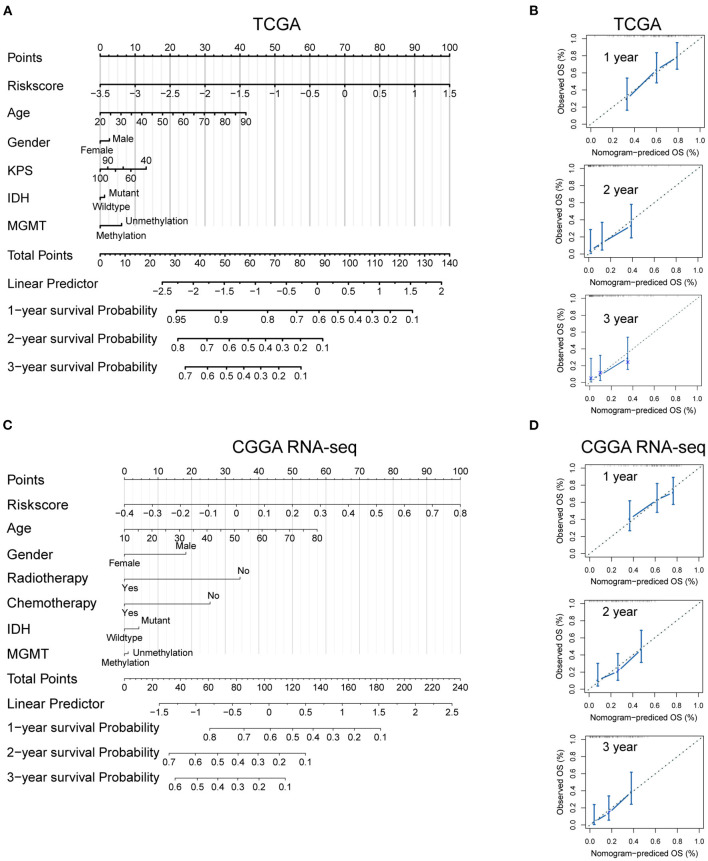
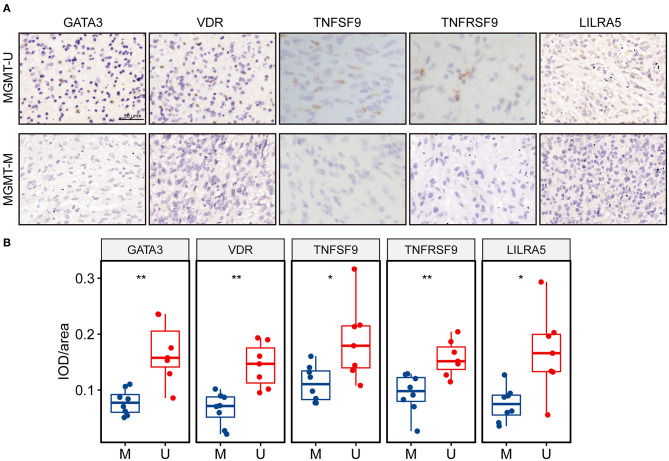
O6-methylguanine-DNA methyltransferase () methylation status affects tumor chemo-resistance and the prognosis of glioblastoma (GBM) patients. We aimed to investigate the role of methylation in the regulation of GBM immunophenotype and discover an effective biomarker to improve prognosis prediction of GBM patients. A total of 769 GBM patients with clinical information from five independent cohorts were enrolled in the present study. Samples from the Cancer Genome Atlas (TCGA) dataset were used as the training set, whereas transcriptome data from the Chinese Glioma Genome Atlas (CGGA) RNA-seq, CGGA microarray, GSE16011, and the Repository for Molecular Brain Neoplasia (REMBRANDT) cohort were used for validation. A series of bioinformatics approaches were carried out to construct a prognostic signature based on immune-related genes, which were tightly related to the methylation status. analyses were performed to investigate the influence of the signature on immunosuppression and remodeling of the tumor microenvironment. Then, the utility of this immune gene signature was analyzed by the development and evaluation of a nomogram. experiments were further used to verify the immunologic function of the genes in the signature. We found that unmethylation was closely associated with immune-related biological processes in GBM. Sixty-five immune genes were more highly expressed in the unmethylated than the methylated group. An immune gene-based risk model was further established to divide patients into high and low-risk groups, and the prognostic value of this signature was validated in several GBM cohorts. Functional analyses manifested a universal up-regulation of immune-related pathways in the high-risk group. Furthermore, the risk score was highly correlated to the immune cell infiltration, immunosuppression, inflammatory activities, as well as the expression levels of immune checkpoints. A nomogram was developed for clinical application. Knockdown of the five genes in the signature remodeled the immunosuppressive microenvironment by restraining M2 macrophage polarization and suppressing immunosuppressive cytokines production. methylation is strongly related to the immune responses in GBM. The immune gene-based signature we identified may have potential implications in predicting the prognosis of GBM patients and mechanisms underlying the role of methylation.
O6-甲基鸟嘌呤-DNA甲基转移酶()甲基化状态影响肿瘤化疗耐药性及胶质母细胞瘤(GBM)患者的预后。我们旨在研究甲基化在GBM免疫表型调控中的作用,并发现一种有效的生物标志物以改善GBM患者预后预测。本研究纳入了来自五个独立队列的769例有临床信息的GBM患者。来自癌症基因组图谱(TCGA)数据集的样本用作训练集,而来自中国胶质瘤基因组图谱(CGGA)RNA测序、CGGA微阵列、GSE16011以及分子脑肿瘤库(REMBRANDT)队列的转录组数据用于验证。开展了一系列生物信息学方法以构建基于与甲基化状态密切相关的免疫相关基因的预后特征。进行分析以研究该特征对免疫抑制和肿瘤微环境重塑的影响。然后,通过开发和评估列线图分析该免疫基因特征的效用。进一步通过实验验证特征中基因的免疫功能。我们发现GBM中未甲基化与免疫相关生物学过程密切相关。65个免疫基因在未甲基化组中比甲基化组表达更高。进一步建立了基于免疫基因的风险模型将患者分为高风险和低风险组,且该特征的预后价值在多个GBM队列中得到验证。功能分析表明高风险组中免疫相关通路普遍上调。此外,风险评分与免疫细胞浸润、免疫抑制、炎症活动以及免疫检查点的表达水平高度相关。开发了用于临床应用的列线图。敲低特征中的五个基因通过抑制M2巨噬细胞极化和抑制免疫抑制细胞因子产生重塑了免疫抑制微环境。甲基化与GBM中的免疫反应密切相关。我们鉴定的基于免疫基因的特征可能对预测GBM患者预后及甲基化作用的潜在机制具有重要意义。