Murray Tom, Murray Gemma, Murray James
Medicine, Clifton College, Bristol, GBR.
Students' Health Service, University of Bristol, Bristol, GBR.
Cureus. 2021 Jan 19;13(1):e12778. doi: 10.7759/cureus.12778.
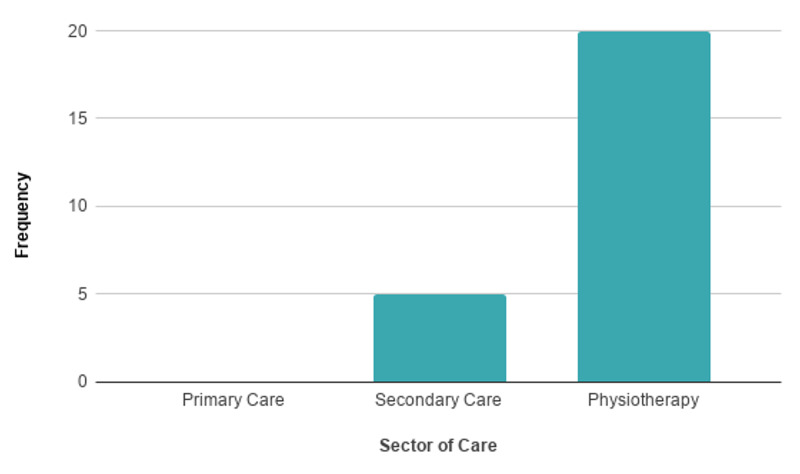
Introduction Remote consulting has exploded into primary care following the initial COVID-19 surge as a measure to reduce potential cross-infection (staff-patient or patient-patient). Musculoskeletal (MSK) conditions comprise up to 21% of the annual primary care caseload in England. Established techniques for MSK examination, however, rely on face-to-face attendance. Evidence-based guidance for remote MSK assessment is required to ensure the quality of care is maintained with the move from face-to-face to virtual consultations. Method A literature review of published evidence and current guidelines was conducted. The most appropriate remote consultation techniques and MSK examinations were identified and where there was no evidence, modified examination tests were developed from established face-to-face examination techniques. A concise, accessible framework for remote MSK assessment in primary care was then created and tested on a non-medically trained volunteer. Results Over 2232 papers and articles were identified by search headings, reducing to 28 sources that had relevant content. At the time of searching, there was no published evidence relating to MSK remote consultation in a primary care setting. However, evidence was found in the physiotherapy and rehabilitation literature for the efficacy and practicality of MSK teleconsultation. MSK remote examination framework From this literature and with the addition of modified established examinations, an MSK assessment framework was constructed. This framework provides pre-consultation guidance and step-by-step remote examination instructions. Patient and clinician resources (including a patient information leaflet and photographic examples of examinations) were created as supplementary material. Conclusion Due to the frameshift away from face-to-face consultation, primary care clinicians have found themselves lacking an evidence base or practical guidance to support remote MSK assessment. This paper is a systematic literature review of MSK telemedicine from which practical advice and evidence-based MSK tests have been developed. Where there is no evidence, modified traditional tests are suggested to allow a complete framework for remote MSK examination - using a system approach of 'look, point, move' followed by modified special tests, for use in a primary care setting as a 'ready-to-use' practical guide to remote MSK assessment, presented in a downloadable format. What did this add? With 21% of primary care consultations relating to MSK conditions and limited means of performing face-to-face MSK examination due to COVID-19, there needs to be a recognised framework for assessing the MSK system remotely. To the best of our knowledge, this evidence does not exist for primary care remote MSK examination. This paper demonstrates evidence-based practical advice (from non-primary care settings) and modified MSK examinations to be used in a primary care MSK remote consultation.
引言
在最初的新冠疫情高峰之后,远程咨询在初级医疗中迅速兴起,作为减少潜在交叉感染(医护人员 - 患者或患者 - 患者之间)的一项措施。肌肉骨骼(MSK)疾病占英国每年初级医疗病例量的21%。然而,既定的MSK检查技术依赖面对面就诊。需要基于证据的远程MSK评估指南,以确保在从面对面咨询转向虚拟咨询的过程中护理质量得以维持。
方法
对已发表的证据和现行指南进行文献综述。确定了最合适的远程咨询技术和MSK检查方法,在缺乏证据的情况下,从既定的面对面检查技术中开发了改良检查测试。随后创建了一个简洁、易懂的初级医疗中远程MSK评估框架,并在一名未接受医学培训的志愿者身上进行了测试。
结果
通过搜索标题识别出超过2232篇论文和文章,筛选后得到28篇有相关内容的文献。在搜索时,没有关于初级医疗环境中MSK远程咨询的已发表证据。然而,在物理治疗和康复文献中发现了MSK远程会诊有效性和实用性的证据。
MSK远程检查框架
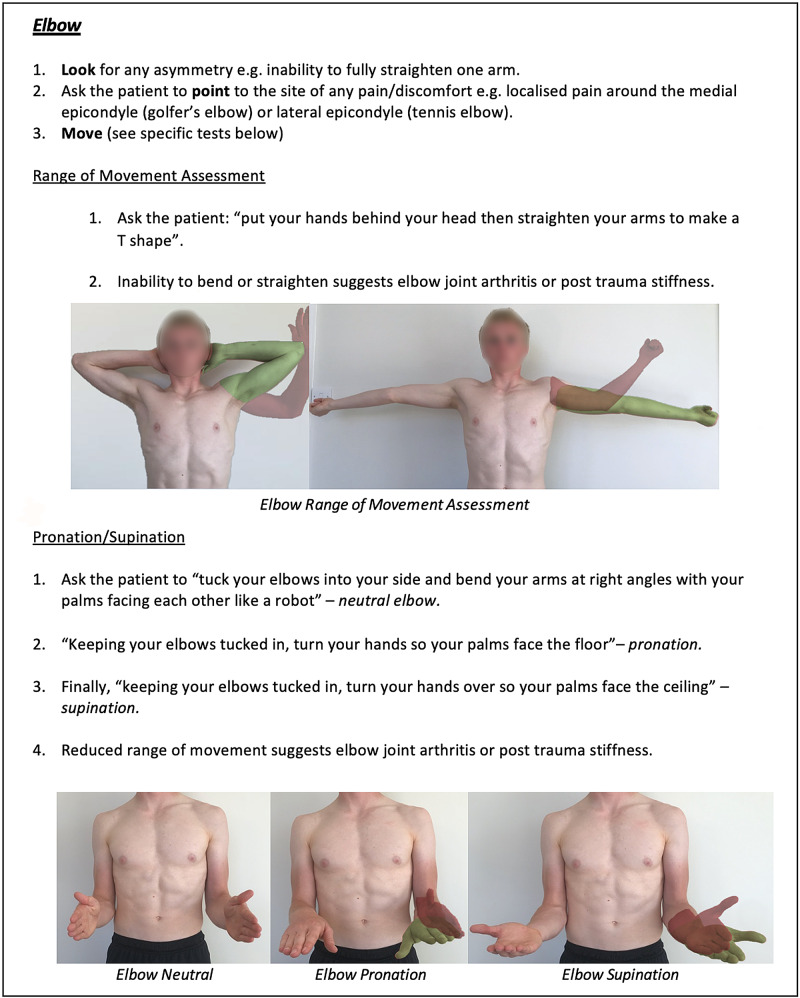
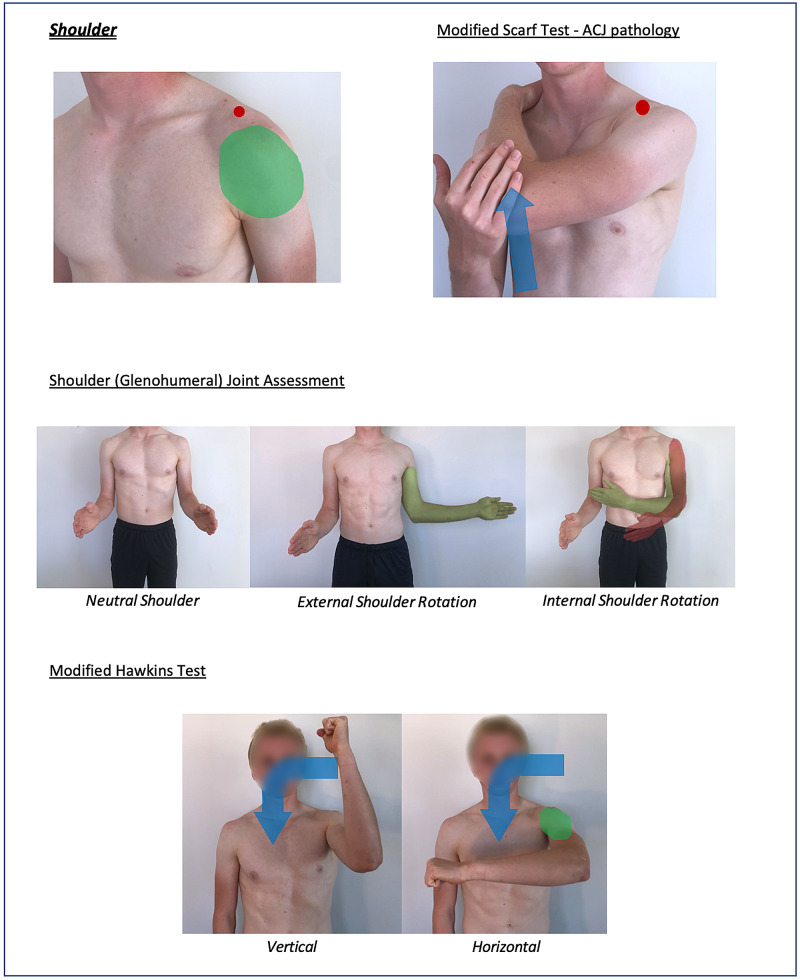
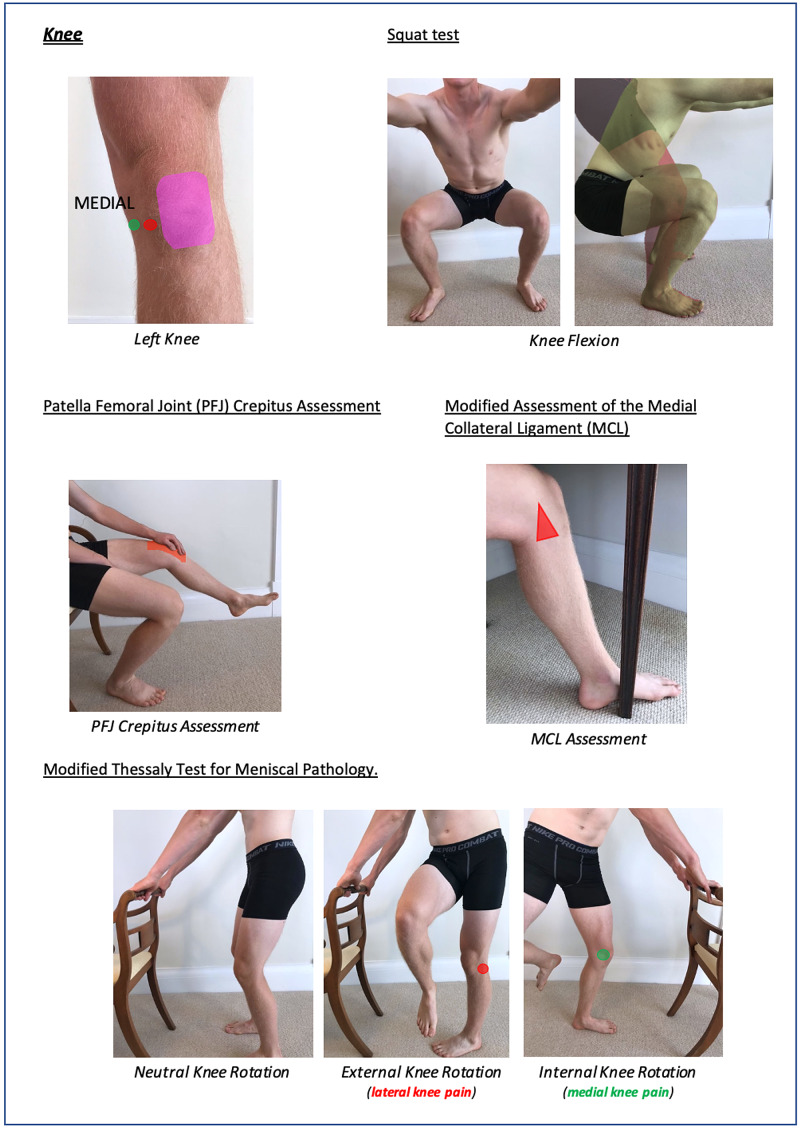
根据这些文献并结合改良的既定检查方法,构建了一个MSK评估框架。该框架提供会诊前指导和逐步的远程检查说明。创建了患者和临床医生资源(包括患者信息传单和检查的照片示例)作为补充材料。
结论
由于从面对面咨询转向远程咨询,初级医疗临床医生发现自己缺乏支持远程MSK评估的证据基础或实用指南。本文是对MSK远程医疗的系统文献综述,从中得出了实用建议和基于证据的MSK测试方法。在缺乏证据的情况下,建议采用改良的传统测试方法,以形成一个完整的远程MSK检查框架——采用“看、指、动”的系统方法,随后进行改良的特殊测试,作为初级医疗环境中远程MSK评估的“即用型”实用指南,并以可下载格式呈现。
这有什么新内容?
鉴于21%的初级医疗会诊涉及MSK疾病,且由于新冠疫情,进行面对面MSK检查的方式有限,因此需要一个公认的远程评估MSK系统的框架。据我们所知,初级医疗远程MSK检查尚无此类证据。本文展示了基于证据的实用建议(来自非初级医疗环境)和改良的MSK检查方法,可用于初级医疗中的MSK远程会诊。