Health Informatics Institute, Morsani College of Medicine, University of South Florida, 3650 Spectrum Blvd, Tampa, FL, 33612, USA.
Department of Clinical Sciences, Diabetes & Endocrinology, Lund University, University Hospital Malmö, SE-20502, Malmö, Sweden.
BMC Endocr Disord. 2021 Feb 27;21(1):32. doi: 10.1186/s12902-021-00687-9.
Insulin resistance (IR) in skeletal muscle is a key feature of the pre-diabetic state, hypertension, dyslipidemia, cardiovascular diseases and also predicts type 2 diabetes. However, the underlying molecular mechanisms are still poorly understood.
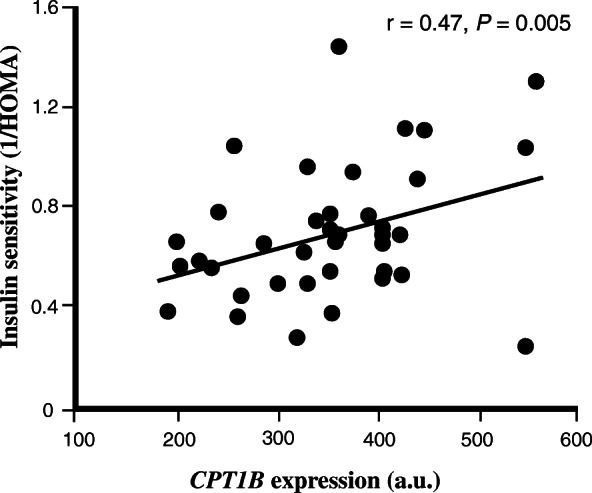
To explore these mechanisms, we related global skeletal muscle gene expression profiling of 38 non-diabetic men to a surrogate measure of insulin sensitivity, i.e. homeostatic model assessment of insulin resistance (HOMA-IR).
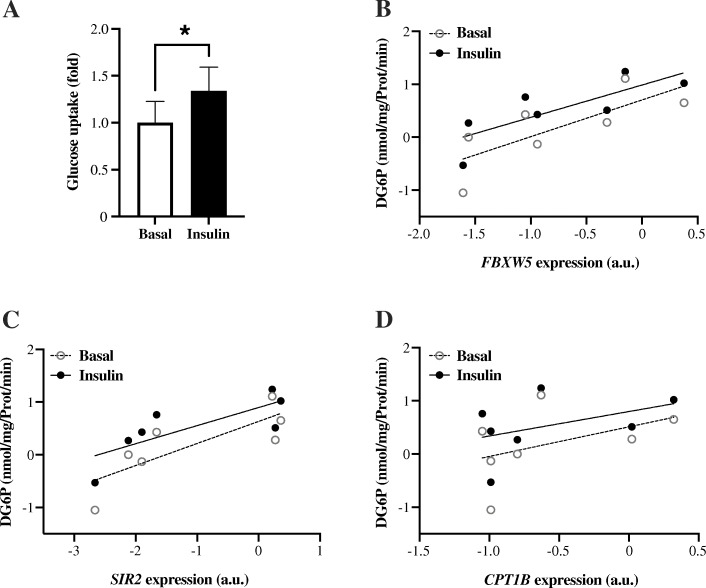
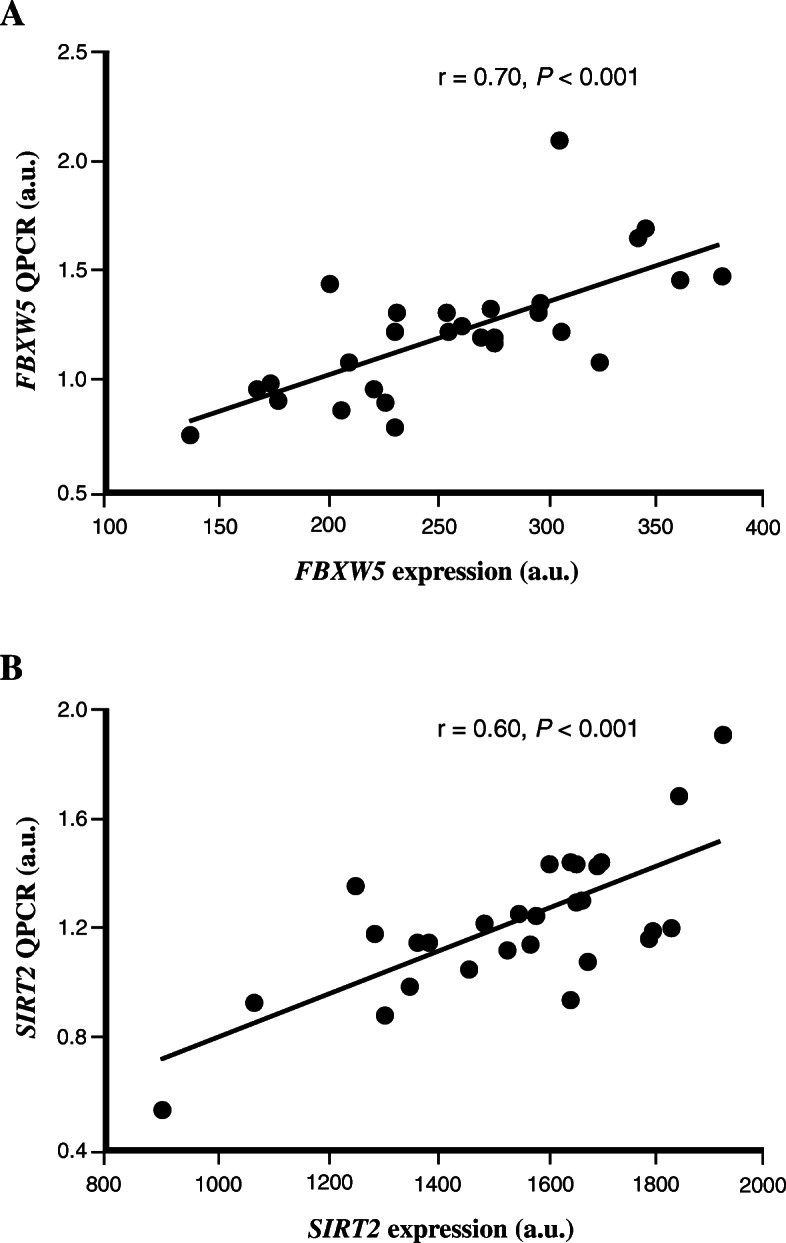
We identified 70 genes positively and 110 genes inversely correlated with insulin sensitivity in human skeletal muscle, identifying autophagy-related genes as positively correlated with insulin sensitivity. Replication in an independent study of 9 non-diabetic men resulted in 10 overlapping genes that strongly correlated with insulin sensitivity, including SIRT2, involved in lipid metabolism, and FBXW5 that regulates mammalian target-of-rapamycin (mTOR) and autophagy. The expressions of SIRT2 and FBXW5 were also positively correlated with the expression of key genes promoting the phenotype of an insulin sensitive myocyte e.g. PPARGC1A.
The muscle expression of 180 genes were correlated with insulin sensitivity. These data suggest that activation of genes involved in lipid metabolism, e.g. SIRT2, and genes regulating autophagy and mTOR signaling, e.g. FBXW5, are associated with increased insulin sensitivity in human skeletal muscle, reflecting a highly flexible nutrient sensing.
骨骼肌胰岛素抵抗(IR)是糖尿病前期、高血压、血脂异常、心血管疾病的一个关键特征,也可预测 2 型糖尿病。然而,其潜在的分子机制仍知之甚少。
为了探讨这些机制,我们将 38 名非糖尿病男性的骨骼肌全基因组表达谱与胰岛素敏感性的替代测量指标(即稳态模型评估的胰岛素抵抗指数)相关联。
我们确定了 70 个与胰岛素敏感性呈正相关的基因和 110 个与胰岛素敏感性呈负相关的基因,发现自噬相关基因与胰岛素敏感性呈正相关。在另一项对 9 名非糖尿病男性的独立研究中进行了复制,结果发现 10 个与胰岛素敏感性强烈相关的重叠基因,包括参与脂质代谢的 SIRT2 和调节哺乳动物雷帕霉素靶蛋白(mTOR)和自噬的 FBXW5。SIRT2 和 FBXW5 的表达也与促进胰岛素敏感肌细胞表型的关键基因的表达呈正相关,例如 PPARGC1A。
180 个肌肉基因的表达与胰岛素敏感性相关。这些数据表明,参与脂质代谢的基因(如 SIRT2)和调节自噬和 mTOR 信号的基因(如 FBXW5)的激活与人类骨骼肌胰岛素敏感性的增加有关,反映了高度灵活的营养感应。