Immunotherapy Research Center, Korea Research Institute of Bioscience and Biotechnology, Daejon, South Korea.
Department of Chemistry, Korea Advanced Institute of Science and Technology, Daejon, South Korea.
J Exp Clin Cancer Res. 2021 Mar 1;40(1):58. doi: 10.1186/s13046-021-01828-7.
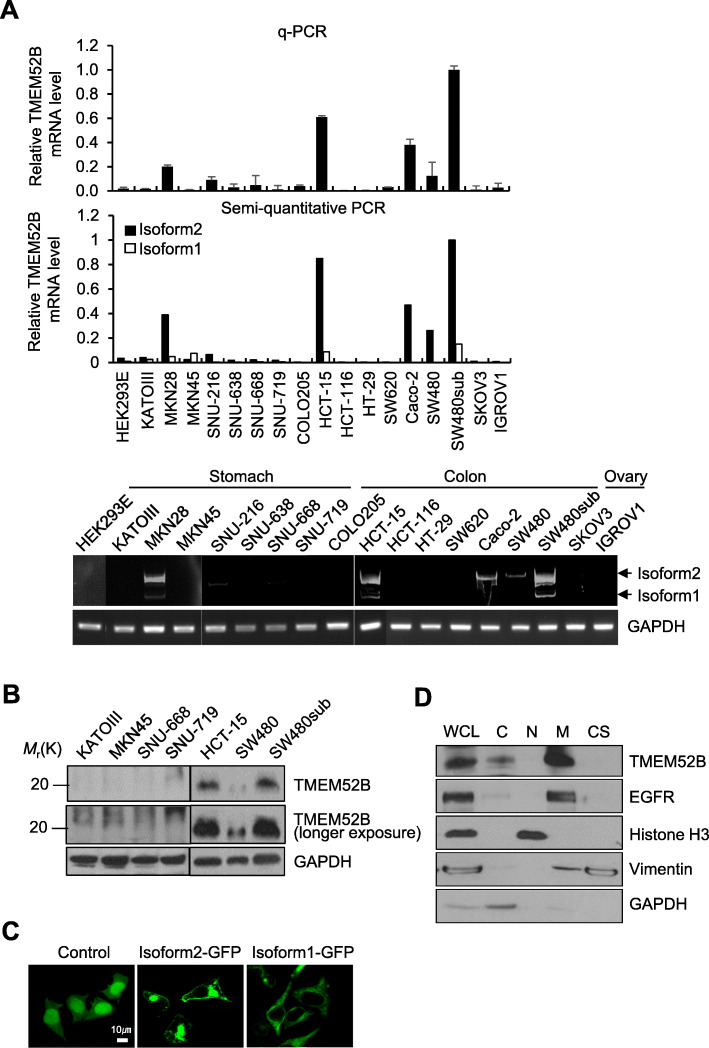
TMEM52B is a novel gene broadly expressed in a variety of normal human tissues. However, the biological function of TMEM52B expression in cancer is largely unknown.
The effects of TMEM52B on tumor growth and metastasis were investigated in vitro and in vivo, and the underlying biological and molecular mechanisms involved in this process were evaluated. Clinical datasets from KmPlotter and The Cancer Genome Atlas (TCGA) were analyzed in relation to TMEM52B expression and function.
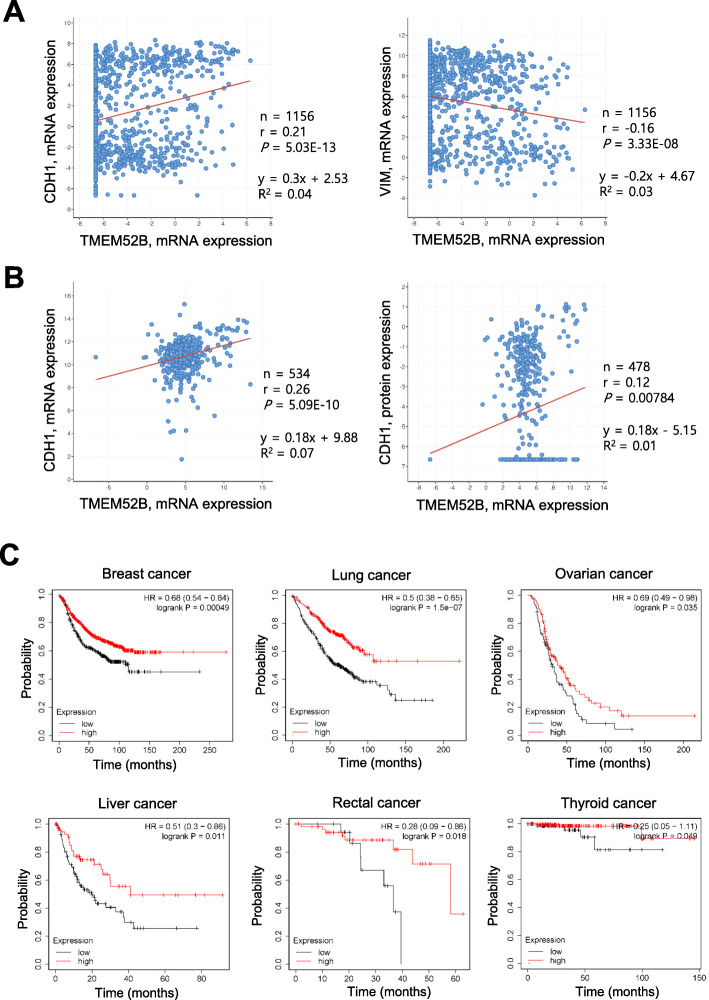
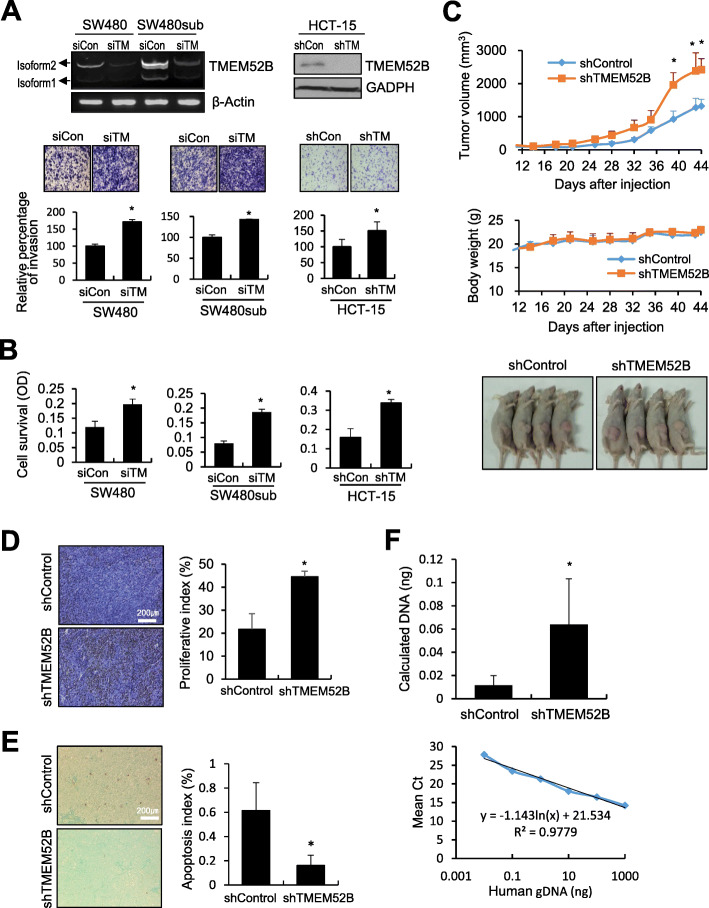
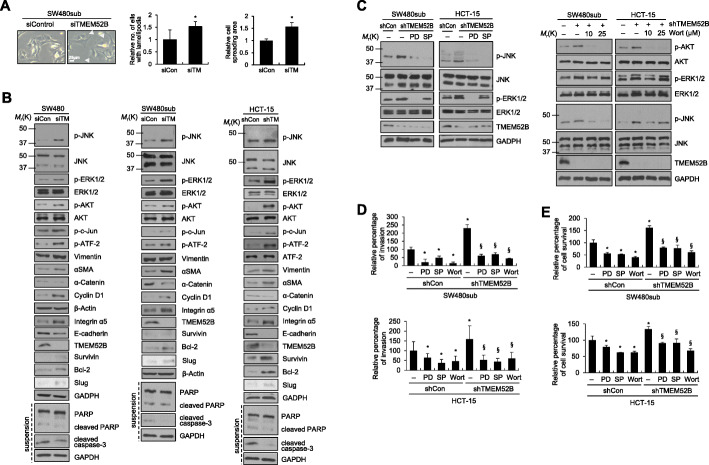
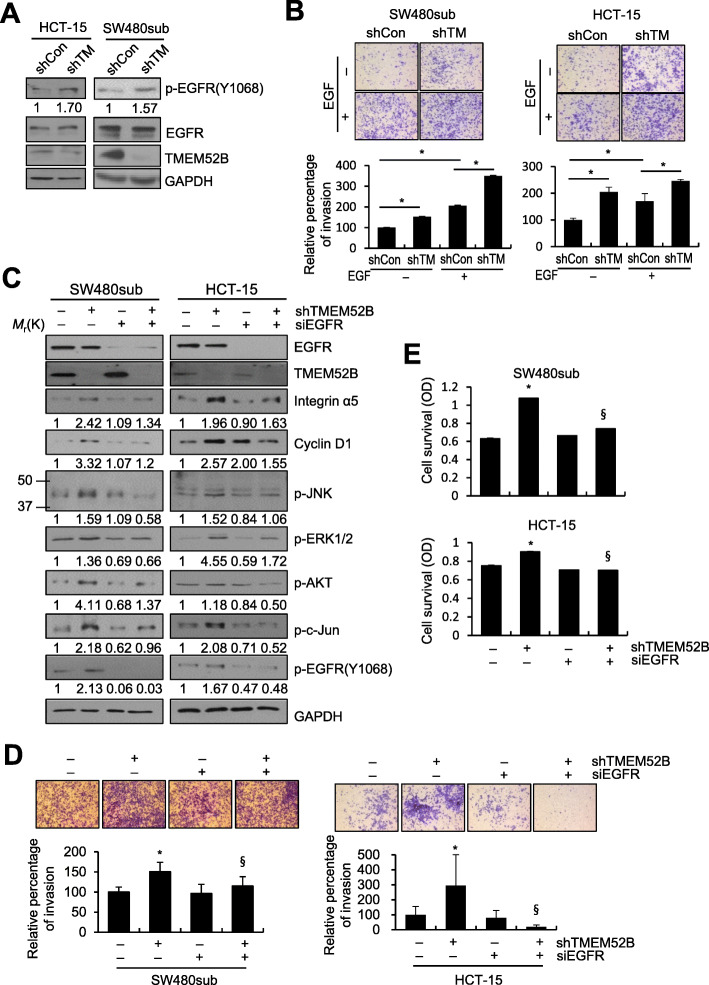
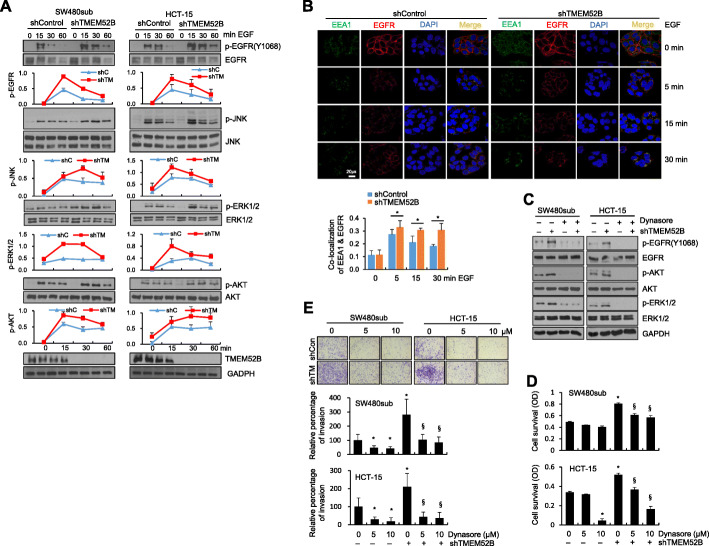
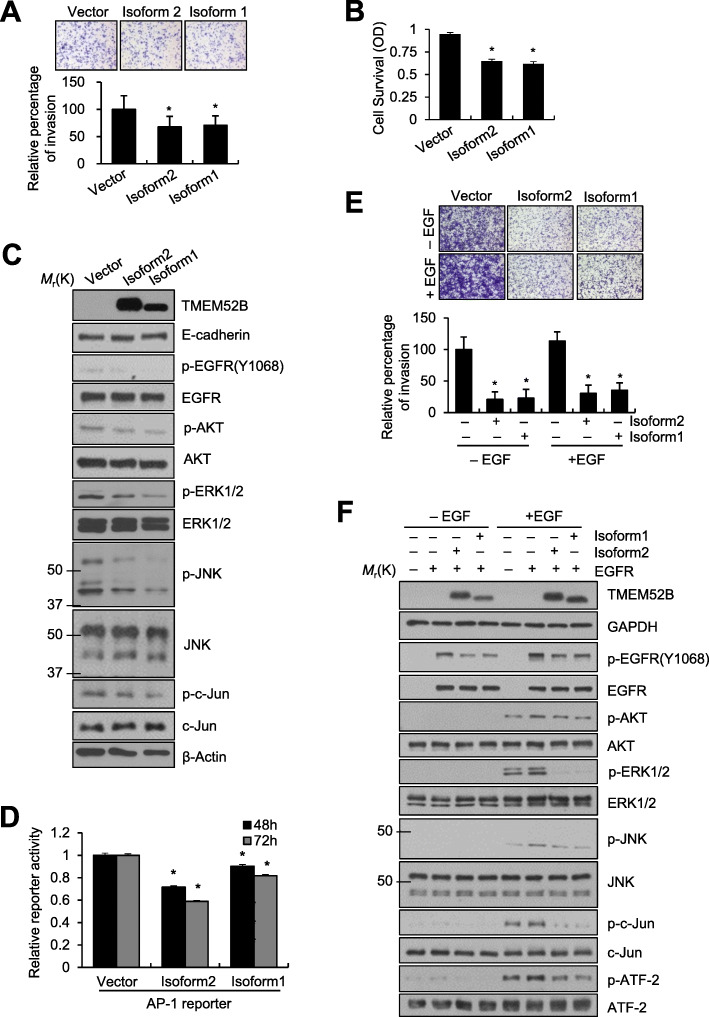
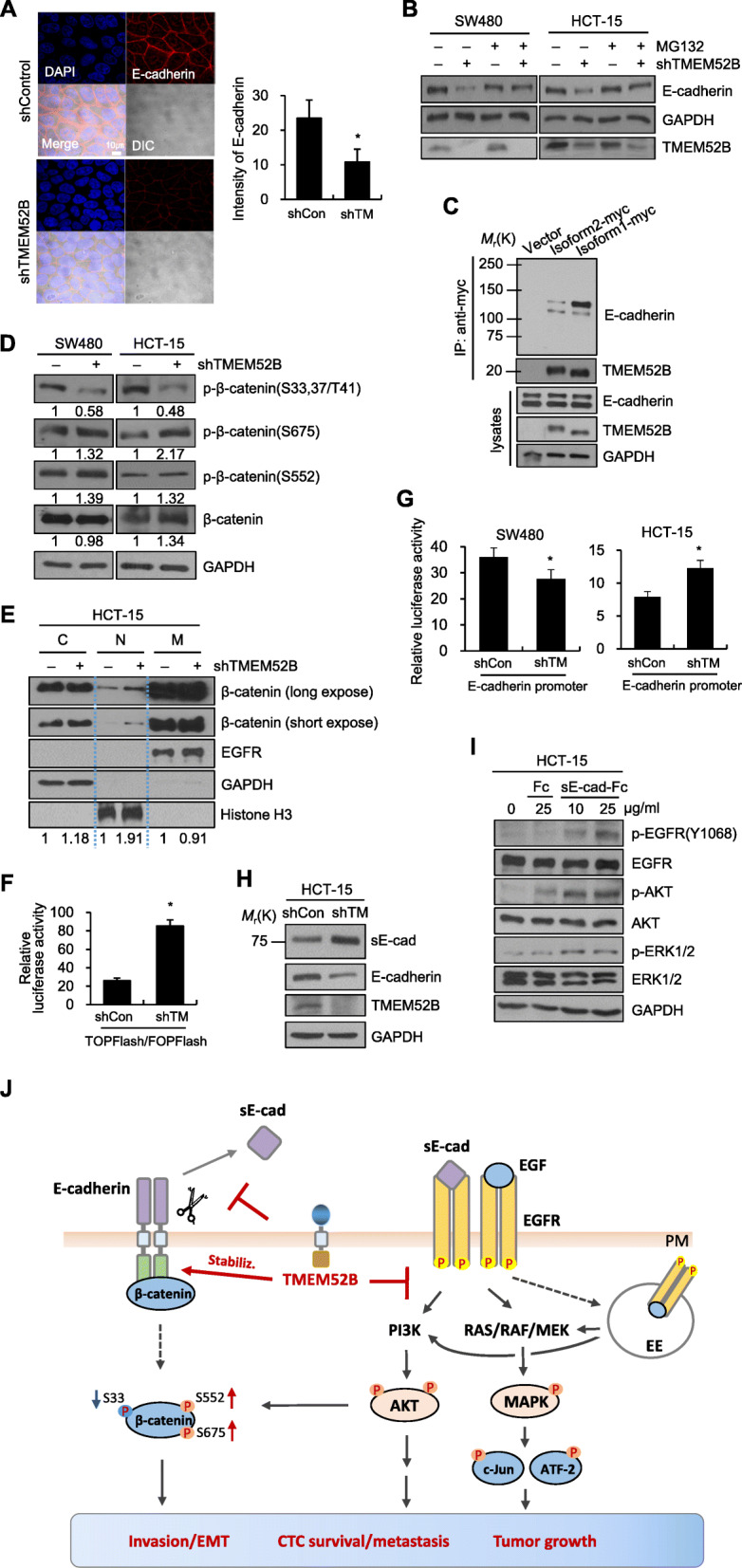
Suppression of TMEM52B in colon cancer cells promoted cancer cell epithelial-mesenchymal transition (EMT), invasion, and survival in vitro. Similarly, in vivo studies showed increased tumor growth and circulating tumor cell survival (early metastasis). ERK1/2, JNK, and AKT signaling pathways were involved in TMEM52B suppression-induced invasiveness and cell survival. TMEM52B suppression promoted activation and internalization of epidermal growth factor receptor (EGFR) with enhanced downstream signaling activity, leading to enhanced cell survival and invasion. In addition, TMEM52B suppression reduced E-cadherin stability, likely due to a reduced association between it and E-cadherin, which led to enhanced β-catenin transcriptional activity. Concomitantly, TMEM52B suppression promoted generation of soluble E-cadherin fragments, contributing to the activation of EGFR. Clinical data showed that high TMEM52B expression correlated with increased patient survival in multiple types of cancer, including breast, lung, kidney, and rectal cancers, and suggested a correlation between TMEM52B and E-cadherin.
These findings suggest that TMEM52B is a novel modulator of the interplay between E-cadherin and EGFR. It is possible that TMEM52B functions as a tumor-suppressor that could potentially be used as a novel prognostic marker for cancer.
TMEM52B 是一种在多种正常人体组织中广泛表达的新型基因。然而,TMEM52B 在癌症中的表达的生物学功能在很大程度上仍是未知的。
在体外和体内研究了 TMEM52B 对肿瘤生长和转移的影响,并评估了涉及该过程的潜在生物学和分子机制。通过 KmPlotter 和癌症基因组图谱(TCGA)的临床数据集分析了 TMEM52B 的表达与功能之间的关系。
在结肠癌细胞中抑制 TMEM52B 促进了癌细胞上皮-间充质转化(EMT)、侵袭和体外存活。同样,体内研究表明肿瘤生长和循环肿瘤细胞存活(早期转移)增加。ERK1/2、JNK 和 AKT 信号通路参与了 TMEM52B 抑制诱导的侵袭和细胞存活。TMEM52B 抑制促进了表皮生长因子受体(EGFR)的激活和内化,增强了下游信号活性,导致细胞存活和侵袭增强。此外,TMEM52B 抑制降低了 E-钙黏蛋白的稳定性,可能是由于它与 E-钙黏蛋白的结合减少,导致 β-连环蛋白转录活性增强。同时,TMEM52B 抑制促进了可溶性 E-钙黏蛋白片段的产生,导致 EGFR 的激活。临床数据表明,多种癌症(包括乳腺癌、肺癌、肾癌和直肠癌)中高 TMEM52B 表达与患者生存时间延长相关,并提示 TMEM52B 与 E-钙黏蛋白之间存在相关性。
这些发现表明,TMEM52B 是 E-钙黏蛋白和 EGFR 相互作用的新型调节剂。TMEM52B 可能作为一种肿瘤抑制因子发挥作用,有可能作为癌症的新型预后标志物。