Zhang Xi, Cvetkovska Marina, Morgan-Kiss Rachael, Hüner Norman P A, Smith David Roy
Department of Biology, University of Western Ontario, London, ON N6A 5B7, Canada.
Department of Biology, University of Ottawa, Ottawa, ON K1N 6N5, Canada.
iScience. 2021 Jan 20;24(2):102084. doi: 10.1016/j.isci.2021.102084. eCollection 2021 Feb 19.
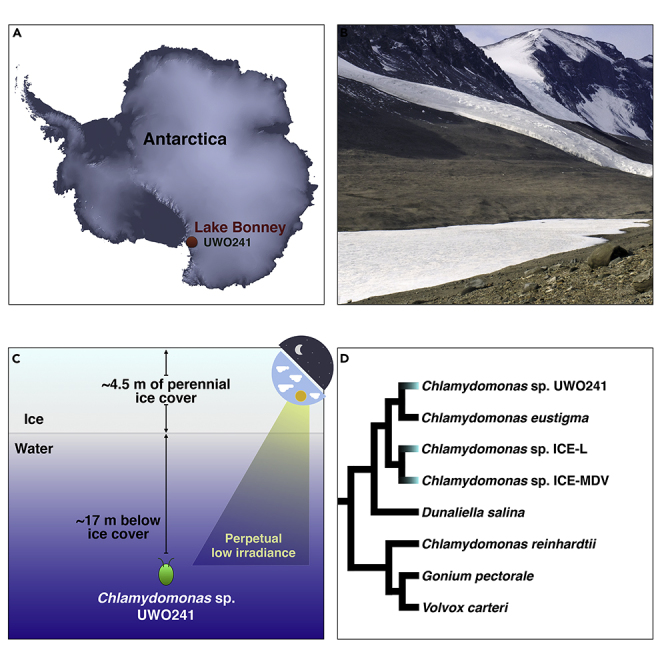
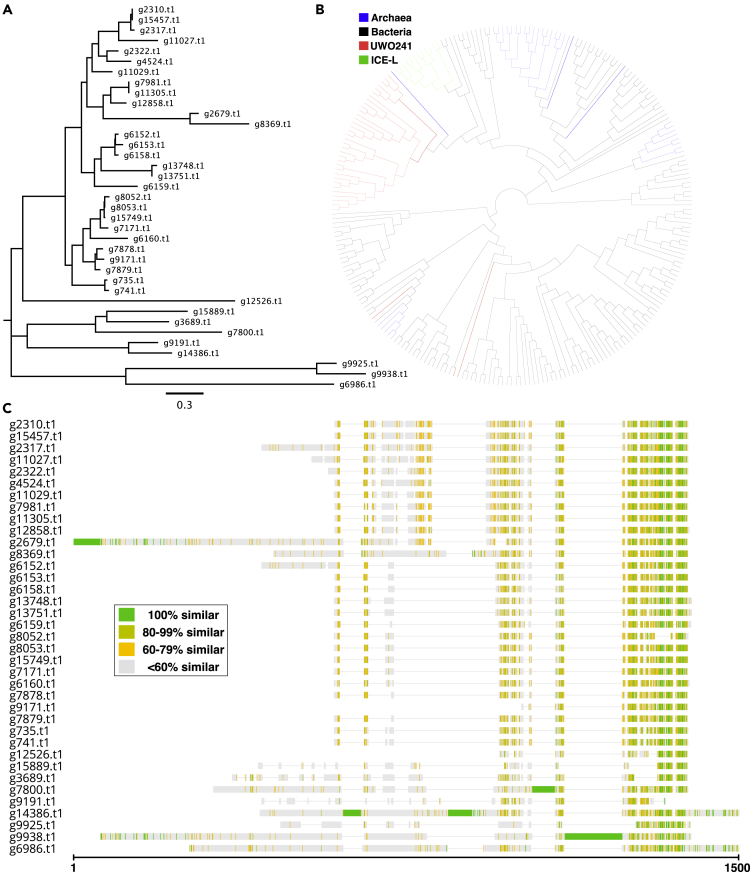
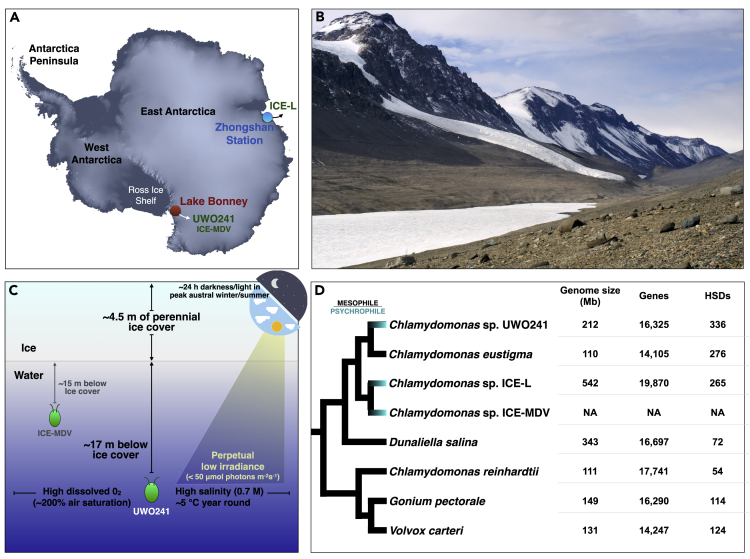
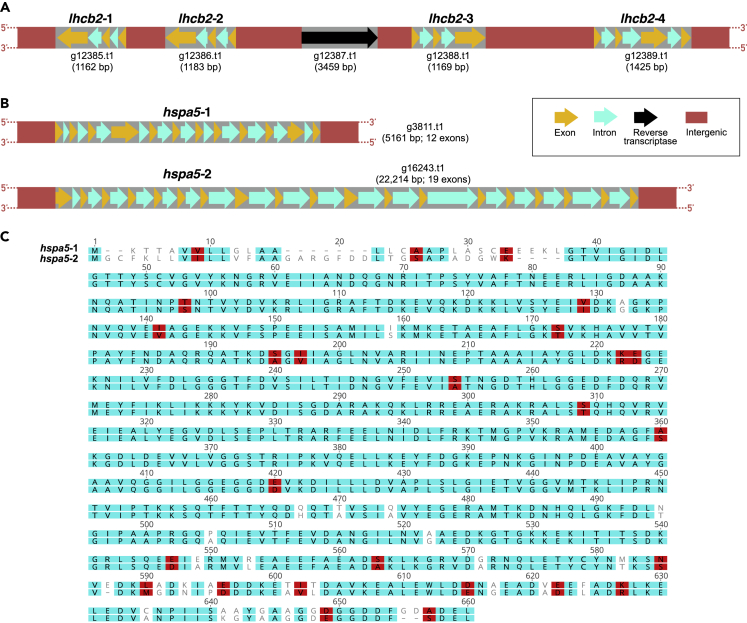
Antarctica is home to an assortment of psychrophilic algae, which have evolved various survival strategies for coping with their frigid environments. Here, we explore Antarctic psychrophily by examining the ∼212 Mb draft nuclear genome of the green alga sp. UWO241, which resides within the water column of a perennially ice-covered, hypersaline lake. Like certain other Antarctic algae, UWO241 encodes a large number (≥37) of ice-binding proteins, putatively originating from horizontal gene transfer. Even more striking, UWO241 harbors hundreds of highly similar duplicated genes involved in diverse cellular processes, some of which we argue are aiding its survival in the Antarctic via gene dosage. Gene and partial gene duplication appear to be an ongoing phenomenon within UWO241, one which might be mediated by retrotransposons. Ultimately, we consider how such a process could be associated with adaptation to extreme environments but explore potential non-adaptive hypotheses as well.
南极洲是各种嗜冷藻类的家园,这些藻类已经进化出各种生存策略来应对寒冷的环境。在这里,我们通过研究绿藻UWO241约212 Mb的核基因组草图来探索南极嗜冷现象,该绿藻生活在一个常年被冰覆盖的高盐湖的水柱中。与其他一些南极藻类一样,UWO241编码大量(≥37个)冰结合蛋白,推测这些蛋白起源于水平基因转移。更引人注目的是,UWO241含有数百个参与不同细胞过程的高度相似的重复基因,我们认为其中一些基因通过基因剂量帮助其在南极生存。基因和部分基因重复似乎是UWO241中持续存在的现象,这一现象可能由逆转座子介导。最终,我们思考这样一个过程如何与适应极端环境相关,但也探索了潜在的非适应性假说。