University of Groningen, University Medical Center Groningen, University Center for Geriatric Medicine, Hanzeplein 1, 9700, RB, Groningen, The Netherlands.
University of Groningen, University Medical Center Groningen, Department of Health Sciences, Applied Health Research, Groningen, The Netherlands.
BMC Geriatr. 2021 Mar 1;21(1):149. doi: 10.1186/s12877-021-02079-z.
The Patient Benefit Assessment Scale for Hospitalised Older Patients (P-BAS HOP) is a tool which is capable of both identifying the priorities of the individual patient and measuring the outcomes relevant to him/her, resulting in a Patient Benefit Index (PBI) with range 0-3, indicating how much benefit the patient had experienced from the admission. The aim of this study was to evaluate the reliability, validity, responsiveness and interpretability of the P-BAS HOP.
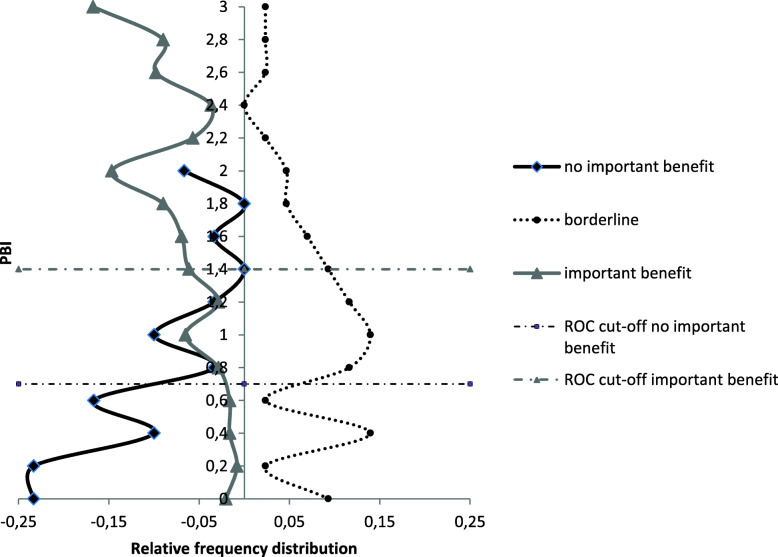
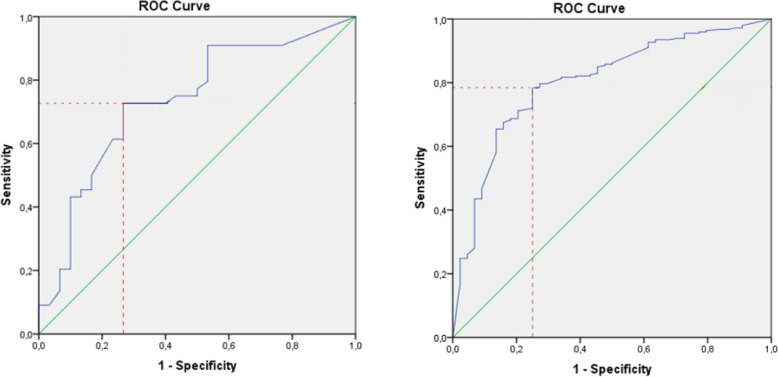
A longitudinal study among hospitalised older patients with a baseline interview during hospitalisation and a follow-up by telephone 3 months after discharge. Test-retest reliability of the baseline and follow-up questionnaire were tested. Percentage of agreement, Cohen's kappa with quadratic weighting and maximum attainable kappa were calculated per item. The PBI was calculated for both test and retest of baseline and follow-up and compared with Intraclass Correlation Coefficient (ICC). Construct validity was tested by evaluating pre-defined hypotheses comparing the priority of goals with experienced symptoms or limitations at admission and the achievement of goals with progression or deterioration of other constructs. Responsiveness was evaluated by correlating the PBI with the anchor question 'How much did you benefit from the admission?'. This question was also used to evaluate the interpretability of the PBI with the visual anchor-based minimal important change distribution method.
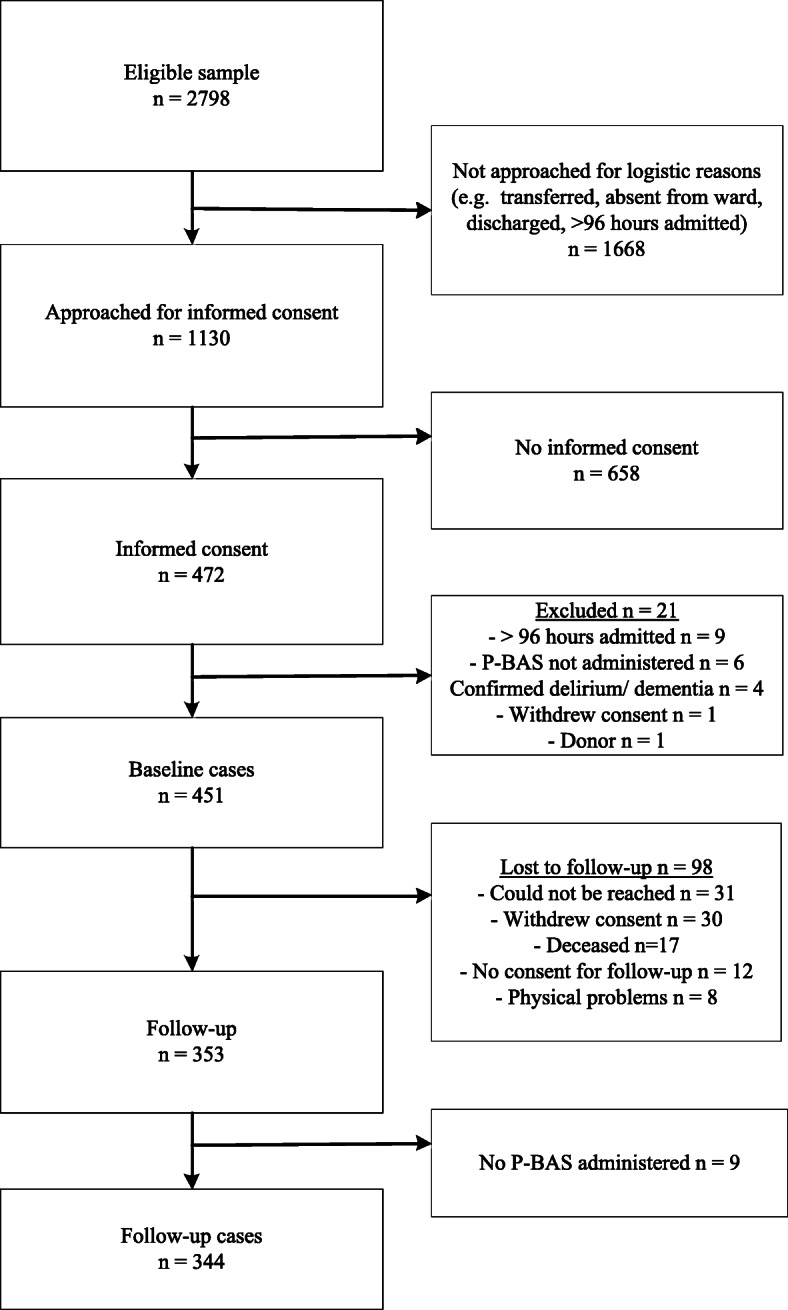
Reliability was tested with 53 participants at baseline and 72 at follow-up. Mean weighted kappa of the baseline items was 0.38. ICC between PBI of the test and retest was 0.77. Mean weighted kappa of the follow-up items was 0.51. ICC between PBI of the test and retest was 0.62. For the construct validity, tested in 451 participants, all baseline hypotheses were confirmed. From the follow-up hypotheses, tested in 344 participants, five of seven were confirmed. The Spearman's correlation coefficient between the PBI and the anchor question was 0.51. The optimal cut-off point was 0.7 for 'no important benefit' and 1.4 points for 'important benefit' on the PBI.
Although the concept seems promising, the reliability and validity of the P-BAS HOP appeared to be not yet satisfactory. We therefore recommend adapting the P-BAS HOP.
住院老年患者患者获益评估量表(P-BAS HOP)是一种能够识别患者个体需求并衡量与患者相关的结果的工具,其结果为患者获益指数(PBI),范围为 0-3,表明患者从入院中获得的获益程度。本研究旨在评估 P-BAS HOP 的可靠性、有效性、反应性和可解释性。
对住院老年患者进行纵向研究,在住院期间进行基线访谈,并在出院后 3 个月通过电话进行随访。测试了基线和随访问卷的重测信度。计算了每个项目的一致性百分比、二次加权 Cohen's kappa 和最大可达 kappa。为基线和随访的测试和复测计算了 PBI,并与组内相关系数(ICC)进行了比较。通过评估与入院时目标优先级与经历的症状或限制以及目标实现与其他结构进展或恶化相关的预定义假设来测试结构有效性。通过将 PBI 与“入院期间您受益多少?”这一问题进行相关性评估来评估反应性。这个问题也被用于使用基于视觉锚点的最小重要变化分布方法来评估 PBI 的可解释性。
基线有 53 名参与者,随访时有 72 名参与者接受了测试。基线项目的加权平均 kappa 为 0.38。测试和复测 PBI 的 ICC 为 0.77。随访项目的加权平均 kappa 为 0.51。测试和复测 PBI 的 ICC 为 0.62。在 451 名参与者中进行了结构有效性测试,所有基线假设均得到证实。在对 344 名参与者进行的随访假设测试中,有七个中的五个得到了证实。PBI 与锚定问题之间的 Spearman 相关系数为 0.51。PBI 的“无重要获益”的最佳截断点为 0.7,“有重要获益”的最佳截断点为 1.4。
尽管该概念似乎很有前景,但 P-BAS HOP 的可靠性和有效性似乎还不够令人满意。因此,我们建议对 P-BAS HOP 进行改编。